

Techno-Optimist #16
The Euclid Telescope releases its first map, some cool robot and AI updates, Canada might get a spaceport, Thylacines get nearer to de-extinction, new futuristic architectural style...and a lot more!


Welcome to the sixteenth edition of Techno-Optimist, your source for news and commentary on space, science, and technology without the negative bias so common these days. To all my new readers since last time, welcome aboard.
We’ve got a lot to cover, so let’s dive in.
“Optimism is the lifeblood of progress, the belief that the best days are always yet to come - it’s the intensity of that belief that drives us forward.” —Sally Metelerkamp
Euclid releases 1% of a cosmic wonder. A spectacular piece of what will ultimately be a giant map of the universe was revealed by the ESA’s Euclid ‘dark universe’ telescope. The Euclid Telescope was launched in June 2023, and is designed “to explore the composition and evolution of the dark Universe…revealing more about the role of gravity and the nature of dark energy and dark matter.” This first release is just 1% of what the map will ultimately be, but even so it’s a massive 208 gigapixels showing around 100 million light sources (stars and galaxies). While gathering this data took only a couple weeks, the entire map will take 6 years to capture—it will ultimately be the “largest cosmic 3D map ever made,” and will observe “the shapes, distances and motions of billions of galaxies out to 10 billion light-years.” I don’t know about you, but I’m stoked to see the entire thing. (ESA) (ESA’s Euclid Mission)
Robots update. There’s a ton to cover, and I’m really just scratching the surface here with a few that stood out to me. Feel free to jump into the comments with more cool robots.
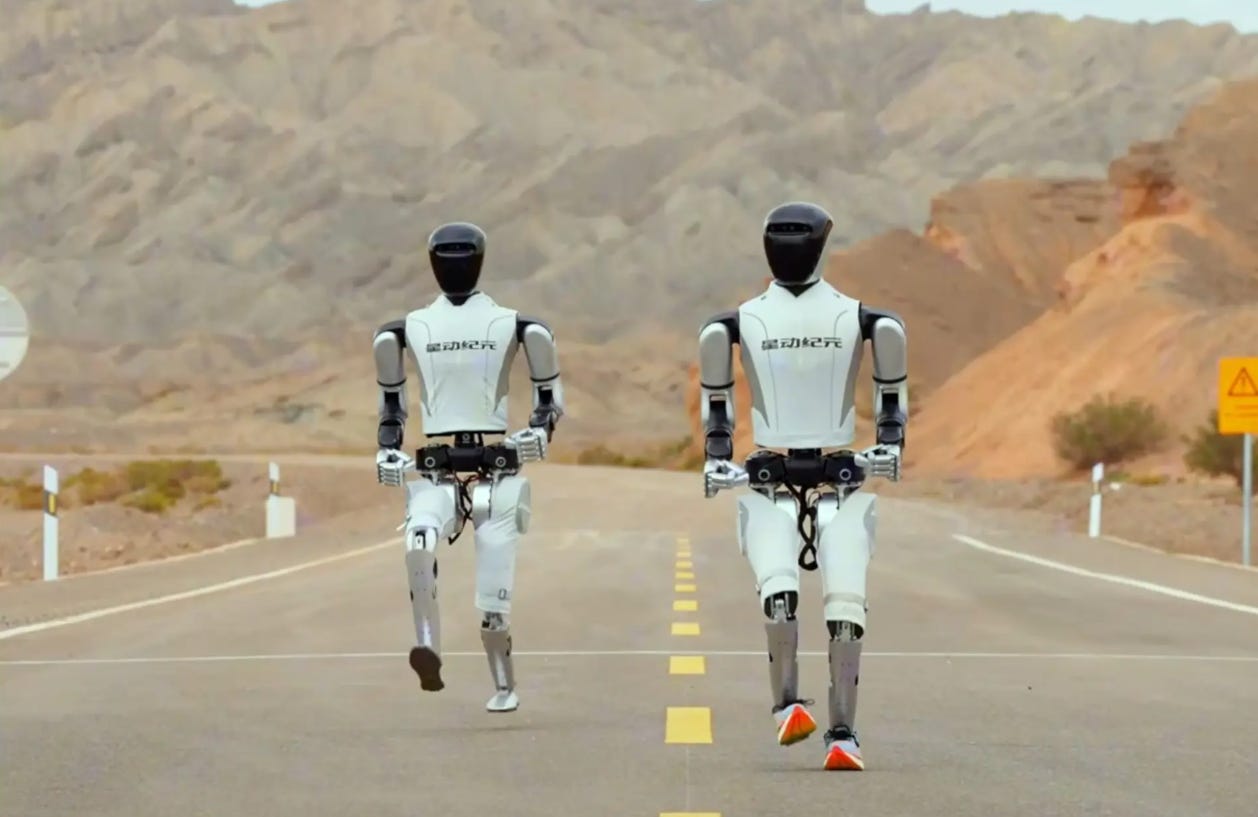
Maybe for certain things robots do need clothes, or footwear anyways. Chinese robotics company Robot Era ran two of their robots through their paces, jogging over a variety of terrain, including the Gobi Desert. Turns out footwear helps, with the robot wearing tennis shoes passing its unshod companion. (The Humanoid Hub) (New Atlas)

LIMX Dynamics is now taking pre-orders for their TRON robot, which can switch between bipedal and wheeled versions, and is able to do “remote-controlled walking out-of-the-box.” To me this looks exactly like a mini “chicken walker” from Star Wars. Maybe you can use it to chase some mini rebels? (The Humanoid Hub)

Happy Halloween? A not at all creepy video from Clone Robotics of Torso, “a bimanual android actuated with artificial muscles.” Very cool how that all works, and good timing for the release. (@clonerobotics)

Not to be outdone, EngineAI has just unveiled SE01, a general purpose humanoid robot with a more natural, human like gait. Never mind the Legends of Sleepy Hollow “Headless Horseman” vibe. In their defense though, they put a head on it later in the video. (The Humanoid Hub)
An industrial robot just made a guest appearance at the Swedish Malmö Symphony Orchestra. It played cello beautifully, marking the first time “a robotic cello soloist performed with a symphonic orchestra.”
AI updates. While it’s virtually impossible to keep up with—let alone stay on top of—all the development across the field of AI, here’s a few I thought were fun:

Eleven Labs just introduced a new ability called Voice Design, allowing users to “generate a unique voice from a text prompt alone.” Want an old wizard with a raspy voice? How about a cute and sassy tiny mouse? With winter on its way, perhaps “a large yeti with a deep rumbling voice”? You can try it out here. That’s not the only AI finding its voice though. A new study looked at poetry generated by ChatGPT and found that it was ‘much more constrained and uniform than human poetry, showing a strong penchant for rhyme, quatrains (4-line stanzas), iambic meter, first-person plural perspectives (we, us, our), and specific vocabulary like "heart," "embrace," "echo," and "whisper."’ (Eleven Labs) (@JimPethokoukis)
Runway, an AI company building tools for artists, has a new product called Act One that allows anyone to generate cartoon from video. According to the company, Act One “can create compelling animations using video and voice performances as inputs,” making it “a significant step forward in using generative models for expressive live action and animated content.” Is Hollywood out of business? Not yet, but tools like this will make it far easier for competitors—even single individuals—to challenge the dominance of traditional players in the entertainment industry. You can try it out for free on their website. If anyone does, let me know what you think of it. (Runway)
Help for the heart. A new antibody therapy could help with healing after heart attacks, preventing the heart failure which often follows and ends so many lives. The antibody blocks a protein called ENPP1, which “is responsible for increasing the inflammation and scar tissue formation that exacerbate heart damage.” After a single dose, mice saw significant repair of damage, reduced scar formation, and better cardiac function. Only 5% of mice receiving the treatment ended up with severe heart failure, versus 52% of mice that didn’t get it.
Another group of scientists are looking to a drug inspired by venom from Australian funnel-web spiders to appears to “reverse the tissue damage caused by a heart attack.” The drug works well in mice, with human trials schedules to start soon. Its sorely needed, as there is no existing treatment for repairing damage after heart attacks. (Medical Xpress) (Live Science)
Space

Brown dwarf Gliese 229B was the first of its class ever discovered (back in 1995), teaching us a lot about these ‘failed stars’ that have characteristics of both planets and stars, but are neither. It was always considered too dim for its mass, and now closer observations have revealed that it’s actually a pair of brown dwarves whirling around each other every 12 days at a distance of 3.8 million miles (6.1 million kilometers)—about a tenth the distance Mercury orbits our Sun at. While this is fascinating on its own, my mind went to wondering what would happen if they collided? Their masses are roughly 38x and 34x that of Jupiter, meaning if they merged it would be right on the edge of having enough mass for hydrogen fusion to start—perhaps forming a tiny star. (Space.com)
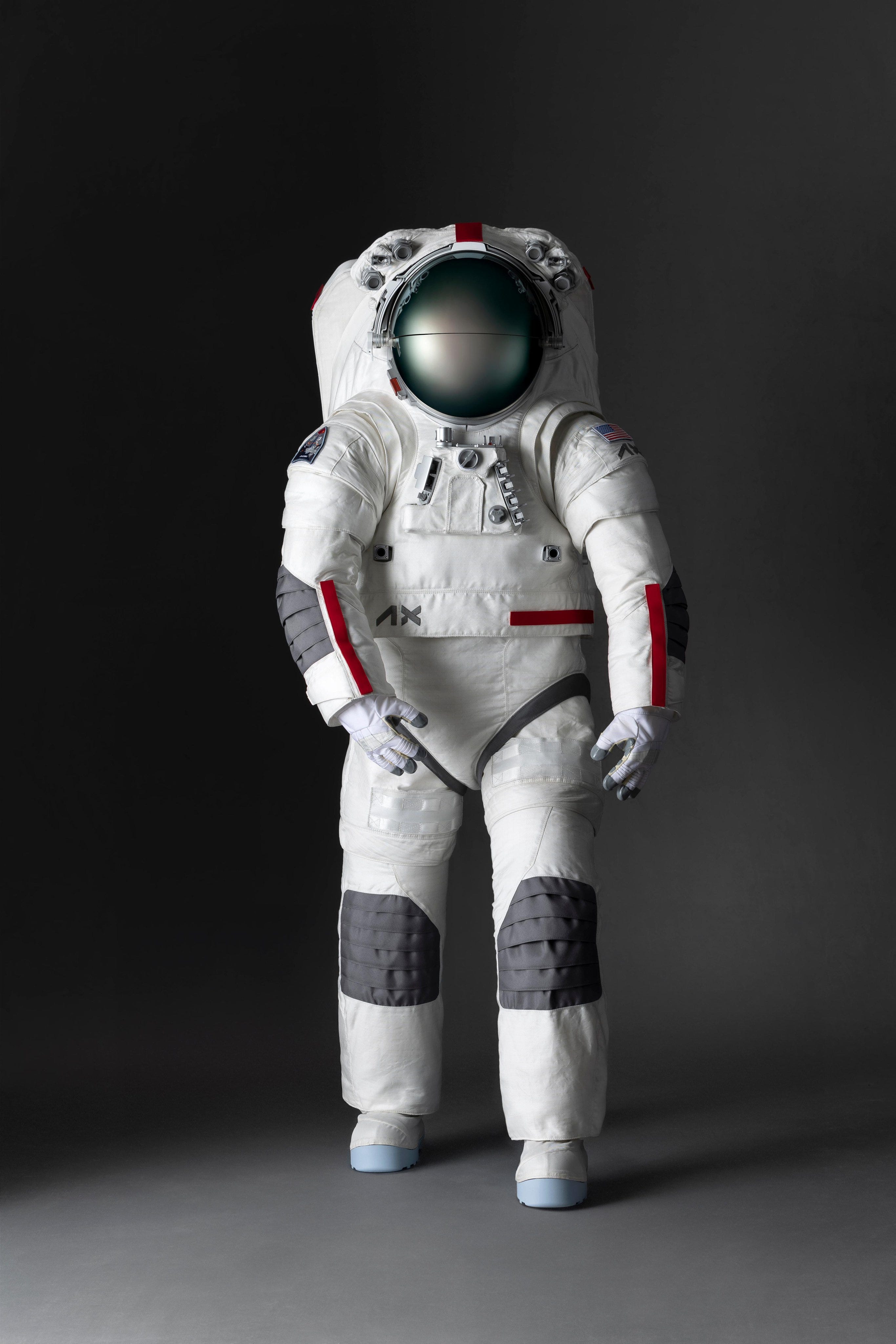
In partnership with NASA, Axiom Space has released the design of its new lunar spacesuit that astronauts will wear on the upcoming Artemis Moon missions, the first of which is currently slated to return humans to our closest neighbor in the fall of 2026 (that date could easily slip). Have to say, I like the design. Sleek, classy, and a bit more sci fi than what was used during Apollo. (NASA Artemis) (Space.com)
A new study published in Nature suggests that a habitable environment could exist for Martian photosynthetic microbes just below the surface, in dusty ice. Specifically, ice located in the mid latitudes where it might have a chance to partly melt every year, allowing the purported microbes a brief chance to grow and reproduce. Depending on how clear the ice is, microbes could survive anywhere from a few inches to a few feet down, protected from excessive UV radiation, but with enough sunlight to survive. (Space.com) (New Atlas)


A couple rocket updates for you: Blue Origin just completed a successful test flight of its 2nd human rated vehicle for their New Shepard program—there’s some pretty cool photos from the launch and landing. They also revealed a shot with complete engine installation for their New Glenn heavy rocket, which will be on par with the Falcon Heavy. The plan is to launch it later this year. Rocket Lab—aiming to be a competitor to both companies with their medium lift Neutron rocket—is using a massive 3D printer to create the carbon fiber shell for their rockets, which they say will dramatically cut down on production time. Check out a great interview and site tour on the development of Neutron here. (@blueorigin) (@blueorigin) (Interesting Engineering)
Canada might be getting a spaceport. Maritime Launch Services and Reaction Dynamics are working towards a goal or orbital launches from Nova Scotia, a province on Canada’s east coast. Maritime Launch’s CEO commented that “This partnership is more than just a milestone for Maritime Launch and Reaction Dynamics; it's a monumental leap forward for Canada.” I completely agree. The current plan is for Maritime launch to send something into orbit from Spaceport Nova Scotia sometime in 2026. (Space Daily)
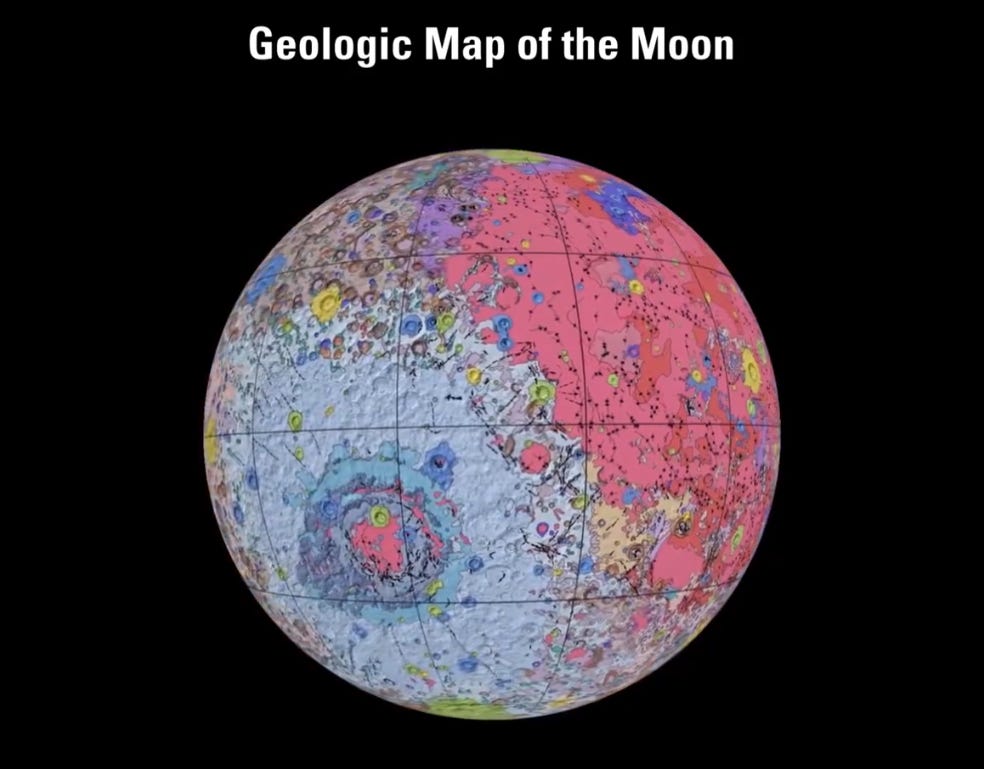
The United States Geological Survey (USGS) has released a Geologic Map of the Moon—what they say is the “first-ever comprehensive map [that] reveals the moon’s entire surface geology.” I did point out to them that back in April of this year China may have beat them to it by unveiling a Geological Atlas of the Moon, but they didn’t comment. (@USGS) (USGS Astropedia)
Speaking of China, earlier this month they set out their long term roadmap for space, with plans up to 2050. Phase 1 includes their first manned lunar landing by 2030, expanding their Tiangong ‘Heavenly palace’ space station, a Mars sample return mission, launching a Hubble type telescope, an Earth 2.0 exoplanet telescope, and a solar polar orbiter. Phase 2 (up to 2035) has China sending a probe to survey Jupiter before setting into orbit around its moon Callisto. Phase 3 (up to 2050) aims to have China become the global leader in space science with 5-6 flagship missions (TBD) and numerous smaller ones. Also mentioned was a Venus atmosphere return mission, which would be pretty epic. All I can say is the States had better not fall behind—and therefore whoever wins the Whitehouse next week needs to ensure they reduce red tape for SpaceX and other companies enabling the U.S. to remain ahead of China. (SpaceNews) (Space.com)

‘Students in Europe build rocket that lands vertically.’ Good headline for a pretty incredible accomplishment. During the launch, the rocket spent a minute in the air, claiming 105m (345ft) before landing safely back on its pad. All with a piece of cheese strapped to one of its legs—a very SpaceX thing to do. Meanwhile, has any government (or company) in Europe built a reusable rocket? Have they done any tests in that direction? Just checking, but I don’t believe they have—so kudos to these guys for blazing a trail. (Gruyere Space Program) (Interesting Engineering)
AI, Energy, Engineering, & Physics
TSMC (Taiwan Semiconductor Manufacturing Company) “has achieved early production yields at its first plant in Arizona that surpass similar factories in Taiwan.” It’s hard to overstate how big this is—it could be a cornerstone for the renaissance of American manufacturing. A couple caveats: these are 4nm chips, not the cutting edge 3nm, but still incredibly important for numerous electronic devices. Also, apparently over half the workers are Taiwanese brought over by the company specifically to help out at this plant, so American workers have a bit of a learning curve before stepping into their shoes. (@business)
In another win for miniaturizing technology, researchers have “demonstrated a novel, extremely high-performance spectrometer that can measure light with a 0.05 nanometers wavelength resolution.” It’s the same resolution that spectrometers 1,000x bigger get, making this device (it’s mounted on a computer chip) a far cheaper alternative. [Sidebar: Spectrometers work by “breaking down light waves into their different colors—or spectra—to provide information about the makeup of the objects being measured.”] Making this more accessible will be a boon for everything from astronomy to medicine, and could open the door to incorporating tricorder like capabilities onto your smartphone. (Phys.org)
Congrats to scientists from the University of Washington and Los Alamos National Labs on successfully simulating “the final stage of nuclear fission, where the nucleus stretches and splits.” Previously, the rupture point, where the nucleus of a heavy atom like uranium splits (fissions) was thought to occur randomly. That doesn’t appear to be the case now however. Instead, a ‘neck’ first forms where “the nucleus stretches and ultimately breaks into two fragments.” The team now plans to conduct physical experiments to validate their simulations. (Interesting Engineering)
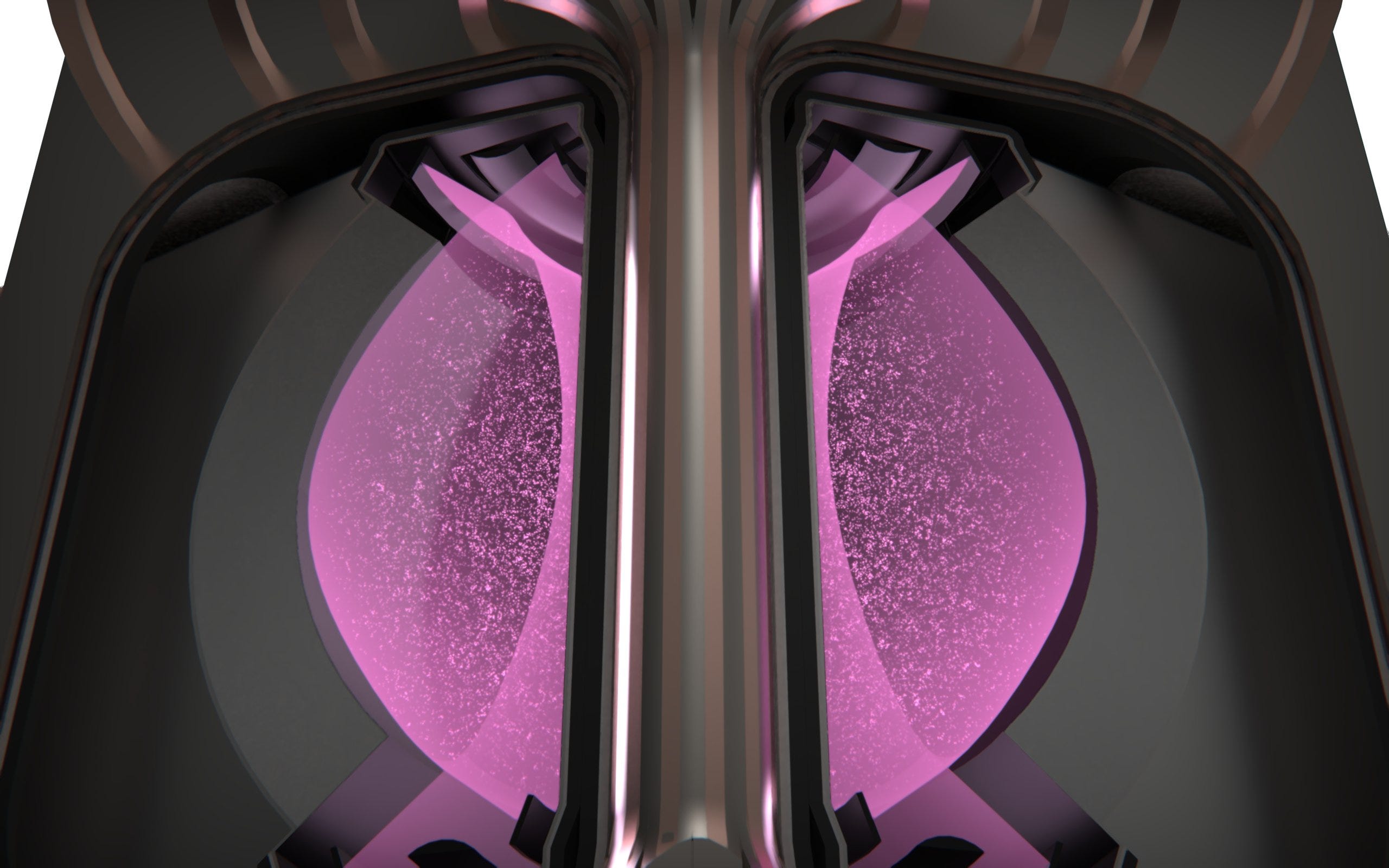
Some news from fusion companies: across the pond in Britain, Tokamak Energy has released the design for their fusion pilot plant, able to generate “800 megawatts (MW) of fusion power and 85MW of net electricity – enough to power and heat more than 70,000 American homes.” They aim to have it up and running by the mid-2030s. In California, Pacific Fusion just came out of stealth, announcing over $900M in funding. The company also plans to have a working demonstration plant a decade from now. (Tokamak Energy) (Fusion Industry Association)
Some drone updates: Drones are increasingly common in warfare, so it makes sense to develop ways to counter them. The US Army has a new tool that can “zap UAVs for just $3 using a 26kW laser.” They fit it onto a Stryker combat vehicle, which used the laser to successfully destroy “every drone over the two-day demonstration.” In other defense related drone news, Texas based Saronic has announced an autonomous ship, the Corsair—which can “operate autonomously over a range of 1,000 nautical miles, has a payload capacity of 1,000 lb (454 kg) and can reach speeds of over 35 knots (40 mph).” The ships can work individually, or together as a drone swarm. (Interesting Engineering) (New Atlas)
Construction has started on the world’s largest building. Situated in the Saudi Arabian capital of Riyadh, the Mukaab—Arabic for cube—will be exactly what its name suggests, a giant cube 400m (1312ft) in each dimension. To put it in perspective, that’s enough volume to fit 20 Empire State buildings inside, with room left over. Last time I wrote how Saudi Arabia is busy working on the world’s tallest building, looks like they’re going to take the top spot for biggest as well. (Middle East Eye) (@MarioNawfal)
Medicine
Gene therapy has been advancing by leaps and bounds, but it could be about to take an even bigger step forward with a new method allowing DNA switches designed by AI to simply flip genes on and off. The research team designed thousands of switches that “can precisely control the expression of a gene in different cell types,” which “opens the possibility of controlling when and where genes are expressed in the body.” (Science Daily)
Sometimes overlooked and simple remedies can have a big effect. A new discovery suggests that vitamin K can slow the progression of prostate cancer in mice. The mice were given a pro-oxidant (the opposite of an anti-oxidant) called menadione that gets converted to vitamin K in the body. It appears to kill the cancer cells “by depleting a lipid called PI(3)P, which works like an ID tag.” When the cells don’t have it, they “stop recycling incoming materials and eventually explode.” (Medical Xpress)
Last time I told you about ‘smart stitches’ that generated a small charge when stretched that helped wounds heal faster. A new study takes things in a slightly different direction, using electricity to stop bacterial infections on the skin without antibiotics. The patch they built sits on a patient’s skin and uses 1.5 volts of electrical current—turning on for ten seconds every 10 minutes over the course of 18 hours. More work needs to be done, but this could be a big step forward for wound healing and treating stubborn infections. (Science Daily)
Some excellent news from human trials of a new approach to quelling autoimmune diseases: “an off-the-shelf CAR T cell therapy has been used to treat potentially life-threatening autoimmune disorders in three people. With a single shot, the treatment rapidly reversed their debilitating symptoms for up to a year.” Even better, this therapy uses “off the shelf” cells taken from a healthy donor, which are then reprogrammed to evade the hosts immune system while targeting the rogue B-cells causing disease. While the study only involved three people, improvements were significant and lasted at least half a year, with levels of “antibodies that attack healthy tissue dropping to nearly undetectable levels.” (Singularity Hub) (Cell)
There’s been a lot of work on actually curing diabetes, but for that to become mainstream is still going to take some time. Until then, scientists have developed a ‘smart insulin’ capable of preventing the highs and lows of blood sugar diabetics are so familiar with. This new insulin can essentially “switch itself on and off depending on glucose levels in the blood, making the safe control of diabetes far easier. Human trials will hopefully be coming soon. (Nature)
Scientists have successfully used live E. coli bacteria as a cancer vaccine in mice. The bacteria were engineered to present tumor antigens, and were then attacked by immune system cells, which led to “broader activation of both T and natural killer cells” against the tumor, slowing or stopping its growth. (Nature via @SamuelBHume)
Biotech & Agriculture
A new idea dubbed “electro-agriculture” could significantly boost crop yields. In a nutshell, it uses electricity to create acetate, a compound some mushrooms, yeast, and algae can already consume as food—allowing them to grow completely without sunlight. For higher plants (like all our crops), sunlight is still needed, and plants can only use acetate as fuel when they’re seedlings. But experiments on organisms that already use it, combined with some sunlight, saw a 4x improvement; so the thought is that perhaps genetic engineering could allow crops to do the same. Particularly off world where room to grow crops is at a premium. (Singularity Hub)
Weird & Wonderful

De-extinction company Colossal Biosciences now has a near complete thylacine genome. Thylacines, or Tasmanian tigers, which used to roam the Australian mainland, along with New Guinea and Tasmania, went extinct in 1936. Colossal wants to bring them back by editing the genome of their closest living relative, the Tasmanian devil, until it’s essentially that of the Tasmanian tiger. For that, you first need a complete and accurate thylacine genome, which the company now (almost) has, with the latest reconstruction reaching 99.9% accuracy. Check out these short videos from the company on their plan. Video 1. Video 2. (Pulse Tasmania)
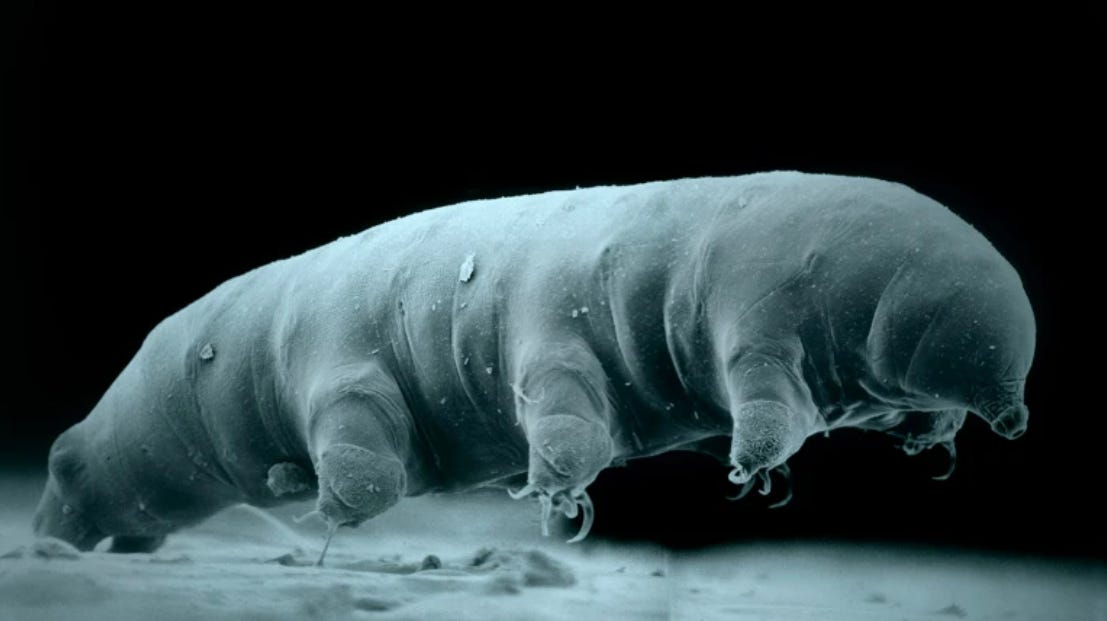
Tardigrades (aka water bears, or moss piglets) are tough little creatures, able to survive freezing, drying, high pressure, and doses of radiation almost 1,000 times higher than what would be lethal for us. A new study reveals how this radiation resistance works, identifying “thousands of tardigrade genes that become more active when exposed to radiation,” and pointing to “a sophisticated defence system that involves protecting DNA from the damage that radiation causes and repairing any breaks that do occur.” These insights could eventually help us protect ourselves and other life we bring with us as we expand further into space, as well as lead to new cancer treatments. (Nature)
The idea of storing data in DNA isn’t new—nature has been doing it very well for billions of years—but a different approach could make it truly practical for storing the vast amounts of data that humans produce. The new method lets information be stored in DNA as binary code, which is what computers use—versus current systems that use the natural building blocks of DNA as their code. The technique “is so straightforward that 60 volunteers from a variety of backgrounds were able to use it to store the text of their choice.” It involves a “series of short, prefabricated DNA ‘bricks’—with or without methyl groups” that can be added to a DNA strand and act as binary code, “with the presence of a methyl group corresponding to a 1, and the absence to a 0.” (Nature)
Photos & Videos


Greco-futurism is what this artist calls these pieces. I wouldn’t mind seeing someone build these in real life. Seriously, someone should start a company to create things in this architectural style. (@PabloPeniche)
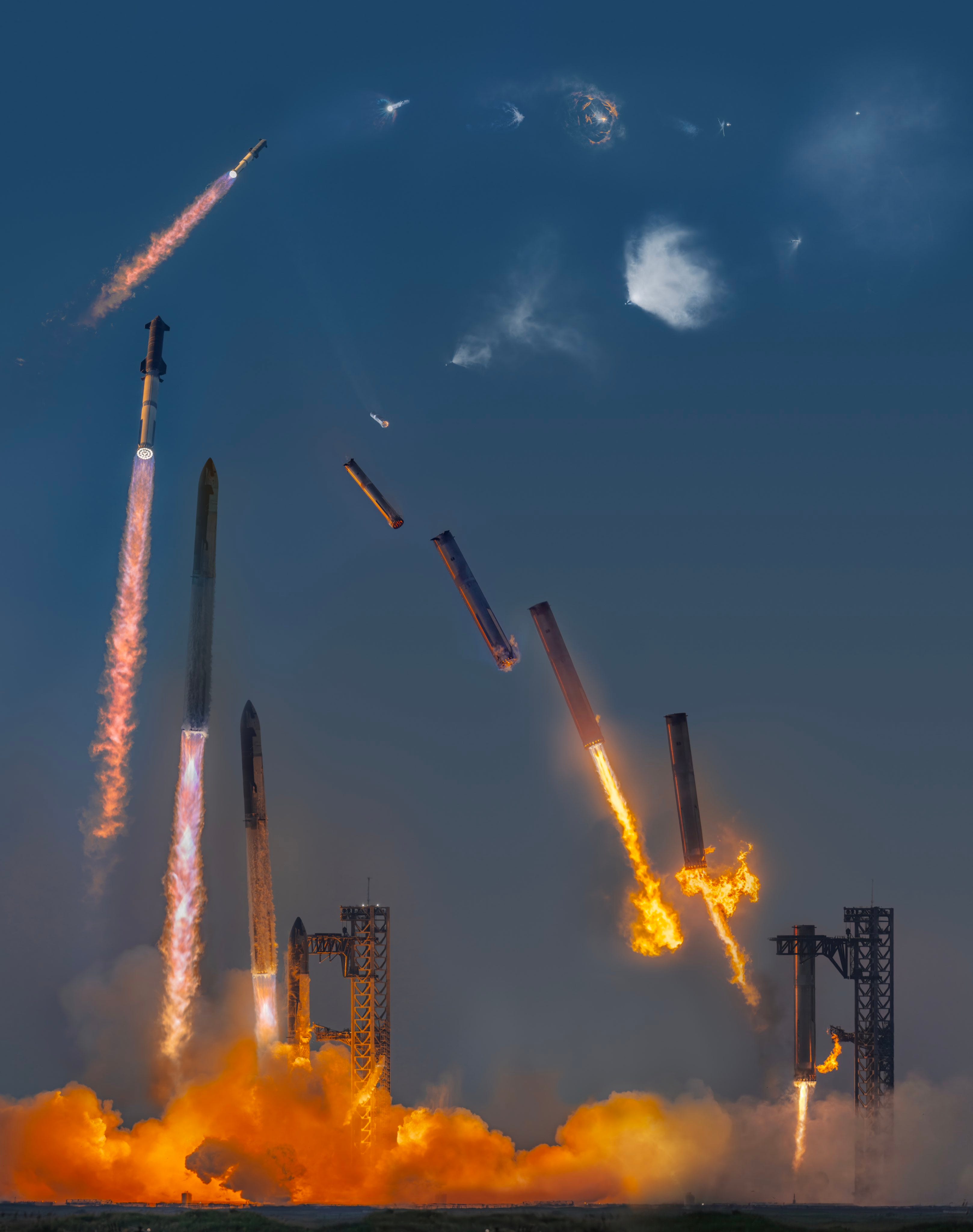
An awesome composite image from the 5th flight of Starship, from launch to booster catch. (Andrew McCarthy)

Classy black and white shot of the booster resting on Mechazilla after being successfully caught. Human for scale. (Max Evans)

The rather stunning star cluster NGC 602 in the Small Magellanic Cloud contains the first candidates for brown dwarves outside out galaxy. Apart from being beautiful, the star cluster contains “very low abundances of elements heavier than hydrogen and helium,” making it a good analogue for star formation during earlier eras of the universe. (NASA Webb) (ESA)
Recommendations & Reviews
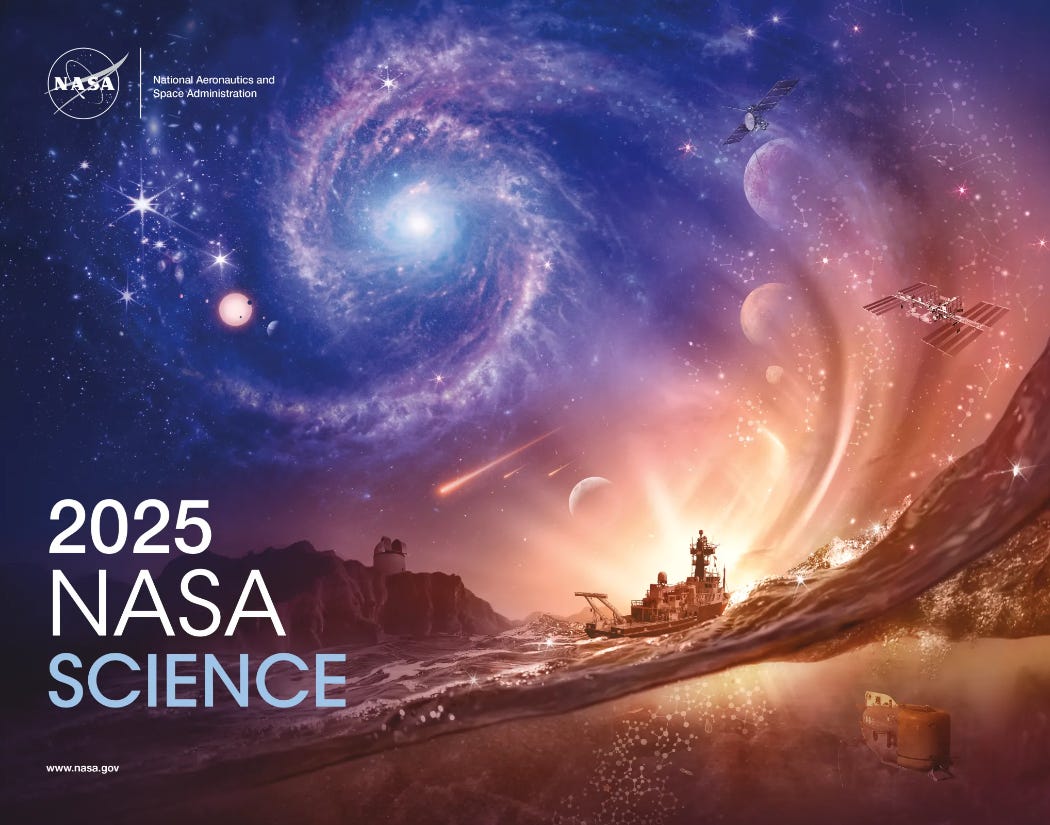
I know not everyone uses calendars, but these photos are pretty cool, whether you put it on your computer or physically print it out and use it as a calendar.
2025 NASA Science Calendar. (NASA)
That’s it for today, but Techno-Optimist will be back in your inbox a fortnight from now. Thank you all for reading—and until next time, keep your eyes on the horizon.
-Owen
I enjoy reading about the exciting technological advances that you write about. There's no other way I'd learn about this stuff. Thanks
Tardigrades are the only Terran species that may be living on the Moon in the lunar wild. https://en.wikipedia.org/wiki/Tardigrades_on_the_Moon