

Techno-Optimist #19
The new head of NASA, AI wins at weather forecasting, two satellites will work to create artificial eclipses, Clone Robotics builds an android, oncolytic viruses treat cancer...and a whole lot more.


Welcome to the nineteenth edition of Techno-Optimist, and a very Merry Christmas to everyone! Wherever you are, I hope the holidays treat you well, with lots of food and family.
Had to put this up here as it is the most important item in this newsletter: Just in time for the holidays, maple syrup is good for you! So feel free to indulge in that sugary maple goodness without regret. (SciTechDaily)
And…here’s an hour long Fusion Fireplace video to help make the Season bright. Chestnuts roasting on a plasma fire…
Ho ho ho, let’s dive in.
"Let both sides seek to invoke the wonders of science instead of its terrors. Together let us explore the stars, conquer the deserts, eradicate disease, tap the ocean depths and encourage the arts and commerce." –JFK
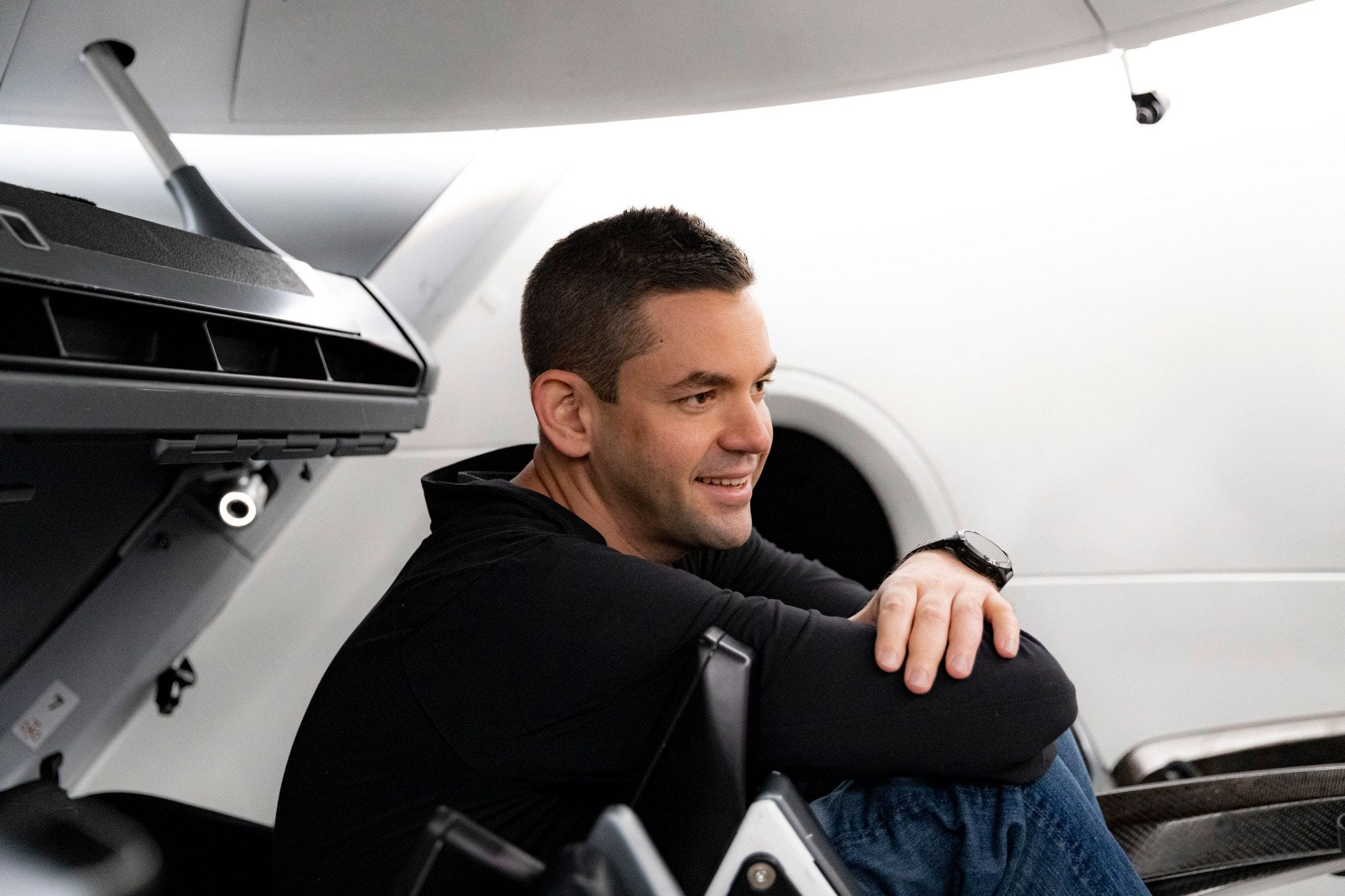
New head of NASA. Astronaut and entrepreneur Jared Isaacman has been nominated by incoming president Donald Trump to be the next administrator of NASA, meaning he will lead the organization as its head over the next four years. To space enthusiasts, Isaacman is best known for his astronaut activities in close partnership with SpaceX. His first flight was the Inspiration4 mission back in 2021, which also raised funds for St. Jude Children’s Research Hospital—where the crew’s medical officer Hayley Arceneaux had previously been a childhood cancer patient, and later worked as a nurse. Isaacman also commanded the Polaris Dawn Mission back in September of this year, which I previously covered. Seriously, go check out those photos again, many of them are just spectacular. The mission broke a lot of records, including the first commercial spacewalk, two women traveling the furthest from Earth in history, and an incredible violin performance.
While not the first NASA administrator to go to space himself (current NASA head Bill Nelson flew aboard the space shuttle back in 1986), I think it’s an excellent qualification to have. Along with his extensive business experience, I think it helps make Isaacman the perfect choice to reinvigorate and refocus NASA for relevance in the 21st century. Especially when it comes to manned spaceflight. Eric Berger from Ars Technica suggested that Isaacman most likely accepted the nomination “because he wants to modernize NASA and put the space agency in the best position to succeed in the future.” Berger hopes that Isaacman will set a course where NASA isn’t “competing with things that private industry is already doing better, such as launching big rockets. Rather, it should find difficult research and development projects at the edge of the possible.” It’s a big job, but Trump (perhaps with a little nudge from Elon Musk?) seems to have found the right man to do it. (Jared Isaacman)(Ars Technica) (Everyday Astronaut) (Planetocracy, Peter Hague)
Habitability on Mars. Researchers in Perth, Australia have detected evidence that hot water flowed on ancient Mars. They analyzed 4.45 billion year zircon crystal from a Martian meteor, finding they were formed by water from ancient hydrothermal systems on the red planet. As an interesting side note, the same zircon has a “shocked” appearance typical of crystals that have experienced a nearby impact from a largeish asteroid, giving direct evidence that along with Earth, Mars experienced bombardment after its formation. A different meteor that blasted off pieces of Mars around 11 million years ago was also recently found to contain evidence of liquid water. The Martian rock itself was formed about 742 million years ago—far more recently than the other one—but also contained minerology that had been altered through interaction with water. In this case it’s thought that the liquid water could have been the result of permafrost melted by volcanic activity, instead of permanent water bodies on the surface.
While the Martian surface most definitely is not habitable today, underground could be a different story. If life ever existed on Mars, it almost certainly spread to the subsurface just as it has here on Earth—potentially giving microbes the environment they need to survive for billions of years. My personal estimation is that Mars is almost certainly inhabited (by microbes) down to the present day. I suspect that if there’s even a single planet in a given system with life—as there is in ours—over time it will spread anywhere it can take hold within that system via asteroid impacts, giving these microscopic hitchhikers a free ride. It’s a milder version of the panspermia theory, which suggests that life can spread this way over interstellar distances, which I think is probably far less likely—except maybe in densely packed star clusters (though for various reasons life is far less likely there anyways), or perhaps via very close encounters between stars. But even taking all that into account, life spreading between stars is astronomically less likely than its spreading within a system (yes, pun intended). Back to Mars: my prediction is we will 100% find evidence of past life in the form of fossils, but that we’ll almost certainly also find there’s some microbes still living underground in the deep biosphere. They’ll be much easier to find and study once we get to Mars ourselves, instead of waiting the decades it might take for rovers to do it, so come on SpaceX let’s go! (Curtin University) (Phys.org) (New Scientist)
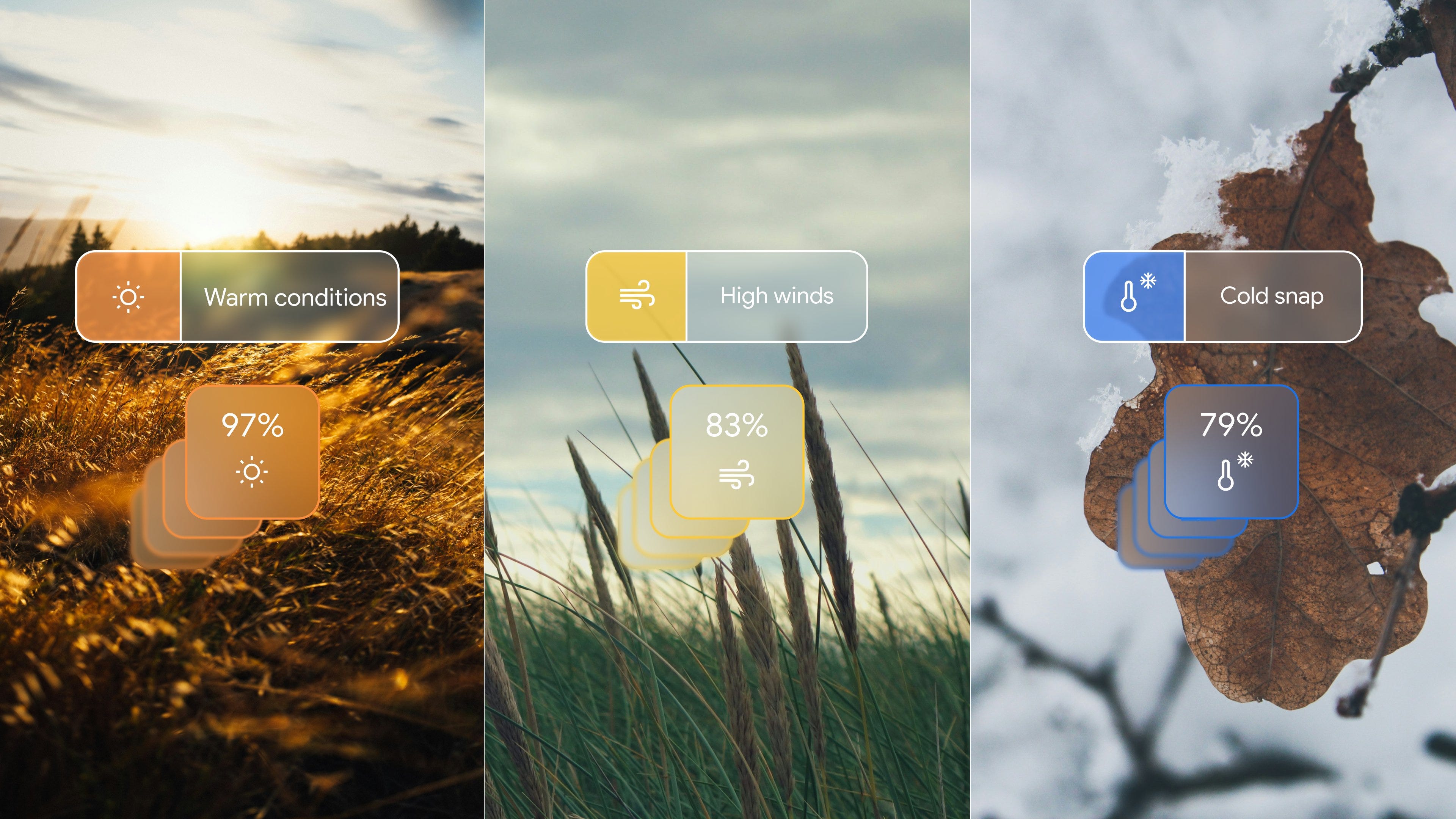
AI weather forecasts and other AI updates. Human technological progress has been happening rapidly, but it’s set to speed up even more what with how AI has been rushing forward in leaps and bounds. There’s no way I can cover everything of course, but here’s some recent highlights that stood out to me.
Google’s DeepMind has presented an AI weather model called GenCast that can make weather predictions up to 15 days in advance. The key point here is that it does it better than any state of the art weather forecasting in the world today, which takes hours of processing time with a supercomputer. Not only that, but GenCast does it in a matter of minutes, powered by only a single computer chip. Sounds like they’ll start releasing both real time and historical (to check and prove accuracy) forecasts soon. Weather forecasting is about to take a big step forward. (@GoogleDeepMind) (Google DeepMind)
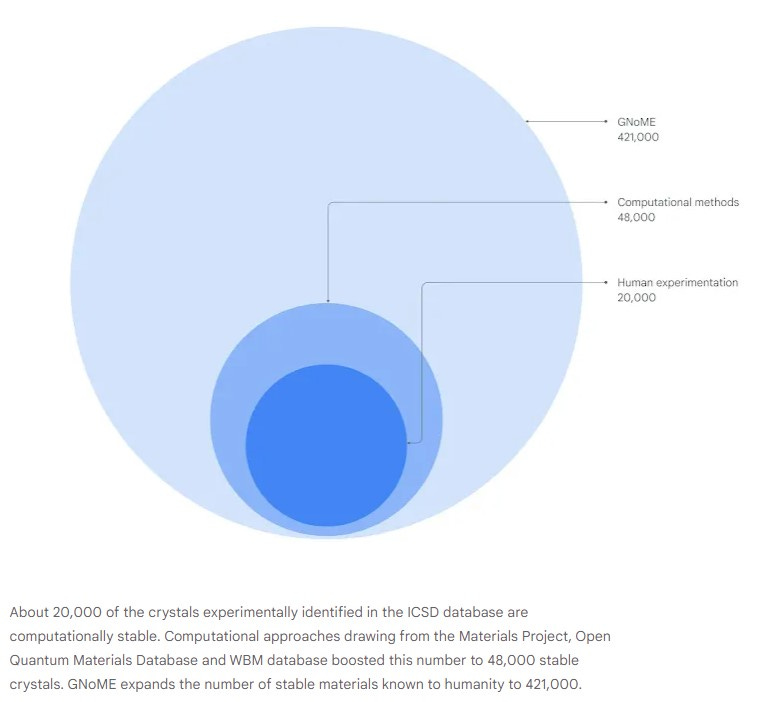
It's not just weather where DeepMind is making progress either, it’s new AI tool GNoME just found “2.2 million new crystals, including 380,000 stable materials that could power future technologies.” My mind is blown, but sounds like the AI didn’t even break a (virtual) sweat. All the materials predictions are available for researchers to start testing and trying so create physically—possibly with AI assisted lab equipment. (Google DeepMind)
Eleven Labs has now released what they call ‘Conversational AI,’ where you can “Build AI agents that can speak in minutes with low latency, full configurability, and seamless scalability.” In a nutshell, this means it won’t be too long before most call centers are toast. Not only that, but a new compression algorithm (not from Eleven Labs) reduces the size of LLMs so that they could run on your phone instead of at a cloud data center. It’s basically Jarvis, on your phone. Or it will be in about 5 years. The trick is it would drain your phone’s battery in about an hour. Clearly we need better batteries. I wonder if AI could help with that? (ElevenLabs) (Live Science)
xAI’s LLM Grok is now available for free to everyone on X. It’s not unlimited use, for now only allowing 10 free questions or image prompts every two hours. But while a bit more limited than other free AIs, it’s along the lines of what other companies are doing. Doing this makes sense as a way to compete with Claude and ChatGPT. Keeping Grok 100% behind a paywall was never going to work for mass adoption. In other Grok news, xAI is planning to massive expand the supercomputer for training Grok—scaling up from 200,000 GPUs to 1,000,000. This will make it (for now anyways) the most powerful AI training computer on the planet, which will be used to run Grok version 3. (@blankspeaker, X news) (@tsarnick)
AI doctors (for now let’s call them AI assistants to the doctors) continue to make progress. One study recently showed that AI can predict results from “proposed neuroscience studies more accurately than human expert.” While another found that doctors using AI paired with ECG (ElectroCardioGram) tools were able to identify “more unknown cases of a weak heart pump, also called low ejection fraction, than without AI.” (Medical Xpress) (Science Daily)
Maker of high-tech American weapons, defense company Anduril has partnered with OpenAI “to develop and responsibly deploy advanced artificial intelligence (AI) solutions for national security missions,” including “defense systems that protect U.S. and allied military personnel from attacks by unmanned drones and other aerial devices.” Yes, we’re talking about AI weapons systems, but I think that’s inevitable at this point. What it comes down to is that I’d much rather America lead in this field than China. (Anduril)
Space
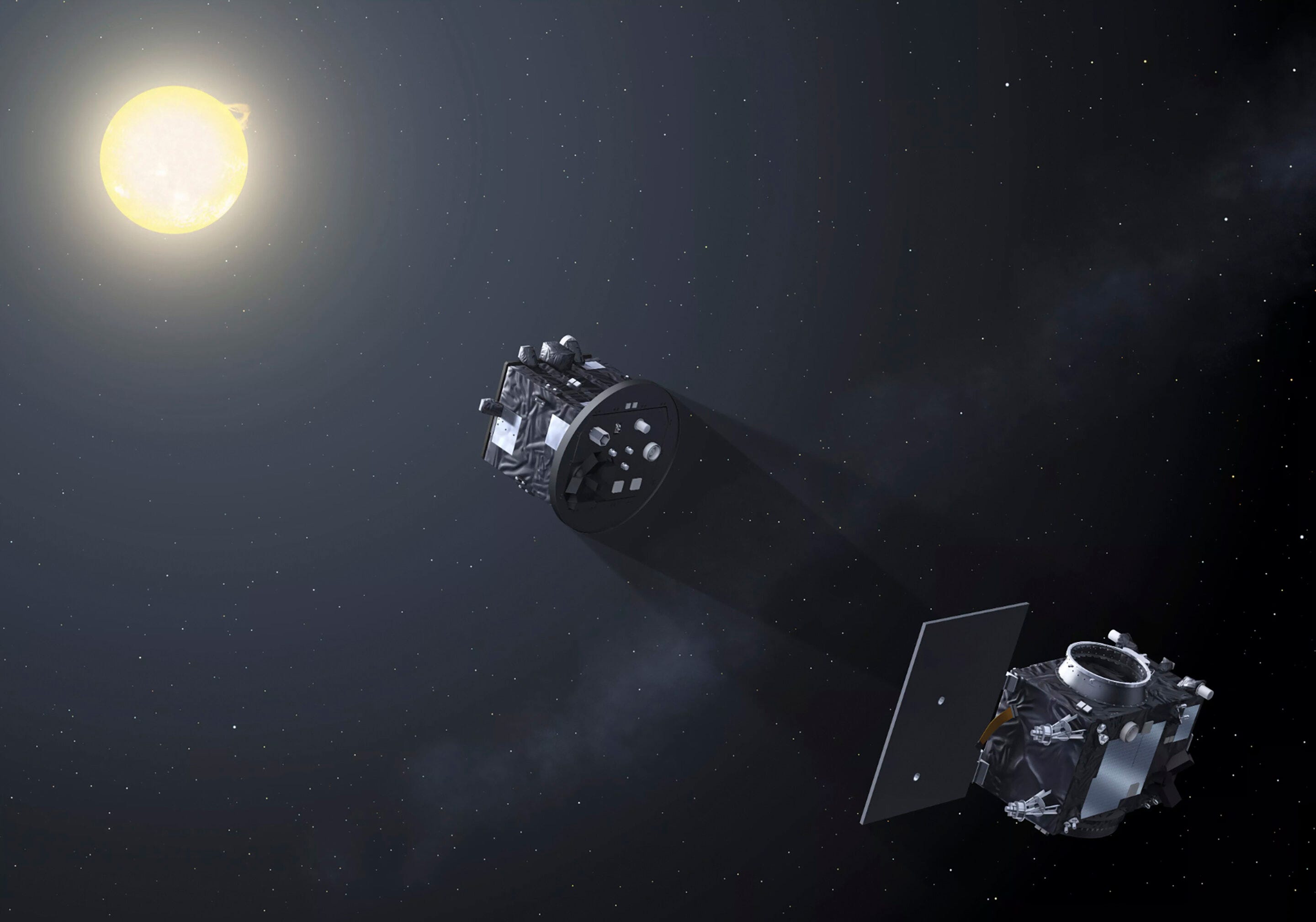
Two European satellites are now in orbit—the pair will be used to create six hour long artificial solar eclipses starting next year, allowing astronomers longer intervals to study the outer atmosphere (corona) of the Sun. To succeed, the satellites will need to maneuver around each other with precisions of a single millimeter, which they’ll do using “GPS, star trackers, lasers and radio links.” It’s also helpful practice for getting multiple satellites to fly in precise formation—a precursor to giant telescopes comprised of hundreds of small satellites working together. (Phys.org)


A bit more rocket news for you. While SpaceX tends to dominate the headlines, and Blue Origin or various traditional players coming in a distant second, there are other private companies making great progress. Rocket Lab is one such, working to complete an addition to their launch site in Wallops, Virginia. On November 24th the company also launched 2 of their electron rockets in a single day: one from New Zealand, and the other from their Virginia site. It’s the first time anyone has launched 2 rockets within 24 hours from separate hemispheres, so kudos to them!
That’s not all though—in early December China launched their new Long March 12 rocket, successfully getting two satellites into orbit, and testing out the upgraded engines that “will allow a larger Chinese launcher in development to send astronauts to the Moon). (Peter Beck) (Payload) (Ars Technica)

Las Vegas is heading to the stars with their Interstellar Arc venue—created by Felix & Paul Studios, who have done other space themed attractions before. It’s set up as a massive sci-fi spaceport covering 20,000 ft2 (1,860 m2), and based on the one picture they’ve released it looks like it could be pretty epic. Not a lot of other details at the moment, but it should be open in October 2025. Looking forward to it, this is exactly the sort of thing we need to inspire and raise interest in space. (Space.com)
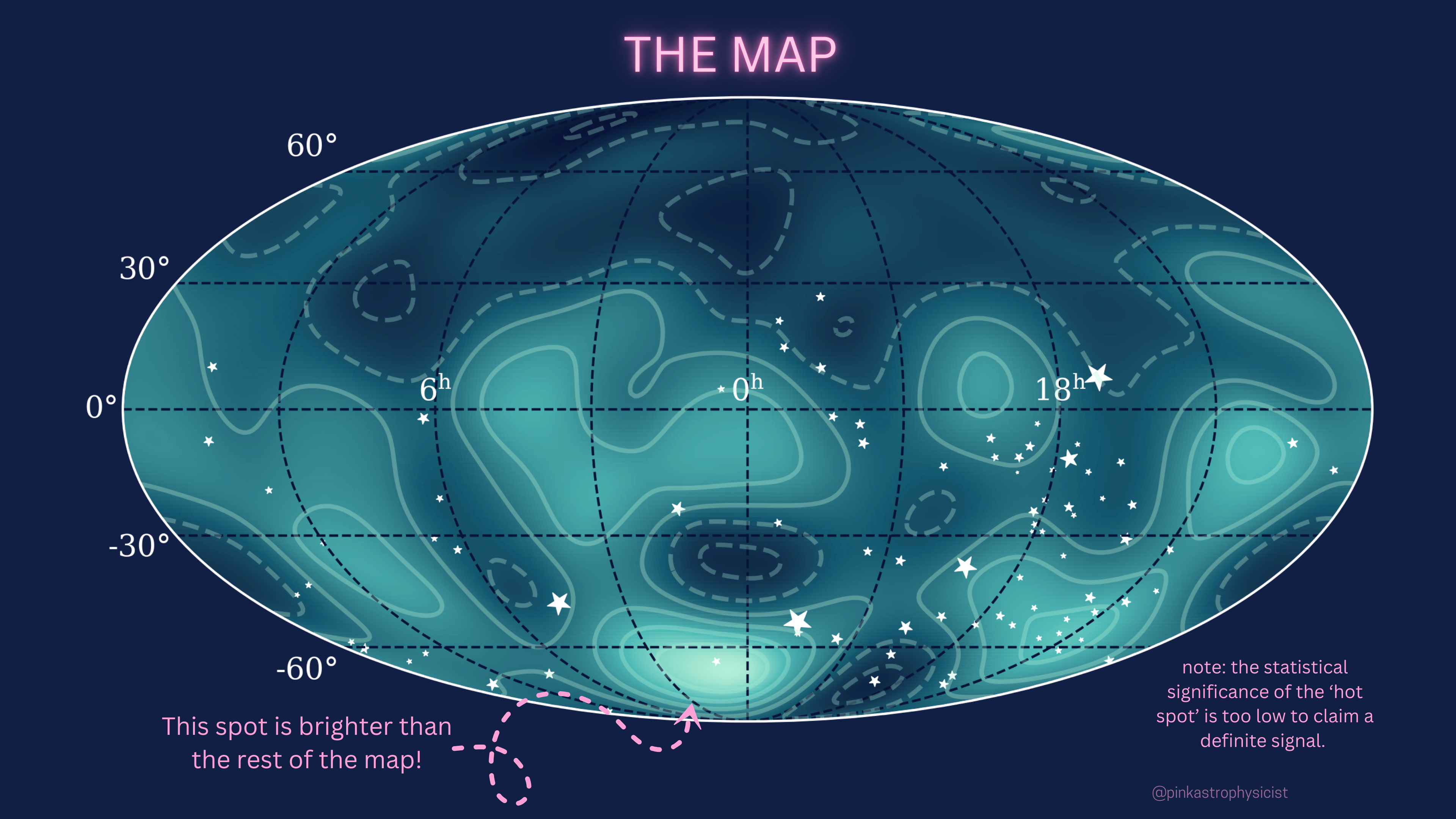
Led by astronomers from the Swinburne University of Technology (Australia), an international study has used pulsars and the MeerKAT radio telescope to create the most detailed map so far of gravitational waves across the universe. Perhaps the most interesting finding is a gravitational ‘hot spot,’ though more work needs to be done to make sure it’s real. In a nutshell, MeerKAT watched pulsars, “rapidly spinning neutron stars,” serving “as natural clocks, and their steady pulses allow scientists to detect minuscule changes caused by passing gravitational waves.” (Space Australia) (Swinburne)
SpaceX’s has released a Direct to Cell (DTC) partnership with T-Mobile, powered by Starlink satellites, to completely eliminate dead cellular dead zones. They can cover all previously dead zones (over half a million square miles in the U.S., over 2x the size of Texas!) because there’s nothing blocking their line of sight—think of them like cell phone towers in space. I believe this is rolling out just in America first, with other countries getting coverage starting next year. If you spend most of your life in a city this isn’t a big deal, but for anyone who travels through areas where you lose cell reception, this could be a literal life saver. (SpaceX) (@ajtourville)
Maana Electric, based in Luxembourg, is planning to make solar panels on the Moon completely out of lunar resources. Making the solar panels on site as it were could drastically reduce costs compared to shipping the panels up from Earth. Now that Starship exists to get their factories to the Moon, it’s a viable idea [Sidebar: Starship’s size and low cost will enable rapid growth of the space economy]. Now personally, I think nuclear power is a better idea for the lunar surface, because almost all of it is shadowed for a couple weeks each month. However, this tech could be used to cheaply make solar panels on the Moon, which could then be put into orbit around the Moon and provide 24/7 beamed power. That would be just as good, or better, even than nuclear because it’s probably easier to scale. (Dr. Phil Metzger)
AI, Energy, Engineering, & Physics


Clone Robotics is manufacturing 279 units for a limited edition run of their first commercial humanoid robot. Clone Alpha is really more of an android—a robot that deliberately resembles a human being—with artificial musculoskeletal, vascular, and nervous systems. While at this early stage they’re perhaps more of a novelty, longer term could this be how we eventually get androids like Data from Star Trek? (Clone Robotics) (@clonerobotics)
Humanoid robots are still mostly curiosities at this point, instead of actually being useful. But that is changing rapidly. Figure AI’s humanoid robot is being taught to do simple repetitive jobs at a BMW plant in Germany, with the most recent iteration being 400% speedier and 7x more accurate in its work—making 1,000 part placements per day. Like other robot makers, they plan to deliver “millions of useful robots to companies and homes worldwide.” (Brett Adcock) (Interesting Engineering)
Engineers at Cornell University have build the smallest robots capable of walking yet. They’re only 2-5 microns in size, smashing the previous record of 40-70 microns. At this size, the robots are small enough to interact with waves of visible light, but still large enough to walk around and even take pictures. (Cornell Chronicle)
Meta is looking for 1-4 GW of “new nuclear generation capacity in the U.S.,” to help power its operations by the early 2030s. This isn’t reopening a mothballed power plant, but about building brand new ones. The nuclear renaissance continues! A previous attempt by Meta to procure nuclear power was apparently kiboshed by the presence of rare bees at the site. So clearly still hard to build new things—good luck to them. (Meta) (Popular Science)
Speaking of nuclear, a floating microreactor is in the works thanks to a new partnership between American Westinghouse, and British Core Power to jointly design and build the power plant. Dubbed eVinci, it will be able to operate for 8 years before needing more fuel, and if successful could open the door to making floating nuclear power plants more widely used. Benefits are numerous, including safety from tsunamis and earthquakes, plus the ability to be moved if required. (Interesting Engineering)
As I’m sure you’re all aware if you’re reading this newsletter, China has not been sitting on its hands technologically. Its next generation of maglev trains will essentially be hyperloop technology, traveling at speeds of up to 1,000 km/hr (621 miles/hr), which is faster than a commercial airplane. Researchers in China have also developed “an advanced color-switchable material called Self-Adaptive Photochromism (SAP). This new material can change its color in response to its surroundings, similar to a chameleon,” offering effective invisibility. It’s not ready yet, but if perfected it would be impressive. In the air, a new afterburner technology claims to have 99% burn efficiency, and reduces engine wear by 80%. China is accelerating. Are we? (Mario Nawfal) (Interesting Engineering, camo) (Interesting Engineering, afterburner)
Mercedes-Benz might have a solution to charging up EVs: “a new kind of solar paint,” which would be painted over the entire surface of the car, allowing it to generate electricity whenever the Sun is out, extending range and reducing charging time and cost. (New Atlas)
Medicine
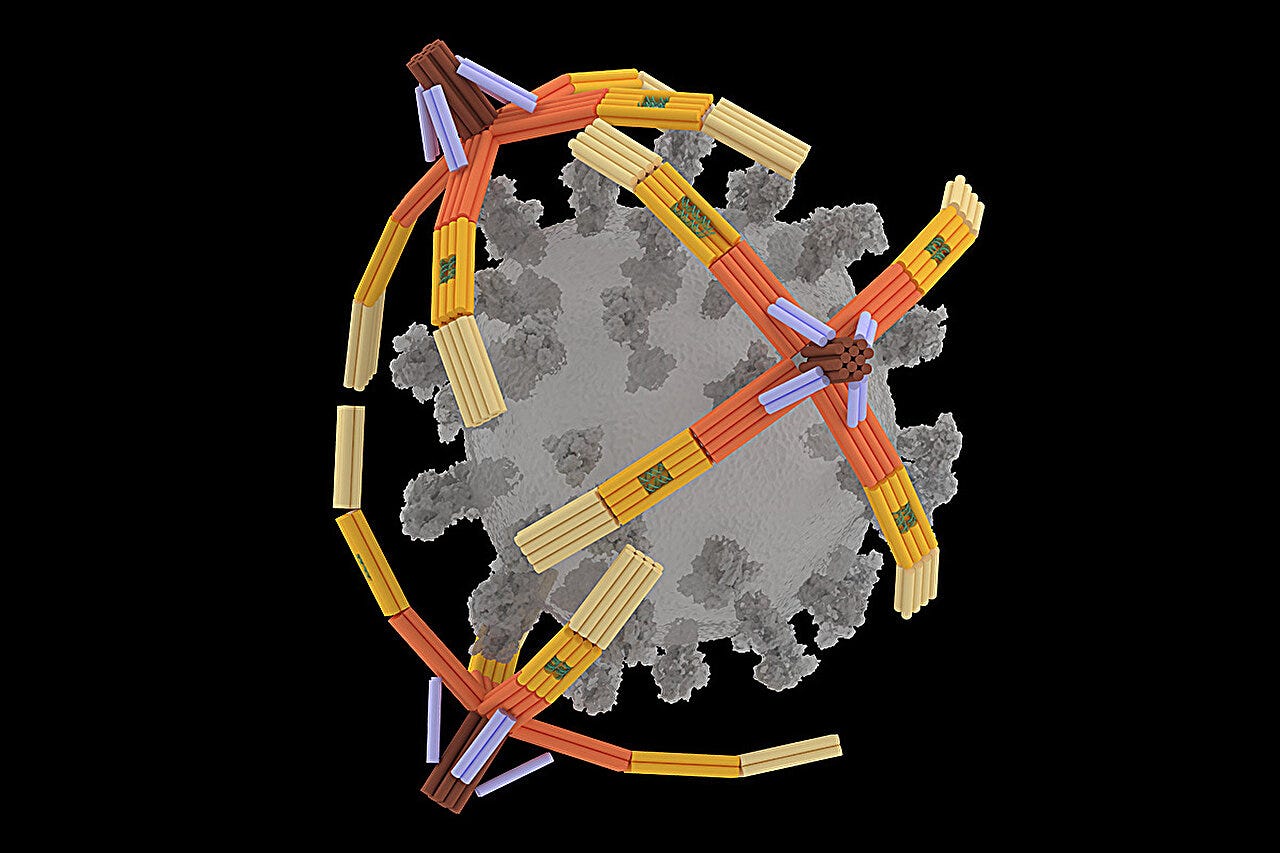
DNA nanobots are starting to get good enough for practical medical uses—with researchers creating “A tiny, four-fingered "hand" folded from a single piece of DNA can pick up the virus that causes COVID-19 for highly sensitive rapid detection and can even block viral particles from entering cells to infect them.” Its use could easily be expanded to other viruses, or as a drug delivery vehicle (e.g., for precision cancer treatment). (Phys.org)
A study out from the Mayo Clinic has shown that an oncolytic virus —a virus that kills cancer cells directly, or encourages the immune system to do so—was engineered “to selectively replicate in and break down cancer cells while simultaneously amplifying the immune response against bladder tumors.” Results show that it was incredibly effective, with almost 75% of patients in the trial achieving complete remission, and many staying free of cancer two years later. “Ongoing research will look to determine the long-term efficacy and whether combining this therapy with other treatments will enhance its effectiveness.” Now imagine a cocktail of different oncolytic viruses designed to target a given cancer. Similar approaches might be successful against any cancer. (Medical Xpress)

Swiss scientists have helped the partly paralysed walk by using deep brain stimulation, targeting the lateral hypothalamus (LH), and reorganizing brain pathways that helped study participants to walk again. Thing is, the LH is more commonly known to control things like feeding and arousal. One participant said “I feel the urge to walk,” incredible for someone who hadn’t been able to for years—and the effects persisted even after the deep brain stimulation ended. Early days yet, but I’m sure it won’t be too long before this, combined with maybe surgery or implants is able to fully restore function to those with completely severed spinal nerves. (Nature, via @IterIntellectus)
Unsurprisingly for some, and shockingly for others, so called “junk DNA” may be hiding tens of thousands of unknown genes. These “dark genes” tend to code for tiny proteins, which is why so many of them may have been missed in the past. This finding could significantly expand the known number of human genes that were revealed by the Human Genome Project, and have implications for everything from development to disease. Whether you’re shocked or unsurprised though, it’s still pretty cool. (Science Alert)
A trigger of Parkinson’s Disease has been found, RNA structures called G-quadruplexes (G4s) that seem to “play a central role in promoting the aggregation of α-synuclein, a protein associated with neurodegeneration.” Administering a compound called 5-ALA blocked the formation of G4s, and in mice prevented α-synuclein from aggregating, and halted further progression of Parkinson’s symptoms. This could be exactly what we’ve been looking for to treat—though not yet prevent—Parkinson’s, with early treatment being key. Even more encouraging, G4s have been implicated in other neurodegenerative diseases, such as Alzheimer’s. Hopefully human trials can start soon. (SciTechDaily)
Tirzepatide, a cousin to Ozempic, also works in part by activating the GLP-1 receptor, which has the effect of reducing hunger, boosting insulin secretions, and promoting weight loss. It also acts on another receptor called GIP, “leading to greater weight loss and fewer side effects than older GLP-1 alone compounds [like Ozempic].” It was over 90% effective in preventing progression to full blown diabetes in people who were obese with pre-diabetes, and has manageable side effects—mostly gastrointestinal issues. Not perfect, but could be a huge help to millions of people. (SciTechDaily)
A new mouse study blocked an enzyme called TYK2 in mice with Alzheimer’s, reducing the amount of neurofibrillary tangles—“bundles of twisted filaments within neurons made up of malformed tau proteins.” The neurons showed indications of recovery, though it’s still early and more research needs to be done. In a different study, it was found that ketones (aka ketone bodies)—“acids your body makes when it’s using fat instead of glucose for energy”—aid in clearing damaged proteins in the brain. In mouse models of Alzheimer’s ketone bodies improved “in protein quality control and brain health.” (Science Alert) (Neuroscience News)
Biotech & Agriculture
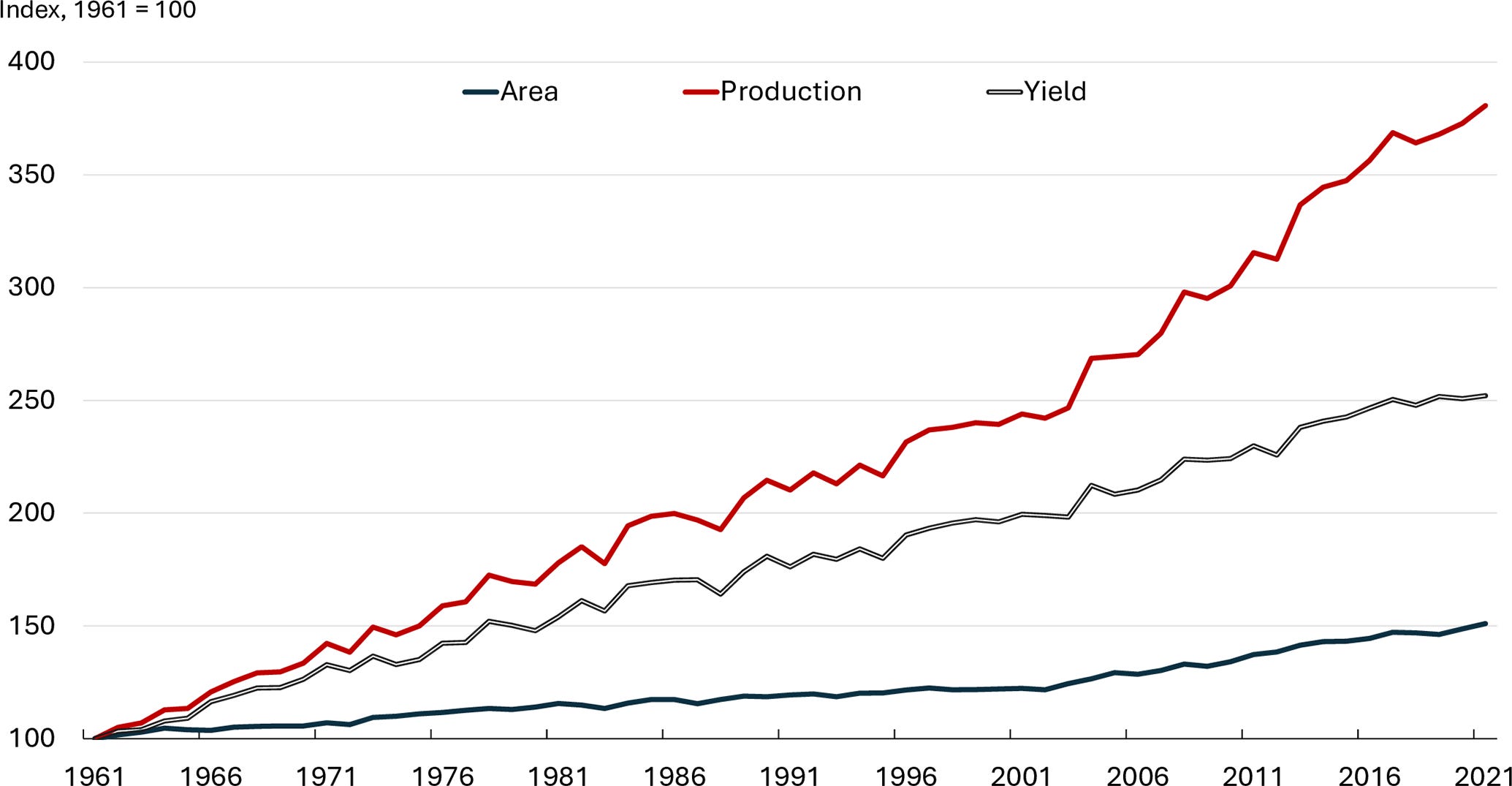
In some excellent news for the end of the year, “Contrary to widespread concerns that global crop yields have stagnated in recent decades, a comprehensive study of worldwide food production finds yields have continued to grow at roughly the same rate since the 1960s.” While we can’t slack off on working to increase crop and livestock productivity, it’s encouraging to see that we’re actually doing a pretty good job at it. (PLOS ONE) (Science Daily)
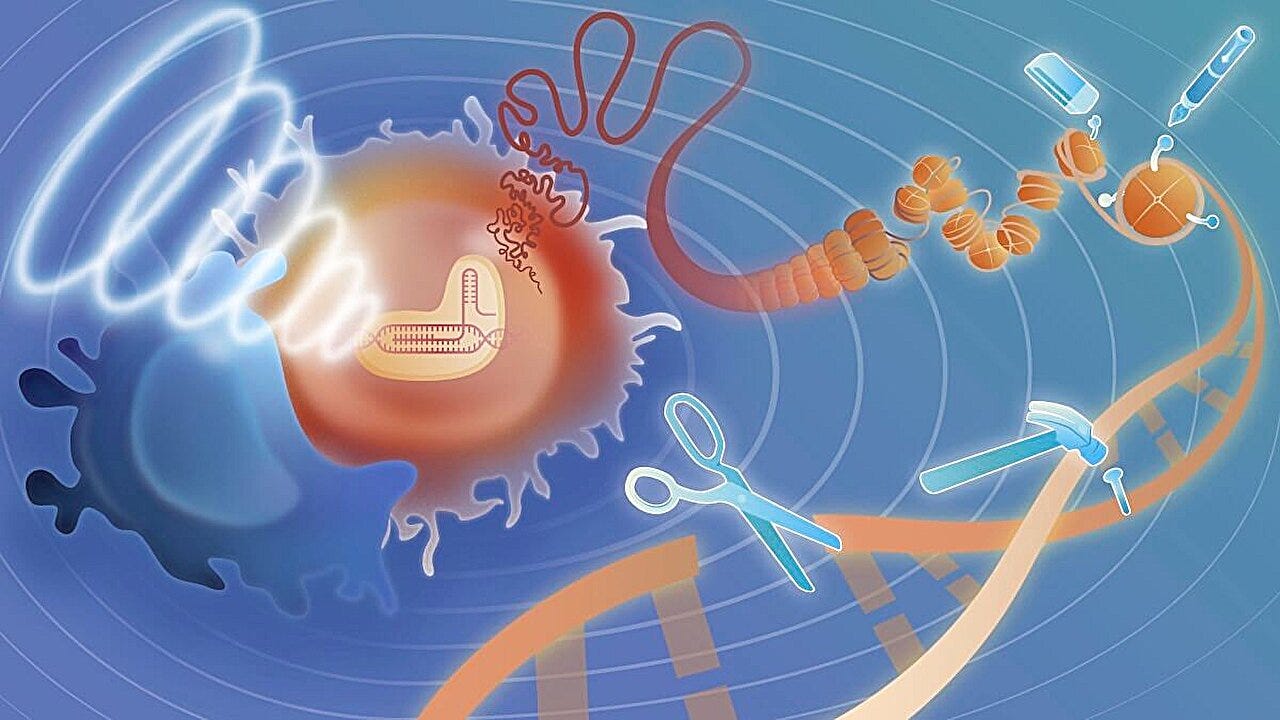
You’ve all heard of CRISPR I’m sure, the Nobel Prize winning tool for gene editing that cuts and changes DNA “to turn genes on and off or insert new DNA that can correct abnormalities.” Now biomedical engineers have given it a new capability: using focused ultrasound to cause it to work only in the specific organ or part of the body where gene modification is needed. It works “by using ultrasound waves to initiate a temperature change at the precise site where the researchers want the CRISPR protein to activate,” causing a change in the CRISPR molecular complex, turning it on when and where needed. (Phys.org)
Weird & Wonderful
I shared previously about how the fruit entire fly brain connectome has been mapped. Now, the company E11 Bio is working towards doing the same with mammalian brains. Their new method allows “brain mapping at 100x lower cost, making whole-brain connectomics at human & mouse scale feasible.” Briefly, it works by causing each brain cell “to make a different combination of proteins which function as a cellular ID (barcode),” along with some improved microscopy methods. They expect to have the mouse brain done five years from now. After that, humans may be next. (Andrew Payne) (E11 Bio)
Languages are weird, so let me tell you about something that makes them even weirder. Essentially all languages, not just English—even some we can’t read yet—follow something called Zipf’s Law. In a nutshell, it’s about the frequency of the most common words in a language. For instance, a common word like ‘the’ is used “twice as often as the next most common word, and three times as often as the next, and four times as often as the next, and so on…for a surprisingly long time.” (IFL Science)

Just thought this was kinda neat, Bitcoin has recently crossed the $100,000 barrier for the first time, making it the 10th largest currency in the world. I remember back when it first came out—back when I could have mined it on my laptop—I figured it had to be a scam. Oh well, c'est la vie, and congrats to everyone who hodl’d. (Interesting Engineering) (Bitcoin Magazine)
Photos & Videos
The good folks at NASA have kindly put together a great video showing the timelapsed phases of the Moon during the entirety of 2025. It’s pretty cool, so go have a watch. (NASA via Corey S. Powell)
At Oak Ridge National Laboratories, their supercomputer has just created the biggest simulation of the universe yet. All simulations are wrong of course (just how close or far from reality depends on what you put into it), but it is pretty spectacular, and could help generate some testable theories about how the universe grew and developed through time. (Science Alert)
How will Helion Energy’s fusion reactor work you ask? Just like this. (Elmar Moelzer)


Do I ever get tired of these epic shots of SpaceX rockets? No, I do not. (John Kraus) (SpaceX, Elon Musk)
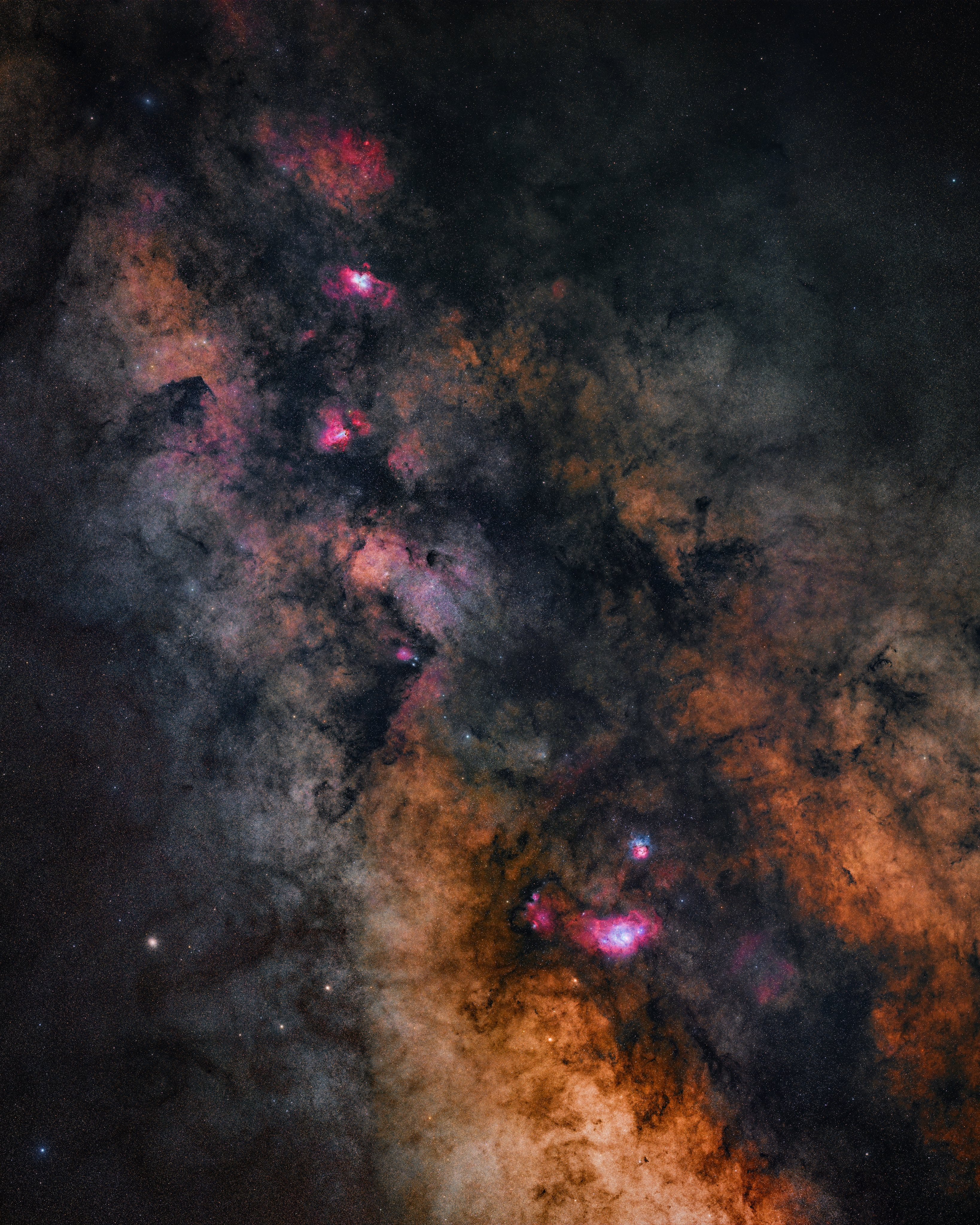
A beautifully detailed photo of the Milky Way taken by astrophotographer Andrew McCarthy. “An over 300 megapixel mosaic captured using a specially designed camera from the dark skies of Texas.” Name: Treasures of the Galactic Core. (Andrew McCarthy)
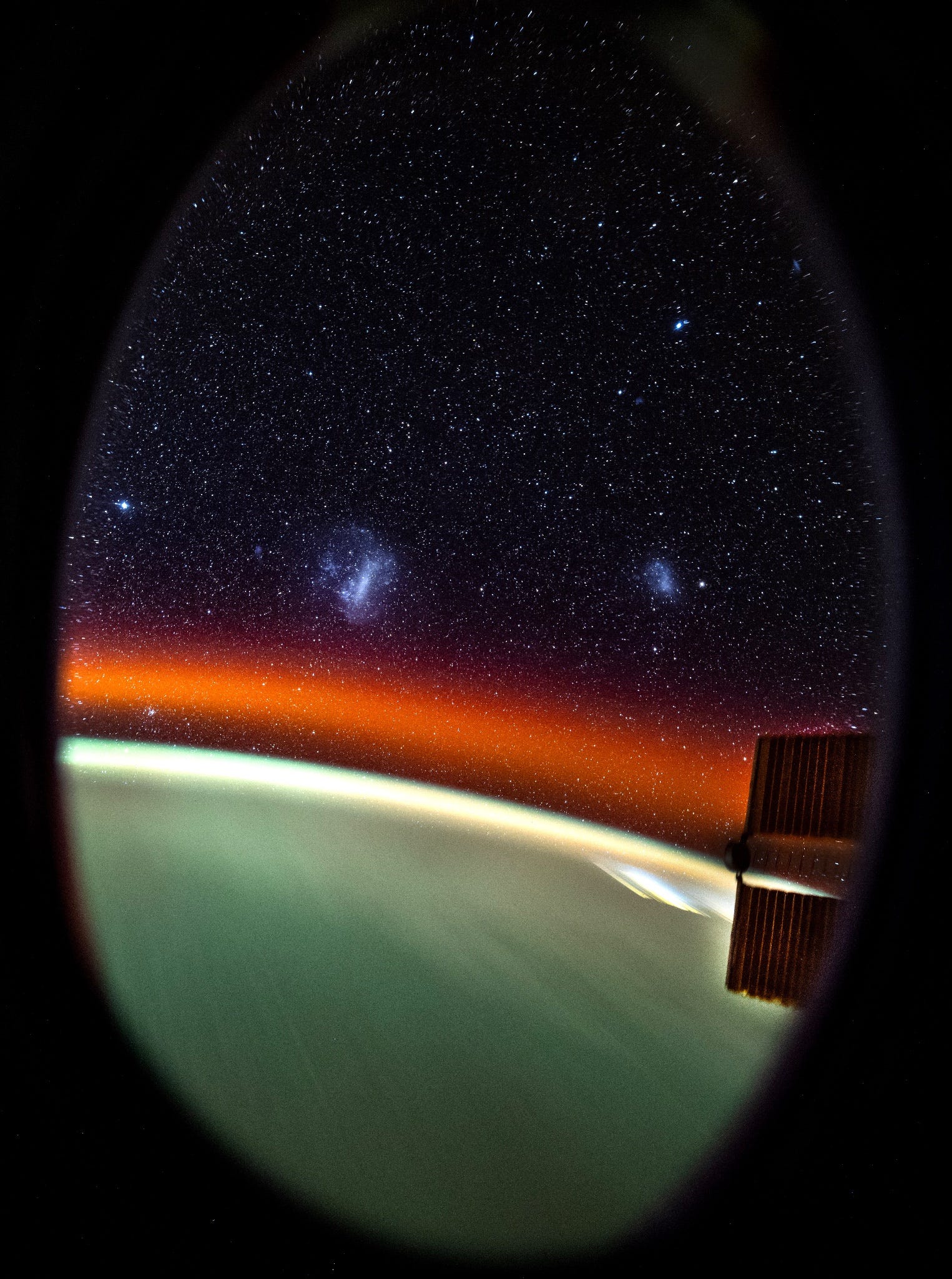
Done Pettit is a NASA astronaut up on the International Space Station right now. He’s quite the photographer as well, as you can see from this beauty highlighting the Large and Small Magellanic Clouds out one of the space station windows. (Don Pettit)

Here’s another one from the ISS, a timelapse of stars and the dragon capsule as the space station moves from night into orbital sunrise. I couldn’t find it on Youtube, so click the picture to go see the video on X. It’s worth a watch. (International Space Station)
Recommendations & Reviews
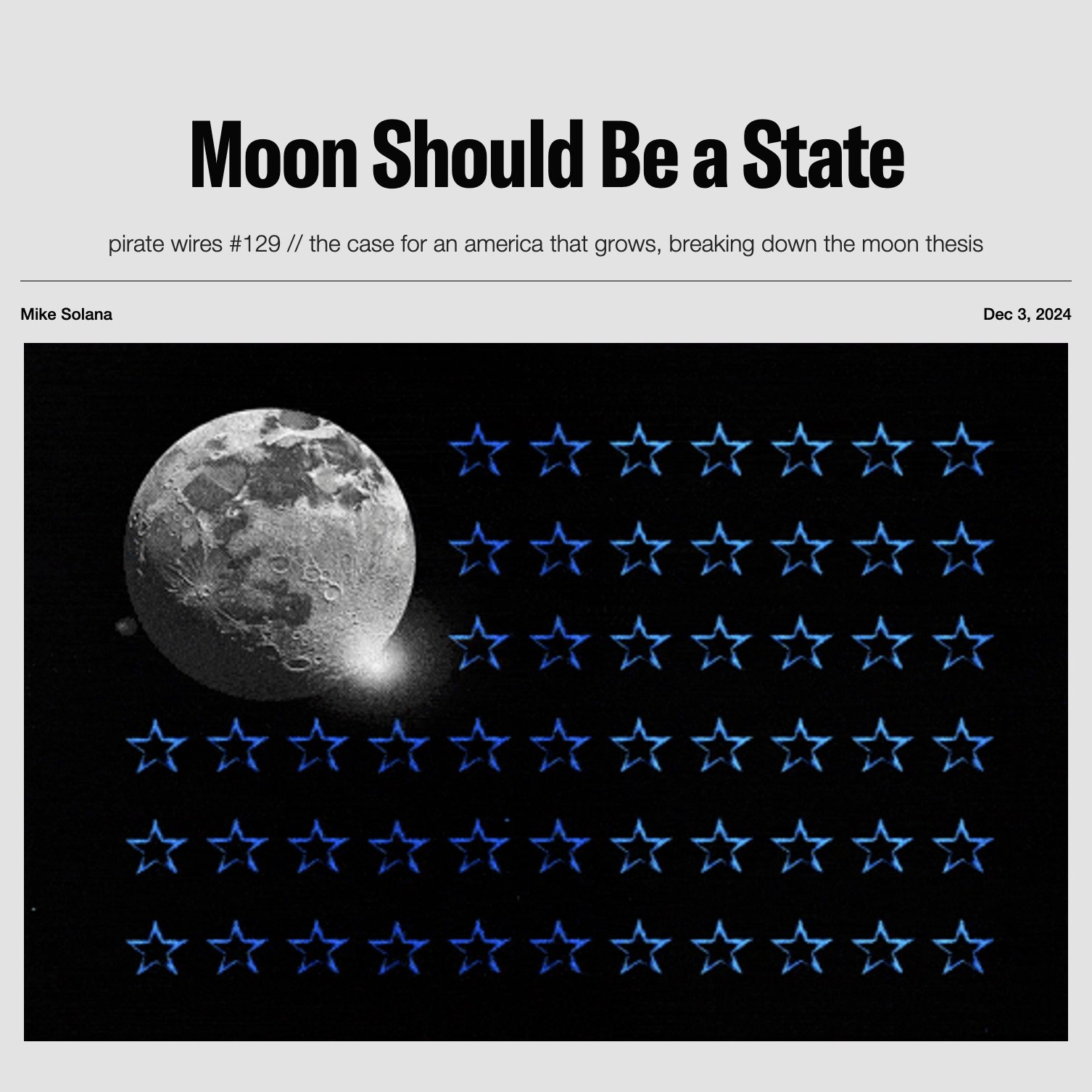
Have a read through a recent article by Mike Solana, the head of Pirate Wires (I previously contributed to their science news publication ‘The White Pill’ back when they were producing it). In it he makes the argument that yes, the Moon should be a territorial possession of the United States of America. In other words, the Moon should be a state. There’s a lot of levity here, but at its core the essay asks the question, “Why can’t, or shouldn’t America grow?”
The short answer is, Solana believes it should (I tend to agree, because an expansionistic ethic is far better than the navel gazing one we’ve been dealing with lately). For the Moon becoming a state, there’s a few main reasons he lays out. “First, national security. Ask yourself, and try to be honest: when you look up at the night sky, do you really want to see China?” It’s a fair point, honestly. Though I could be persuaded that there’s room for all on the Moon, I’m sure China could still play in the Lunar sandbox even if it was officially controlled by America. Would the same be true in China is in charge?
Resources are perhaps the biggest practical reason.
Even given just the bit we know for sure about the territory, it’s relatively resource rich. From Helium-3, a rare isotope of helium theoretically key to nuclear fusion, to water ice, silicon, and most core metals for building, Moon has everything we need to assemble and run a colony, which will separately make for cheaper launch pads on our way to Mars. But there are probably also untold wonders beneath the lunar surface, tucked away within the ancient lava tubes, and across a barren world we’ve still just barely explored. That’s a good enough reason to go.
His most important reason though is what he calls the moral and spiritual case for the Moon.
In terms of Moon morality, I like to keep it simple: finders keepers. This is fairly basic stuff that, if permitted, any Kindergartner could grasp. We did the work, and secured a celestial body. Now, it belongs to us. When we formalized the communist fantasy that all lands and things belong to all people regardless of the creativity, money, and work it takes to secure such lands and things, we forked civilization onto a dark path contra all natural human impulses.
The spiritual (not in the religious sense) argument he makes is that the Moon represents hope, and that
…beyond all reasoned arguments to the contrary, that we are growing, and with this evidence comes new hope for the future. That hope exists above us, literally, instantiated in an actual body in space — a constant, nightly reminder of our potential, as America moves the tides. The story of greatness tells itself, and self-perpetuates. The motivating fruits of Moon will be unlike anything we’ve ever seen, incalculable. And today we need that motivation more than ever.
He concludes with what I consider to be a pretty compelling argument, that “A nation that doesn’t grow is a nation that decays. Your choices are Moon, or cease to exist. I choose Moon.” Of course, it doesn’t have to be the Moon, there’s also Mars.
Only real critique I’d make for the essay is that the Moon should be called exactly that. “The Moon.” Not just “Moon.” Luna is also acceptable. So Moon won’t be the 51st state, but the Moon (or Luna) might be. (Pirate Wires)
Well, that’s all for today. I’ll be taking a short break so this is the last edition before Christmas. There will be no newsletter on December 28th, but I’ll be back on January 4th and then every two weeks as usual after that.
I’ll leave you with a delightful 8-hour long NASA Rocket Engine Fireplace video. Nothing like four RS-25 rocket engines to warm up those cold and dark winter evenings.
In the words of Tiny Tim from A Christmas Carol, “God bless us, everyone.”
Thank you all for reading—and I hope you all have a very Merry Christmas and a Happy New Year.
-Owen
I've heard exactly 2 people in this life use the words c'est la vie, you and my son. Very nice.
This newsletter keeps me from looking at technological advancement as a scary prospect and reminds me of all the weird and wonderful things it will bring.
Have a Merry Christmas!
Great issue of the techno-optimist!
Great wide-ranging overview of tech happenings around the work.
Crazy that xAI is planning a 1 million GPU data center. Any word on when Grok 3 will be released or what it's capabilities will be?
As to the Long Match 12 rocket from China, I don't understand why China needs so many medium lift rockets…Long March 2,3,7,8, and now 12…?
Nonetheless, the LM-12 is testing Chinas yf-100k engine, which will be evolved into the reusavle yf-100n. 21 of these reusable engines will power the LM-10, Chinas answer to the Falcon Heavy.
It will also take Chinese astronauts to the Moon.
Exciting times.