

Techno-Optimist #25
Woolly mice, Moon landers, Star Trek predicts the future again, a robot swarm can support a human, Ozempic gets some competition, geologists find the world's oldest impact site...and a whole lot more.


Welcome to the twenty-fifth edition of Techno-Optimist, your destination for all the latest updates and commentary on space, science, technology, medicine, energy, AI, and much more.
As always, there’s a lot happening. So without further ado, let’s dive in.
“The world is changing.”
—Galadriel (Lord of the Rings, The Fellowship of the Ring)

Woolly mice. Colossal Biosciences has taken their biggest step towards bringing back mammoths yet, and it’s in a small—and extremely cuddly looking—package. Meet the woolly mouse: engineered to have mammoth like fur, and an altered fat metabolism that would allow them to survive and thrive in colder climes. The company had previously sequenced the mammoth genome from the frozen remains of animals preserved by permafrost for millennia. Now, these woolly mice have been created as a proof of concept for what the company wants to do with elephants, editing Asian elephant embryos into woolly mammoths by 2028. With this breakthrough I’d say that the chances of success have just skyrocketed. In a short few years mammoths could once again be roaming the tundra up in Alaska, Canada, and beyond.
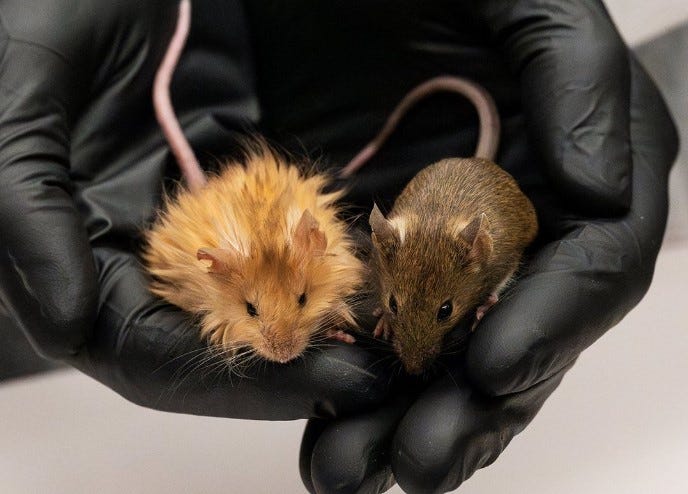
Not only is this a “cute lab experiment,” but it’s really getting kids interested in science and conservation, which is excellent news and fully aligns with what Colossal is trying to achieve. Hopefully it helps inspire a new generation of scientists and engineers—maybe some of them will work to bring back other animals that we’ve lost to extinction over the past few thousand years. (Colossal Biosciences) (Tech Crunch) (OK Magazine)
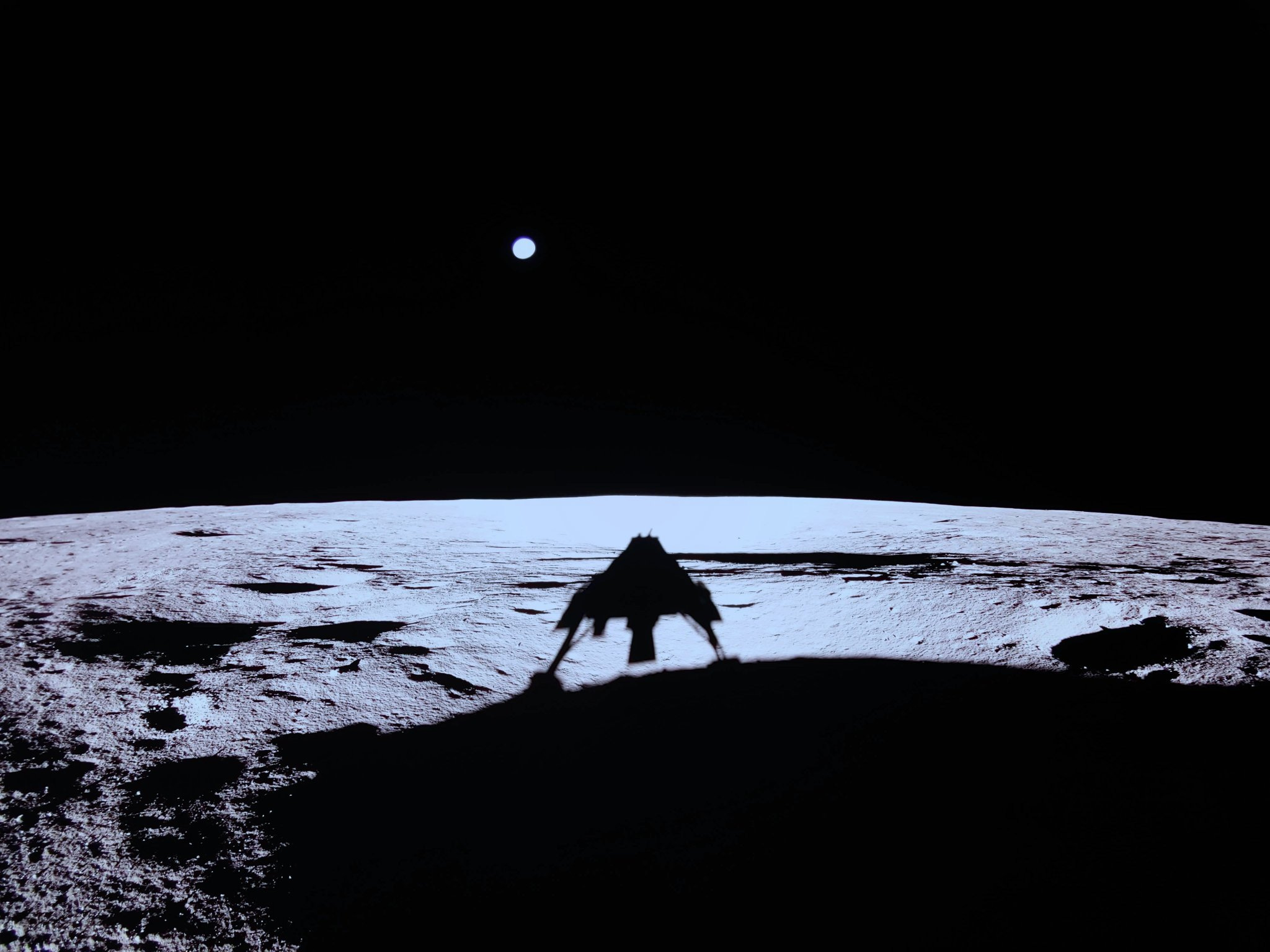
Moon missions. After what seems like decades of nothing, the Moon is suddenly the place to be once again. Yes, I know that there’s been an increasing tempo of missions—both led by national space agencies and a few private—but nothing beats the excitement of two landers in a single week that we just experienced! Some of this footage is just incredible, really the best since Apollo, more than half a century ago.
First was Firefly Aerospace, and their Blue Ghost lander that successfully touched down on the Lunar surface on March 2nd. It’s only the second private US company to do so, and the first private company ever to manage it in a fully successful way. Watch that whole video of the landing, it’s seriously incredible. When it lands, you may be thinking to yourself that the dust cloud settles awfully fast. Turns out most of it isn’t really a cloud at all. Rather, it’s “supersonic sandblasting spray flying ballistically away from the camera at 2-3 kilometers per second, crossing the horizon and impacting many kilometers across the Moon.” What’s left nearby is actually a modern version of the hammer and feather experiment (or Galileo dropping two differently sized balls off the Leaning Tower of Pisa). While on Earth small particles of dust would hang in the air, on the airless surface of the Moon fine dust falls at exactly the same speed as larger particles, at 1.62m/s2.
One of the cool science Blue Ghost is doing included carrying NASA’s LuGRE, which successfully tested GPS on the Moon for the first time—important for future navigation on our closest celestial neighbor, on Mars, and beyond. (Firefly Aerospace) (NASA, Firefly) (Dr. Phil Metzger) (NASA Space Operations)
Here’s a few more things for you to look at. They’re all amazing.
Blue Ghost flying over the Moon at low altitude.
Blue Ghost capturing its first Lunar sunrise on the Moon.
Blue Ghost drilling into the Moon’s surface.
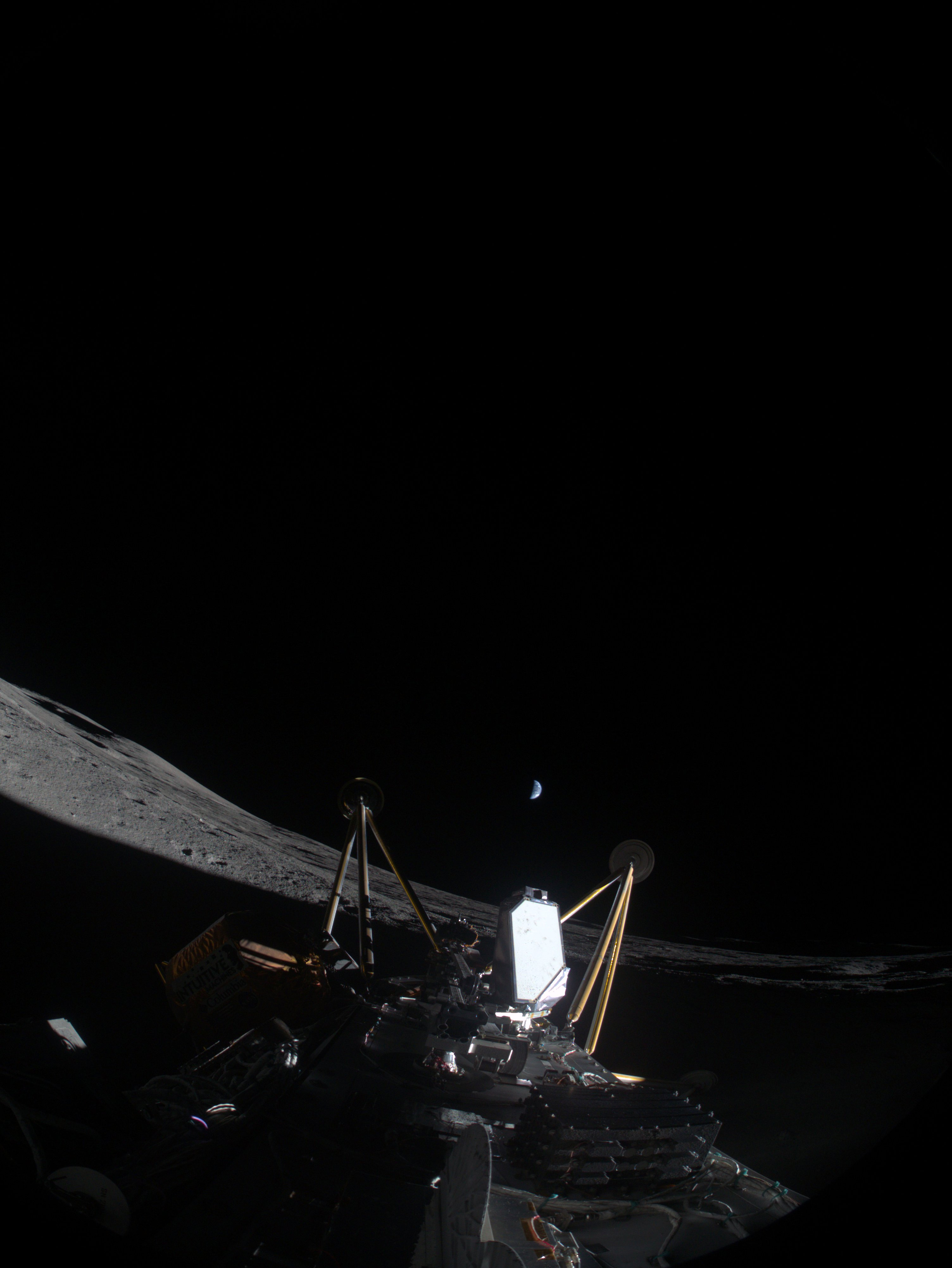
Now some news that wasn’t quite as good. Intuitive Machines got their IM-2 lander down to the Lunar surface in one piece on March 6th, but unfortunately it ended up on its side, preventing the solar panels from receiving power, and cutting the mission very short. It’s similar to what happened on their first attempt with IM-1. Space is hard, so it’s still an incredible accomplishment, and kudos to the whole team at Intuitive Machines that’s working to make getting machinery to the Moon possible, then routine, and finally trivial. (Intuitive Machines, landing)

Mars updates. Scientists have developed a method to detect fossilized microbes in Martian sulfate minerals, offering a new way to search for ancient life on Mars, and it involves lasers. Using a miniature laser powered mass spectrometer, researchers analyzed gypsum from Algeria—an Earth analog to Martian sulfate rocks—and identified fossil filaments likely left by ancient bacteria. If similar features are found in Martian gypsum, they could provide strong evidence of past microbial life. Future Mars missions may use this technique to analyze samples directly on the planet’s surface. Very neat stuff, though to be honest one human geologist sent to Mars could make a thin section of a rock containing a possible microbial mat, and have an answer for us as to whether Mars had life within 24 hours.
A new study suggests that Mars' red color comes from ferrihydrite, a mineral that forms in cool, wet conditions, adding to evidence that Mars was once habitable. Researchers analyzed data from Mars orbiters and rovers, comparing it to lab experiments that simulated Martian conditions. Unlike other iron oxides, ferrihydrite forms at lower temperatures, indicating Mars had liquid water before it became dry and cold. If confirmed, this discovery could reshape our understanding of ancient Martian climate—and once Mars samples return to Earth, scientists will be able to test this theory directly.
I don’t think it’s at all in doubt that Mars was once warm(er) and wet, but here’s even more new evidence for you. China’s Zhurong Mars rover has discovered evidence of an ancient Martian beach, strengthening the case that Mars once had long lived oceans. Using ground penetrating radar, the rover detected thick, sloping layers of sand buried 33 feet (10 meters) beneath the surface, matching the characteristics of Earth’s shorelines. The discovery was made in Utopia Basin, the largest impact crater in the solar system, suggests that oceans on Mars lasted at least millions of years (probably far longer), fed by rivers that deposited sediment along the shore. These environments are also prime locations to search for signs of ancient life. (Phys.org) (NASA) (Space.com)
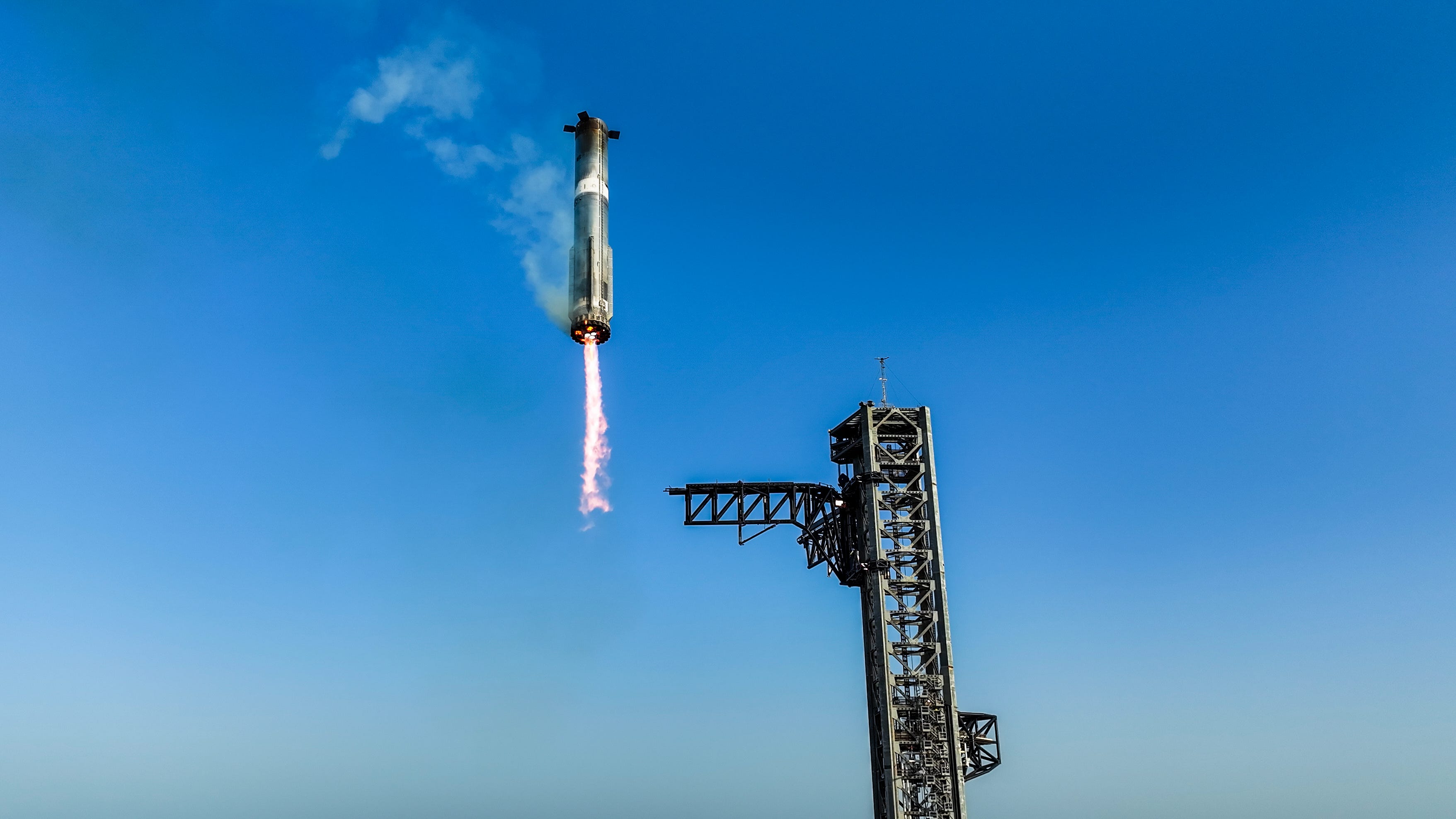
Rocket launch updates. Starship flight #8 took off on March 6th, with the Super Heavy booster being successfully caught for a third time. Yes, SpaceX plucked another flying building out of the air.

Unfortunately, “During Starship's ascent burn, the vehicle experienced a rapid unscheduled disassembly [aka it blew up] and contact was lost.” After breaking up, the remains lit up the sky over the Bahamas—beautiful, but sad for everyone who was hoping to see Starship enter orbit. The SpaceX team is resilient though, and I believe they’ll figure this out, whatever the problem is. Ad astra per aspera! You can watch the whole flight here.

On a more upbeat note though, SpaceX somehow managed to get a camera placed under the launch mount to survive and film almost a minute and a half of fury as flight 8 lifted off. No idea how they managed that, an engineering marvel all on its own. (SpaceX) (Payload) (Joe.B)
Camera filming under launch mount.
Super Heavy Booster catch video.
Starship debris over the Bahamas.
Starship breakup viewed from the ISS.
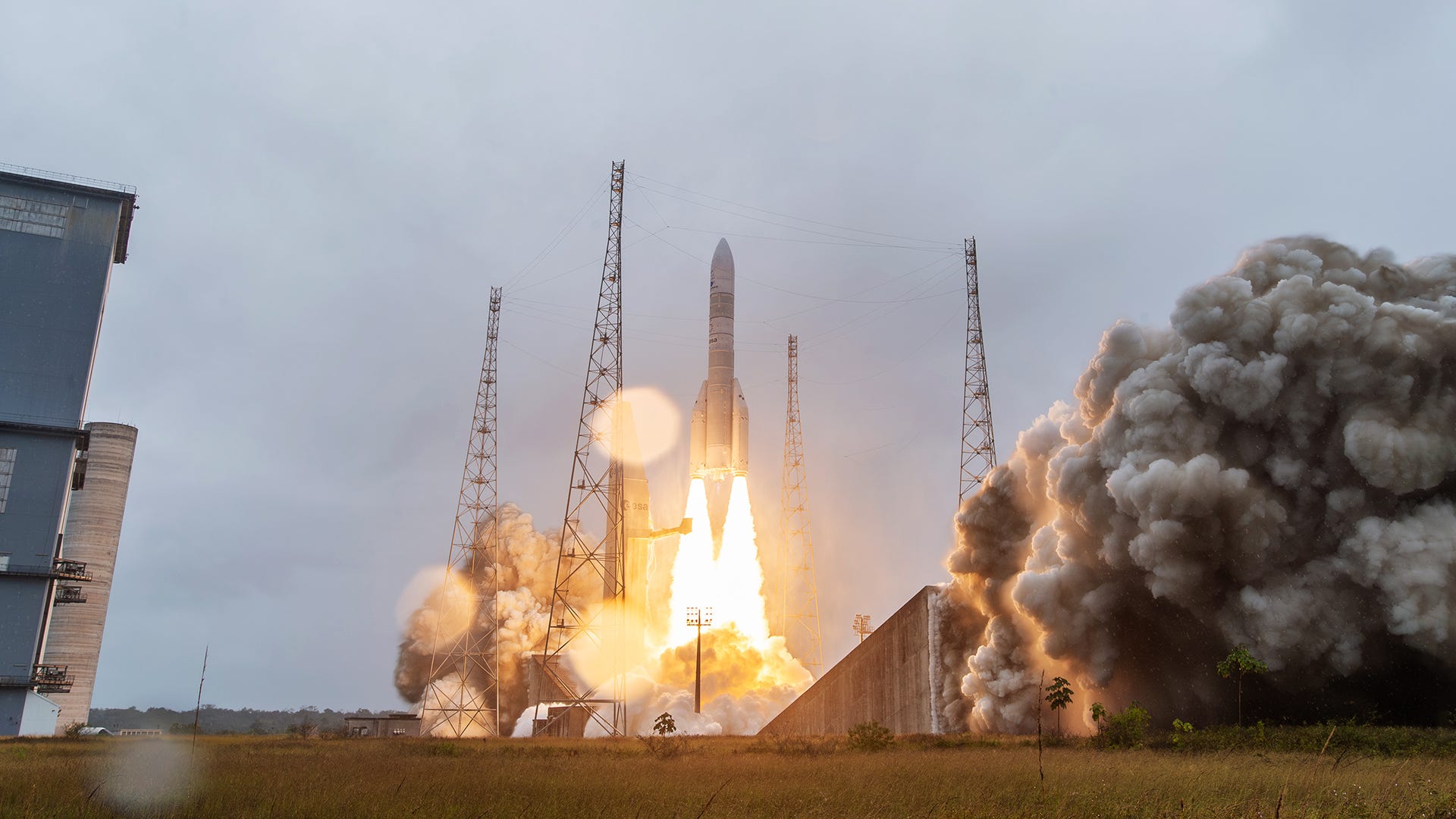
In other news, Europe’s Ariane 6 rocket launched for a second time, completing its first successful mission, “precisely placing the CSO-3 satellite to orbit for the French Defense Procurement and Technology Agency and the French space agency on behalf of the French Air and Space Force’s Space Command.” It’s an important win, as it restores independent access to space for Europe. However, it’s not even partly reusable, and is therefore badly outdated technology. Hopefully Europe can pull up their collective socks and build a modern rocket soon. (ArianeGroup) (ArianeSpace) (European Space Agency)
Exoplanet updates. The European Southern Observatory’s Very Large Telescope has peered inside the atmosphere of an exoplanet for the very first time, allowing them to create a 3D map. They found that each layer featured different primary elements, and had winds moving at different speeds. The exoplanet is called WASP-121b (recently given the name Tylos), and orbits close to its parent star, about 900 light years from Earth.
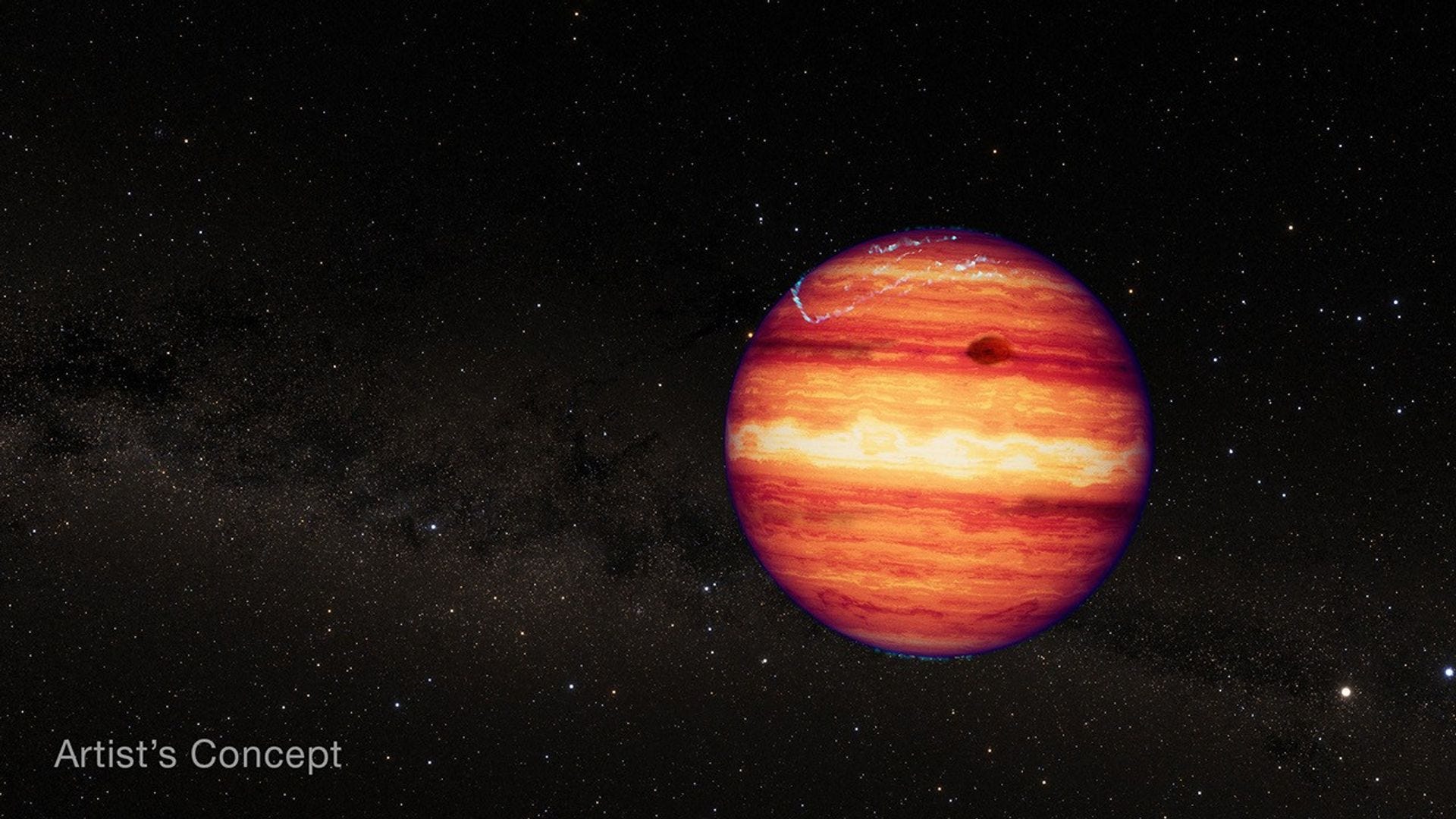
Also peering deep into an exoplanet atmosphere, astronomers used the James Webb Space Telescope to uncovered complex atmospheric dynamics on SIMP 0136, a free floating planetary mass object (maybe a small brown dwarf?) 20 light years from Earth. Previously thought to have patchy clouds, new observations reveal temperature variations, auroras, and shifting carbon chemistry that influence its brightness. By analyzing light from different depths in the atmosphere, scientists detected iron and silicate clouds, hot gas upwellings, and rotating pockets of carbon compounds. These findings highlight the 3D complexity of gas giant atmospheres and could refine how we study exoplanets and their habitability.
A new study analyzing 1,646 exoplanet orbits from NASA’s Kepler telescope revealed a key difference between small and large planets: small planets (Earth and Mars sized) tend to have nearly circular orbits, while giant planets (Jupiter sized) are about four times more elliptical. This suggests distinct formation histories, with small planets forming in stable environments, while large planets undergo stronger gravitational interactions. The transition occurs around Neptune’s size. It’s interesting to note though that all the planetary orbits in our Solar System are remarkably circular—perhaps setting our system apart as unusual when compared to others. (Nasa Space Flight via Haygen Warren) (NASA Webb Telescope) (PNAS via @ExploreCosmos_)
AI updates. As always, I’ll do my best to keep you up to date on some of the most interesting (or just plain crazy) new AI developments. As you may have noticed, it’s impossible to keep on top of everything, at least for a generalist approach like I’m using here, but hopefully this covers most of the bases. The links I’ve provided usually lead to people specializing in just AI, so give them a follow if you just can’t get enough, and then come back here for more Techno-Optimist.
A general AI agent called Manus has been revealed from China. It’s far from perfect, but this is a precursor of JARVIS type AI’s, it’s a ‘simple’ general artificial intelligence. It’s more evidence that at least when it comes to AI, China and America are essentially neck and neck. Just one example, Manus can automate roughly 50 tasks at once, working on them all simultaneously. (ManusAI) Rowan Cheung) (Min Choi)
Back in America, Stanford University just launched a free new tool called Storm. It can write fairly high level reports on any topic within seconds. They’re saying it will generate “Wikipedia-quality reports with 99% accuracy and citations,” all available to download as a PDF. While it might not be quite good enough to publish in a scientific journal, it’ll get you most of the way there, and save untold hours of drudgery. Plus this is going to be an incredible tool for anyone who just wants a thorough report on, well, anything. As I said, it’s free. All you need to do is go to their website, and type in the topic you want to research. Sad to say I haven’t had time to try it yet, but I plan to in the near future. Let me know if you do and what you think of it. (Hasan Toor) (Stanford University)
AI is making the leap into composing classical music, with a new model called Notagen able “generate high quality classical sheet music.” It might not be Mozart, but to my untrained ear it’s actually pretty good! Also keep in mind that for music—and for any and all applications AI can do—this today is as bad as it will ever be. The quality will only increase from here, and it will likely do so exponentially. (Min Choi) (Dreaming Tulpa)
Speech to text (and vice versa) is taking off in a big way, with multiple entrants throwing their hats (products) in the ring. ElevenLabs just unleashed Scribe, their most accurate speech to text model yet. It works in 99 languages, and can correctly separate multiple speakers. Another company, Hume, goes the other way with text to speech, allowing you to actually design a voice—any voice—with a prompt. It’s not the traditional robotic sounding voice and pacing either, but actually sounds rather human like. Speaking of human life voices, Sesame (another new AI company) is focusing on “lifelike interactions and our vision for all-day wearable voice companions.” It’s so good it’s almost a little creepy. Just needs to get a touch better and it’ll be out of the ‘uncanny valley’ and completely indistinguishable from a human voice. (ElevenLabs) (Flavio Schneider) (Sesame)
A more mundane use of speech to text technology is taking conversations in the clinic or office and accurately transcribing it. To that end, Microsoft just released its Dragon Copilot, bringing together “natural language voice dictation capabilities…with natural listening capabilities.” The idea is to let doctors focus on their patients, not note taking. This could potentially save doctors many hours each week, preventing burn out, and maybe even increasing their capacity to see more patients. Of course, Microsoft isn’t the only player, with a company called Nuance saying that “150+ hospitals and health systems” are set to start using it’s new AI Scribe called Ambient. And then there’s Heidi, another AI scribe already widely used in clinics. The company behind it just raised $6.5 million to make their product even better. (Microsoft News and Stories) (Joshua Liu) (Rik Renard)
Humanoid robot updates. Just a quick rundown for you:
Robot Era just shared a video of their STAR1 humanoid robot working in a simulated kitchen environment. We’re not quite there yet, but robot chefs really are coming. (The Humanoid Hub)
Figure Robotics released a video showing their robots working together in a factory floor setting. They won’t be replacing humans in assembly lines tomorrow, but just like chefs, it’s coming—and soon. (Figure)
China is really going full steam ahead with humanoid robots. EngineAI successfully got their robot to do a front flip. Humanoid robots have been doing back flips for a while, but this is the first time one has managed to go the other way. I can’t do either, so I’m doubly impressed. (Lin Jian)
Even crazier—very cool win for China—Unitree Robotics taught their G1 ‘bot Kung Fu. And it’s actually pretty good. (Unitree)

Nuclear news. First fission: British company Core Power has announced its plan to build a fleet of floating nuclear power plants off the US coast. They won’t be in place for another 10 years, but the choice of America instead of the UK shows the changing (for the better) regulatory environment on this side of the Atlantic. Also in the States, company Last Energy wants to build 30 microreactors in Texas, with the plan being to “help fulfill the state’s growing data center demand.” North of the border, Canada is working off its classic and reliable CANDU reactors to build a new 800 MW version called MONARK. The project has government support, and will hopefully start powering hundreds of thousands of homes sooner rather than later. Also in Canada, Moltex Energy plans to extract “90 percent of transuranic materials from used nuclear fuel,” allowing it to be recycled and reused. This will reduce nuclear waste, and make it cheaper and easier to power future reactors. (New Atlas) (Interesting Engineering, Last Energy) (Interesting Engineering, MONARK reactor) (Interesting Engineering, fuel recycling)
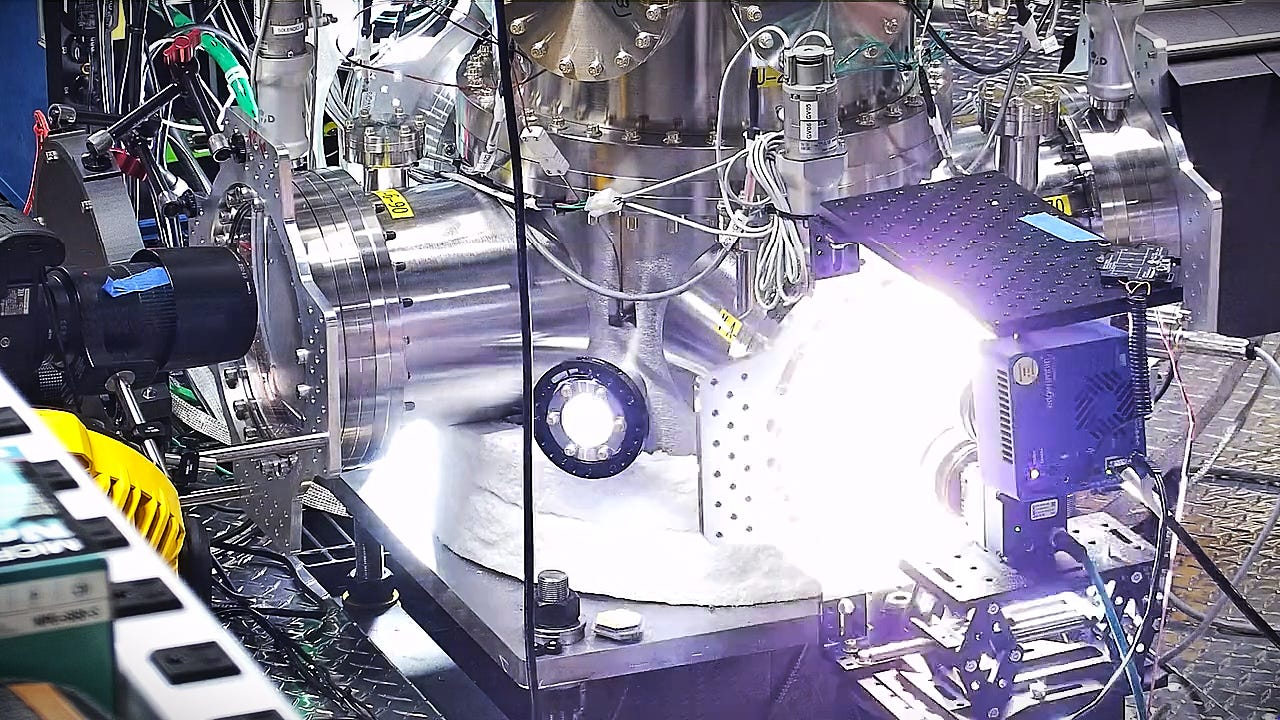
On the fusion side of the news, Zap energy has met their first big milestone under the U.S. Department of Energy Milestone-Based Fusion Development Program. Doing so meant operating “continuously for three hours, producing a series of 1,080 plasma shots at 0.1 Hz without failure.” Onwards to commercial fusion energy! Over in Germany, Proxima Fusion published their plans for a stellarator fusion machine in a peer reviewed journal. It really looks like their plan should work, with the company hoping to be up and running with their first fully operational power plant by 2031. South Korean scientists have developed a deep learning model that accelerates plasma collision calculations for nuclear fusion by 1,000 times, significantly cutting computational time while maintaining high accuracy. This breakthrough enhances fusion reactor simulations, paving the way for real time plasma modeling. (Zap Energy) (Tech Crunch) (Interesting Engineering)
Space


Two new NASA missions launched aboard a Falcon 9 rocket this week. SPHEREx, which stands for the hearty verbal mouthful ‘Spectro-Photometer for the History of the Universe, Epoch of Reionization and Ices Explorer,’ will observe the entire sky in optical and infrared light every 6 months. Its purpose is “gathering data on more than 450 million galaxies as well as 100 million stars in our own galaxy.” The PUNCH mission, or ‘Polarimeter to Unify the Corona and Heliosphere,’ will use 4 small satellites to create 3D observations of the Sun. Specifically, it will study how the Sun’s corona—its outer atmosphere—becomes the solar wind. (NASA – SPHEREx) (NASA – PUNCH)
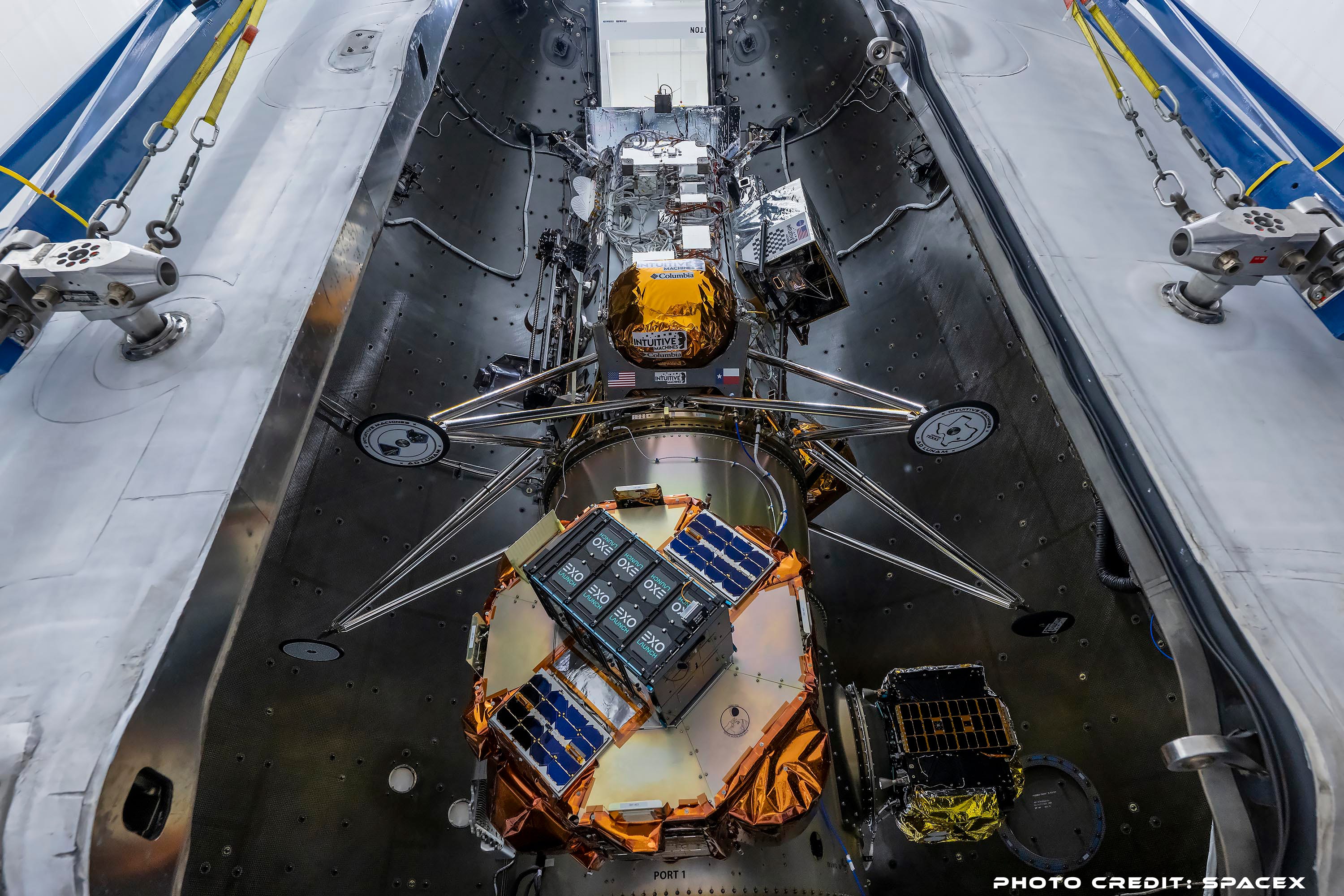
AstroForge launched their Odin probe, designed to do a close flyby of a prospective asteroid named 2022 OB5 that the company hopes to later target for mining. As I said before, space is hard, and unfortunately Odin wasn’t able to fulfill all its mission goals—the company lost most communication with their tumbling probe not long after launch. However, they learned a lot, and “launched faster and flew further - for cheaper - then anyone else.” They’re certainly not giving up though, with plans to launch another mission (Vestri) later this year. (AstroForge) (AstroForge – Vestri)


It looks like Star Trek predicted the future once again. The Department of Defense has announced The Frontier Academy, which intends to “recruit, train, and enable our next generation of Cyber, Robotics, and Space leaders.” If you think the location and layout look familiar somehow, you’re not wrong. It’s going to be built almost smack dab where the fictional Starfleet Academy sits on the shores of San Francisco Bay. This could be the beginning of a real life Starfleet Academy. Ad astra! (Suzanne Xie) (A. Pettit)
Pulsar Fusion has unveiled Sunbird, a nuclear fusion powered rocket designed to slash interplanetary travel times. Acting as a space tug, Sunbird will attach to larger rockets, boosting them with its compact fusion engine capable of generating exhaust speeds over 500,000 mph (~805,000 kph). Pulsar claims it could send a roughly 1 ton payload to Mars in just four months, reach Saturn in two years, and cut a Pluto mission from eight years to four. With static tests planned for 2025 and an orbital demo set for 2027, Sunbird could help solve the challenge of making deep space travel faster—and therefore also safer. (Interesting Engineering)
Einstein theory of gravitational memory might be real. The idea is that gravitational waves leave a lasting imprint on space-time—and the theory may finally be testable. New research suggests that ancient black hole mergers could have subtly altered the cosmic microwave background (CMB), the faint radiation left over from the Big Bang. These gravitational waves, which distort space-time as they pass, may have permanently shifted the velocity of photons traveling across the universe, creating an observable temperature pattern in the CMB. While current telescopes lack the precision to detect these tiny shifts, future instruments with greater sensitivity could reveal a hidden record of the universe’s most violent cosmic events. This is the sort of science I get really excited about, where we might be able to actually test it in the near term! (Live Science)

A new theoretical model may finally explain how astrophysical outflows—from newborn stars to supermassive black holes—are shaped and accelerated. Researchers revealed a universal mechanism behind these powerful jets—their model accurately reproducing structures seen in planetary nebulae, protostellar jets, and even relativistic outflows from supermassive black holes at the center of galaxies. By unifying these phenomena under a single framework, the study offers fresh insights into matter transport across the universe, resolving long standing astrophysical mysteries. While we’re on the subject, feast your eyes on this beautiful image of some jets shot out from a pair of protostars—revealed in all their glory by the James Webb Space Telescope. (Phys.org) (NASA Webb Telescope)

A deep survey of Andromeda’s satellite galaxies has revealed unexpected findings that challenge standard models of galaxy formation. Using the Hubble Space Telescope, astronomers studied 36 dwarf galaxies orbiting Andromeda, finding that half of them move in the same plane and direction—an arrangement that contradicts predictions of dark matter galaxy models but aligns with the alternative MOND theory of gravity. Even more puzzling, some seem to have continuously formed stars for billions of years, unlike the Milky Way’s satellites. These discoveries suggest Andromeda’s history has been far more tumultuous than our own galaxy’s, possibly shaped by a major merger in the past few billion years. (Hubble) (Space.com)


A new simulation suggests the Oort Cloud—the distant shell of icy objects beyond the Kuiper Belt—may have a spiral structure resembling a miniature galaxy. Formed from the leftover debris of giant planets, the Oort Cloud extends up to 100,000 AU from the Sun, making it nearly impossible to observe directly. Using NASA’s Pleiades supercomputer, researchers modeled how galactic tides from stars, black holes, and the Milky Way’s core shape its structure. The results indicate that the densest inner region (1,000–10,000 AU) forms spiral arms stretching 15,000 AU across. While confirming this shape remains a challenge, I have to say that would be pretty cool! (Corey S. Powell) (Live Science)
AI, Energy, Engineering, & Physics

Researchers at UC Santa Barbara and TU Dresden have developed a robotic swarm that can flow like a liquid, then solidify into load-bearing structures. Inspired by embryonic tissue, these hockey puck sized bots use motorized gears, light sensors, and magnets to self assemble into tools, bridges, and even structures strong enough to hold a human. They’re able to balance flexibility with strength, shifting between rigid and fluid states on command. This breakthrough brings us closer to programmable materials that reshape on demand. I can think of a lot of cool sci-fi tech that could be built with a future version of this. (UC Santa Barbara) (Singularity Hub)

Helium, typically an unreactive noble gas, has been coaxed into forming stable compounds with solid iron under extreme conditions. Researchers at the University of Tokyo subjected iron foil and helium gas to high pressures (5–54 gigapascals in a diamond anvil cell), and temperatures up to 2,820 Kelvin—observing the formation of iron-helium compounds with expanded crystalline structures. Remarkably, even after depressurization, these compounds remained stable, suggesting that helium can integrate into solid iron’s structure. This discovery strengthens the case that Earth’s solid inner core might harbor a reservoir of ancient helium, offering new insights into planetary formation and deep Earth chemistry. (Physics Magazine)
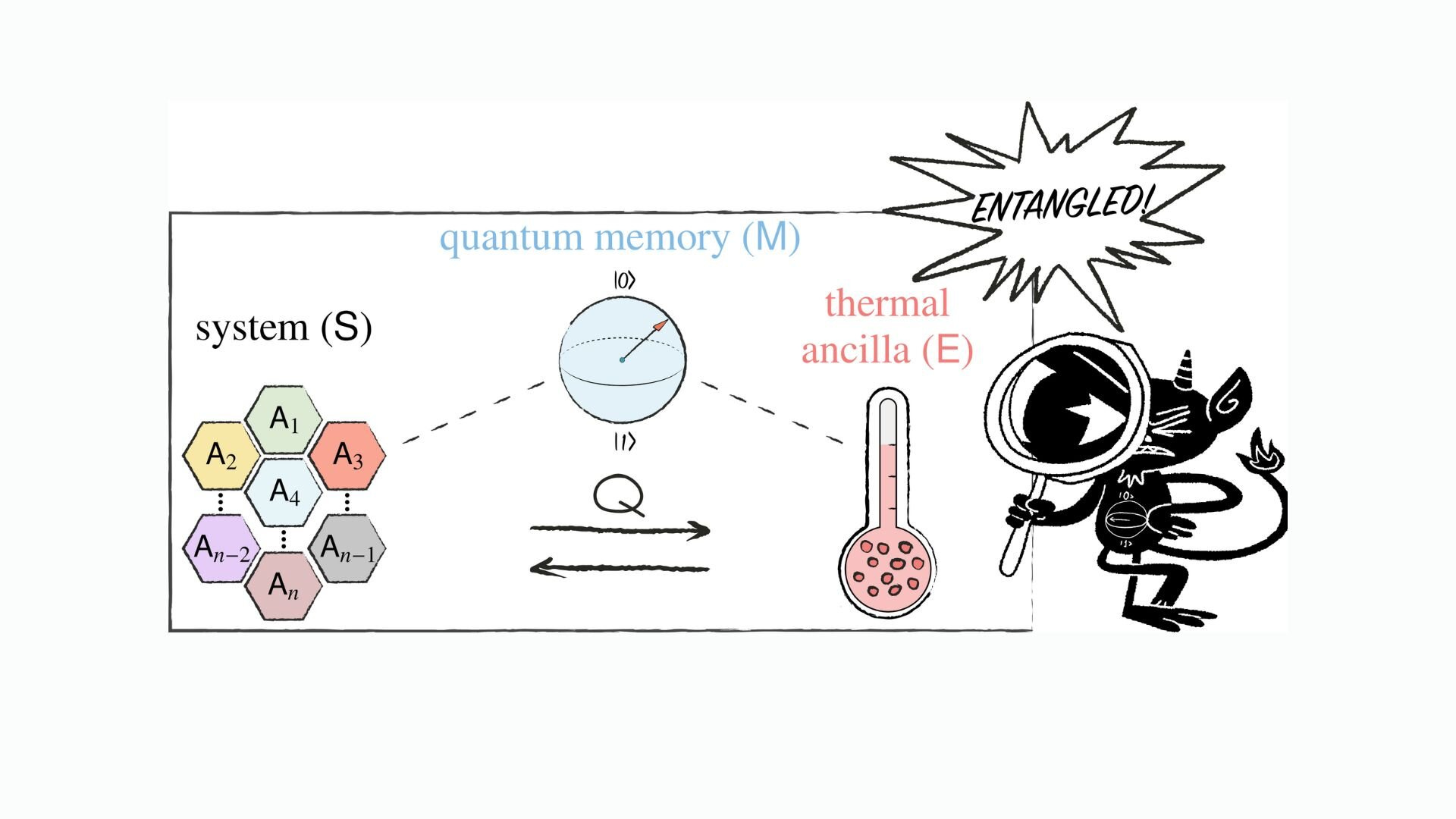
Quantum updates: AI just discovered a simpler way to create quantum entanglement, potentially advancing quantum networks and computing. While working on a complex way to create entanglement, the scientist’s AI tool, PyTheus, found a more efficient approach that when tested was confirmed to work. By the way, this was completely on its own and without instruction to do so. Elsewhere, engineers have managed to detect “the quantum properties of a system by simply using heat as a witness, requiring no direct measurement of the quantum system itself.” By using thermodynamics to get around the uncertainty principle, humans have found yet another way to get around the laws of nature a little—bending, without actually breaking them. (Popular Mechanics) (Phys.org)

DARPA’s No Manning Required Ship (NOMARS) program has completed its first fully autonomous warship, the USX-1 Defiant, a 180 foot, 240 metric ton vessel designed with no accommodations for a human crew. By eliminating the need for onboard personnel, NOMARS aims to maximize efficiency, reduce costs, enhance stealth, and improve long term reliability at sea. Defiant will undergo dockside and open water testing before embarking on a long sea trial later this spring. If successful, the program could pave the way for a fleet of unmanned ships, and forever change how the navy operates. (DARPA)
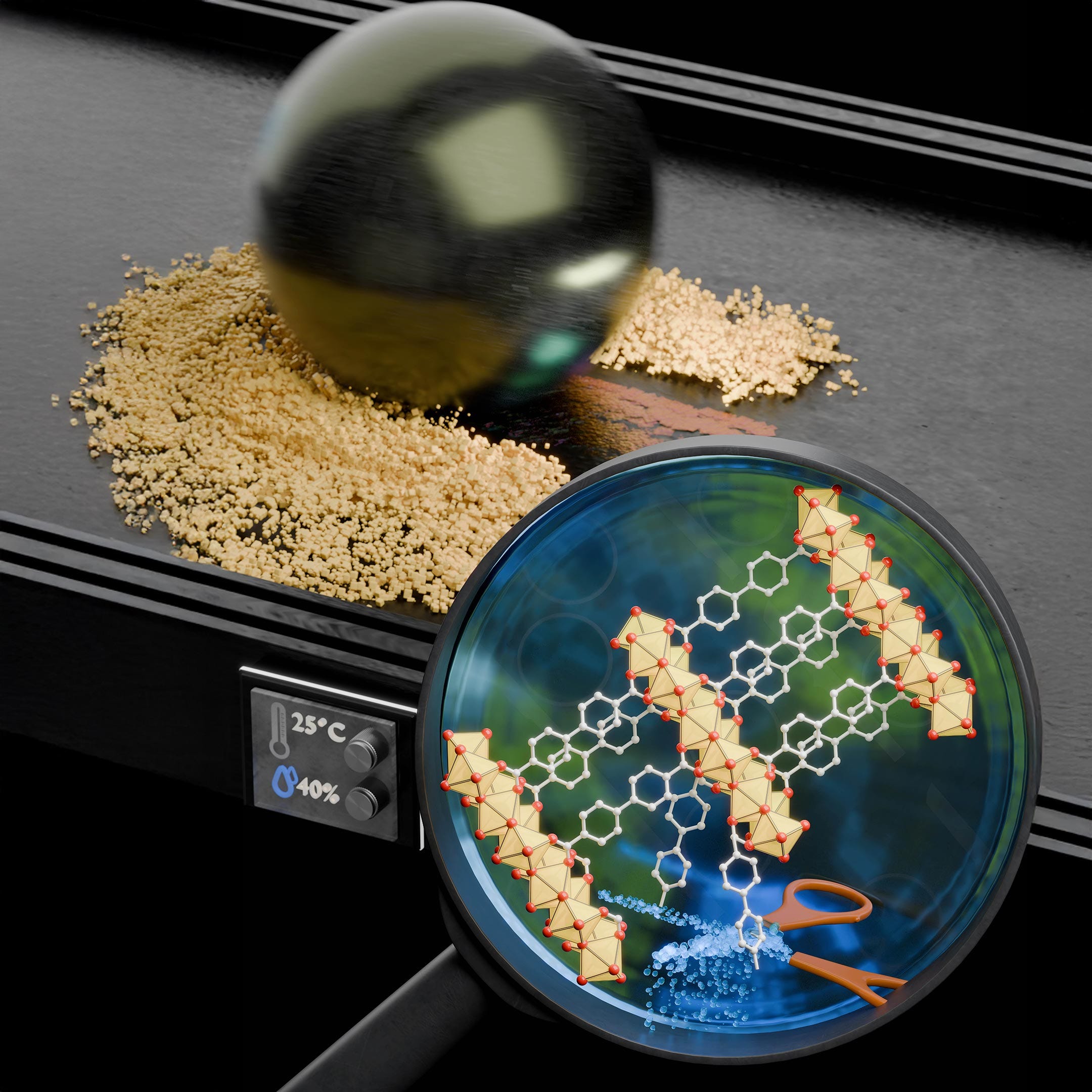
Researchers have developed a new solid lubricant they called COK-47, able to dramatically reduces friction by leveraging water molecules. It’s made of thin titanium oxide sheets, and forms a low friction film when exposed to water, outperforming traditional lubricants in durability and effectiveness. The trick is that COK-47’s inorganic layers slide past each other like a deck of cards, minimizing wear in moving parts. Tests show it has a significantly lower coefficient of friction than existing options, making it a breakthrough in solid state lubrication with potential industrial applications. (SciTechDaily)
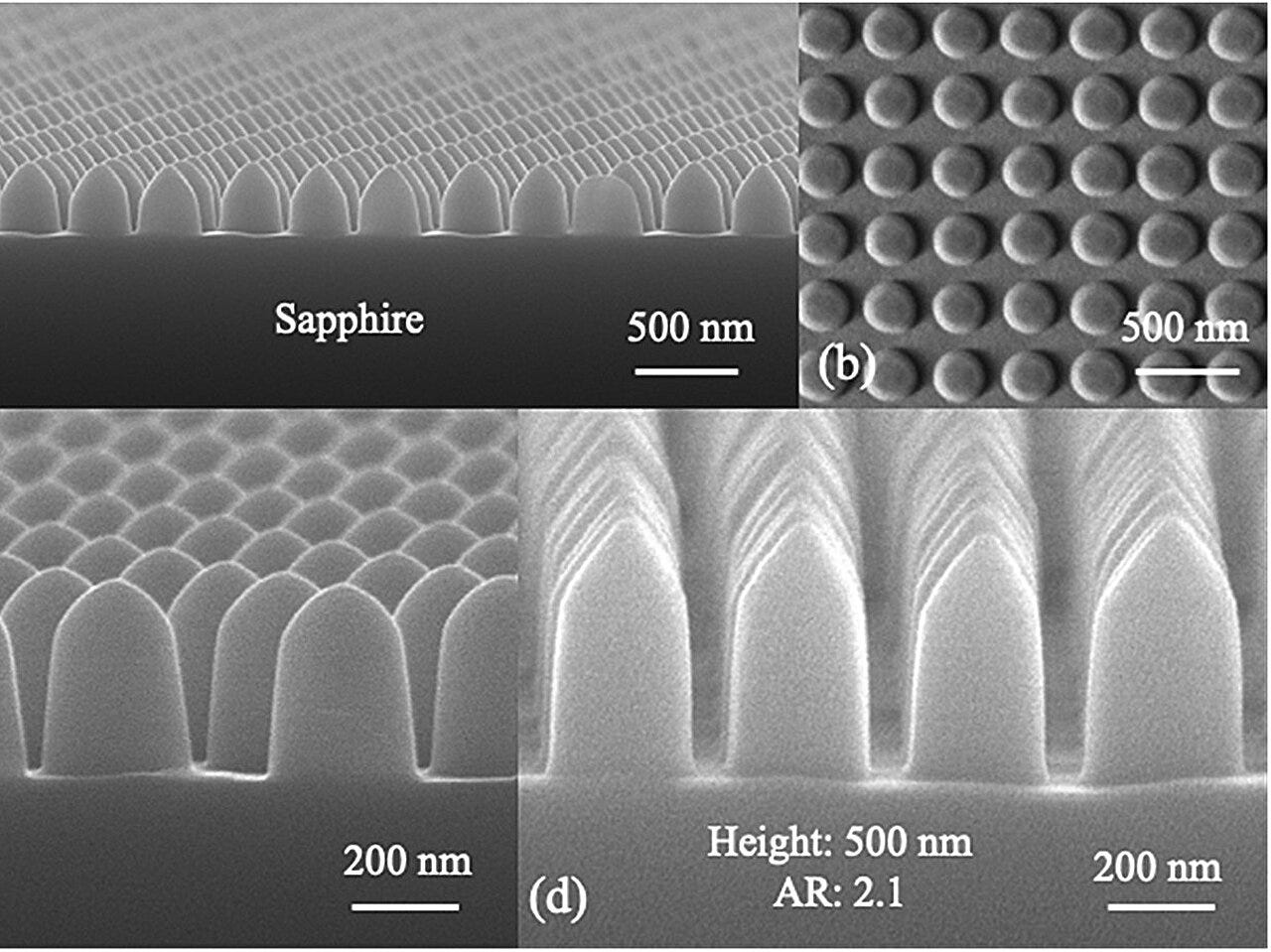
University of Texas engineers have built sapphire nanostructures that prevent glare and fog, and prevent dust from sticking—offering potential improvements on everything from phone screens and glasses, to windows and windshields. While not as scratch resistant as bulk sapphire, these nanostructures remain durable while repelling fog and dust through their self cleaning properties. Inspired by moth eyes and lotus leaves, their tapered design enhances light transmission, reduces glare, and prevents moisture buildup. Not only could this technology improve consumer electronics, but it could also have impacts in space exploration, and defense applications by ensuring critical surfaces stay clear. Researchers are now working to scale up fabrication and refine the material for real world use. (Phys.org)
Meta has built a non invasive BCI (brain computer interface) they’re calling Brain2Qwerty. It can translate brain activity into text, and offers a safer alternative to implanted neuroprostheses. The system uses EEG or MEG (magneto-encephalography) data to decode sentences as participants type on a QWERTY keyboard, with MEG proving far more accurate—reaching a 32% error rate on average, and as low as 19% for top performers. Some sentences were even decoded perfectly. This breakthrough brings BCIs closer to reality for patients who can’t speak or move, without the risks of surgery. (AI at Meta)
Medicine & Biotech
Ozempic looks like it’s getting some more competition, with scientists at Stanford Medicine finding that a naturally occurring peptide called BRP suppresses appetite and reduces body weight—but without common side effects experienced by Ozempic users like nausea, constipation, or muscle loss. Unlike Ozempic, which affects multiple organs, BRP appears to act only in the hypothalamus, the brain’s center for appetite control. AI analysis helped researchers pinpoint BRP from thousands of potential appetite supressing peptides (AI will be in everything soon). In mice, BRP cut food intake by up to 50% and led to fat loss without behavioral or metabolic side effects. Human trials are being planned. (Medical Xpress)
Google’s Articulate Medial Intelligence Explorer (AMIE)—" our research AI system for medical reasoning and conversations,” has been given new capabilities. Now it’s moving beyond just diagnosis, and towards “treating and managing disease over time.” It matched or exceeded the reasoning of human doctors over multiple visits, suggesting that AMIE could be a powerful new healthcare tool. Its success is enabled by using two AI agents working together: one to diagnose, and a second that manages the treatment plan by continuously integrating and reasoning about new information. (Google AI)
Anti-aging updates: a large study of almost 38,000 men and women found that “having more children was linked to stronger brain connectivity—in the same regions that typically weaken with age.” In other words, the old adage that kids keep you young looks like it’s true. The good news keeps rolling, with private company Loyal reporting that their drug for extending dog’s lives is on track to hit the market this year. If it works for dogs, and it seems like it does, humans won’t be far behind. (Brandon Luu) (Celine Halioua) (Loyal)
Progress against cancer: personalized pancreatic cancer vaccines were found to keep patients free of cancer for years, according to a new study. That’s huge news for pancreatic cancer, which has a very poor survival rate. Elsewhere, a study found that the three year survival rate for people with brain cancer jumped to 66.7% (up from 8.3%) when on a ketogenic diet. It is thought that the cancer cells can’t metabolize ketone bodies created by following a keto diet, while healthy brain cells can–slowing the cancer down. Lastly, a stretch of mRNA isolated from tardigrades and injected into cells from other organisms conferred incredible protection from radiation—a ‘superpower’ of tardigrades. The thought is that this could eventually be used to protect healthy cells in patients undergoing radiation treatment for cancer. It could also be used to help safeguard astronauts on long space missions, or even colonists on Mars. (Julia Bauman) (Vinod Balachandran) (Nicholas Fabiano) (Science Alert)
A compound in ginger called furanodienone (FDN) has been found to reduce gut inflammation and help repair damage in inflammatory bowel disease (IBD) patients. It works by activating a receptor which helps block harmful inflammation, but without suppressing the immune system. In tests on mice, oral FDN reduced colon inflammation and promoted gut healing without affecting other organs. With IBD cases rising, FDN could offer a safer alternative to current treatments. (SciTechDaily)
A small clinical trial suggests that melatonin supplements may help repair DNA damage linked to night shift work, potentially reducing long term health risks. Night shifts suppress natural melatonin production, which weakens the body’s ability to fix oxidative DNA damage—a natural process but one tied to cancer risk. In the study, night shift workers who took 3 mg of melatonin daily for four weeks showed 80% higher levels of DNA repair markers during daytime sleep compared to a placebo group. While larger studies are needed, researchers say melatonin could become a simple way to counteract the health effects of night shift work. (SciTechDaily)
Another study has added more weight to the totally unsurprising conclusion that vitamin C is good for you. In mice, it was found to boost the immune system—in a good way—and improve the efficacy of an immunotherapy to kill cancer. (Samuel Hume)
Last time I told you about Evo 2, an AI program from the Arc Institute that among other things can now design entire “simple” bacterial genomes. The Arc Institute is not slowing down, with two new reveals that will change medicine, and the way we do biotech research and development. First is their open-source Arc Virtual Cell Atlas, which starts off with measurements from 300 million cells, and is planned as their “first step toward assembling, curating, and generating large-scale cellular data to fuel new insights from AI-driven biological discovery.” The second is scBaseCamp, “the largest public repository of single cell RNAseq data,” built by using all publicly available data. It’s released as just a part of the Arc Virtual Cell Atlas. It contains information from “over 230M cells drawn from 21 species, and 72 tissues,” allowing their AI to help “automate discovery, metadata extraction & data processing.” (Patrick Hsu) (Arc Institute) (Yusuf Roohani)
Researchers have developed ESM3, a protein large language model that can generate protein structures and sequences based on user prompts. Proteins fold into specific 3D shapes that determine their function, and advances in machine learning are helping scientists decode and design them more precisely. In the study, ESM3 demonstrated its ability by generating highly altered versions of green fluorescent protein that still folded correctly and remained functional. This breakthrough could accelerate protein design for medicine, materials, and synthetic biology. (Science Magazine)
Agriculture
Scientists have mapped the genomes of nightshade crops, uncovering key genes that control fruit size and shape in tomatoes, potatoes, peppers, and eggplants (all part of the nightshade family). Using CRISPR, they fine tuned these genes to grow larger, more commercially viable produce without sacrificing taste or quality. They found that duplications of certain genes influence fruit development—and editing them carefully—led to bigger tomatoes and eggplants. This breakthrough could revolutionize global agriculture, for instance making heirloom tomato varieties more farmable and expanding markets. Let’s get these to the famer’s market ASAP! (SciTechDaily)
While we’re on the topic of potatoes, the “perfect potato” might have been designed—at least on a computer—thanks to the combining of desirable DNA sequences from different potato varieties. Whether it’s “perfect” or not depends on what the intended use is of course. For instance, you want different characteristics for potatoes that will end up baked or mashed, versus those made into fries. Still, I think this sort of approach will fling open the door to new and better crop design—including incorporation of genomes from less commonly grown varieties that may harbor useful traits. (Nature)
Weird & Wonderful
Geologists have discovered Earth’s oldest known impact crater in the Pilbara region of Western Australia, dating back 3.5 billion years—more than a billion years older than any previously identified crater. The crater's existence supports a theory that meteorite impacts helped form Earth’s first continents, melting rocks and triggering the rise and differentiation of material that became continental crust. The discovery came when researchers spotted shatter cones, rock formations that only form from meteorite impacts—raising the possibility that more ancient craters could still be hidden in Earth’s oldest rocks. (The Conversation) (Nature)
Reintroducing wolves to Yellowstone was a good idea it turns out, and helped the entire ecosystem to thrive. The wolves were reintroduced back into the park in the 1990s, after having been absent for about 70 years. Loosing apex predators like wolves led to the local elk population booming, which in turn had a serious negative impact on certain plants, which ended up effecting everything from habitats for smaller animals to river erosion. Bringing back wolves has changed the numbers and behaviour of the elk herds, which in turn led to a positive cascading effect over the entire area. (Live Science)
Photos & Videos
Data from NASA’s Fermi gamma ray telescope has given us this incredible video made with 15 years of data. It shows what the sky looks like over time when viewed in gamma rays. In case you were wondering, the yellow blob wandering around is the Sun’s apparent annual trajectory across the sky. (NASA Universe)


Beautiful shots from the International Space Station. I never get tired of looking at these. (Don Pettit 1) (Don Pettit 2)

Check out this gallery from the Nature Photography Contest 2024 winners. This one taken of some sea gulls with a low shutter speed is one of my favorites. (The Nature Photography Contest)
Last time I talked about Valar Atomics. Here’s a cool video they did showing the last 10 months of work in 2 minutes.
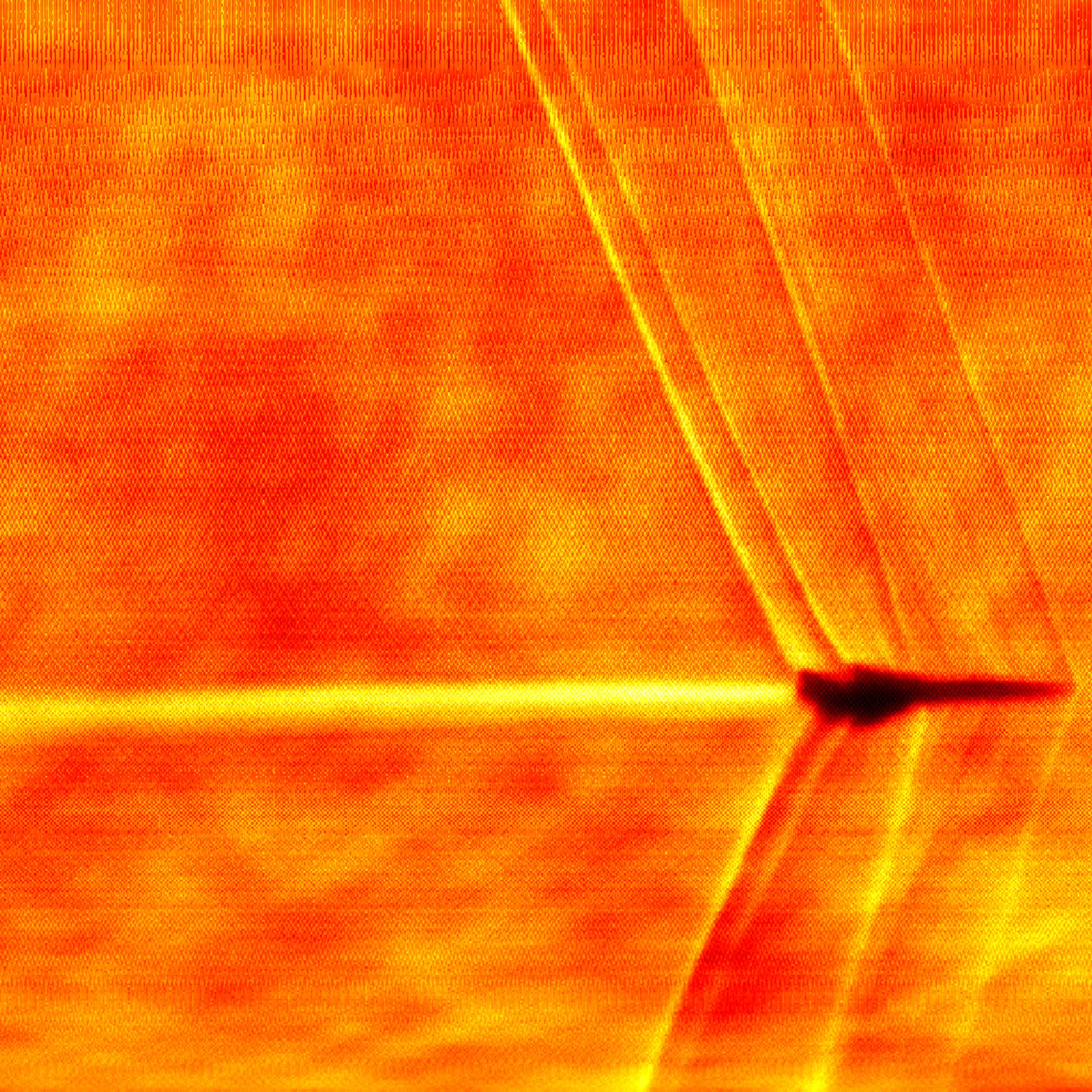
During the 2nd supersonic flight of Boom’s XB-1, they captured an image showing “the changing air density around XB-1 and the resulting shock wave—making the invisible visible.” (Boom Supersonic)

Beautiful star trails. (Andrew McCarthy)
Recommendations & Reviews
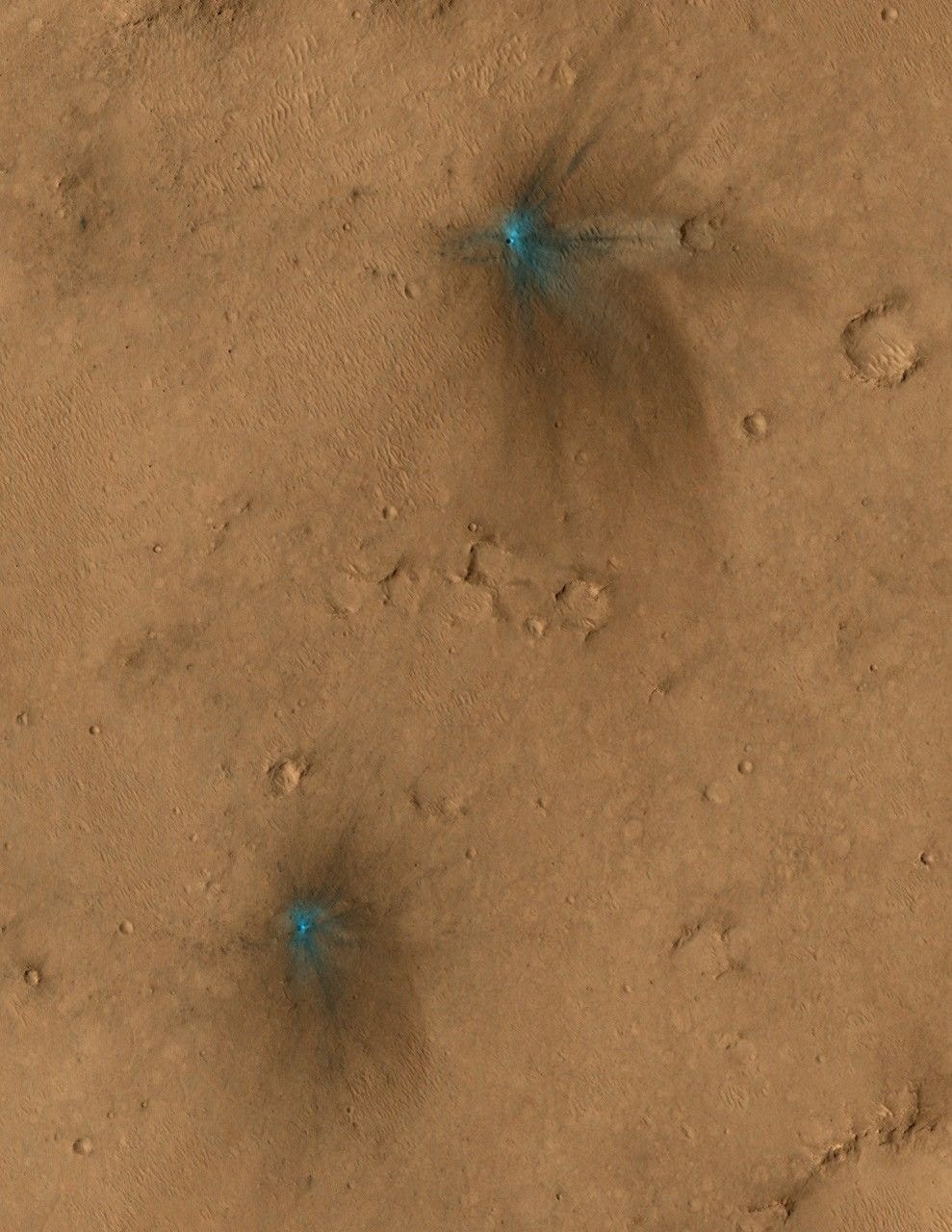
What Can We Send to Mars on the First Starships? Have a read through this great article by Casey Handmer for Pirate Wires. Short version, hopefully SpaceX stuffs on everything they can to learn more about the planet and its resources, with an eye towards humans landings—and cities—not long afterwards. My personal favorite is the ‘Rods from the gods’ idea, where Casey suggests drooping “a few dozen long steel (or tungsten) spears, guide them in while tracking them on radar, and then survey their impact craters with HiRISE as soon as the dust clears.” They’ll impact the surface at ~8km/s (5 miles/s), “penetrating many times their length and exposing the subsurface to our existing orbital instruments for the first time.” This could easily reveal sources of ice in the shallow subsurface, helping pick future landing locations close the abundant water. (Pirate Wires)
If you’d prefer, you can read it on X, or on Casey’s blog.
That’s it for this edition, but Techno-Optimist will be back in your inbox a fortnight from now. Thank you all for reading—and until next time, keep your eyes on the horizon.
-Owen