

Techno-Optimist #30
I'm Back!


I’m back! Welcome to the thirtieth edition of Techno-Optimist, where you can get all the latest on space, science, technology, medicine, energy, AI, and a lot more.
Firstly, apologies on being gone for so long. I know I said a month or two back in late May, and here we are at September already. Things are going very well on the home front, I’ve been incredibly blessed, just very busy! On that note, for the next few months I’ll be switching up the schedule, with a new edition of Techno-Optimist coming out every 4 weeks. Don’t worry, I’ll get back to once a fortnight eventually, but for now this is the way it has to be. On the plus side, I’ll have an entire month of the very best science, space, and tech updates for you. Which is what this edition is, some of the absolute highlights from the past 3 months. So mark your calendars, the next edition will be out Saturday, September 27th.
Alright, let’s dive right in.
“Prosperity is a function of energy per capita.”
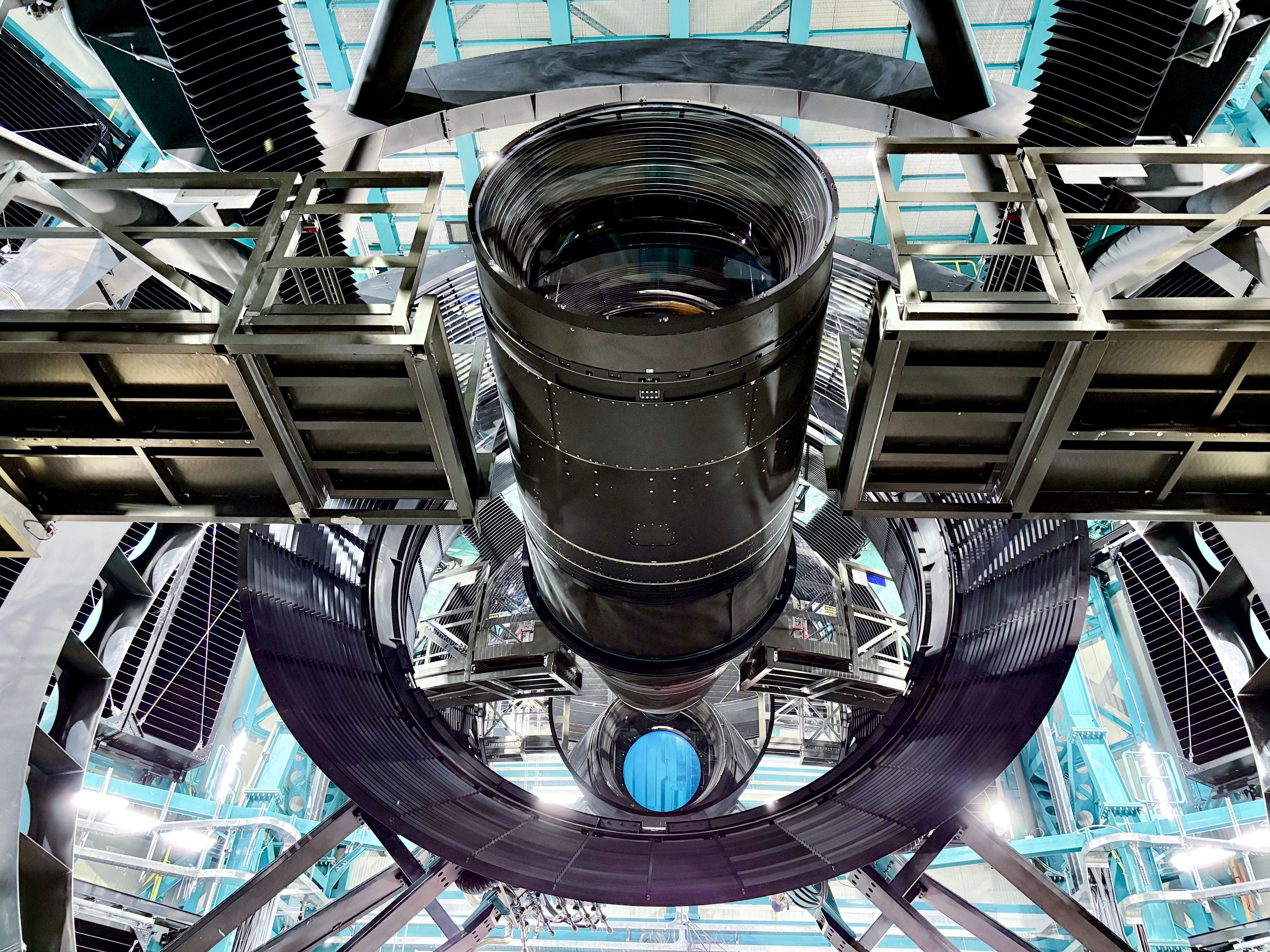
Rubin Observatory. We have a grand new telescope: the NSF-DOE Vera C. Rubin Observatory (hereafter shortened to the Rubin Observatory) dropped its first spectacular images on June 23rd. The telescope is perched on a mountain in Chile, where it “will take a new 3200-megapixel image every ~40s, yielding ~20 terabytes of data every night.” The plan is to image much of the southern hemisphere every few nights for a decade, creating an “ultra-wide, ultra-high-definition, time-lapse record — the largest astronomical movie of all time. This unique movie will bring the night sky to life, yielding a treasure trove of discoveries: asteroids and comets, pulsating stars, and supernova explosions.”
The telescope has already found a treasure trove of new discoveries, including more than 2100 new asteroids discovered in just a week, 46 RR Lyrae variable stars, and countless new and never before seen galaxies. I can’t wait to see the full video a decade from now.
You can download its first images here. (Rubin Observatory) (Corey S. Powell)


Starship Flight 10. On August 26, 2025, SpaceX had a massive success with its Starship's tenth test flight from its Starbase site in South Texas, with every major objective being met. The mission featured a flawless hot staging separation, deployment of eight Starlink satellite simulators, an in-space relight of a raptor engine, and a successful reentry followed by a controlled splashdown in the Indian Ocean. This much needed success comes after a series of somewhat disappointing tests that involved a number of RUDs (Rapid Unscheduled Disassembly’s, aka explosions). Not that these previous tests didn’t move the program forward, they did. But it’s a massive boost for everyone when everything goes exactly according to plan. (Grok) (SpaceX)
Starship soft landing in the Indian Ocean
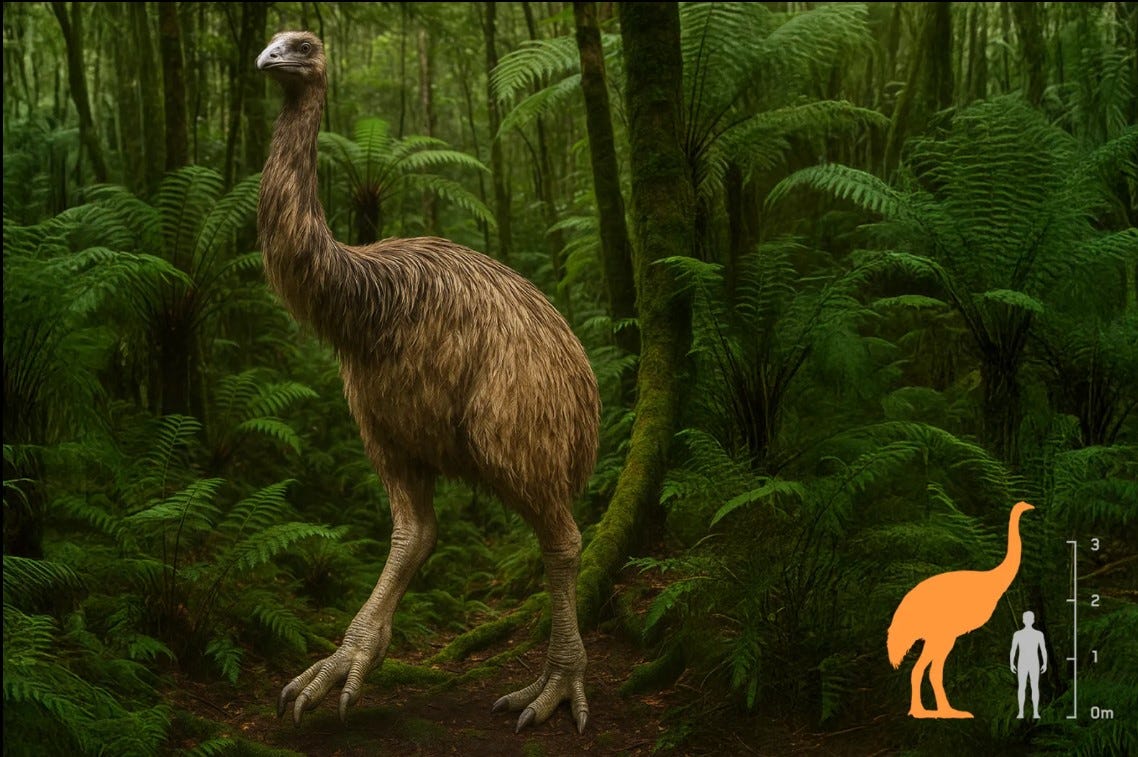
Return of the Moa. Colossal Biosciences is at it again, announcing a project in partnership with, among others, Peter Jackson, to bring back the South Island Giant Moa. Extinct for 600 years, it was “one of the largest birds to walk the Earth.” There were actually 9 species of Moa, and the company is currently “evaluating specimens of all 9 species of Moa,” with their first target for de-extinction likely a smaller species, before ultimately moving on to the Giant Moa. I asked whether they’d aim to eventually bring back all 9 species, with the company responding that they are “currently working with collaborators to identify well-preserved individuals from all 9 species of moa.” I’ll take that as a soft yes.
In addition to that, the company has also taken a big step towards bringing back the Tasmanian Tiger, or Thylacine. They’ve sequenced it’s entire genome, and hope to possibly have a live specimen in less than a decade.
My kids are going to grow up in a world with living Dire Wolves, Woolly Mammoths, Moas, Thylacines, and Dodos. We really do live in an age of wonders. (Ben Lamm) (Colossal Biosciences 1) (Colossal Biosciences 2) (Owen Lewis) (Colossal Biosciences—Thylacine)
Fusion and Fission News
The National Ignition Facility (NIF) has done it again, hitting Q=4, “a 300% improvement over the initial breakthrough gain achieved just two years ago.”
Commonwealth Fusion Systems has led the charge in raising money in America, getting $863M in an oversubscribed round that will enable them to complete their test reactor SPARC—designed to demonstrate net energy gain—and make faster progress on ARC, their commercial pilot plant. Google has already agreed to take 200 MW of power from ARC once it’s up and running in the early 2030s, about half of what the compact tokamak will produce.
Astral Systems, a UK based private fusion company, has achieved a world first by successfully breeding tritium—a vital fuel for nuclear fusion—using its own operational reactor. This accomplishment, in collaboration with the University of Bristol, occurred during a 55-hour deuterium-deuterium fusion campaign in March. The team produced and detected tritium from an experimental lithium breeder blanket within Astral’s fusion reactor.
Type One Energy announced the completion of a formal design review on their proposed power plant. The company hopes to have their stellarator design up and running by the mid 2030s.
Helion has gone even further and actually broken ground on their power plant, dubbed Orion. They plan to start delivering electricity to Microsoft in 2028. Just to put that in perspective, the end of 2028 is just over two years from now. In two years, if all goes well we will have a fusion power plant producing electricity in the state of Washington.
China isn’t standing still while all this is happening though, investing $2.1 billion into the rapid commercialization of fusion energy by state controlled China Fusion Energy Co. “This is a clear signal that Beijing is consolidating its fusion efforts into a full-scale, nationally coordinated industrial strategy.”
(Commonwealth raise) (Commonwealth—Google power agreement) (NIF Q=4) (PPPL, new record) (Interesting Engineering—tritium) (Type One Energy) (Helion) (The Hill—China)
The Nuclear Renaissance is moving forward in earnest now, with the U.S. Department of Energy announcing a New Reactor Pilot Program consisting of 11 projects spread out over 10 companies, with a goal of having at least three achieve criticality by July 4th, 2026. Many of the companies have already started making progress, with perhaps the most impressive being Aalo Atomics, which just raised $100M to fund the project, and broke ground on their reactor project, the Aalo-X. The DOE also announced the “first pilot project for advance nuclear fuel lines,” in order to strengthen domestic supply of nuclear fuel, with Standard Nuclear being the first company selected under the program.
Not to be outdone, General Matter has “signed a lease with the Department of Energy to establish the nation’s first U.S.-owned, privately developed uranium enrichment facility,” with plans to be enriching uranium by 2030.
A large percentage of the energy produced by newly built nuclear power plants will inevitably go to AI, and the building process may be helped along by a recent Trump comment that companies should be able to build their own power plants as needed. Google is already going down that path, signing a deal with Kairos Power to build 2 reactors to help power Google’s data centers. Trump has also signed 4 executive orders specifically aimed at “reinvigorating America’s nuclear energy industry.” Together, the “orders lay out a plan to modernize nuclear regulation, streamline nuclear reactor testing, deploy nuclear reactors for national security, and reinvigorate the nuclear industrial base.” The ultimate goal here is to quadruple nuclear in the USA by 2050, which would mean 400 GW total, up 300 from today.
As impressive as this all is, it’s actually Asia leading the surge in nuclear power at the moment, with China adding about 13% annually in recent years. India alone plans to grow its capacity by at least 100 GW by mid century.
(DOE, power plants) (DOE, nuclear fuel) (General Matter) (Mario Nawfal) (World Nuclear News, Google) (DOE, executive orders) (ZeroHedge, Asian nuclear) (World Nuclear Association, India)
Cancer updates. The battle against cancer continues, with some new editions that (once they get out of the lab) may turn the tide. A new nanobody [Sidebar: a nanobody is a mini antibody, naturally found in camels and their relatives] was able to reduce lung cancer tumors by up to 90%, while sparing healthy cells.
Japanese scientists have unveiled a groundbreaking bacterial cancer therapy that eliminates tumors without relying on the immune system. The approach uses a duo of bacteria—Proteus mirabilis and a photosynthetic species called Rhodopseudomonas palustris, which work in synergy to infiltrate tumors, collapse their blood vessels, and triggering necrosis specifically in cancerous tissue. Remarkably, this treatment was effective even in immunocompromised mice and sparing of side effects like cytokine release syndrome. Following this success, the team plans to launch a startup and aims to enter clinical trials within six years.
An ingenious new method from Columbia University uses salmonella bacteria “as an invisibility cloak,” hiding an oncolytic virus and “ferrying the virus to where it is needed.” Once inside tumors, “the bacteria release the virus, which multiplies and spreads, killing cancer cells from within.” Another oncolytic virus has been discovered, the cowpea mosaic virus was, unlike other plant viruses, able to activate “the body’s immune system to recognize and attack cancer cells.”
Cancer vaccines are taking off too, with Florida researchers creating an mRNA vaccine to wake up the immune system to go after a wide variety of cancers. Another cancer vaccine was able to generate a strong immune response in 75% of women with breast cancer. While yet another designed with the help of AI to target melanoma (skin cancer) is in early stages but looks very promising.
CAR-T cell therapy is a life saving cancer treatment, but many patients report mild cognitive side effects—brain fog—after treatment. A new Stanford led study has shown that this mental fog stems from inflammation triggered by the body's immune response, not from the cancer or chemo themselves. In mouse models, researchers traced the issue to microglia—the brain’s immune cells—which when activated can harm myelinating cells responsible for nerve insulation, which slows down brain signals. By deactivating the microglia or blocking specific inflammation pathways, the team fully reversed cognitive symptoms. The findings could lead to treatments preventing brain fog when patients receive CAR-T therapy.
(Dr Singularity—nanobody) (MedicalXpress—bacteria) (Science Alert—cancer vaccine) (Dr Singularity—breast cancer) (University of Alberta—melanoma) (Dr Singularity—bacteria virus duo) (MedicalXpress—plant virus) (Genetic Engineering & Biotechnology News—brain fog)
Dementia and Alzheimer’s progress. The treatment for Alzheimer’s and dementia may be as simple as the third element on the periodic table. Researchers at Harvard Medical School have discovered that lithium naturally occurs in the brain and plays a crucial role in maintaining neural health—and that its depletion appears to be one of the earliest detectable signs of Alzheimer’s. In mice, lowering brain lithium accelerated hallmark Alzheimer’s damage, including amyloid plaques, tau tangles, inflammation, and memory loss, while a lithium compound (lithium orotate) that avoids binding with plaques reversed those effects and restored cognitive function. Unlike standard lithium treatments, this compound worked at much lower, non-toxic doses. Though human trials are still needed, the findings hint at a potential shift in Alzheimer’s therapy—from targeting downstream symptoms to preventing or reversing the disease at its biochemical root. The best part is that lithium orotate is already an approved treatment for other things, so I expect human trials, and some off label prescriptions, to follow quickly here.
Another simple treatment to improve memory in older adults, including those who are healthy, is an inexpensive daily supplement of fiber such as inulin or fructooligosaccharide (FOS). It improved visual memory and learning tasks over the course of 12 weeks, as well as boosting beneficial bacteria in the gut.
Elsewhere, scientists have now established a direct cause and effect relationship between malfunctioning mitochondria—the energy-producing “engines” of cells—and memory loss seen in neurodegenerative diseases. Using a newly developed tool to ramp up mitochondrial activity in mice, they were able to restore memory performance, not just slow decline. This breakthrough not only sheds light on the early biological drivers of brain cell degeneration but also introduces mitochondria as a promising, previously underexplored therapeutic target for conditions like dementia and Alzheimer’s.
Lastly, Northwestern University scientists have developed a new therapy that traps toxic proteins linked to Alzheimer’s before they can damage neurons. The treatment uses peptide amphiphiles—part of some existing drugs—combined with the sugar trehalose to form dynamic nanofibers that bond with and neutralize amyloid proteins. These sugar-coated fibers “trap” the harmful proteins, preventing them from forming toxic clumps that penetrate brain cells. In lab tests, the treatment significantly improved neuron survival. Researchers say the approach could delay disease progression and would likely be most effective when used early.
(Harvard—lithium treatment) (Nick Norwitz—lithium treatment) (Genetic Engineering & Biotechnology News—trapping toxic proteins) (Science Alert—fiber supplement) (Science Daily—mitochondria and memory)
AI updates. As usual, AI is rushing forward at a breakneck pace, making it difficult to even keep up with all the advances. But that’s what I’m here for, so here’s a few of the recent highlights:
Sam Altman of OpenAI wrote a post with an interesting perspective, suggesting that we may experience a “gentle singularity,” instead of an abrupt one. “This is how the singularity goes: wonders become routine, and then table stakes. In the most important ways, the 2030s may not be wildly different. People will still love their families, express their creativity, play games, and swim in lakes. But in still-very-important-ways, the 2030s are likely going to be wildly different from any time that has come before. We do not know how far beyond human-level intelligence we can go, but we are about to find out. May we scale smoothly, exponentially and uneventfully through superintelligence.”
xAI introduced Grok 4, “the world’s most powerful AI model,” according to the company. While some other companies may quibble with that, it is undisputable that this latest version of Grok has catapulted xAI into the very top tier of LLMs. By the way, it’s free for everyone to use at the moment, so go and give it a try. Personally I tend to use either ChatGPT or Grok, with a slight preference for ChatGPT. xAI isn’t sitting on its hands after this win, and plans to build Colossus 2, which will be the “world’s first Gigawatt+ AI training supercomputer.” Given the speed at which the first Colossus computer was put together, I believe they’ll succeed here in short order.
Definitely not to be outdone, OpenAI released GPT-5, the most powerful model yet that they’ve released publicly. It is a step up from GPT-4, but the real progress for the company might be cost savings, with GPT-5 about 90% cheaper to run per query than older models.
Google DeepMind also just put out a Gemini 2.5 upgrade, allowing users to create everything from “photorealistic masterpieces to mind-bending fantasy worlds,” letting them “natively produce, edit and refine visuals with new levels of reasoning, control and creativity.” It also has much better character consistence, allowing a subject to be kept consistent across multiple new visuals—a big problem for most image or video generating AI models. More examples here.
Google’s Deepmind has released Geni 3, a model capable “of generating playable worlds in real-time, with consistency and visual memory up to 1 min.” It could eventually make big changes in gaming and entertainment.
ElevenLabs put out their Design v3 earlier this summer, allowing users to “create any voice you can imagine with a prompt.” It generates high quality voices in 70+ languages and “hundreds of localized accents.”
In the battle of AI versus doctors, the AI is definitely winning. A new study showed that for complex cases, AI had 4x higher accuracy in pinpointing the cause than did human doctors. Let that sink in, humans only solved about 20% of them, while the best AI had roughly 80% success.
To power all this AI is going to require building datacenters and energy infrastructure on an unprecedented scale (and yes, I am using that word correctly, it really will be at a scale never before seen). For example, Meta CEO Mark Zuckerberg announced that the company will be building several multi-GW clusters of compute. The first will be called Prometheus, and will come online next year. After that will be another called Hyperion, “which will be able to scale up to 5GW over several years.” They also plan to build multiple “titan clusters” as well. I don’t know exactly how powerful those are, but it sounds like a single one would cover a large part of Manhattan.
A study put out by AI maker Anthropic stated that “We estimate America’s AI sector will need at least 50 gigawatts of electrical power by 2028.” In my opinion, this is the most compelling case of Build It And They Will Come in History. It's the best opportunity this century for countries—and particularly the individual states or provinces within them—to capitalize on AI by attracting companies to build lots of reliable power plants that will then produce the energy datacenters need. The best way to do this is with nuclear. Fission now, then add lots of fusion when it becomes available—which will be in the next 5 to 10 years. This is ab opportunity for massive and unprecedented economic growth, and the time to take advantage of it is right now. As Seneca said, "Luck is what happens when preparation meets opportunity." And yes, I am trying to make the connections to help make this happen.
Space
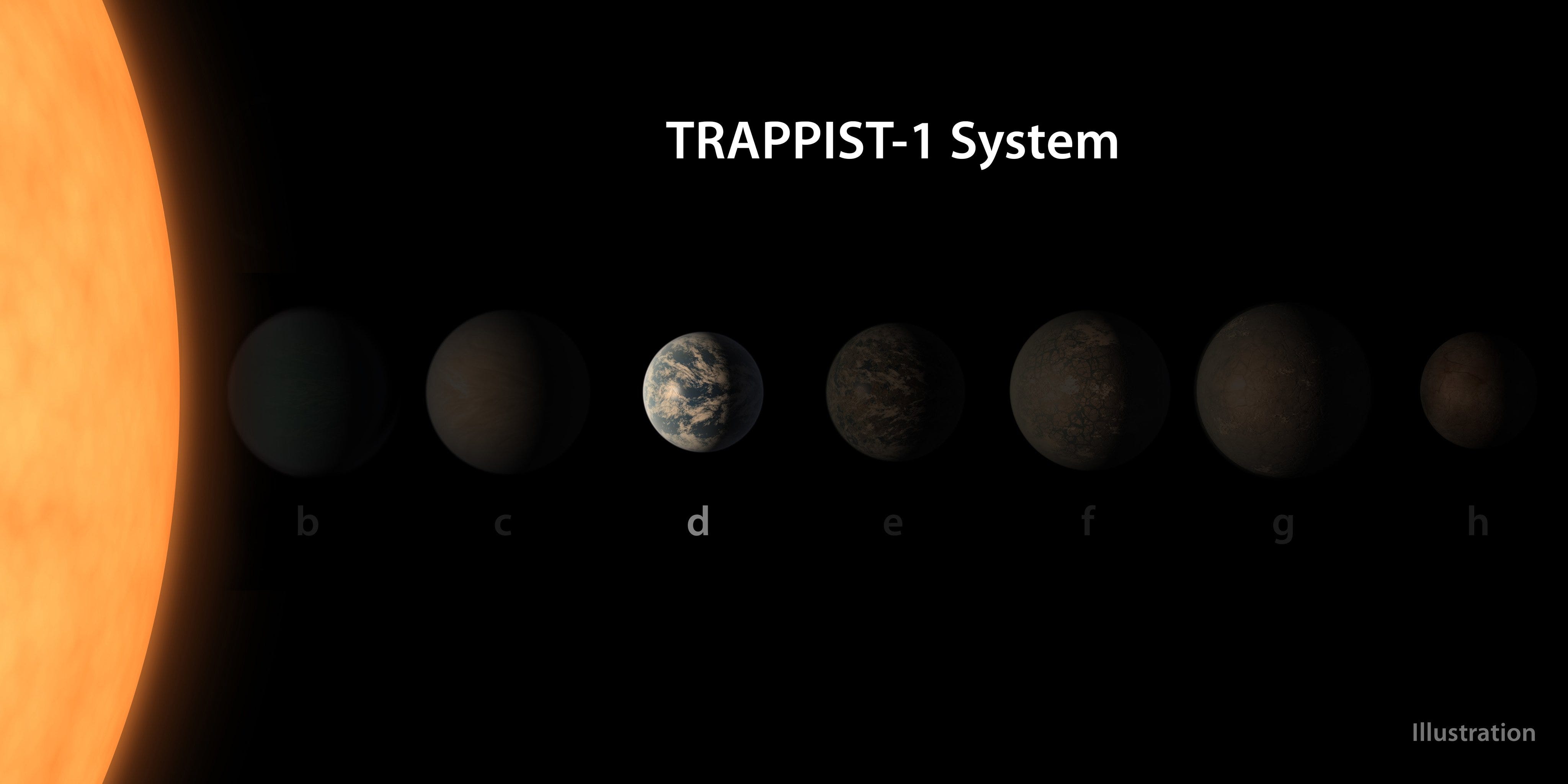
NASA’s James Webb Space Telescope has released its observations of TRAPPIST-1 d, a rocky, Earth-sized exoplanet in the habitable zone of its red dwarf parent star. They indicate that it lacks a substantial atmosphere (read, no atmosphere observed). I would have been surprised if there was any sort of Earth-like atmosphere. Honestly, it's unlikely the other planets in the system have atmospheres either. That or super thick ones—but none or virtually none is most likely. That said, I’m very much looking forward to Webb looking at the rest of the planets! I generally tend not to be very hopeful about red dwarf stars. My guess is for Earth-sized planets any in the habitable zone end up sterilized, with their atmospheres burned away. Maybe the there’s a chance around the very largest, stars that are close to K-type. But the best chance is probably Sun-like stars. (NASA Webb Telescope)


"Webb’s observations from its Mid-Infrared Instrument (MIRI) are providing the strongest evidence to date of a gas giant orbiting Alpha Centauri A." Even more exciting: it orbits within the habitable zone. We should call it Polyphemus, the name of the gas giant that Pandora orbits in the Avatar movies. Now all we need to do is see if it has a green & blue Earth-sized moon. If so, I wonder what we should call it? (NASA)
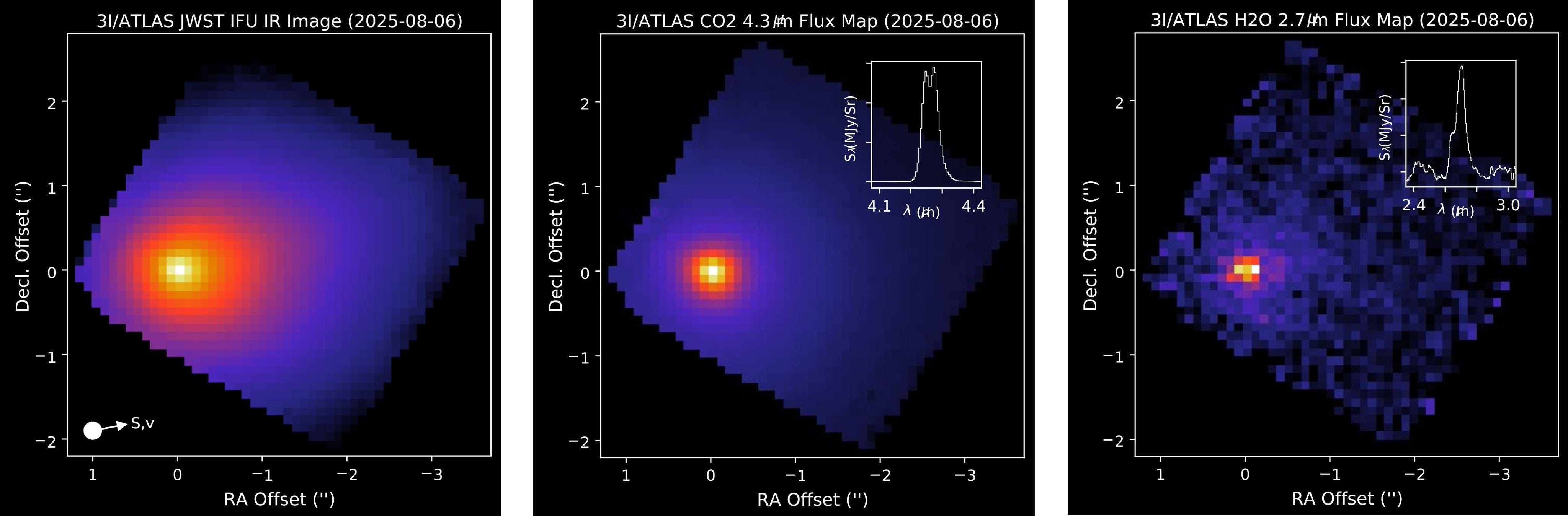
A new interstellar comet 3I/ATLAS, has entered our Solar System. First flagged by NASA’s ATLAS telescope in Chile on July 1, 2025, using archived data stretching back to mid-June. Hurtling along a hyperbolic path from the general direction of Sagittarius, this icy interstellar interloper poses absolutely no danger to Earth—but it offers scientists a fleeting window into material forged in another star system. As it sweeps through the inner solar system it will reach a perihelion of around 1.4 AU in late October. Ground based telescopes will track it through September, then again starting early December as it emerges on the Sun’s far side. (NASA JPL, NASA Webb Telescope)
In an unexpected move, Honda has joined the ranks of companies that make both cars and rockets. The Japanese automaker is reportedly developing a small launch vehicle with might be methalox engines, signaling a serious push into the space sector. With Honda's engineering expertise and commitment to innovation, this could mark a new chapter in the commercial spaceflight sector. (Honda)
NASA’s interim administrator Sean Duffy has said that the agency plans to put a nuclear power plant on the Moon by 2030. "We're in a race to the moon, in a race with China to the Moon. And to have a base on the Moon, we need energy.” Setting up bases near the lunar south pole would be advantageous, as water ice is known to be present there. China is also planning to build lunar outposts, complete with nuclear power, so the race is most definitely on. (Space.com) (The Conversation)
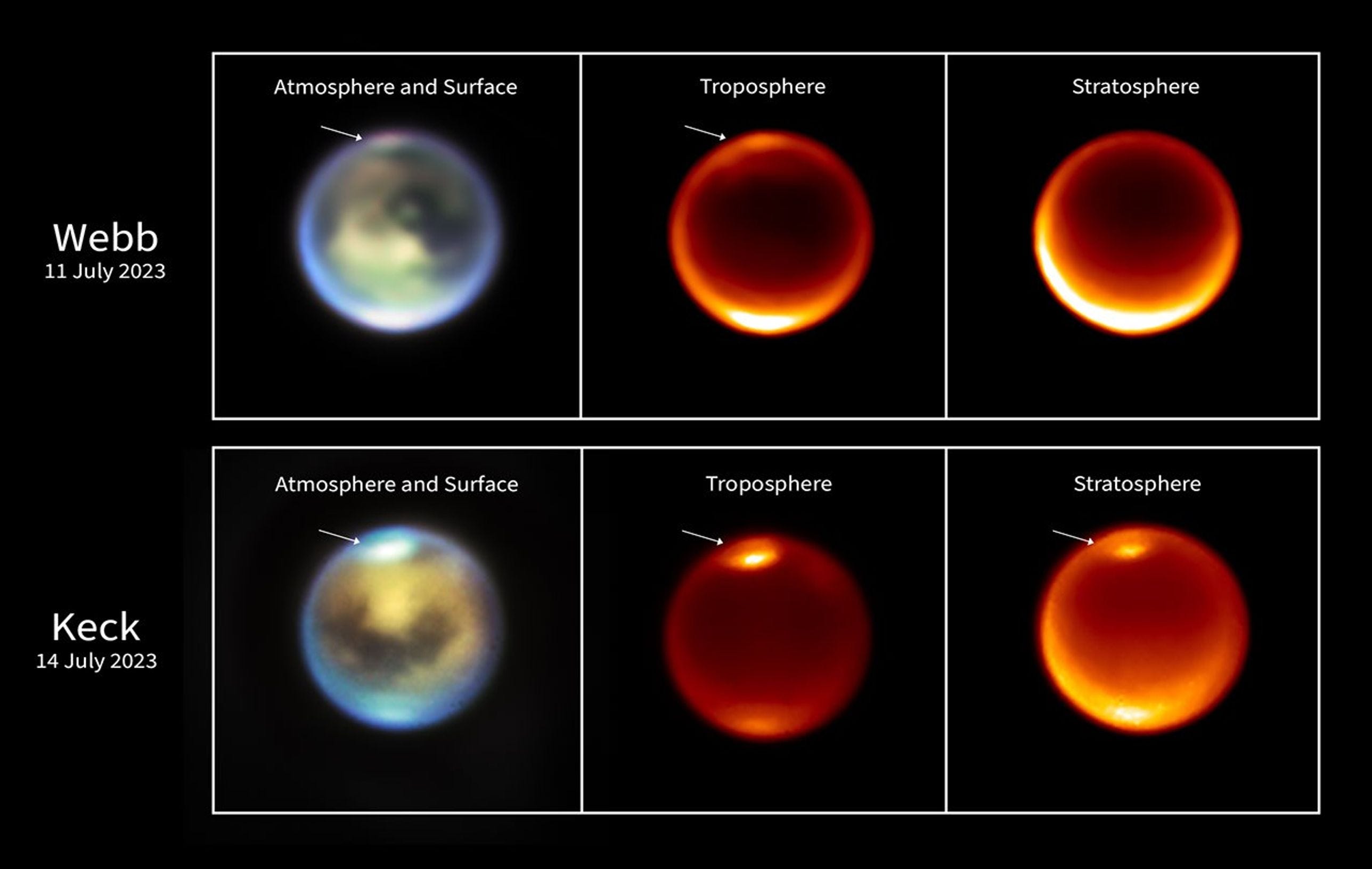
NASA’s James Webb Space Telescope, with support from the Keck Observatory, has captured the clearest signs yet of active weather on Saturn’s moon Titan. The team saw methane clouds forming and rising over Titan’s northern hemisphere, where most of its lakes and seas are located, hinting at ongoing convection and possibly even rain. Webb also made the first confirmed detection of the methyl radical (CH₃) in Titan’s atmosphere, a fleeting molecule created when methane breaks apart. It’s the first time scientists have caught Titan’s complex carbon chemistry in action, not just the inputs and outputs. Titan is particularly fascinating because it’s the only other place in the Solar System with weather like Earth—except instead of water it’s based around methane and ethane. (NASA Webb Telescope)


Natural resources startup Interlune has landed a deal with the U.S. Department of Energy’s Isotope Program to deliver three liters of helium-3 from the Moon by April 2029. Helium-3 is rare on Earth but relatively common in lunar soil, deposited there by the Solar wind over aeons—and valuable for quantum computing, medical imaging, and potentially fusion energy. To fulfill the order, Interlune will process a swimming pool’s worth of regolith using a lightweight, power efficient harvesting system directly on the Moon. The deal is small in volume but big in its implication: the lunar resource economy is about to take a giant leap forward. (Interlune 1) (Interlune 2)

Two new studies from NASA suggest that Venus isn’t the geologically stagnant world we once assumed. One found that its crust is unexpectedly thin—just 40 kilometers (25 miles) thick on average—and actively melts or breaks off into the mantle, helping to drive volcanic activity even without plate tectonics. Meanwhile, another team found that there is actually evidence of tectonic activity still shaping the surface. By analyzing data from NASA’s 1990s Magellan mission, they showed that features called coronae—giant circular formations likely created by mantle plumes—are being reshaped by processes like lithospheric dripping and subduction like sinking. It all points to a dynamic planet, and hopefully upcoming missions like VERITAS and DAVINCI will reveal a lot more. (NASA Solar System)
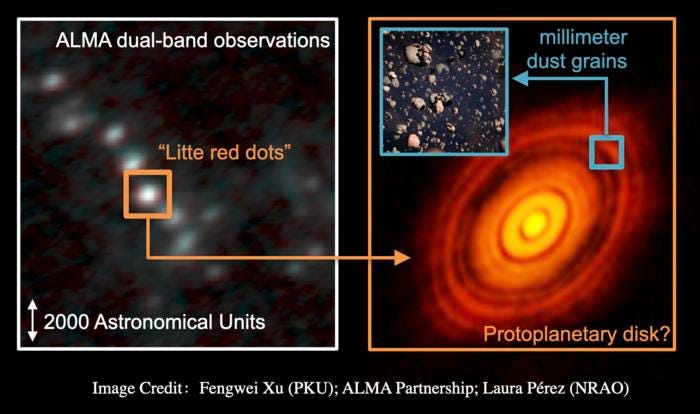
Astronomers have discovered hundreds of what are likely protoplanetary disks near the center of our galaxy. Using the ALMA radio telescope, an international team surveyed three massive clouds in the Central Molecular Zone, an extreme environment near the Milky Way’s center. Despite intense turbulence and heavy dust, they found over 500 star forming cores, more than 300 of which show signs of hosting disks. The presence of these disks in the chaotic galactic center suggests that planets may form across a much wider range of conditions than previously thought—but good luck to any life trying to maintain a foothold there. (Eureka Alert)
AI, Energy, Engineering, & Physics
The first World Humanoid Robot Games took place in Bejing, China this August, with 16 countries participating. It was equal parts interesting and amusing. Definitely nowhere close to human athletes, but imagine what things will look like 10 years from now, then 20, and 30. (Futurism)
Figure Robotics has brought that Jetsons future one step closer, where we all have household robots doing everyday things like the laundry. Their Helix robot managed to both put laundry into a washing machine, and then fold some of it later on. We’re not quite there yet, but maybe in a few years we will be. (Brett Adcock) (Figure)
A Canadian startup might have just solved plastic recycling. Denovia has developed a chemical process that breaks plastic back down into its building blocks. Not with heat or pressure, but with a room temperature reaction that takes just 15 minutes. The result is virgin grade monomers like terephthalic acid (TPA), which can be reused in packaging, textiles, and more. The process works on mixed and unsorted plastic, doesn’t require energy intensive inputs, and delivers an 86% yield. Denovia’s first reactor is already running in Vancouver, with early commercial trials underway. Instead of paying to burn waste, partners pay Denovia to take it — then Denovia sells the output back into the supply chain. It’s fast, clean, profitable, and scalable. After decades of false starts in “advanced recycling,” this one might actually work. (Oilprice.com)
NVIDIA CEO Jensen Huang has introduced what he calls the "ultimate supercomputer," designed to drive the age of physical AI and general robotics. "Humanoid robots get 7.5x AI power boost with NVIDIA’s Jetson Thor computer. NVIDIA Jetson Thor delivers 7.5x more AI compute, powering humanoids, industrial robots and surgical machines.” This ambitious vision positions NVIDIA as a cornerstone for the next generation of robotics, aiming to revolutionize industries and accelerate the development of autonomous technologies. Looks like we may just get our Jetsons style future after all. (Dr Singularity)
UBC engineers have developed a new structural system that could help high rises ride out major earthquakes without damage. Tested on a 30 story scale model in Shanghai, the system withstood over 100 simulated seismic events—including quakes as powerful as those expected from the Cascadia Subduction Zone that runs from northern California up to British Columbia. The building remained fully intact and suffered minimal damage after every shake. Instead of rigid resistance, the system uses rocking foundations and custom dampers to let the building sway and absorb energy. team now plans to work with partners to bring the design to real world projects. (Interesting Engineering)
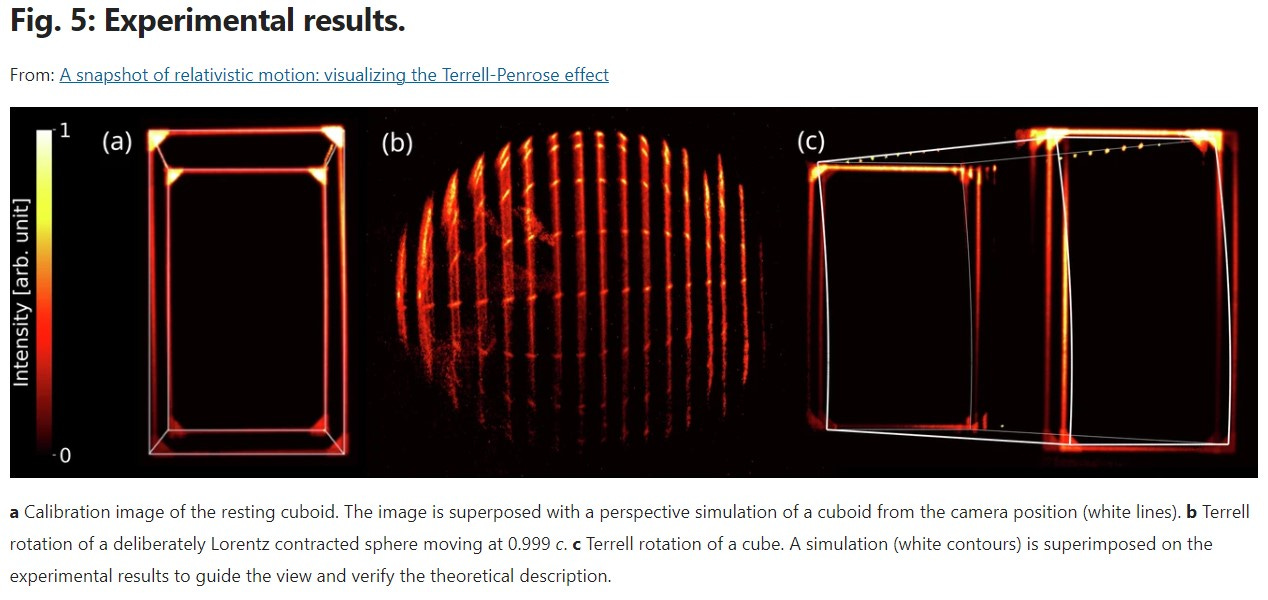
Looks like Relativity is still weird. Objects moving near the speed of light don’t just shrink—they appear rotated, thanks to a strange visual quirk predicted by special relativity. Known as the Terrell–Penrose effect, it happens because light from different parts of an object moving at relativistic speeds reaches your eyes at different times. Now, researchers in Vienna have simulated the effect by simulating the speed of light at just 2 meters per second in a lab. Their high-speed camera setup confirmed the prediction that a cube appeared reversed, and a sphere’s poles shifted—just as Einstein’s math said it would. (Space.com) (Nature)
Medicine & Biotech
In a medical miracle, doctors at Children’s Hospital of Philadelphia and Penn Medicine delivered a personalized CRISPR-based therapy to a baby named KJ, who suffered from a lethal metabolic disorder (CPS1 deficiency). Starting between six and seven months of age, KJ received three carefully dosed infusions of a personalized base editor payload delivered via lipid nanoparticles, correcting his specific genetic mutation. Within weeks, he tolerated more dietary protein and required less medication to manage ammonia levels. His early improvement marks a historic turning point in precision medicine—showing that truly individualized genetic therapies can move from concept to patient in just months. (Nature) (GEN)
Chinese scientists have unveiled a groundbreaking genome editing technique that allows for precise, larger scale DNA modifications without leaving any detectable traces. This advancement addresses key limitations of previous methods, enabling targeted insertions, deletions, and inversions of genetic material in both plants and animals. As a demonstration, the team engineered herbicide resistant rice by executing a precise 315-kilobase inversion, showcasing the potential of this technology to revolutionize genetic engineering and crop improvement. This technology could be used to edit entire chromosomes, potentially leading to a treatment or even cure for Down’s Syndrome. (Science Daily)
Scientists at the University of Minnesota have combined 3D printing, stem cells, and tissue engineering to repair spinal cord injuries in rats. They created a printed scaffold filled with human progenitor cells, which guided the regrowth of severed nerve fibers. In animal tests, this led to measurable recovery of movement, showing that engineered scaffolds can help reconnect damaged spinal circuits. The researchers describe this as an early but promising step toward therapies that could one day restore function after paralysis. (Science Daily)
Researchers in China have engineered an innovative “energy metabolism-engaged nanomedicine” (EM-eNM) that targets aging bone marrow stem cells to combat skeletal aging. These nanoscale particles home in on aged bone stem cells in mice, directly bind mitochondrial ATP synthase, and triggers a cascade of effects that ultimately revamps mitochondrial. Taken together, these effects preserve the cells' youthful regenerative abilities and, most strikingly, reverse osteoporosis in aged animals. If it works in humans, it could be a huge boon for millions, restoring bone tissue health and combating age related decline. (Dr Singularity) (Nature)
Artificial Naps Could Mimic Sleep’s Brain Benefits. In a new study, scientists showed that stimulating the brains of awake monkeys with low frequency electrical signals improved their perception—just like a nap would. The stimulation mimicked the brain’s slow wave sleep patterns, boosting task performance. Researchers now plan to explore a version of this “artificial nap” for humans. Personally, I rather enjoy sleeping, but a power nap during the day without having to actually nap? I’d be down with that. (Scientific American)
Researchers have developed an impressive “smart” gel that accelerates healing of diabetic wounds by restoring blood flow and fostering new vessel growth. The formula combines tiny messenger vesicles with a hydrogel dressing, working like a nurturing scaffold and biochemical coach for damaged tissue. In animal tests, it sped up wound closure far beyond normal healing rates, from weeks or months to just days. This innovation could be a much needed solution for millions facing chronic wounds due to diabetes, and potentially extend to other hard to heal injuries. (Science Daily)
Stanford researchers have shown that blocking an overactive enzyme called LRRK2 can restore communication between dopamine neurons and the striatum in a mouse model of Parkinson’s disease. A mutation that drives LRRK2 into overdrive strips brain cells of their primary cilia, cutting off the signals that normally trigger production of neuroprotective factors. Using a small molecule inhibitor, the team found that after three months of treatment, neurons and glia regrew their cilia, reestablished signaling, and even showed signs of recovery in dopamine connections. The results suggest that targeting LRRK2 could do more than slow disease progression—it may actually help damaged circuits rebound, raising hope for a new class of therapies if caught early enough. (Science Daily)
The Allen Institute has launched CellScapes, a new research initiative designed to decode how human cells interact to form tissues and organs. Moving beyond static snapshots, CellScapes will combine live cell imaging and advanced modeling to understand the rules governing cell behavior. The project aims to predict—and eventually design—how cells work together in health and disease. By building “synthoids,” or artificially engineered cell communities, researchers hope to uncover insights that could transform cancer treatment, regenerative medicine, and personalized therapies. All tools and data will be freely available to the global research community. “This is the future of cell biology. We’re not just observing what life does—we’re starting to understand how and why it works.” (Allen Institute)
Glaucoma has long thought to be driven by homocysteine—an amino acid produced by the body—but a new study points to a different target: vitamin metabolism in the retina. Researchers found that homocysteine is merely a bystander, perhaps an indicator but has nothing to do with disease progression. Instead, disrupted vitamin use in the eye may fuel nerve damage. In rodent models, supplements of B6, B9, B12, and choline halted or slowed optic nerve degeneration. The results were so good that a clinical trial is now underway in Sweden to see if the same approach can help human patients. (Neuroscience New)
Parents of young children everywhere will be happy to hear this one. A new antibiotic gel could replace week long antibiotic courses for treating painful ear infections in children. Developed by researchers using chinchilla animal models, the single application treatment delivers antibiotics directly through the eardrum using negatively charged liposomes [Sidebar: Liposomes are tiny, spherical vesicles formed by lipid bilayers, similar to the membranes of living cells]. Infected chinchillas treated with the gel were fully cured within 24 hours, with no recurrence or inflammation. By targeting the infection at its source, the gel could reduce side effects, improve treatment compliance, and lower antibiotic resistance. The plan is to hopefully start human testing soon. (SciTechDaily)
Agriculture

A startup called InventWood is gearing up to mass produce Superwood—a strong, fire and pest resistant material made from ordinary timber with “50% more tensile strength than steel with a strength-to-weight ration that’s 10 times better. Developed a materials scientist at the University of Maryland and refined over several years, the process strengthens the cellulose present in the wood, modifying “the molecular structure in the wood…and then compresses the result to increase the hydrogen bons between cellulose molecules.” The first batch will start production this summer. (TechCrunch)

How the Chestnut Tree Traced the Rise and Fall of the Roman Empire. Chestnut trees didn’t just follow the legions—they helped fuel them. Favored by the Romans for their fast growing, tannin rich wood, sweet chestnuts spread across Europe as the empire expanded. The trees’ pollen suddenly appears in many areas around 0 AD, which coincides with active expansion of the Empire , and then drops in abundance after its collapse several centuries later—offering a living record of imperial rise and retreat. Though the nuts were seen as food for peasants, the timber’s usefulness for construction and military outposts made it invaluable. Many old chestnut trees standing today could be direct descendants sprouted from Roman era stock. (BBC)
Scientists are developing a miniature, protein rich rice plant designed to thrive in space. The Moon-Rice project, led by the Italian Space Agency in collaboration with three universities, aims to create crops that can grow in microgravity environments, providing astronauts with fresh food during long duration missions. Researchers are isolating mutant rice varieties that grow to just 10 cm high and modifying plant architecture to maximize production and growth efficiency. Additionally, efforts are underway to increase the protein content ratio relative to starch content. Simulations of microgravity conditions are being conducted on Earth to study how the rice plants cope with the unique challenges of space environments. The development of such crops could play a crucial role in sustaining human life on the Moon and Mars, and very possibly find uses here on Earth as well. (Science Daily)
Weird & Wonderful
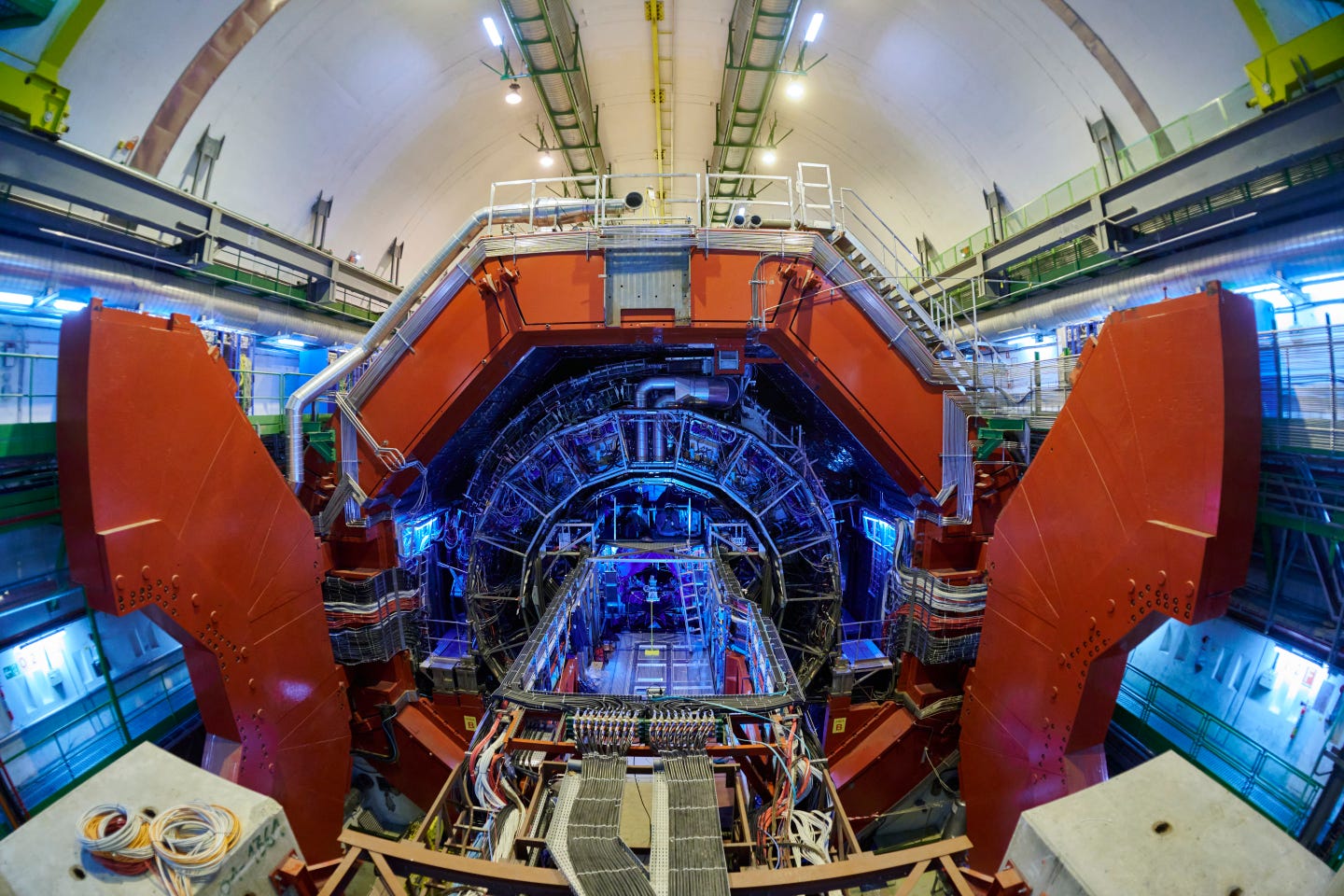
In a modern twist on alchemy, CERN’s ALICE experiment has observed the transmutation of lead into gold. This occurred when high energy lead nuclei at the Large Hadron Collider passed close to each other without colliding, generating intense electromagnetic fields that can knock out protons and transform lead into fleeting quantities of gold nuclei. While the amount of gold produced is minuscule—about 29 picograms—this discovery provides valuable insights into the interactions between heavy ions and the fundamental forces at play in particle physics.
Not to be outdone, a company called Marathon Fusion claims to have discovered a method to transmute mercury into gold using nuclear fusion. Their approach involves introducing mercury-198 into a fusion reactor, where it is bombarded with high-energy neutrons, transforming it into mercury-197. This unstable isotope then decays into stable gold-197 over several days. The company suggests that a fusion plant producing 1 gigawatt of thermal energy annually could yield several tons of gold. While the concept is intriguing, it remains theoretical. Alchemists would have been very impressed though. (CERNpress) (Interesting Engineering)
Scientists have successfully transferred a specific courtship behavior between two species of fruit flies by manipulating a single gene pivotal in the development of male courtship rituals. By introducing it into a different species of fruit fly, researchers observed that males began to exhibit behaviors previously unseen in their kind, offering regurgitated food to females—a trait characteristic of the donor species. The findings offer new insights into the genetic underpinnings of behavior and could have implications for understanding social and reproductive behaviors across species. (New Atlas)
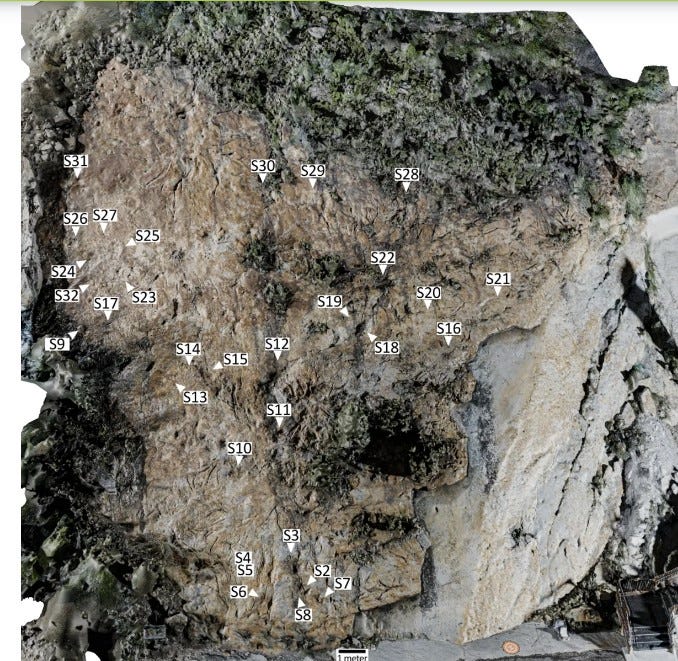
Researchers have uncovered evidence suggesting that dinosaurs engaged in elaborate courtship displays at mating arenas, or "leks," located in Colorado's Dinosaur Ridge. For birds, leks are “spectacular displays that sees males gather together for what is essentially a dance-off. Females will watch the males perform, and the most impressive wins the chance to mate with her.” It appears that therapods might have done something similar. The behaviors included dragging their feet, kicking up sand, and executing movements such as walking backward, shuffling side to side, and a counter clockwise spin. (IFL Science)

Newly dated fossilized footprints in White Sands National Park, New Mexico, confirm that humans inhabited North America around 23,000 years ago—much earlier than the Clovis culture, previously thought to mark the continent’s first human presence. Earlier dating using seeds and pollen had raised doubts, but a new study analyzed the ancient mud encasing the footprints, yielding consistent results across 55 radiocarbon tests. The footprints reveal that people lived in the region during the Last Glacial Maximum, demonstrating remarkable resilience in harsh conditions. Lead author Vance Holliday noted the data’s consistency makes alternative explanations difficult to support. I guess the new question is why is evidence of humans so scarce for the next 10,000 years after this? (New Atlas)
Photos & Videos

A bit reminiscent of the “Pale Blue Dot” photo captured by Voyager 1 back in 1990, the Psyche probe took this image of Earth and the Moon from 180 million miles (290 million kilometers) away, en route to the asteroid Psyche which orbits the Sun between Mars and Jupiter. (NASA JPL)
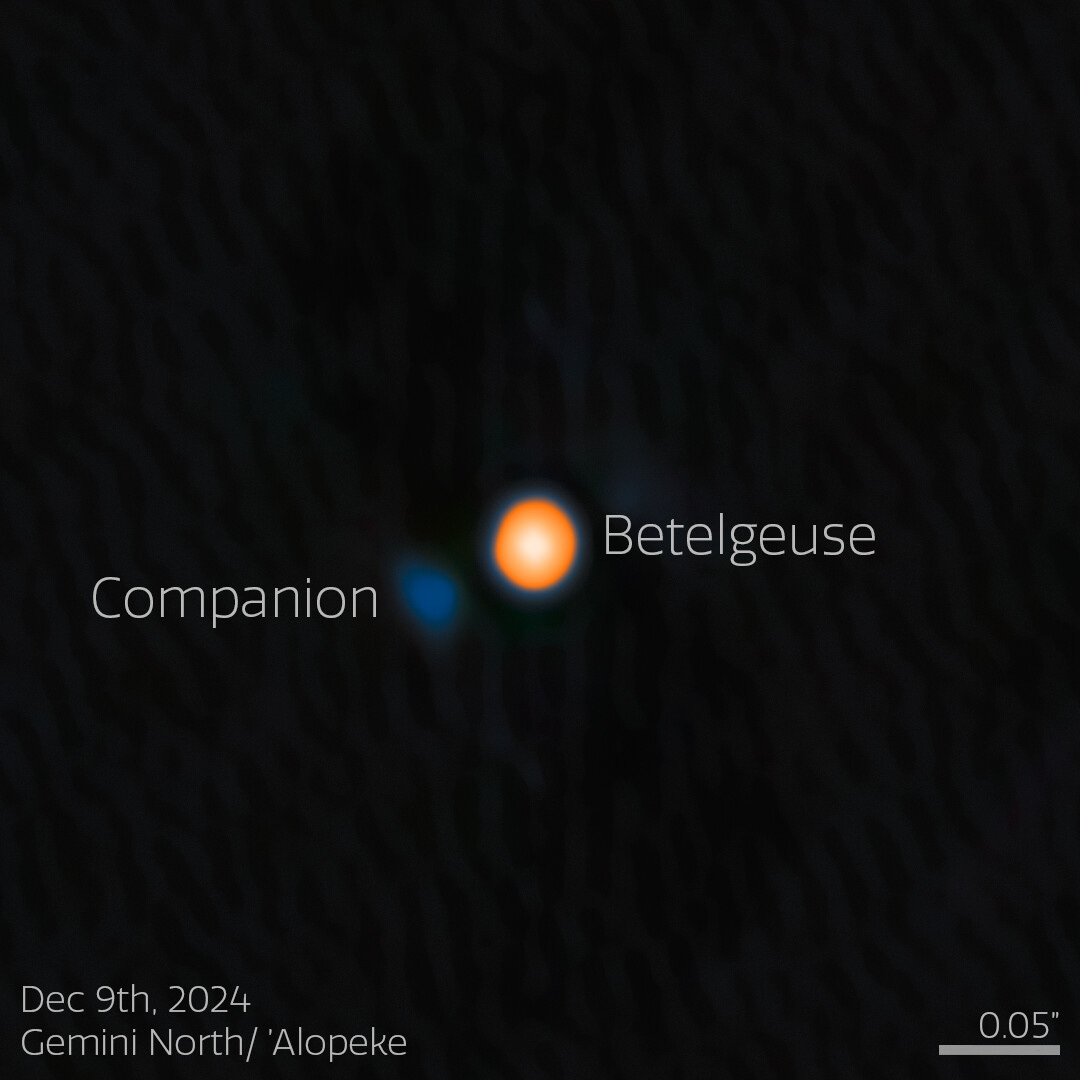
Betelgeuse has a friend—a hidden companion star in tight orbit around the supergiant has been imaged for the first time. (NOIRLab)
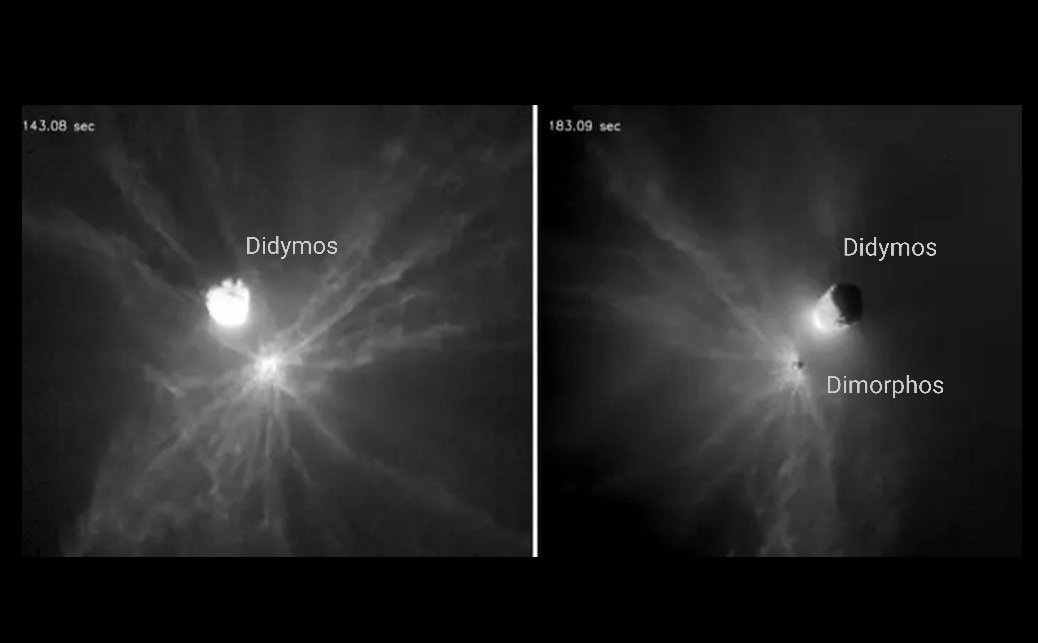
Absolutely spectacular new imagery of the immediate aftereffect of NASA’s DART mission impacting the small asteroid Dimorphos back in 2022. Check out the short video here. It has a bigger effect than anticipated, with “Around 104 boulders tracked in post impact pics as they hurtled away from Dimorphos at 52 m/s. Their sizes varied, from 0.4 to 7.2 meters in diameter.” (TP – Vinny)

Astrophotographer Andrew McCarthy has outdone himself again, creating an incredible piece of composite artwork showing multiple rocket launches over the past two years—with the recent Starship Flight 10 in the center. (Andrew McCarthy)

Have a look at this shot from astronaut Don Pettit, who returned from the International Space Station earlier this year. Starlink satellites appear “as distinct and numerous orbiting streaks in my star trail exposures.” Rather beautiful I’d say. (Don Pettit)

The James Webb Space Telescope has directly imaged its first planet orbiting another star! It’s a gas giant similar in mass to Saturn, located about 111 light years away. (NASA Webb Telescope)
Recommendations & Reviews
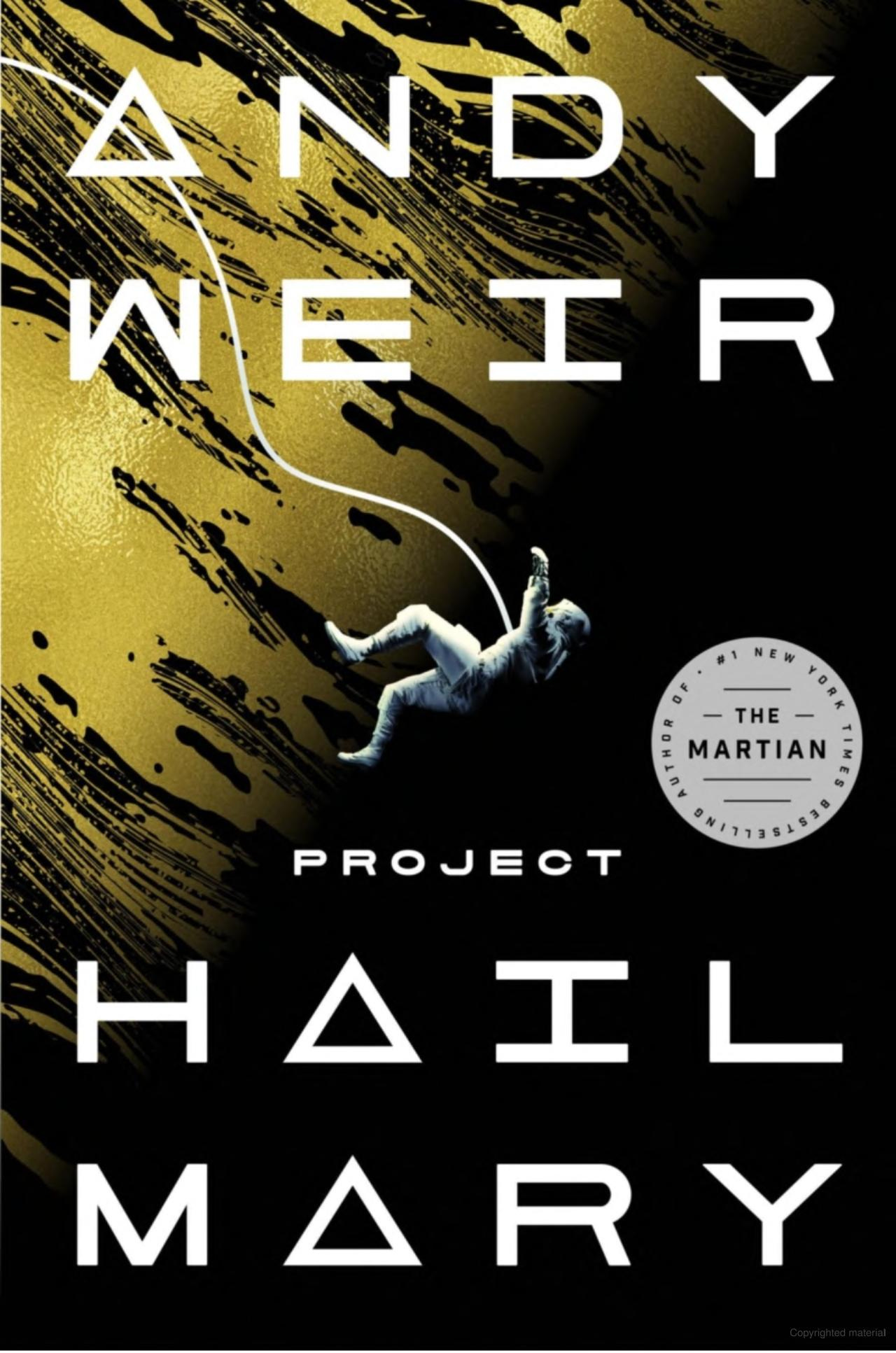
Have you all read The Martian by Andy Weir? Or at least seen the movie? If not, stop reading right now and go watch it. Then come back and carry on here. It’s absolutely excellent, a read that deserves a place in the highest ranks of science fiction.
My recommendation to you today is another book (and soon to be movie!) by the same author, it’s called Project Hail Mary. I don’t want to give too much away, but if you enjoyed The Martian, you’ll love Project Hail Mary too. Go read the book, and check out this trailer for the movie, which will be out next March. I have very high expectations. (Project Hail Mary)
It’s good to be back again, hope you all enjoyed this edition. Stay tuned for the next one, arriving in your inboxes and on Substack September 27th. Thank you all for reading — and until next time, keep your eyes on the horizon.
-Owen
A wonderful compilation! Thank you. And I second your recommendation of Weir's Project Hail Mary. I found it hard to put down and read about 100 pages per day. Looking forward to the movie in 2026.
Good to have you back, Owen! I hope you're enjoying being a dad as much as you enjoy extracting the most interesting tech news from across the world, or even more so!