

Techno-Optimist #32
Complex chemistry on Enceladus, how to (impressively) stop an asteroid, Starship success, quantum beats classical, AR for the battlefield, the Nobel Prizes...and a whole lot more.


Welcome to the thirty-second edition of Techno-Optimist, your destination for all the latest updates and commentary on space, science, technology, medicine, energy, AI, and much more. To the new readers since last time, welcome aboard.
Question for all of you on newsletter format: do you like the current setup with long form items at the beginning, followed by the shorter ones in various categories? An alternative setup might have most long form items in their various section. E.g., nuclear energy updates would go in the Energy, Engineering, & Physics section. A third option is taking some longer items and sending them out as separate, shorter newsletters. AI updates for instance, which to be honest is getting a bit long. Maybe Robot updates, and Nuclear Energy updates as well.
I’m going to test that third option. You’ll notice that AI Updates, Nuclear Energy Updates, and Robotics Updates (three of the longest) are missing this time from the long form item section. I’ll be sending them out the next three Saturdays, with a poll next time to see what you all think of it.
As always, we’ve got a lot to cover, so let’s dive in.
“The human society of the future desperately needs a frontier. Psychologically and ethically, we need a venue where “a majority of one’s efforts are not in competition with others but directly against nature.” —J. Storrs Hall
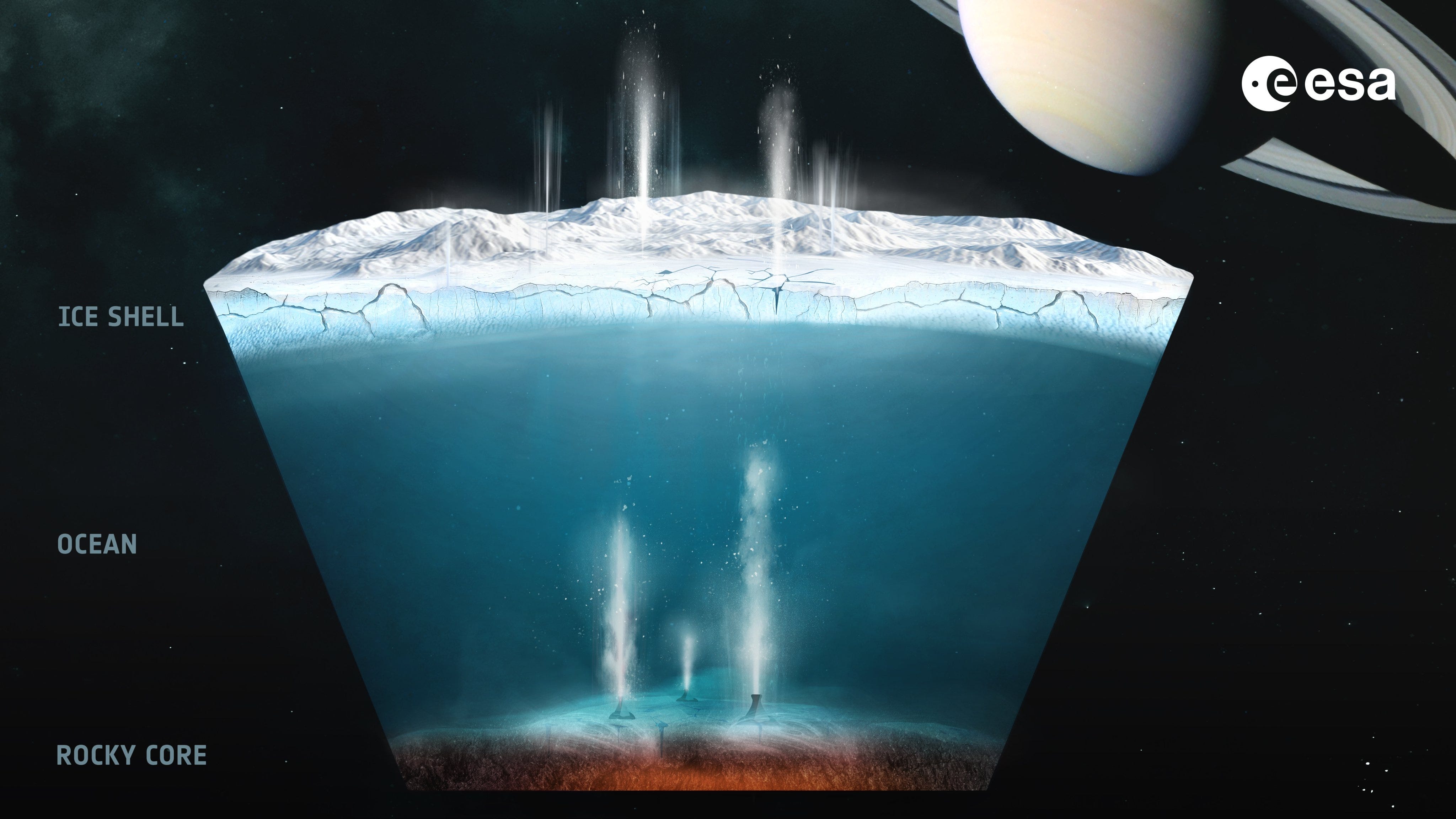
Enceladus. Recent analyses of data collected by NASA’s Cassini spacecraft have uncovered new complex organic molecules in the plumes of Saturn’s moon Enceladus, suggesting that its subsurface ocean may harbor rich chemical activity. These findings bolster the case for Enceladus as a prime candidate in the search for extraterrestrial life.
In 2005, Cassini detected evidence of a liquid water ocean beneath Enceladus’s icy crust, with plumes of seawater venting from the moon’s south pole. Subsequent studies of the ice grains in these plumes revealed multiple molecular building blocks of life. Now, scientists revisiting Cassini’s data have identified suites of complex organic molecules in the plumes, including aliphatic and cyclic compounds, indicating that the ocean’s chemistry is more intricate than previously understood. These complex molecules suggest that Enceladus’s ocean may possess the necessary chemical ingredients to support life. The presence of both oxidized and reduced compounds in the plumes indicates that chemical reactions could be occurring within the ocean, potentially leading to the formation of biologically relevant molecules.
The discovery of these complex organic molecules enhances the scientific community’s interest in Enceladus and underscores the importance of continued exploration of its subsurface ocean. Future missions to Enceladus could provide further insights into the moon’s potential to support life and contribute to our understanding of the conditions necessary for life elsewhere in the universe.

How to stop an asteroid. I love Kurzgesagt videos, they’re educational and just overall awesome. This one on how we can stop dangerous asteroids is no exception. The problem with ideas like shooting nukes at a potential impactor—especially a large one—is that the explosion actually wouldn’t do much damage in space, merely making a smallish crater on the surface. For true destruction, you need to actually be inside the rock (hence the plot of both Deep Impact and Armageddon). But there’s an easier way, tungsten spikes 2m (6.5 ft) long and weighing 2.5 tons, which are placed in the path of the asteroid. Because it’s already moving so fast relative to Earth and the spikes, no propulsion is needed, just hunks of metal that will impact and vaporize both themselves and a significant amount of rock and ice. A small group of these would obliterate a ‘small,’ city or regional destroyer sized asteroid.
For a true planet killer, things get a bit more tricky. A series of larger spikes would be placed in a line, digging a deeper and deeper hole into the asteroid as it impacts them. Last in the series would contain a nuke (there, you knew it was coming), which would be effective in shredding the asteroid due to how far inside it is when it explodes. We have the technology to do all this now, and should probably start thinking seriously about setting up a Planetary Shield of this type, combined with the telescopes necessary to give us enough warning to implement it.


Starship flies again. Starship just had its eleventh test flight earlier this month, and as an excellent Ars Technica article summarized it, “SpaceX finally got exactly what it needed from Starship V2.” The V2 refers to the 2nd generation Starship design, of which this flight was actually the last—going forward we’ll start seeing the 3rd generation ships testing technologies needed to develop the space economy, do missions to the Moon, and colonize Mars. While lessons were learned and valuable data gathered on every flight, this was probably the most successful so far, hitting every objective and paving the way for even more spectacular tests next year.
(photo) In other news, SpaceX talked about their “fully automated bakery in Florida,” that is now set “to produce thousands of heat shield tiles per day to outfit the coming fleet of Starship vehicles.” The company also just announced timelines and pricing for cargo Starship Moon and Mars missions, which will begin in 2028 and 2030 respectively. The cost for each is $100M per metric ton, or $100,000 per kg. For reference, the Apollo program was at least $1M per kg to the lunar surface.
Have a look at some of the photos I’ve added here or linked, they really look like something out of a sci-fi.
Full coverage of Starship’s eleventh flight test.
Super Heavy hot-staging and boostback burn.
Starship reentering Earth’s atmosphere.
SpaceX finally got exactly what it needed from Starship V2
Timeline and cargo for Moon and Mars.
Cancer treatment updates. Lots happening as always, I just hope some of this can make it into mainstream treatment sooner rather than later. MIT and Harvard teams have “created engineered CAR-NK cells [natural killer cells are part of the immune system] that can hide from the immune system and more effectively destroy cancer.” Over at UCLA, scientists used an engineered antibody to “target a protein…found on the surface of certain aggressive cancer cells and the supportive stroma cells surrounding them. By pairing the antibody with radioactive particles, scientists can both visualize tumors for precise imaging and deliver targeted radiation therapy directly to cancerous tissue, while sparing healthy tissues.”
A new “super vaccine” using nanoparticles managed to prevent “melanoma, pancreatic, and triple-negative breast cancers in mice—with up to 88% remaining tumor-free.” While in another breakthrough a therapy using light to heat up tiny flakes of tin killed “up to 92% of skin cancer cells and 50% of colorectal cancer cells. It did so without harmful effects on healthy human skin cells, demonstrating the safety and selectivity of this approach.”
One more: a new immunotherapy combo managed to completely annihilate tumors in advanced colorectal cancer.
2025 Nobel Prizes. This year’s Nobel Prizes have been announced. For Chemistry, it was awarded for “the development of metal-organic frameworks.” In physics three scientists won ““for the discovery of macroscopic quantum mechanical tunnelling and energy quantisation in an electric circuit.” And in physiology or medicine the award was given to three researchers “for their discoveries concerning peripheral immune tolerance.” Lastly for our purposes is the prize for economics, “for having explained innovation-driven economic growth.” It was actually split into two parts, with part one “for having identified the prerequisites for sustained growth through technological progress” and the other half “for the theory of sustained growth through creative destruction.”
Funny story, Fred Ramsdell (who was one of the winners for medicine) was out on a multi-day hiking trip and completely off the grid when the prizes were announced. He had no idea he’d won until sometime later. (Nobel Prize Chemistry) (Nobel Prize Physics) (Nobel Prize Psychology or Medicine) (Nobel Prize Economics)
Space
Inversion Space has built a reusable capsule called Arc that they say will be “the world’s first space-based delivery vehicle,” allowing “on-demand delivery of cargo and effects to anywhere on Earth in under an hour.” Both military and civilian applications are pretty profound, everything from logistical support and resupply, to disaster relief in hard to reach areas. Oh, and it’s all autonomous too. (Inversion)
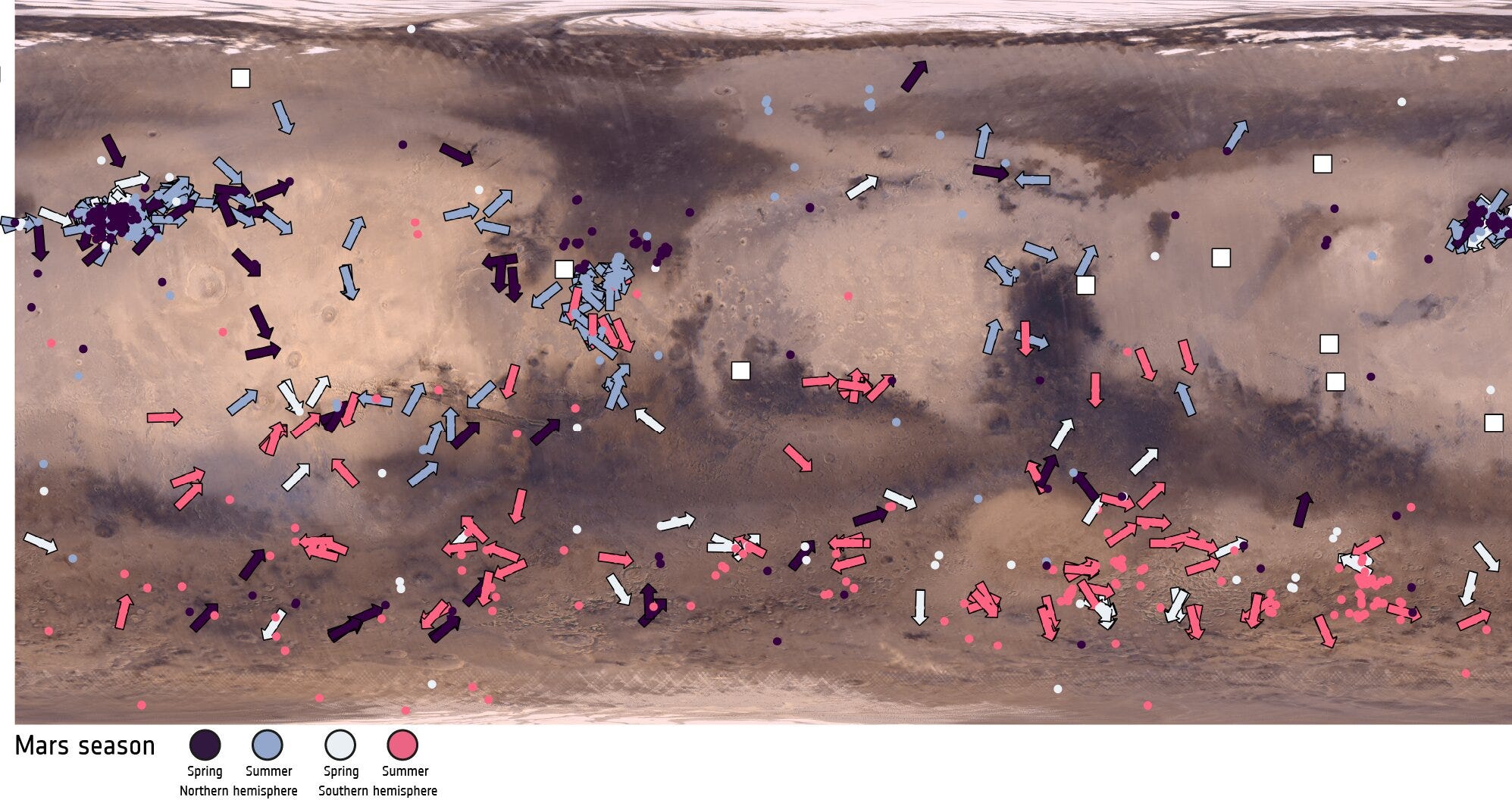
Using AI to analyze 20 years of orbital images, scientists tracked 1,039 Martian dust devils and discovered winds reaching up to 158 km/h (98 miles/h)—far exceeding previous estimates from rover measurements and climate models. The tornado like whirlwinds, most common during spring and summer between 11 AM and 2 PM local time, lift massive amounts of dust that shapes Mars’s weather and climate. Better understanding these powerful winds will help engineers design safer landers and rovers—and improve predictions for future Mars missions threatened by dust coating solar panels or buffeting equipment during descent. (Phys.org)


Impulse Space plans to deliver 6 tons of cargo to the Moon annually (across 2 missions per year) starting in 2028 using their Helios kick stage paired with a new in-house lunar lander—each combo hauling 3 tons per mission without needing in space refueling. Impulse is betting their vertically-integrated rapid development approach can help kickstart Moon based infrastructure and resource utilization. (Impulse Space)
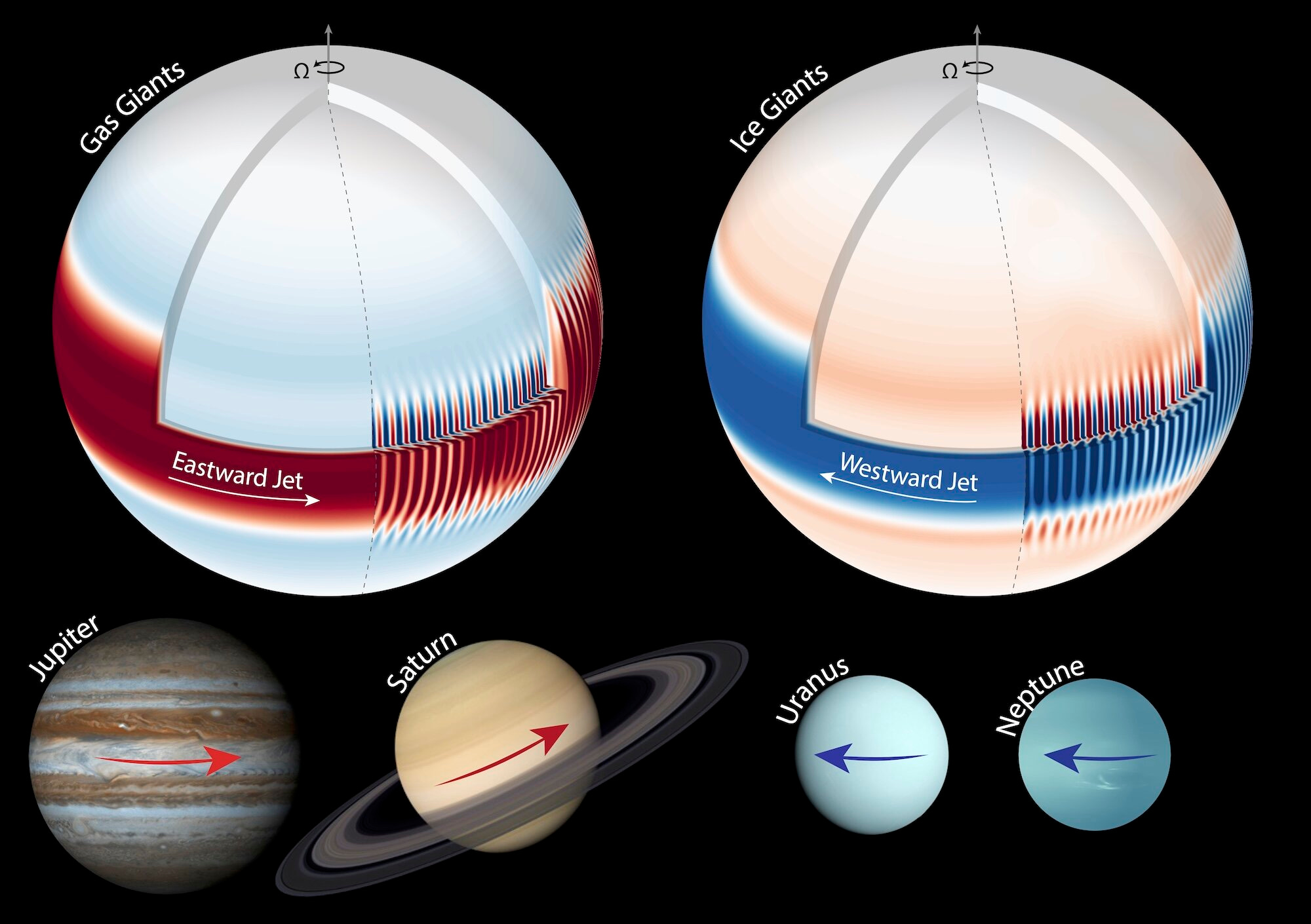
Scientists finally explained why Jupiter and Saturn have eastward equatorial jet streams while Uranus and Neptune flow westward—all four result from fast rotating convection cells that can settle into either direction, “establishing a direct link between jet direction and atmospheric depth.” The unified model shows a bifurcation where very similar conditions produce different stable states, solving a decades old why similar factors (little sunlight, internal heating, fast rotation) result in jet streams moving in different directions. Understanding this mechanism could help decode atmospheric dynamics on gas giants elsewhere in the universe too. (Phys.org)
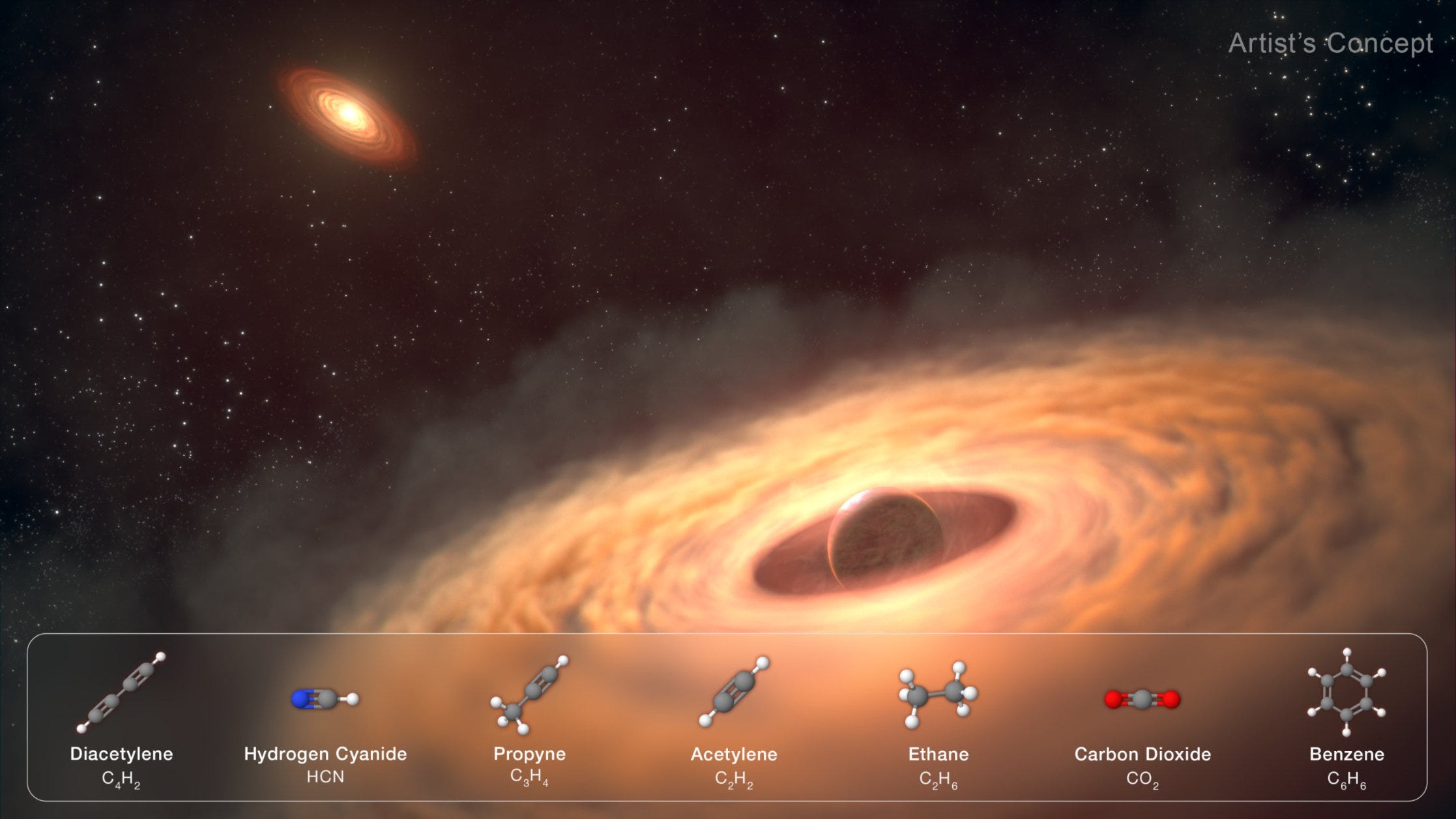
Webb detected seven carbon-rich molecules—including benzene and acetylene—in a potential moon-forming disk around exoplanet CT Cha b, 625 light-years away, providing the first direct chemical measurements of an environment where moons are born. The discovery lets astronomers witness moon formation in real time and compare it to how Jupiter’s Galilean moons likely condensed from a similar disk billions of years ago—with nine more accessible systems queued for Webb’s survey. (NASA Web Telescope)
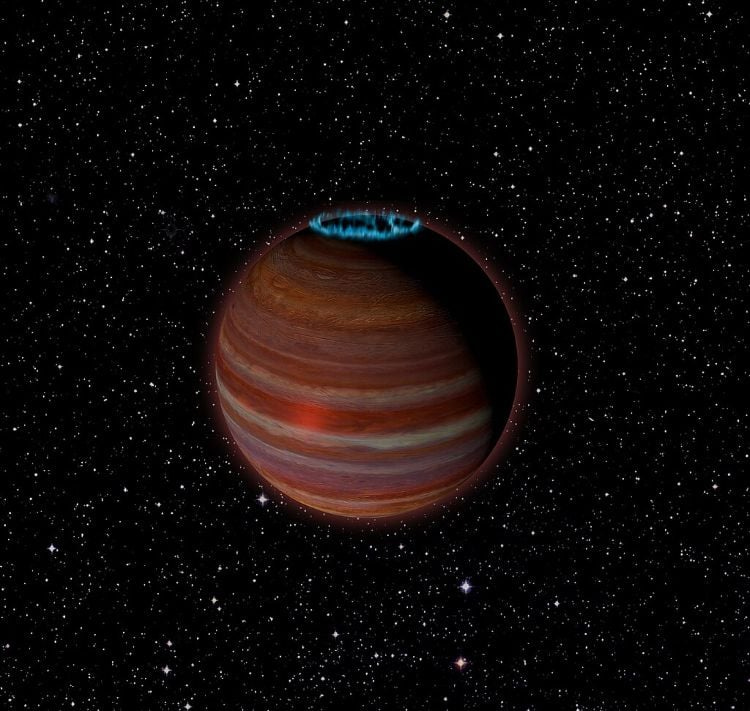
James Webb has detected intense auroras on SIMP-0136, a rogue planet about 20 light-years away with no parent star. The auroras are so powerful they heat the upper atmosphere, creating a thermal inversion where temperatures rise with altitude—opposite to what we see on Earth. The planet is also cloaked in silicate clouds, more like floating sand than water vapor. These findings show that even starless worlds can have complex weather systems, challenging our models of planetary atmospheres. They also open the door to studying the unique environments of rogue planets in unprecedented detail. (Universe Today)
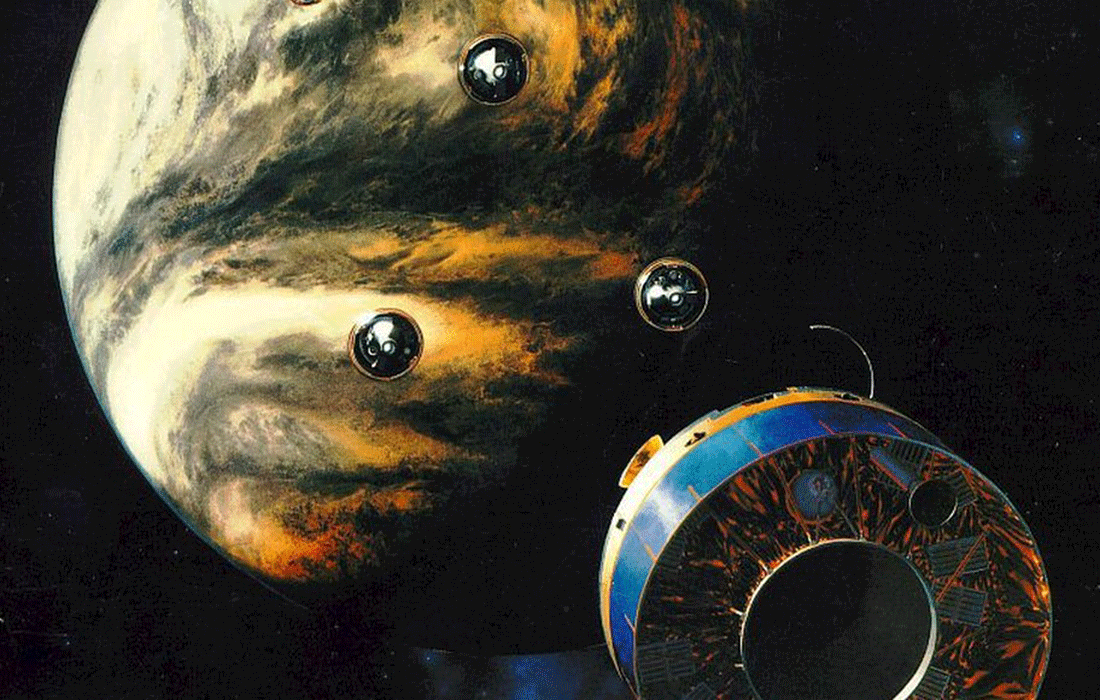
Reanalyzed data from NASA’s 1970s Pioneer Venus mission indicates that Venus’ cloud aerosols are approximately 60% water—predominantly in the form of hydrated compounds like ferric and magnesium sulfates. This contrasts with the previously held opinion that the clouds were mainly sulfuric acid. The discovery was made by examining mass spectrometry data from the Pioneer Venus Large Probe, which had been archived on microfilm. Researchers found that as the probe descended, aerosol particles clogged the instruments, leading to temporary drops in CO₂ readings. By analyzing the temperatures at which these aerosols decomposed, they identified significant releases of water and sulfur compounds. This finding suggests that Venus’ clouds contain more water than previously thought, which could have implications for the planet’s potential to support life. (Universe Today)
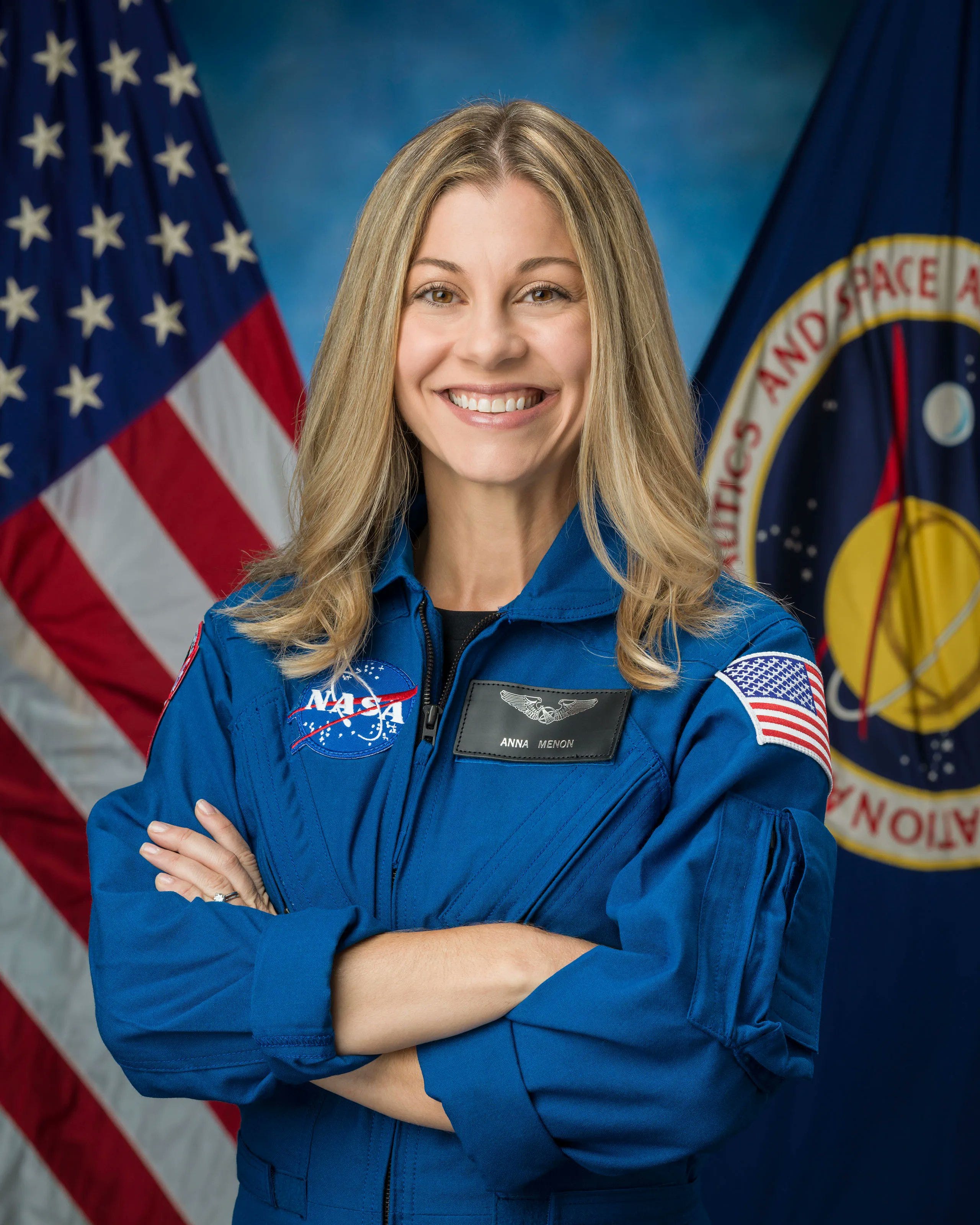
NASA has just announced its 2025 astronaut candidates. For the first time ever, one of them has already been to space (we’ll soon see a lot more of this). Anna Menon is a former SpaceX engineer who flew aboard the Polaris Dawn mission last year, and if all goes well she’ll have the opportunity to walk on the Moon sometime within the next decade. (NASA) (Toby Li)
Engineering, Energy, & Physics
We’ve known it for a while, but now there’s finally proof. Researchers at UT Austin have mathematically proven that quantum computers can “unconditionally outperform classical computers.” Using a task where a quantum system (“Alice”) sent encoded states to another (“Bob”), the team showed that a classical computer would need 62 bits of memory to match the quantum device’s performance—while the quantum processor used just 12 qubits. This marks the first definitive proof of “quantum information supremacy,” demonstrating that real quantum hardware can exploit its vast exponential memory to solve problems forever out of reach for classical machines. (Phys.org)
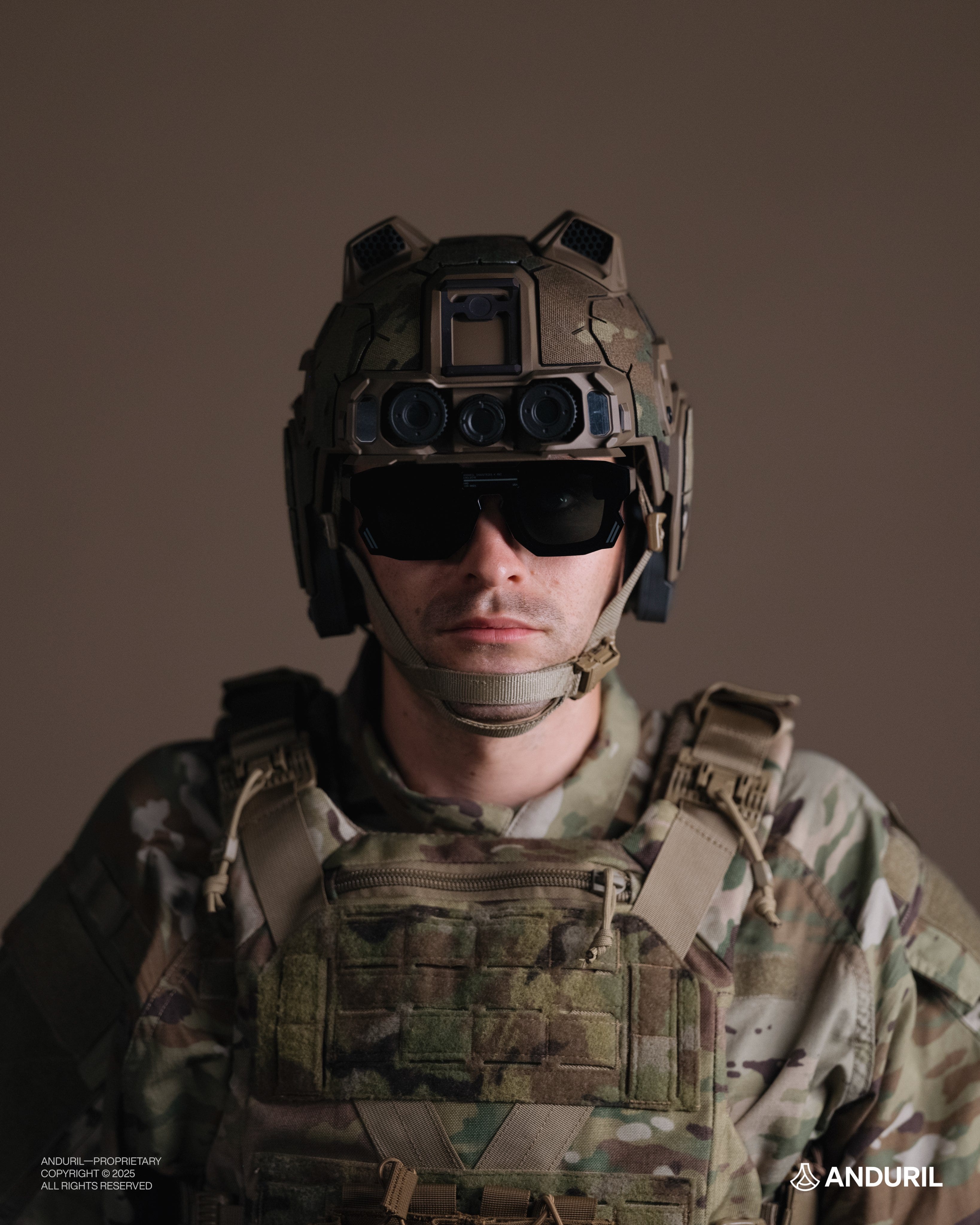
Anduril Industries recently unveiled EagleEye, “the family of warfighter augments that place mission command & AI directly into the operator’s helmat.” It brings command-and-control, live sensor feeds, and autonomous decision aids into a single AR (augmented reality) helmet so soldiers can see threats, sensor tracks, and task nearby drones in real time. It’s the same AI networking Anduril uses for vehicles, giving soldiers immediate situational awareness and direct control—equipping soldiers “with the ability to plan, fight, and survive while connected to every asset in the battlespace.” (video) Take a look at this video, it really is science fiction type technology. (Anduril Industries) (@anduriltech)
In a nutshell, Heisenberg’s Uncertainty Principle says that you can’t know precisely both the position and momentum of a particle. As you get a better measure of one thing, the uncertainty level on the other rises. But for any natural law, there usually seems to be a way around it if we’re clever and persistent enough—two things that humans are very good at. Physicists in Britain and Australia have managed to sidestep the restriction and measure both position and momentum simultaneously. They did it by shifting “the unavoidable quantum uncertainty to places we don’t care about…so the fine details we do care about can be measured more precisely.” (Phys.org)

Speaking of breaking (really just bending to the point where you’re playing jump rope with them) the rules of physics to get stuff done, scientists have just figured out how to get around the Carnot principle, which determines “the maximum efficiency of heat engines.” It turns out that the Carnot principle doesn’t really apply in the quantum realm where “particles become correlated, interacting in ways that defy classical physics.” I’m not going to pretend I understand this, but the results indicate that nanometer scale machines “functioning at the atomic scale are capable of converting not only heat but also correlations into usable work. What’s more, these systems can generate more output, allowing the efficiency of a quantum engine to exceed the conventional Carnot limit…Tiny motors, no larger than a single atom, could become a reality in the future” In other words, we can power our nanobots—or nanites for all us Stargate fans. (Interesting Engineering)
Here’s a good little explainer of quantum physics for anyone interested.
Scientists have developed an ultrathin LED that emits light almost indistinguishable from natural sunlight. The flexible film, just nanometers thick, uses quantum dots to produce a full, balanced color spectrum while cutting harsh blue light. It’s efficient, easy on the eyes, and can be tuned for different environments. Researchers say the technology could transform indoor lighting, next generation computer or television displays, and even horticultural systems needing realistic sunlight. Not to mention potential uses on the Moon, Mars, and beyond. (Science Daily)
Why can’t we build things like this anymore? Not only is it absolutely spectacular, but it cuts what was formerly a two hour drive down to a couple minutes. There’s also a restaurant at the top, and did I mention it can create an artificial waterfall? And, the cherry on top of this cake is they built it in less than four years. (Collin Rugg)
Berkeley Lab has developed a compact laser–plasma accelerator that can generate muon beams on demand, using a device just 30 cm long. The system accelerates electrons with intense laser pulses and collides them with lead targets to produce muons (most of which are flying off in the same direction), enabling non-destructive imaging through dense materials, including rock hundreds of meters thick. Delivering over 40 times more muons than natural sources like cosmic rays, the accelerator could revolutionize muon tomography for scanning volcanoes, ancient structures like the pyramids, and nuclear materials. I wonder if there’s an application here for muon catalysed fusion? (Phys.org)
Medicine & Biotech
In another case of the truth being stranger than (science) fiction, a team has built a swallowable bioprinter—a pill sized device that can print living tissue directly inside the body. Once swallowed, magnets guide it to a damaged site, like a stomach ulcer, where a near infrared laser triggers it to release a bio-ink that forms a living patch over the wound. In animal tests it repaired internal injuries without surgery, marking a major step toward fully internal regenerative medicine. Future versions could print therapeutic cells or growth factors on demand, letting patients one day “swallow a cure” instead of going under the knife. (Interesting Engineering)
A gel made from deoxyribose—the sugar molecule in DNA—triggered 80-90% hair regrowth in balding mice, matching the effectiveness of minoxidil (a leading hair loss reversal medication) without hormonal side effects. Researchers stumbled upon the discovery while studying wound healing, noticing treated mice regrew fur faster than controls by boosting blood vessel formation around hair follicles. The naturally occurring sugar could offer a simple alternative without the side effects of current treatments, and potentially restore hair growth after chemotherapy. Human trials are still needed, but this looks promising. (Science Alert)
Researchers at UC Irvine have discovered that supplementing a specific polyunsaturated fatty acid—not the usual DHA—can reverse age-related vision loss in mice by restoring vital very-long chain lipids in the retina, countering the decline driven by the ELOVL2 gene. This simple intervention boosted visual performance and reversed cellular aging markers without needing to tweak the gene itself. Genetic variants in ELOVL2 were also linked to faster progression of age-related macular degeneration (AMD), paving the way for early risk screening. Longer term, this could lead to easy dietary therapies to prevent blindness in the elderly, and even extend to rejuvenating the immune system. (Science Daily)
A rheumatoid arthritis drug dramatically improved heart attack recovery in mice by blocking T-cell activation and reducing post heart attack inflammation—preserving heart function. Around 25% of heart attack survivors die within three years due to inflammation-induced heart failure, but this anti-inflammatory approach could change that by targeting the root problem (overactive T-cells after a heart attack), rather than just treating symptoms. (Medical Xpress)
A new gene therapy called AMT-130 has slowed Huntington’s disease progression by 75 percent in clinical trials—the first treatment to ever accomplish that for the fatal neurodegenerative disease. The therapy uses custom DNA delivered via ‘minor’ brain surgery to instruct cells to produce RNA that destroys the mutant huntingtin protein causing the disease. One patient in the trial, who was medically retired due to the disease, has now returned to work—and researchers believe this approach could eventually work for other neurodegenerative conditions like Parkinson’s and motor neuron disease. (IFL Science)
University of Bath researchers engineered a tiny peptide that locks proteins in their healthy shape, preventing the toxic clumping that drives Parkinson’s disease—demonstrated in worm models. The treatment “checks several important boxes: it’s durable, and it can survive inside cells without causing any toxic side effects.” The same approach could tackle Alzheimer’s and Lewy body dementia, though delivering peptides to human brains remains a challenge to solve before clinical use. (Science Alert)
Two new compounds, K102 and K110, could become the first treatments to actually repair the nerve damage caused by multiple sclerosis—not just slow it down. After screening over 60 candidate molecules, researchers identified these drugs that both rebuild the protective myelin sheath around nerves and balance immune responses in human cells and mouse models. Licensed by Cadenza Bio and backed by over a decade of collaboration, K102 is now advancing toward clinical trials—and the approach could eventually work for other neurological conditions like spinal cord injury and traumatic brain injury. (Science Daily)
MIT researchers have discovered that the amino acid cysteine—found in meat, dairy, legumes, and nuts—can dramatically regenerate intestinal tissue by activating CD8 T (immune system) cells to release IL-22, a molecule that stimulates stem cell growth. The finding could offer a simple dietary approach to help cancer patients heal from radiation or chemotherapy damage, and researchers are now investigating whether cysteine might trigger regeneration in other tissues like hair follicles. Unlike cysteine produced naturally in the liver, dietary cysteine concentrates directly in the gut where it’s most needed—turning an ordinary nutrient into a targeted healing tool. (SciTechDaily)
Taurine—a common amino acid found in energy drinks and supplements—can actually reverse alcohol induced brain damage by stimulating neurogenesis in the hippocampus, according to new research. Scientists gave taurine to rats with ethanol damaged brains and found it increased cell proliferation by 145.8% and cell survival by 54%, reducing inflammation and restoring cognitive function through protection against oxidative stress. Intriguingly, taurine only triggered neurogenesis in damaged tissue, not healthy brains—suggesting it acts like a targeted repair mechanism that activates only when needed, potentially offering a simple therapeutic approach for reversing neurological damage from alcohol abuse. (MDPI via X)
Japanese researchers have engineered a “supercharged” vitamin K that’s three times more effective than natural vitamin K at promoting neuron growth—potentially offering a way to reverse neurodegenerative diseases like Alzheimer’s and Parkinson’s. The enhanced compound, created by linking vitamin K with retinoic acid, activates a brain receptor to stimulate neurogenesis, crosses the blood-brain barrier efficiently, and remains stable in living systems. Unlike current medications that only ease neurodegenerative disease symptoms, this approach could actually replenish lost neurons and restore brain function—turning a vitamin supplement into a regenerative medicine. (Science Daily)
Heparin, a cheap, widely available drug traditionally used for blood clots, has been shown to cut COVID-19 ventilation rates and death risk in half when delivered directly to the lungs via inhalation. The drug offers a rare triple threat: it’s antiviral, anti-inflammatory, and anticoagulant all at once, making it potentially effective against any respiratory infection including influenza, RSV, and pneumonia regardless of whether they’re caused by viruses or bacteria. Researchers are now developing an optimized inhalation formulation and planning trials across Europe—and because heparin is inexpensive, it could provide accessible pandemic defense for low-income countries when the next respiratory threat emerges. (Science Daily)
Researchers have cracked CRISPR’s password system—”CRISPR needs a password, a specific DNA signal called a PAM (protospacer adjacent motif), located next to the target gene, before it can make a cut”—using a new method that maps these codes directly in human cells by analyzing over 10,000 sequences in every single cell studied, instead of just 1-3 sequences, which had been done before. While traditional methods could typically identify 4- to 6-letter passwords, the new approach can decode at least 10 letters easily, dramatically expanding where CRISPR tools can target the genome. This breakthrough accelerates development of safer, more precise gene therapies by revealing exactly which DNA sequences each CRISPR variant can access—essentially creating a comprehensive map of the genome’s editing possibilities. (Phys.org)
Scientists at the University of East Anglia have developed a 96% accurate blood test for Chronic Fatigue Syndrome (ME/CFS) by analyzing how DNA folds in 3D—revealing a unique pattern that appears consistently in patients but not in healthy people. Using EpiSwitch technology that reads “epigenetic” markers rather than fixed genetic code, the test achieved high sensitivity and specificity, finally offering objective diagnosis for a condition affecting over 400,000 people in the UK (and many more elsewhere) who are often told their illness is “all in their head.” The breakthrough could also pave the way for a similar test to diagnose long COVID—and the immune pathways identified may guide development of targeted treatments for both conditions. (Medical.net)
Speaking of long COVID, Japanese researchers have finally identified the biological cause of long COVID brain fog using advanced PET imaging—discovering widespread increases in AMPA receptor (AMPAR) density directly correlated with cognitive impairment severity. The imaging technology can distinguish long COVID patients from healthy individuals, providing the first objective biomarker for a condition affecting over 80% of long COVID sufferers. The discovery not only validates brain fog as a measurable biological condition rather than something “in people’s heads,” but also reveals that drugs suppressing AMPAR activity could potentially treat the cognitive symptoms plaguing hundreds of millions worldwide. (Science Daily)
Engineered nanoparticles slashed amyloid-beta (the toxic protein clumps in Alzheimer’s) levels by 50-60% within one hour in Alzheimer’s mice by reactivating the blood-brain barrier’s natural waste removal system, rather than directly attacking the proteins. Three shots rejuvenated LRP1 transporters that ferry toxic proteins out of the brain into the bloodstream for disposal, with cognitive improvements lasting six months—treated elderly mice navigated mazes easily and even built nests again. The approach repairs the barrier itself instead of bypassing it, potentially avoiding the brain bleeds and side effects plaguing current anti-amyloid antibody therapies. (Singularity Hub)
Scientists have discovered dynamic nanotube tunnels connecting the dendrites of neurons in mouse and human brains—creating a “web” similar to how fungal networks connect tree roots underground. These dendritic nanotubes transmit electrical calcium signals, sprout and dissolve within minutes to hours, and appear to shuttle toxic proteins from damaged neurons to immune cells while receiving healthy mitochondria in exchange. The discovery adds a fourth communication method beyond synapses, gap junctions, and vesicle transport—and could explain how the brain coordinates repairs in conditions like Parkinson’s and Alzheimer’s, where these rescue tunnels have been observed forming between struggling neurons and protective microglia. (Singularity Hub)
Engineers at UMass Amherst have built artificial neurons using protein nanowires from electricity producing bacteria that operate at just 0.1 volts—matching biological neurons and using 100 times less power than previous designs. The breakthrough enables direct communication with living tissue without amplification, potentially eliminating the clunky, power hungry interfaces in wearable sensors that currently need to boost signals before processing them. Beyond bio-inspired computing that rivals the brain’s remarkable efficiency (20 watts versus a megawatt for ChatGPT to write a story), the same bacterial nanowires have already been used to create sweat powered biofilms, disease sniffing electronic noses, and devices that harvest electricity from thin air. (Science Daily)
Chinese scientists have managed to reverse aging in monkeys across 54% of tissue types using a stem cell therapy. In moneys, this reversal was roughly 3-5 years of biological age, which could translate to 9-15 years in humans. Some caveats: this has not been replicated yet, the scientists used a new epigenetic methodology to measure aging reversal instead of more standard ones, and a method to generate stem cells from each individuals own cells would need to be incorporated into the treatment. All that said, this is pretty exciting. (Bryan Johnson)
Agriculture
Michigan State researchers discovered that a metabolic compound normally involved in creating plant “sunscreen” can reprogram a protein that senses UV light. By modifying how plants sense light and produce protective compounds, crops could be engineered to grow more efficiently in low light or harsh environments—potentially turning light perception itself into a tunable dial for improving agricultural resilience. (SciTechDaily)
Scientists have finally solved why photosynthesis only uses one of two symmetrical pathways in Photosystem II (“This complex captures sunlight and splits water molecules, releasing oxygen and sending electrons onward to other molecules in the chain of energy transfer”). There are two almost identical branches through which electrons can move in Photosystem II, but these new findings show that the second (D2) branch has twice the energy barrier, making electron flow energetically impossible. The researchers found the D2 pathway has 100x higher resistance than D1, explaining decades of puzzling experimental results. The discovery could enable artificial photosynthesis systems by revealing how to rewire electron flow—potentially allowing us to engineer more efficient solar-to-fuel conversion by swapping specific pigments to overcome nature’s energy blocks. (Science Daily)
Weird & Wonderful
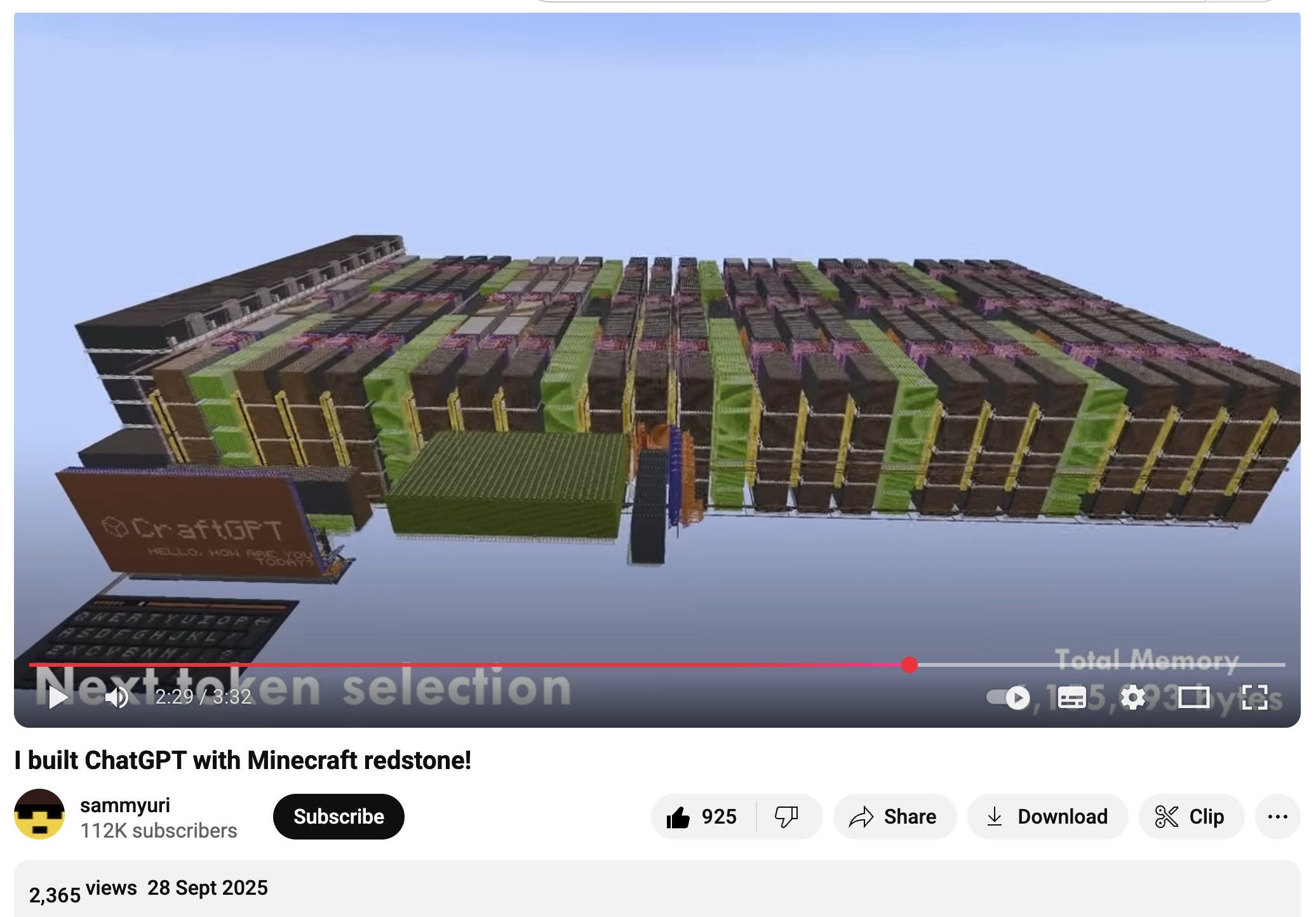
Mindblowing is a good way to describe this. Someone in Minecraft “built a 5 million parameter language model,” then they “trained it, [and] equipped it with basic conversational ability.” Creating AI within a simulated world. (@tokenbender)

No driver, no ticket? In San Bruno, California, police pulled over a Waymo self-driving car for making an illegal U-turn—only to find there was no human driver, leaving them unable to issue a citation. The department joked that their ticket books don’t have a category for “robot,” highlighting a legal gray area as autonomous vehicles become more common. The episode underscores how quickly traffic laws will need to adapt to the realities of autonomous driving. (Rocky Mountain Outlook)
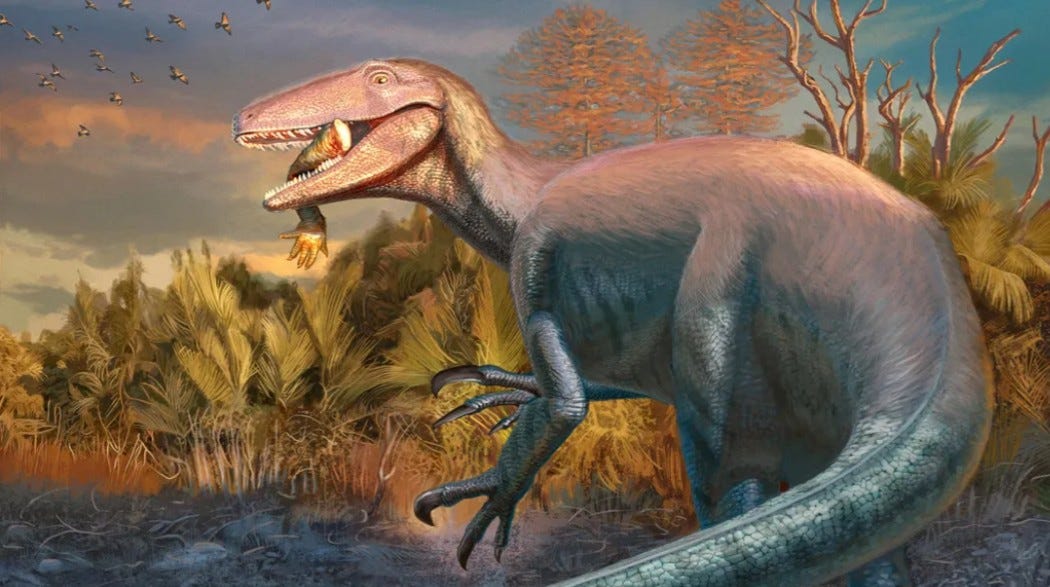
Paleontologists in Argentina have unveiled a new apex predator: Joaquinraptor casali, a megaraptor measuring approximately 23 feet (7 meters) in length. Distinguished by its formidable forelimbs and “claws like hedge trimmers,” it would have been a formattable predator. Remarkably, the fossil was discovered with the leg bone of an ancient crocodile relative still clutched in its jaws. (Live Science)

Elon Musk’s xAI is working on a new project called MACROHARD, the goal of which is to “create a company that can do anything short of manufacturing physical objects directly, but will be able to do so indirectly, much like Apple has other companies manufacture their phones.” It’s a play off of Microsoft, and is likely inciting chuckles from junior high school students everywhere. (Elon Musk)
Photos & Videos
Scientists have used data from the Gaia space telescope to create “the most accurate three-dimensional map of star-formation regions in our Milky Way galaxy.” It’s pretty spectacular. (ESA)
Have a look at the beautiful microscopic world captured in Nikon’s Small World 2025 Photomicrography Competition. (Nikon)


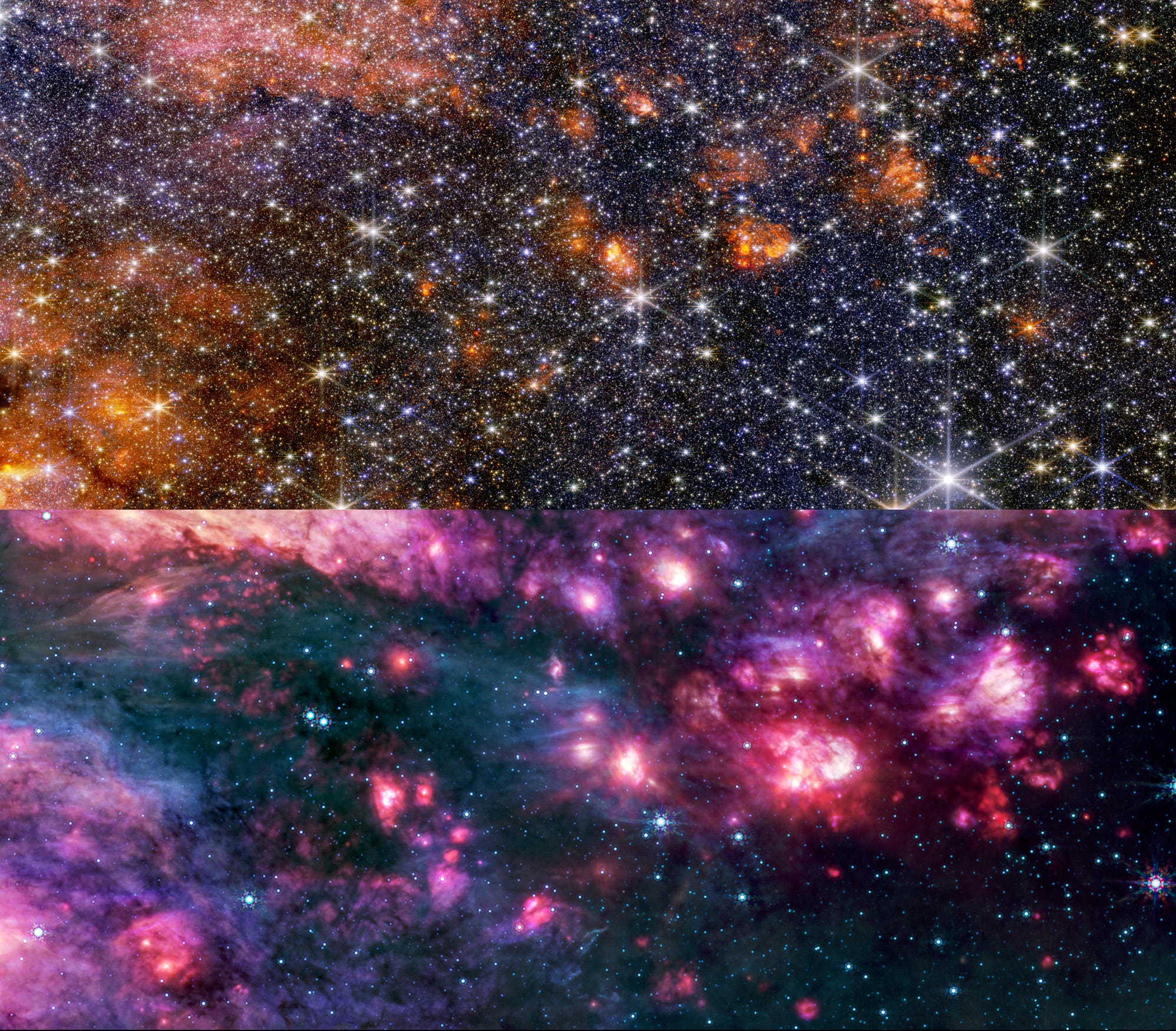
NASA’s JWST took a close look at the Sagittarius B2 molecular cloud, which is actually the “most massive, and active star-forming region in our galaxy,” despite being only a few hundred light years away from it’s central black hole. (NASA Webb Telescope)
Recommendations & Reviews
Today I’d like to recommend an excellent essay by J.K. Lundblad on Substack. It’s called Pollution’s Peak, and in a nutshell makes the (correct) argument that while economic development initially has a negative environmental impact, it turns positive at higher levels. “Once again, growth is not the disease; it is the cure.” (Risk & Progress)
That’s all for this edition. Techno-Optimist will be back in your inboxes on November 22nd. Don’t forget that next Saturday will be the first test editions of AI Updates #1, with Nuclear Energy Updates #1, and Robotics Updates #1 coming on the following Saturdays.
Great read as always. I am looking forward to the test editions for the updates on AI, nuclear energy and robotics! AI and robotics totally deserve this special focus. Personally, I would prefer medicine/life sciences over nuclear energy in the separate update.