

Techno-Optimist #34
Anti-aging news, SpaceX to go public, Mars was once tropical, dark matter finally found?, antimatter production takes a leap forward, crops that fertilize themselves...and a whole lot more


Welcome to the thirty-fourth edition of Techno-Optimist, and a very Merry Christmas to everyone! Wherever you are, I hope the holidays are treating you well, with lots of food and time with friends and family.
Just a quick personal update: I’ve actually been experiencing some health issues (heart this time, born with some problems). It’s been a couple rough weeks, but thankfully I seem to be improving a bit. Anyways, that’s why the last Robot and Nuclear Energy updates didn’t make it out, and why this newsletter is coming out today instead of last Saturday. The plan going forward is to publish AI, Robots, and Nuclear Energy updates over the next three Saturdays as per usual, but bear with me if they’re late or cancelled.
Speaking of splitting out those topics, thank you to everyone who voted last time. The results were 82% in favor of doing them separately, which I agree with. That way you’re not waiting a month between newsletters, and the main one isn’t quite so long.
Before we start, I’d just like to say how thankful I am for so much, and how much I’ve been blessed with (despite the challenges). Family, close friends, a warm house, food on the table, many other good material things, and most especially the greatest gift of all—Jesus. As the carol goes,
“Hail the heaven-born Prince of Peace!
…
Mild He lays His glory by,
Born that man no more may die,
Born to raise the sons of earth,
Born to give them second birth.
Hark! the herald angels sing,
Glory to the newborn King”
Merry Christmas everyone!
Ho ho ho, let’s dive in.
“When something is important enough, you do it even if the odds are not in your favor.”
– Elon Musk
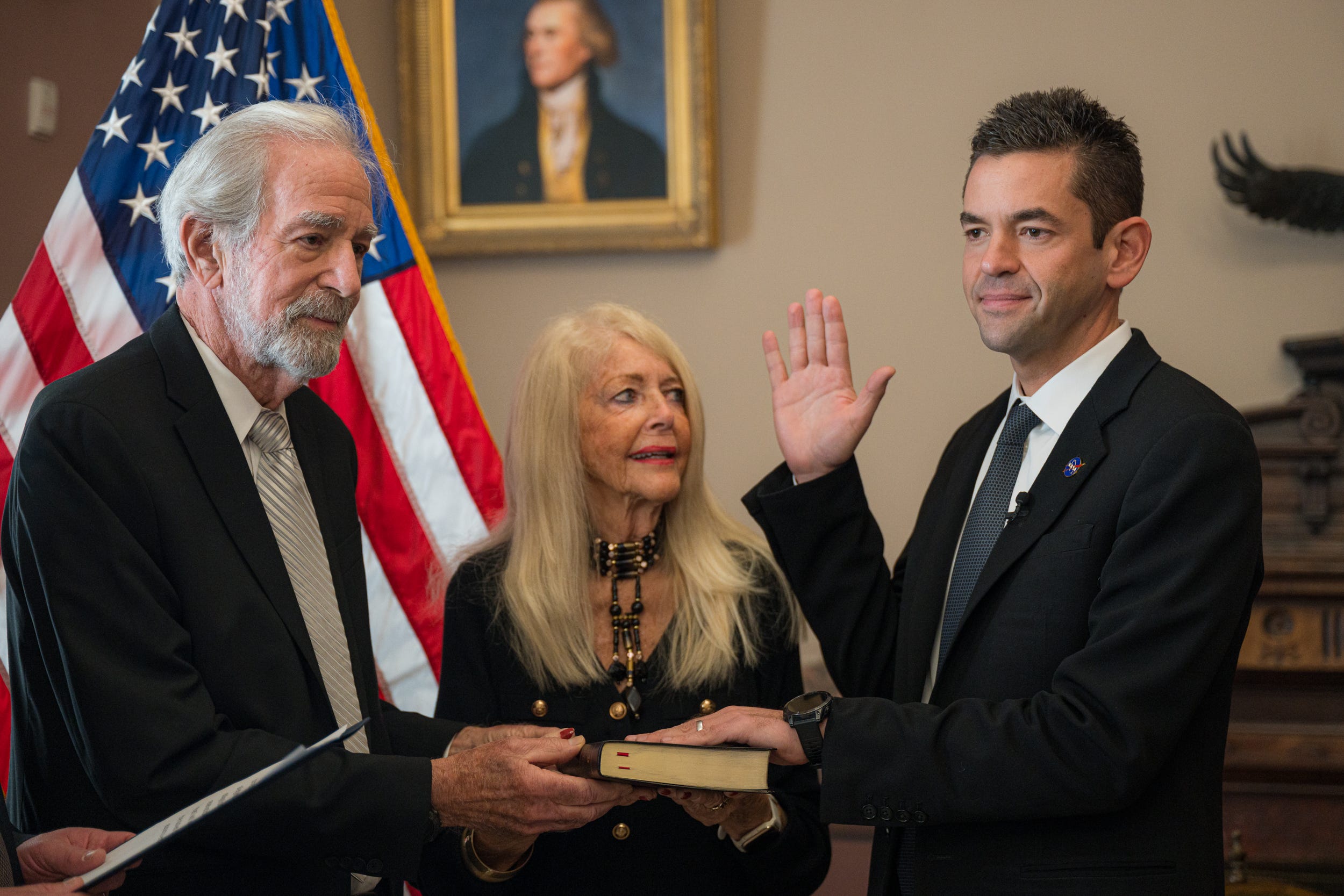
A New NASA Administrator. After many twists and turns, Jared Isaacman is finally, officially, NASA’s new Administrator, being sworn in on December 18th. His own words are well worth reading:
As I step into this role, I make these personal commitments:
– Mission: I will champion the bold objectives of human space exploration, scientific discovery, and a thriving orbital economy that ensures America’s leadership in space. We will never again give up our capabilities to reach for the stars, and we will never settle for second place.
– Integrity: I will serve responsibly, transparently, and without personal gain, covering every cost I am legally permitted to, and fully adhering to my ethics agreement. My loyalty is to my country, my President, and the space agency that has inspired me since I was a child.
– Urgency: I will intensely focus the agency on achieving the near-impossible, the very reason NASA was established in the first place. We will eliminate the bureaucracy that impedes progress and empower the best and brightest to take ownership, move quickly, accept smart risks, and act with a relentless focus on mission success.
– Inspiration: Every launch, every scientific breakthrough must inspire the next generation to dream bigger, to reach higher, and believe that anything is possible. In addition to my existing philanthropic efforts, I will donate my salary as Administrator to the U.S. Space & Rocket Center’s Space Camp to help prepare the pioneers of tomorrow.
I am humbled by this opportunity, proud to serve, and ready to work alongside the most talented minds in America as we continue the greatest adventure in human history. Sincerely,
Jared Isaacman
NASA Administrator
The same day, President Trump signed a sweeping executive order to ensure “American space superiority.” Among the ambitious goals are a directive to return Americans to the Moon by 2028, to begin construction of a permanent lunar outpost by 2030, and to have a nuclear reactor as a power source on the Moon that same year. The order signals a sustained U.S. push to lead in both human spaceflight and space technologies as competition with other nations (China) heats up.
Our understanding of the universe is incomplete. We’ve known for a while that there’s some things that don’t add up with our current picture of how the universe works. But those cracks have been getting wider lately, particularly due to something called the “Hubble tension.”
The Hubble tension is a disagreement about how fast the universe is expanding. When astronomers measure the expansion rate (the Hubble constant) using the early universe, mainly the afterglow of the Big Bang called the cosmic microwave background radiation, they get a slower value. But when they measure it using the nearby, present day universe—by observing distances to stars and galaxies—they get a noticeably faster one.
The problem is that both methods are extremely precise and internally consistent, yet they don’t agree, even after accounting for any possible measurement errors. That suggests either there’s an unknown systematic mistake hiding in one (or both) techniques, or our current model of the universe is missing some undiscovered physics—such as a previously unknown form of energy, changes in how gravity works, or new particles influencing cosmic expansion.
You all know I love Kurzgesagt videos, here’s an excellent and timely one on this exact topic.
One good way to think about this problem is by considering some previous crises in astronomy: the orbits of Uranus and of Mercury. When the orbit of Uranus was precisely calculated, scientists at the time discovered it wasn’t completely following the laws of gravity. They didn’t toss those laws out, they theorized that there was a “dark planet” tugging gravitationally on Uranus that explained the discrepancy. Shortly afterwards, Neptune was discovered, exactly where it was predicted to be. Later, the orbit of Mercury also didn’t make sense, so astronomers initially went down the same path, proposing another planet closer to the Sun—which they actually named Vulcan. Except there is no planet there, so an entirely new approach was needed. The result was Einstein’s theory of relativity, an entirely different framework than Newtonian gravitational dynamics. It worked, and because gravity bends spacetime Mercury’s orbit then made sense under our newly expanded understanding of how the universe works.
So the question now is, are we in a Uranus moment where there’s some undiscovered “stuff” we need to find, or is this a Mercury moment where we need an entire new set of theories to understand it?
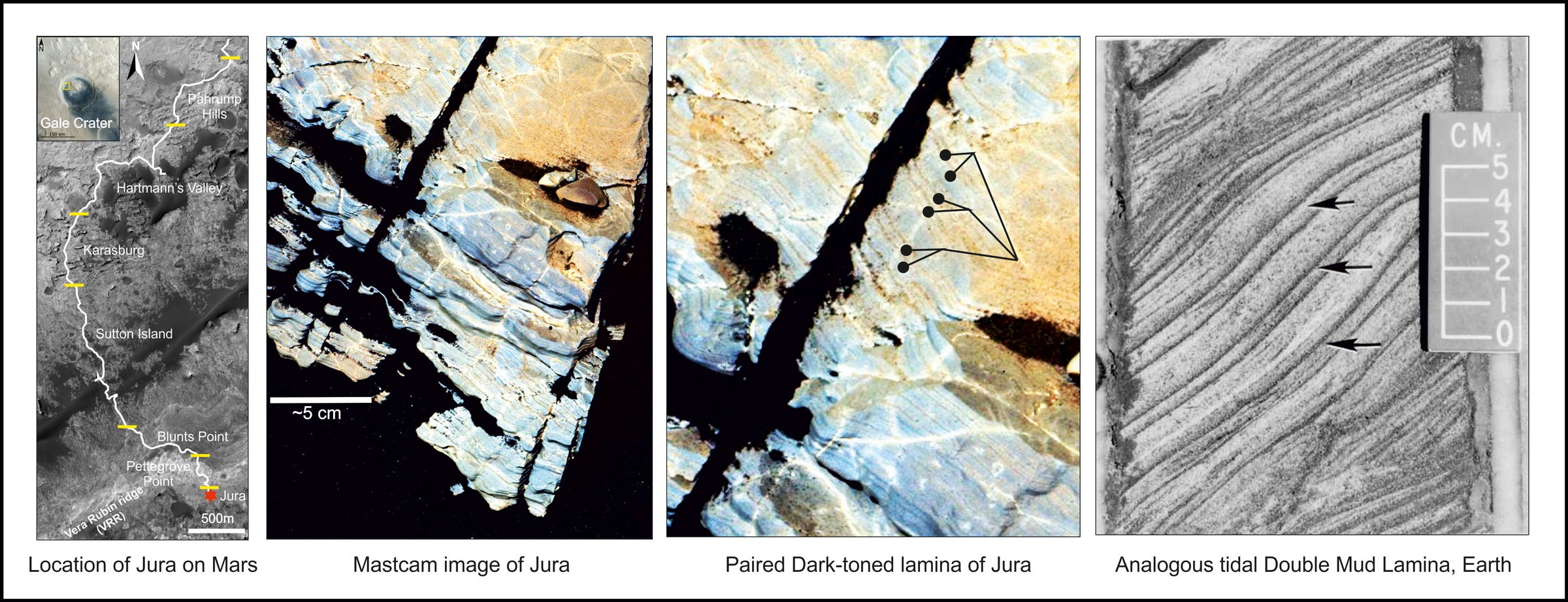
Mars updates. Though it only has two tiny moons today, early in its history Mars may have had a much larger one. Thin, repeating sedimentary layers in Gale Crater on Mars—imaged by NASA’s Curiosity rover and interpreted as tidal rhythmites, “sediments deposited by the regular back-and-forth sloshing of the tides.” This suggests a moon large enough to raise measurable tides in the ancient crater lake around 3.8 billion years ago. By comparing the thickness and pattern of these alternating light and dark bands to tidal deposits on Earth, researchers estimate the tidal forcing would require a body at least 18× the mass of Phobos orbiting near Mars. While alternative explanations can’t yet be ruled out yet, the tidal interpretation aligns with previous models in which an ancient large moon break up under Mars’s gravity, creating rings and new moons over time, leading to the two Mars currently has. If upheld with further stratigraphic and modeling work, this would add a new and very interesting chapter to Mars’s early history.
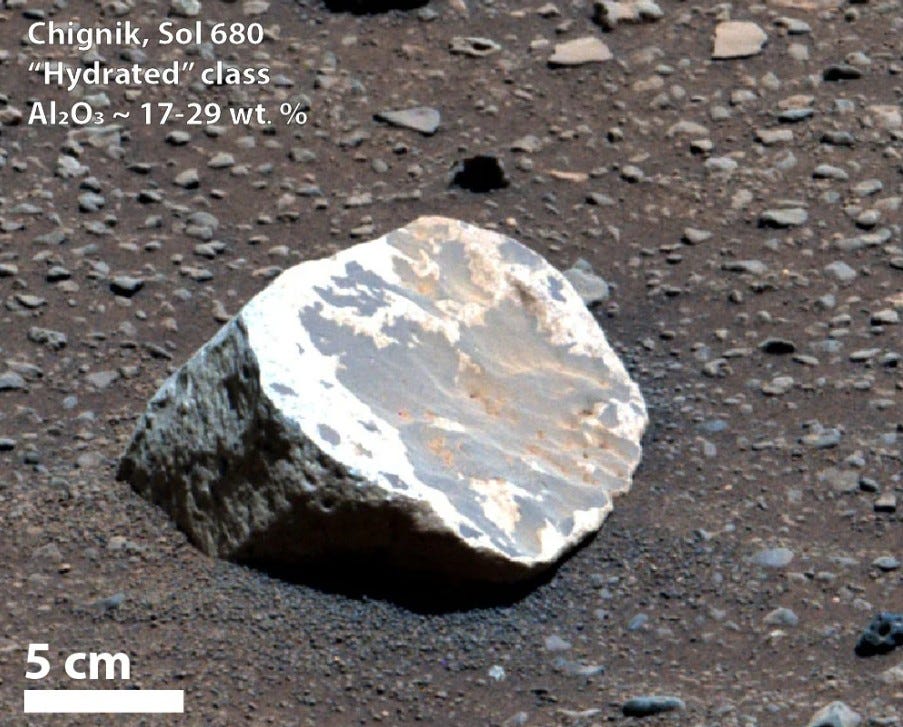
Mars is often interpreted as being a rather chilly place in its past, even when it did have liquid water on its surface. But new analyses of rocks in Jezero Crater suggest that at least parts of ancient Mars weren’t just wet but tropical, with rainfall and weathering processes similar to Earth’s tropics driving the formation of bleached, clay rich sediments found by NASA’s Perseverance rover. These aluminum rich kaolinite clays form on and near Earth’s surface under prolonged wet and warm conditions, implying lots of rainfall and a substantial atmosphere far back in Mars’s past. Combined with other evidence of extensive river networks and ancient lakes, the picture of early Mars is shifting from a cold, arid world to one with significant warm, wet intervals and complex climate dynamics.
Rockets, rockets, and more rockets.
Lots of rocket updates for you, I’ll start with SpaceX: as all of you know, the company is big on reusability. On November 28th, they successfully landed the same booster for the 30th time! Another milestone, the company has done 165 launches this year, with another couple scheduled they’ll likely get to 167. That’s an average of 1 every 2.2 days. This rather impressive cadence has helped set a new record: 31 rockets launched over the 30 days of November. Meaning more rockets went up than there were days in the month—something that’s never happened before. It wasn’t just SpaceX, other companies and countries (mostly China) were in there too, but SpaceX made that number a lot bigger.
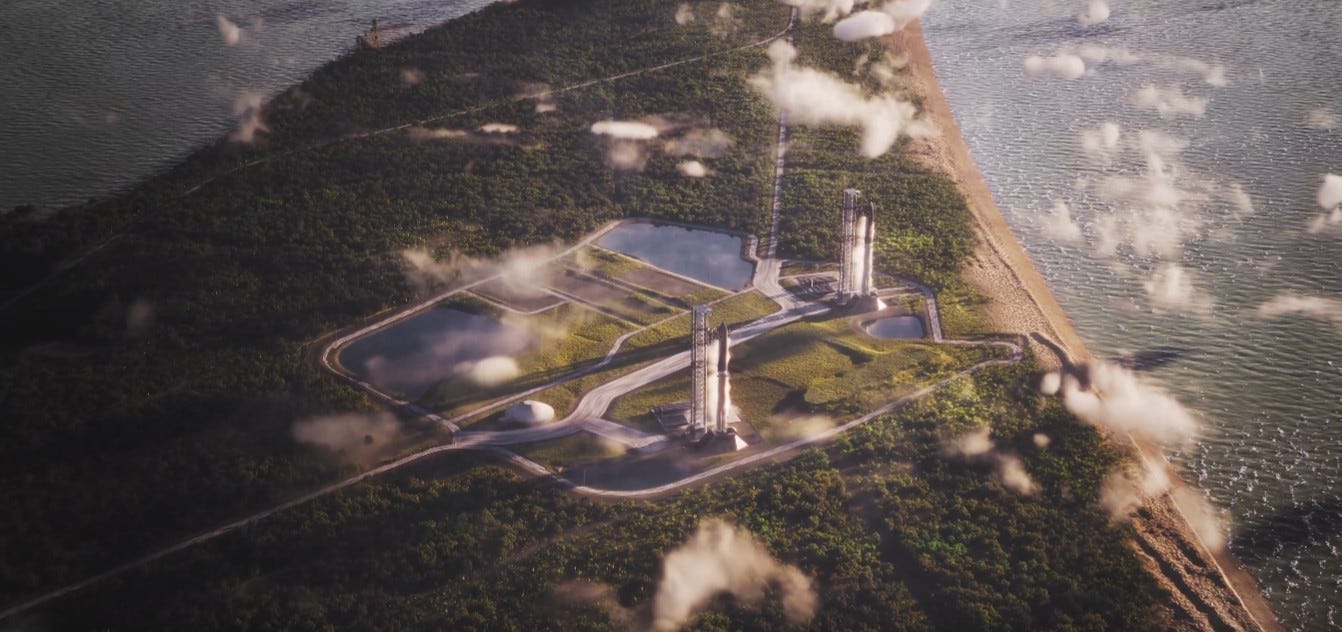
The company has also received permission to develop a new Starship launch complex down in Cape Canaveral, Florida—construction has already begun. Looks like two new launch sites, which will bring the total in Florida to three. Coupled with this was approval to launch 1.5 Starships per week, a pretty big increase from what they’re currently doing, but necessary to meet their near term aspirations. Rumor has it that the plan is to eventually have 49 Starship launch sites situated around the world.
In even crazier news that is no longer a rumor, SpaceX plans to go public next year (here’s why). It’s expected to be in the second half of 2026, and raise at least $30 billion at a $1.5 trillion valuation—meaning that just a few % of the company’s value will actually be on the market for trading. I’ll talk about this in the next AI updates newsletter too, but in a nutshell Elon wants to use Starlink satellites to build massive, distributed datacenters in space.
If you have followed Elon’s tactics, you know that once he commits to something, he leans fully into it. Much of the AI race comes down to amassing and deploying assets that work quicker than your competition. A large war chest resulting from an IPO will greatly help his cause and disadvantage all others.
Foremost among Musk’s goals right now is to “win” the battle for artificial intelligence. He is already attacking the problem at xAI and Tesla, and he now seeks to throw SpaceX into the fray as well. Taking SpaceX public and using it to marshal an incredible amount of resources shows he is playing to win.
My initial concern was “what about Mars?” What if shareholders don’t like that idea, dealing with activist shareholders, etc. But apparently “The rules of a public, profit-making company can be set up so that the board of directors must seek to maximize Mars colonization instead of maximizing profit.” Mars is still a go.
SpaceX isn’t the only company having a big year. Rocket Lab—probably the main runner up to SpaceX other than Blue Origin—had a stellar year of 21 successful launches and 100% mission success.

After Blue Origin nailed it with their epic New Glenn landing, becoming the second company ever to land an orbital class rocket, they aren’t slowing down. The plan is an even bigger version of New Glenn (Newer Glenn?) which will see several launches next year. It’s a massive rocket, and will be the 2nd biggest one flying, after Starship. More info from the company, and further thoughts here.
China meanwhile is trying their level best to catch up, but with a failed landing earlier in December, and another one yesterday they remain a solid 10 years behind SpaceX. But I don’t think they’ll be 11 years behind. Like SpaceX and others, these aren’t failures, but rather learning experiences. If I were a betting man, I would say that Chinese companies will start seeing success and landing boosters next year, probably in the first half. While 10 years behind sounds like a lot (and it is), with the exception of a couple other American companies, China is the only one seriously trying to match SpaceX.
Anti-aging, and progress against dementia. As usual, there’s a lot happening here. I’m more and more convinced that by 2030 (but possibly as soon as next year) we’ll start seeing anti-aging cocktails or combinations of drugs and treatments being tested. To start, there’s a type of T-cell in our immune systems that’s been found to seek and destroy senescent or “zombie cells” that are thought to be a factor in aging. Supercentenarians (people over a century old) have large numbers of them.
Immorta Bio has filed a patent for SenoVax, a proposed senolytic vaccine designed to train the immune system to recognize and eliminate those senescent (zombie) cells that accumulate with age and drive inflammation, tissue decline, and cancer progression. Their approach relies on immune targeting of senescence specific markers, potentially offering a more durable and systemic cleanup mechanism. Preclinical work cited in the patent suggests broad senescent cell reduction and anti-tumor effects.
A new study in Cell adds to growing evidence that shingles vaccination may slow dementia progression, not just reduce risk. Researchers found vaccination was associated with less cognitive impairment in healthy people, lower conversion from Mild Cognitive Impairment to dementia, and reduced mortality in those already diagnosed—across Alzheimer’s, vascular dementia, and most strongly, mixed dementia. The effect has now been replicated multiple times, with randomized trials underway. Possible mechanisms include reduced viral invasion of the brain, lower stroke risk, broader antiviral immune priming, and prevention of the pain, sleep loss, and inactivity that shingles often causes—all of which are linked to cognitive decline. Serious message here, everyone tell your parents and grandparents to get this. Get it yourself if you’re 50+.
Scientists have developed “nanoflowers”—tiny peptide based structures—that can rejuvenate human cells mitochondria by boosting mitophagy, the process cells use to clear out worn out energy factories and replace them with healthy ones. In cell and animal experiments, these nanoflowers restored mitochondrial function in aged or stressed cells, improving energy production and reducing markers of cellular damage. Because mitochondrial decline appears to underly aging and many chronic diseases, this approach points toward a programmable way to reset cellular powerhouses and potentially delay aspects of aging or disease progression. If translated safely to humans, it could become a foundational tool in next generation regenerative and longevity medicine.
Researchers at Kindai University (Japan) report that the common amino acid arginine can reduce Alzheimer’s-like brain damage in animal models by inhibiting toxic amyloid-β aggregation while also dampening neuroinflammation. In flies and mice, oral arginine improved cognitive performance and slowed disease progression, suggesting benefits beyond plaque reduction alone. Because arginine is already widely used in humans with a strong safety profile, the findings point to a potentially low cost, fast intervention if the effects hold up in clinical trials.
Lastly, At 90 years old, physicist John G. Cramer volunteered to become the first human recipient of bioreactor grown mitochondrial transplantation—an experimental therapy developed by Mitrix Bio that aims to restore cellular energy production by giving people fresh, lab grown mitochondria. Mitochondria are the powerhouses of cells, and their decline with age seems to be a core contributor to systemic aging, so replenishing them could tilt the odds toward healthier, longer lives if it proves safe and effective. Backed by researchers from Stanford, UCLA, Northwell Health, and Mitrix, the initiative actually started last August (waiting to hear any updates).
Space
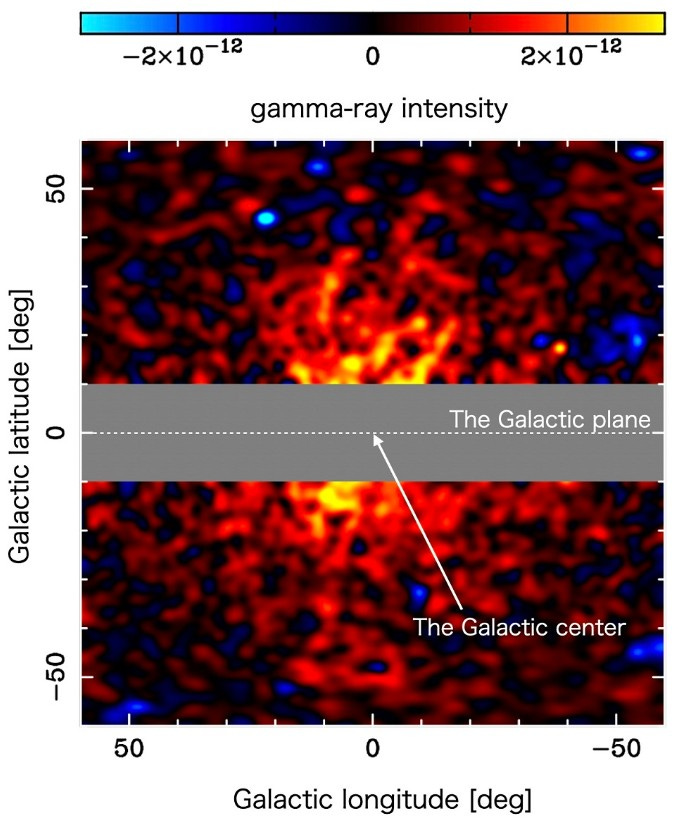
Researchers at the University of Tokyo report evidence that could represent the first direct observational signature of dark matter, detected not through light but via gamma rays observed by NASA’s Fermi Space Telescope. They identified a diffuse, halo-like gamma ray signal around the Milky Way whose energy spectrum matches predictions for annihilating dark matter particles, rather than known astrophysical sources. If the signal is confirmed by independent analyses and seen in other regions thought to be rich in dark matter, it would be a major step toward identifying dark matter as a new fundamental particle. Nearly a century after dark matter was first proposed, we may finally be starting to see it—still indirectly—outside of gravity. (University of Tokyo)
Scientists analyzing samples from asteroid Bennu have discovered ribose and glucose—marking the first time glucose has been found in an extraterrestrial sample. Researchers also discovered a mysterious nitrogen and oxygen rich “space gum,” a polymer-like substance never seen before in astromaterials that was once soft and flexible but has hardened over billions of years. A third study found Bennu contains six times more supernova dust than any previously studied astromaterial, suggesting its parent asteroid formed in an early region of our own Solar System that enriched with stellar debris, contrary to the previous assumption that pre-solar dust was fairly well mixed. As a sidenote, I think that when we find alien life (most likely microbes), it may not be as alien as some might think. DNA based with water as a solvent is probably the norm. (NASA Solar System)
The Terra Hunting Experiment just launched in the Canary Islands, marking the first systematic quest dedicated to finding Earthlike planets orbiting Sunlike stars. The project will observe up to 50 carefully selected sunlike stars every night for 10 years using the HARPS3 spectrograph, which can measure stellar motion at roughly 10 centimeters per second—about the speed of a baby crawling. The problem is that Earthlike planets have been nearly impossible to detect because their gravitational wobble is tiny and only shows up roughly once a year, meaning confirmation can take many years and be difficult as the signals gets drowned out by fluctuations in starlight. Extrapolating from planet discoveries made by NASA’s Kepler mission data, the team expects to discover at least two Earthlike planets in the habitable zone of Sunlike stars, which would then become prime targets for future telescope missions searching for signs of life, including NASA’s planned Habitable Exoplanet Observatory. I don’t know about you, but I am excited for this! (Science News)
The James Webb Space Telescope has discovered what could be the universe’s first generation of stars—Population III stars that formed just 800 million years after the Big Bang in a distant cluster called LAP1-B, located about 13 billion light years from Earth. JWST only spotted them thanks to gravitational lensing, where galaxy cluster named MACS J0416 magnified LAP1-B’s light by about 100 times. Population III stars formed from only hydrogen and helium, reaching masses equivalent to 100 times the sun or more, and when they exploded as supernovas they forged and scattered heavier elements throughout the cosmos. The stars spectra showed emission lines suggesting lots of high energy photons and very large masses, matching theoretical predictions. If confirmed, this marks the end of one of astronomy’s longest hunts. (Space.com)
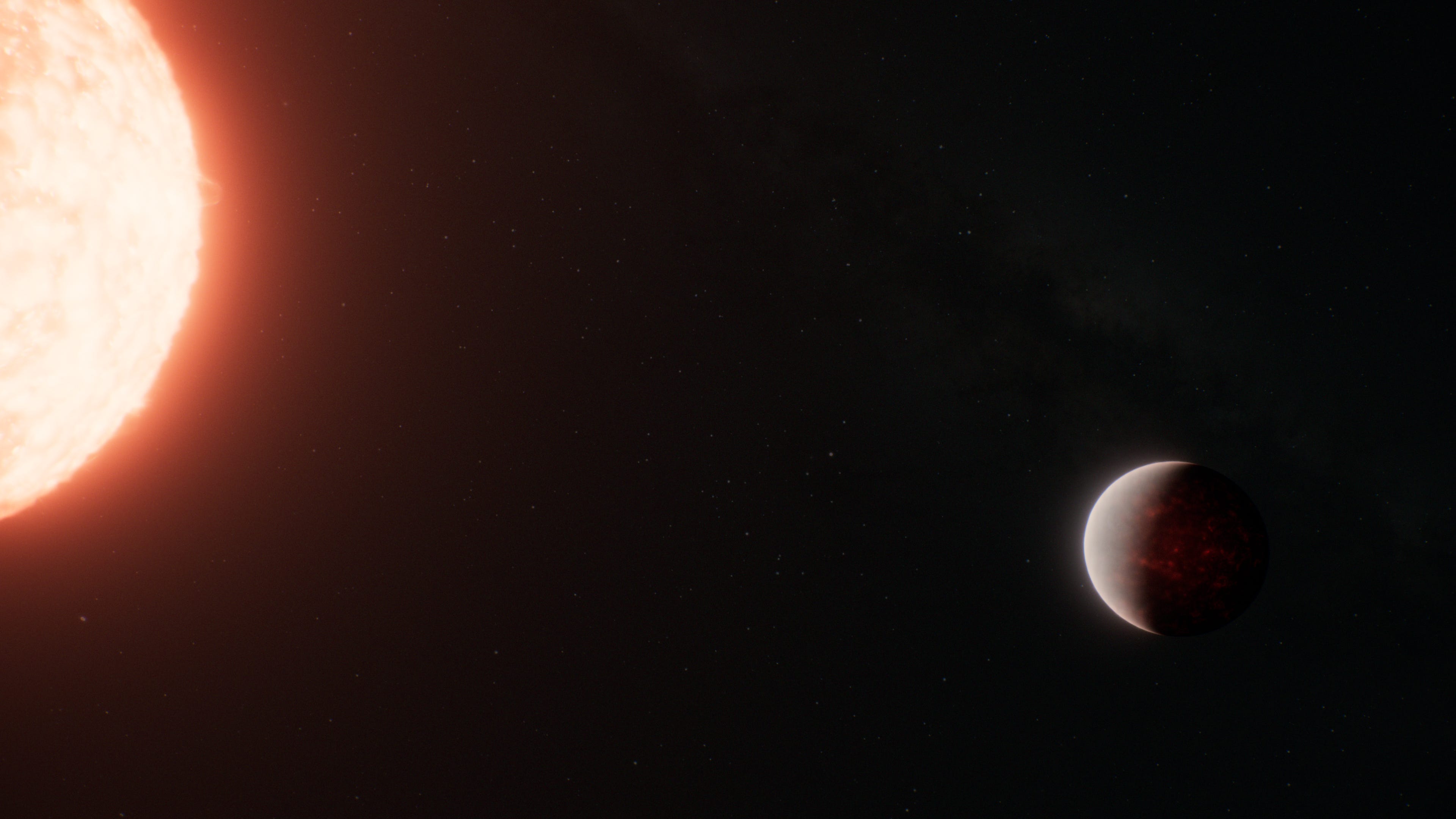
NASA’s James Webb Space Telescope has detected the strongest evidence yet of an atmosphere on a rocky exoplanet. Not somewhere you’d want to visit, TOI-561 b is thought to be a “lava world” where the surface is at least partly molten. But instead of just being scorched bare rock it appears to be wrapped in a thick, volatiles rich atmosphere above its global magma ocean. The inference was made based on infrared emission spectra that are cooler than expected for an airless surface. Webb’s measurements show heat distribution and spectral features that match models with a substantial atmosphere, challenging the view that rocky worlds close in to red dwarf stars can’t hold onto an atmosphere due to intense stellar radiation. Now some caveats: this planet is a super earth, roughly 1.4x Earth’s radius. Also, the very fact that TOI-561 b orbits its star in less than 11 hours and has a molten surface may be the key to it’s having an atmosphere—think of any volcanic eruption, lots of outgassing. Still incredibly interesting though. (NASA Webb Telescope)
Engineering, Machines, & Physics
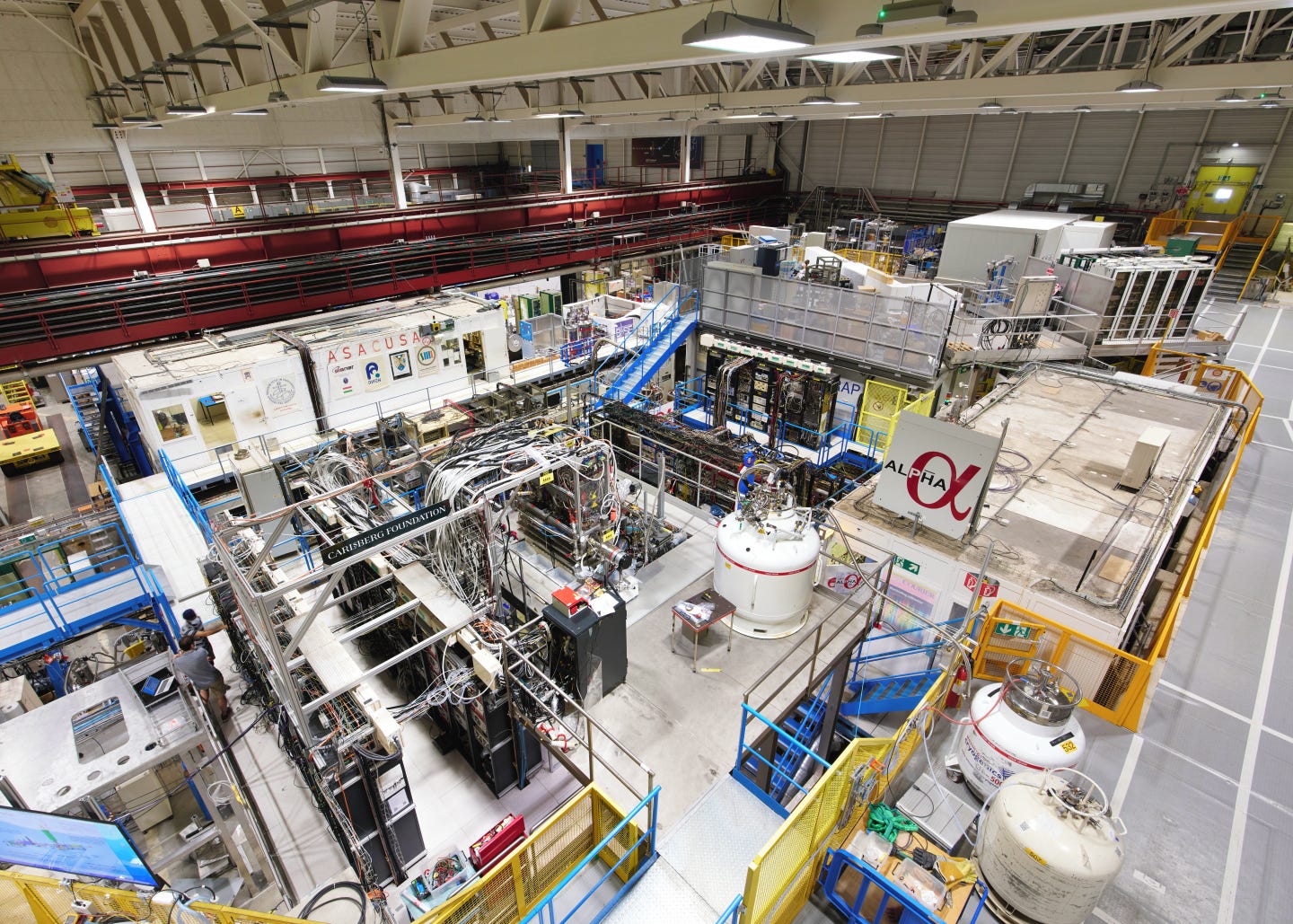
CERN’s Antimatter Factory has dramatically boosted the rate at which antihydrogen—the simplest atomic form of antimatter—can be produced and trapped by refining how positrons are cooled, enabling researchers to create over 15,000 antihydrogen atoms in just hours rather than days, an eightfold increase from previous methods. With more abundant antihydrogen now available on short timescales, physicists can probe fundamental symmetries and the matter–antimatter imbalance with new ease. Also, if things keep scaling up, eventually we’ll get to whole grams of antimatter, more than enough to use in zipping around the Solar System at incredible speeds. (CERN)
Japanese researchers have taken a major step toward molecular assemblers by developing an AI-integrated control system that can autonomously manipulate single atoms at room temperature using scanning probe microscopy—something previously limited to temperatures close to absolute zero. The system guides the probe tip to nudge, place, and arrange atoms with high precision, and the AI component allowed the scanning probe to operate continuously for over 25 hours, performing precise atomic moves without human supervision. It’s an early but meaningful leap toward programmable, atom by atom fabrication. In other words, one possible path to a Star Trek style replicator. (ACS Publications via Dr Singularity)
Supersonic flight over the United States is once again possible, thanks to the “House Transportation & Infrastructure Committee passing the Supersonic Aviation Modernization Act.” This lifts a longstanding ban on civilian supersonic flight over land, regardless of noise levels at the ground. In practice, this will allow Boom Supersonic, who despite the name has developed a “boomless” form of supersonic travel, to return faster than sound passenger jets to American skies again. (Boom Supersonic)
NASA’s Jet Propulsion Laboratory has deployed a new airborne imaging spectrometer called AVIRIS-5 (Airborne Visible/Infrared Imaging Spectrometer-5) to map critical minerals like lithium from high altitude flights, detecting the unique spectral fingerprints reflected by different rocks to reveal their composition with twice the resolution of earlier sensors. This effort has already surveyed hundreds of thousands of square miles of the American West and identified lithium bearing clays in mine tailings. AVIRIS-5’s technology builds on a lineage of NASA spectrometers used on Mars, the Moon, and other planetary missions, underscoring how technology developed for space can be used in terrestrial applications. By enabling finer, large scale identification of critical minerals this sensor could accelerate resource discovery and help stabilize supply chains. (Phys.org)
Speaking of critical minerals, A U.S. company has confirmed a major rare earth element (REE) and critical minerals discovery at its Silicon Ridge project beneath the Utah desert. They identified a high grade, clay hosted deposit containing 16 important elements—including lithium, gallium, germanium, rubidium, cesium, vanadium, and both light and heavy REEs critical for semiconductors, defense, and advanced manufacturing. Independent assays show the site has grades that compare favorably with China’s prolific deposits, and so far only about 11 % of the area has been tested, implying considerable upside. The geology also allows easier, cleaner extraction than traditional hard rock mining, and the project already has permits and processing infrastructure ready to move toward production. If commercialized at scale, this find could significantly strengthen domestic supply chains for critical tech metals and reduce U.S. dependence on foreign sources. (Interesting Engineering)
Medicine & Biotech
Some good news for drugs against mosquito borne disease. A new malaria drug called ganaplacide cured 97.4% of patients in a phase 3 trial of ~1700 patients in 12 African countries prone to malaria. A different team of scientists have also developed a pill that prevents dengue fever, also transmitted by mosquitoes. It was very effective in what’s called a human challenge trial, but still needs testing in real world conditions. While this is all great, I still think the best option is just to gene drive the mosquito species that transmit disease into extinction. That will successful prevent 100% of any future disease. Just an fyi, if I ever get the opportunity, I’m going to try and do exactly that. (Samuel Hume – malaria) (Samuel Hume – dengue)
Researchers at the Japan Advanced Institute of Science and Technology isolated several bacterial strains from the guts of two amphibians and one reptile, 9 of which showed some anticancer activity. One bacterium called Ewingella americana, “isolated from the intestines of Japanese tree frogs (Dryophytes japonicus), possesses remarkably potent anticancer activity.” In mice, it completely eliminated colorectal cancer in 100% of cases after a single intravenous dose—far surpassing all current treatments. Not only is this potentially very good news for humans suffering from this cancer, it opens a new area to search for bacteria with potent anticancer abilities. (Medical Xpress)
Scientists have engineered an experimental RNA-based drug called TY1 that can boost the body’s own DNA repair machinery to heal tissue damaged by events like heart attacks, potentially reducing scarring and restoring function where current treatments mostly manage symptoms. TY1 is a synthetic version of a natural RNA signal carried in exosomes from heart progenitor cells and works by enhancing a gene (TREX1) that helps immune cells clear damaged DNA, thereby promoting recovery of injured tissue. Early lab studies show promise not just for cardiac repair but also for other conditions involving inflammatory or cellular damage, marking a new class of therapeutics that tackle the root DNA damage rather than just downstream effects. Next up are clinical trials to test whether this DNA repair focused approach can translate into human treatments for heart disease and other ailments. I’m hopeful, as going closer to the source of the damage is always a good idea. (New Atlas)
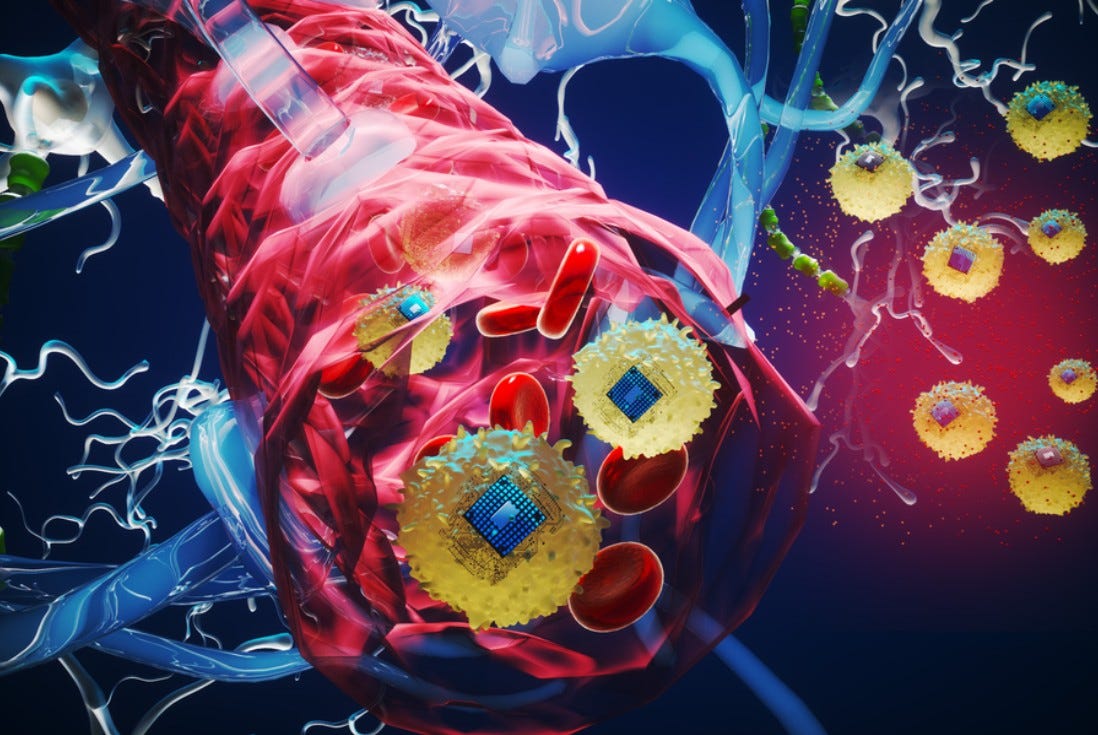
MIT researchers have created brain implants smaller than a single cell that can be injected into the bloodstream and ride on immune cells into the brain without open-brain surgery—a big departure from traditional neural implants that require cutting into the skull. These sub-cellular wireless chips fuse with monocytes (a type of immune system cell) creating a hybrid implant able to cross the blood-brain barrier and autonomously implant at sites of inflammation, where they can deliver targeted electrical stimulation for potential treatment of neuroinflammation and related diseases. In mouse tests the hybrids localized to the brain, stimulated neurons on command via near-infrared light, and didn’t disrupt normal behavior or harm other organs, pointing toward a safer, minimally invasive path for brain implants. The team hopes to begin clinical trials within three years through an MIT spinoff, and the platform could eventually expand to target other regions and conditions beyond brain disorders. Nanites anyone? (Singularity Hub)
Scientists have developed a protein control system that lets them precisely dial protein levels up or down in different tissues of a living animal over its entire life, replacing comparatively crude on/off genetic switches with something more like a “volume knob” for proteins. Researchers engineered worms so that feeding them specific plant hormones can tune protein abundance in muscles, neurons, intestines and even reproductive cells independently. This capability opens the door to experiments that were previously impossible—like teasing apart how subtle protein changes in one organ affect aging, disease, and whole body physiology—and lays a foundation for future tools to control biology and cure disease with exquisite precision. (Interesting Engineering)
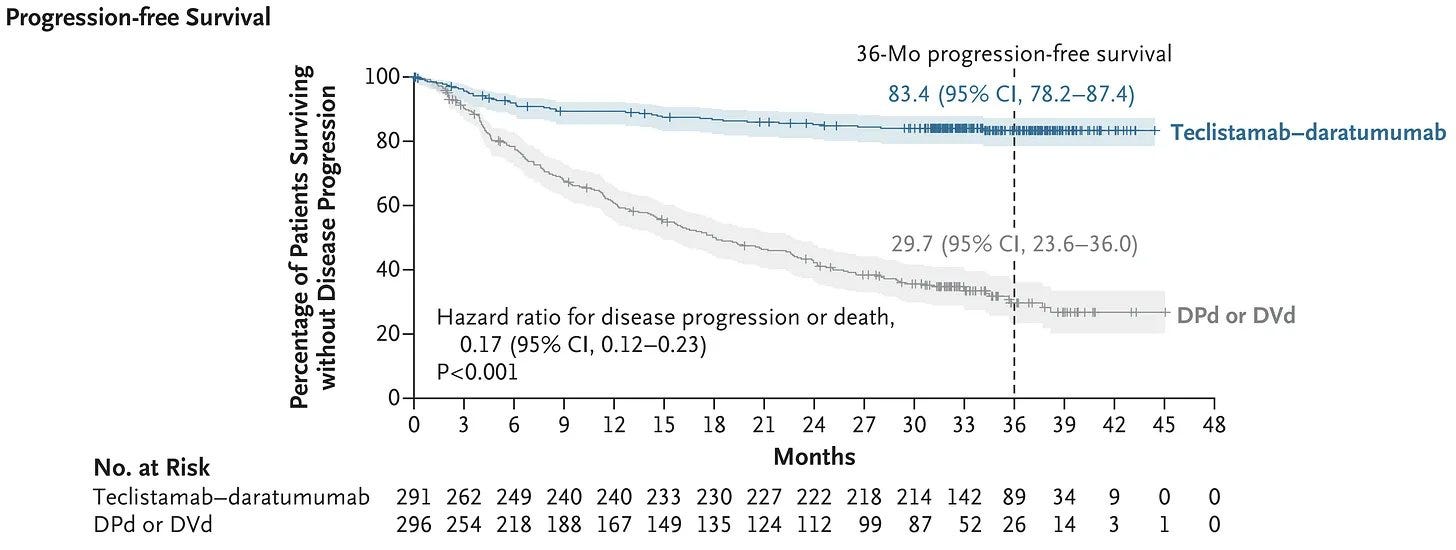
Two incredible pieces of news for treating multiple myeloma, which as some of you may remember is a cancer I take particular concern with. The first is a study showing that Daratumumab and Teclistamab, a monoclonal antibody and bispecific antibody treatments respectively, work incredibly well together. After 3 years the progression free survival rate (i.e., no relapse) was 83.4%, whereas it was only 29.7% for the standard treatment. As a treatment for patients who have had at least one relapse, this is far better than anything else available right now—as far as I know anyways. The second is an early stage trial where 18 patients were given an antibody called linvoseltamab (a different bispecific antibody). After a few treatment cycles, none of them had detectable disease. The study lead said that based on his experience, he “would predict that after having such a good response after such a short time, the disease most likely could stay away for many years. Could it never come back in some patients? I would say it’s possible.” (The New England Journal of Medicine via Samuel Hume) (Miller School of Medicine)
Scientists have developed a lasting vaccine that prevents deadly allergic reactions like anaphylaxis by training the immune system to tolerate allergens instead of overreacting, using a nanoparticle platform that delivers tiny bits of the allergen along with immune-modulating factors. In preclinical models, a single immunization protected animals from severe allergic responses to foods like peanuts, rebalancing immune cells toward tolerance rather than inflammation. This approach sidesteps the risk of triggering dangerous reactions during months long desensitization regimens with one durable dose, dramatically improving safety and compliance. Hopefully it translates to humans soon. (Singularity Hub)
Agriculture
CRISPR wheat that makes its own fertilizer has been developed at UC Davis by increasing the plant’s release of a natural compound called apigenin that stimulates soil bacteria to fix atmospheric nitrogen into a form the plant can use—a process normally associated with legumes. By encouraging bacteria to form biofilms around roots, the modified wheat can thrive with far less synthetic nitrogen fertilizer, potentially cutting growing costs and increasing yields in one of the world’s most widely grown cereals. (Science Daily - CRISPR)
Another new discovery works well (in symbiosis one might say) with this one above. Researchers discovered that a tiny mutation in plant roots can dramatically rewire immunity receptors to enable nitrogen-fixing symbiosis with soil microbes, potentially letting crops fertilize themselves without synthetic inputs. Scientists at Aarhus University in Denmark showed that changing just two amino acids in a receptor protein triggers the plant to form partnerships with nitrogen fixing bacteria similar to what legumes do, opening a path toward cereals like wheat or rice self-fertilizing. This breakthrough could slash global fertilizer use, further lower costs, and transform agriculture by embedding biological nitrogen fixation into staple crops rather than relying on industrial chemistry. If bred or engineered into major food plants, such mutations could make farms more productive and affordable. (Science Daily – root mutation)
MIT researchers have uncovered how a common fertilizer micronutrient—lanthanides, a group of rare earth elements—actually benefits plants at the molecular level, showing that trace doses applied to seeds can make crops more resilient to UV stress and enhance early growth. They found lanthanides can insert themselves into chlorophyll molecules, replacing the central magnesium atom and helping the pigment stabilize and perform better under environmental stress, strengthening photosynthesis in crops like corn, soy, barley, and chickpeas. This work clarifies long observed but poorly understood agricultural effects of these micronutrients and could help farmers optimize their use through targeted seed treatments rather than bulk soil application. By revealing how these elements move through plants and interact chemically, the study points to new ways of boosting resilience and yields. (MIT)
Weird & Wonderful

Raccoons living in cities are showing signs of domestication. Not just behavioral, but actual physical changes similar to the ones shown by domestic dogs. Most notably, city dwelling raccoons have shorter snouts compared to their rural counterparts, a trait linked to domestication syndrome. Scientists analyzed nearly 20,000 images and found this consistent skull shape shift across urban regions, likely driven by selection for calmer, less aggressive individuals that thrive on easy food sources like human trash. The researchers propose that simply living in close proximity to humans and exploiting our waste may be unintentionally pushing raccoons onto a path toward tameness. While far from being pets, these morphological trends hint at how certain wild animals can adapt to human dominated environments. Sidenote, we really should deliberately finish domesticating them, I suspect they’d make great pets—the comport of certain individual trash pandas notwithstanding. (Phys.org) (Axios)
Some good news folks: In the event that microscopic black holes exist, and you happened to be struck by one—say something the mass of a pretty big asteroid—you’d have a descent chance of surviving. The effects wouldn’t be pleasant though, in most cases similar to being shot by a .22 bullet. Apparently a smaller black hole would just pass right through you with no effect at all. Hey, these are important questions to ask! (Science Alert)
My first thought on reading the words Human Washing Machine were “what the #$%&! is that?” Japan’s Mirai Human Washing Machine—a futuristic hygiene pod that washes, rinses, and dries a person automatically in about 15 minutes—has officially gone on sale after capturing massive interest at Expo 2025 in Osaka. Users lie back in the capsule where microbubbles, fine mist showers, calming visuals, and music deliver a hands-free full-body clean while sensors monitor vital signs for comfort and safety. It’s being sold in a very limited run (around 40–50 units) at roughly ¥60 million (~$385,000 USD) each, with early buyers including an Osaka hotel and major retailers planning demos. After watching the video, that actually doesn’t look so bad. I think I’d give it a try, just not in front of a crowd. You can see how something like this could help reshape personal care for the elderly and those with health challenges in particular. (Interesting Engineering)
Scientists have identified a non-coding gene called CISTR-ACT that directly controls cell size by guiding regulatory proteins to influence growth related genes; marking the first time a long non-coding RNA (part of the non-coding genome aka “junk DNA”) has been shown to drive such a fundamental cellular property. Researchers found that tweaking its levels makes cells measurably larger or smaller. The discovery further challenges—overturns really—the old idea that only protein coding DNA determines core biological traits, and opens new avenues for understanding diseases like cancer and anemia tied to aberrant cell size. By revealing a programmable lever on cell growth hidden in what’s sometimes called genomic dark matter, it expands our grasp of gene regulation and potential for cellular engineering. (Phys.org)
Photos & Videos
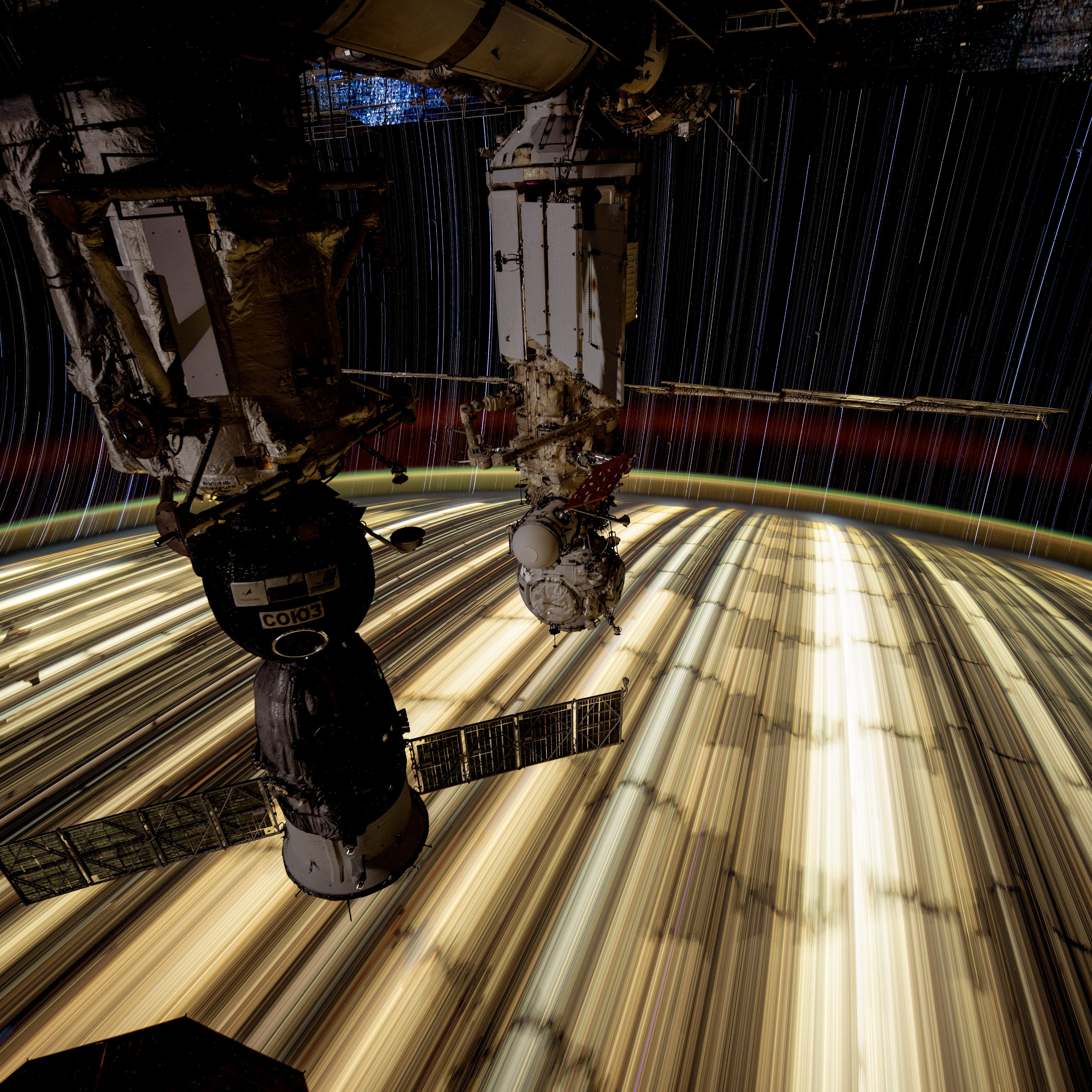
A photograph from the ISS, curtesy of Don Pettit. I know we complain a lot about light pollution these days, but when viewed properly from above, it can be rather beautiful. (Don Pettit)
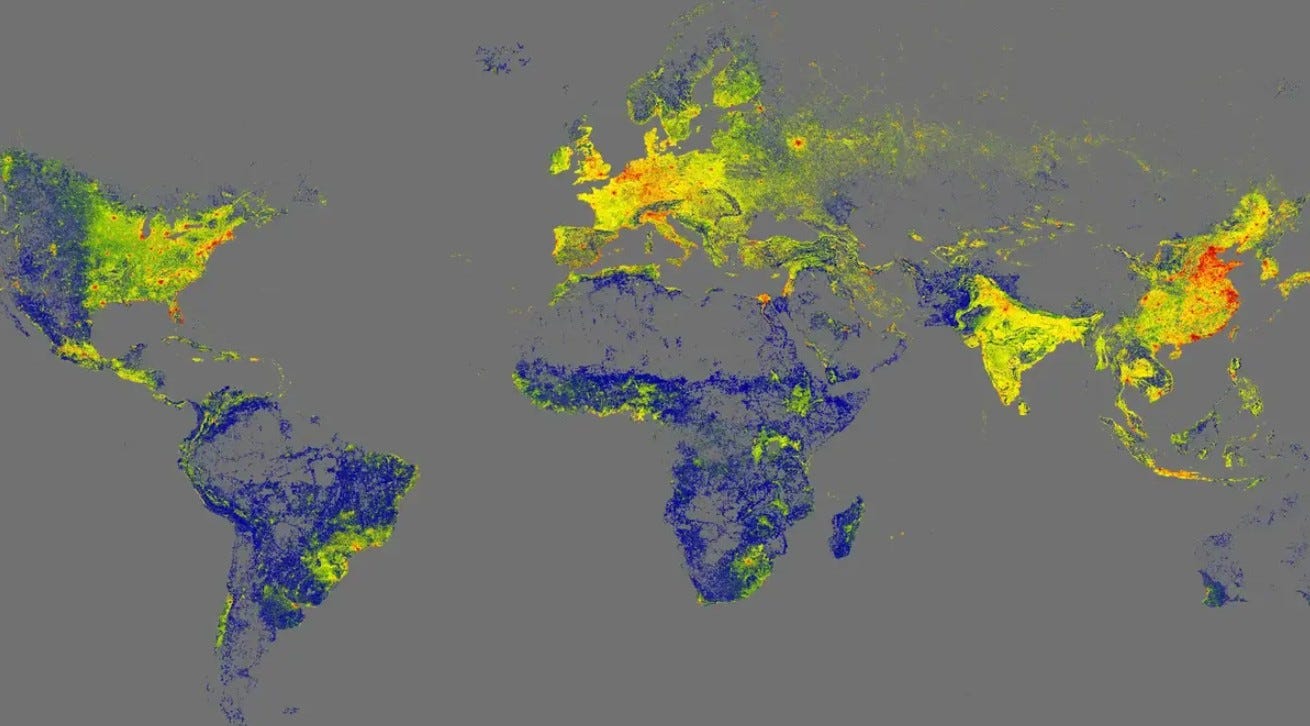
An interesting view of all Earth’s known buildings, compiled from data around 30x better than anything previously done. The grand total? 2.75 billion buildings. (Interesting Engineering)
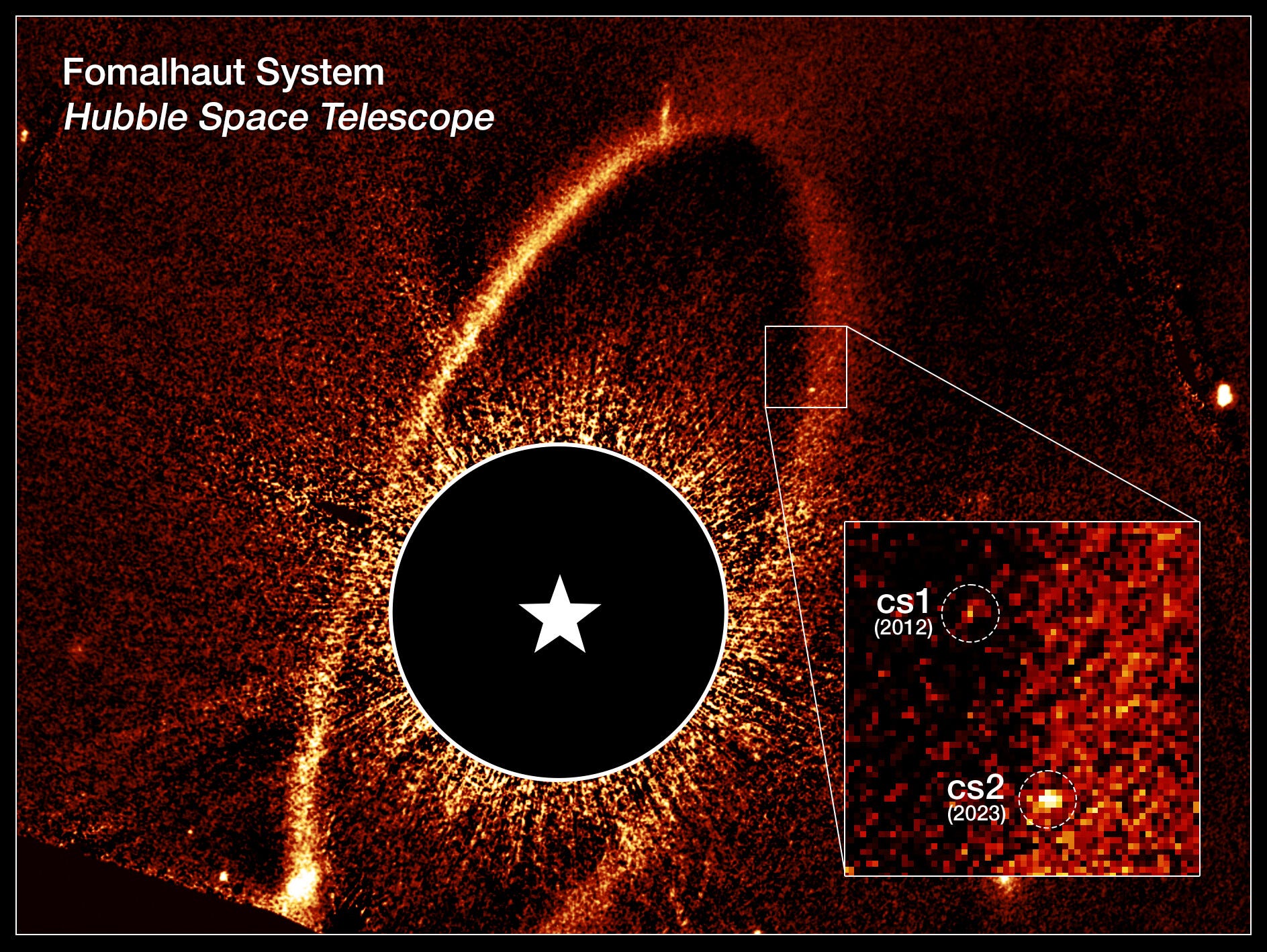
The Hubble Space Telescope has captured visual evidence of the collision of two planetesimals, or large planet forming bodies, in the Formalhaut system 25 light years away. (Hubble) (ESA Hubble)
Have a watch of an epic drive the Perseverance Mars Rover made earlier this year. (NASA)
On December 6th a Hawaiin volcano erupted, sending molten rock, ash, and lava high into the air. Check out a U.S. Geological Survey webcam getting absolutely wrecked. (Scientific American)
Recommendations & Reviews
With Christmas just a couple sleeps away, this time I’m going to recommend that you all go and have a wonderful get together and celebration with friends and family. Life is short, and those we love are precious, so whether or not you celebrate Christmas go and spend some good time with them.
That’s it for this edition. Techno-Optimist #35 will drop on January 17th (or possibly the 18th if it’s late). The plan is to have the shorter focused newsletters for AI, Robotics, and Nuclear Energy out on each of the next three Saturdays or Sundays.
Let me just leave you with this heartwarming video from Colossal Biosciences of a woolly mouse exploring his winter wonderland:
Thank you all again for reading, please let all your friends and family know about this newsletter too — and until next time, keep your eyes on the horizon.
-Owen