

Techno-Optimist #36
SpaceX pivots to the Moon, more evidence of past life on Mars, bacteriophages built from scratch, working on a graviton detector, magnetically controlled antibodies...and a whole lot more.


Welcome to the thirty-sixth edition of Techno-Optimist, the place where you get all the latest on space, science, technology, medicine, and much more.
An update for you. My smaller newsletters on AI, robotics, and nuclear energy are getting a name change. The ‘Updates’ was just a placeholder anyways. Going forward, all three with be the ‘Frontiers.’ AI Frontier, Robotics Frontier, and Nuclear Frontier. The numbering will be the same, with #4 on all of them coming out over the next month. It’s possible if I ever have more time I may break out more newsletters by topic. I bet some of you can guess what I would call the one on space? Three words, one of them is Frontier. I’ll give you a hint: O’neill Cylinders. But that’s probably down the road a ways still.
To accelerate to that day faster, please do share Techno-Optimist where you can. Especially on Substack, as internal visibility here is the quickest way for a newsletter to grow.
There’s a ton to talk about, so let’s dive in.
Physics is the law, everything else is just an engineering problem.
—paraphrasing Elon Musk
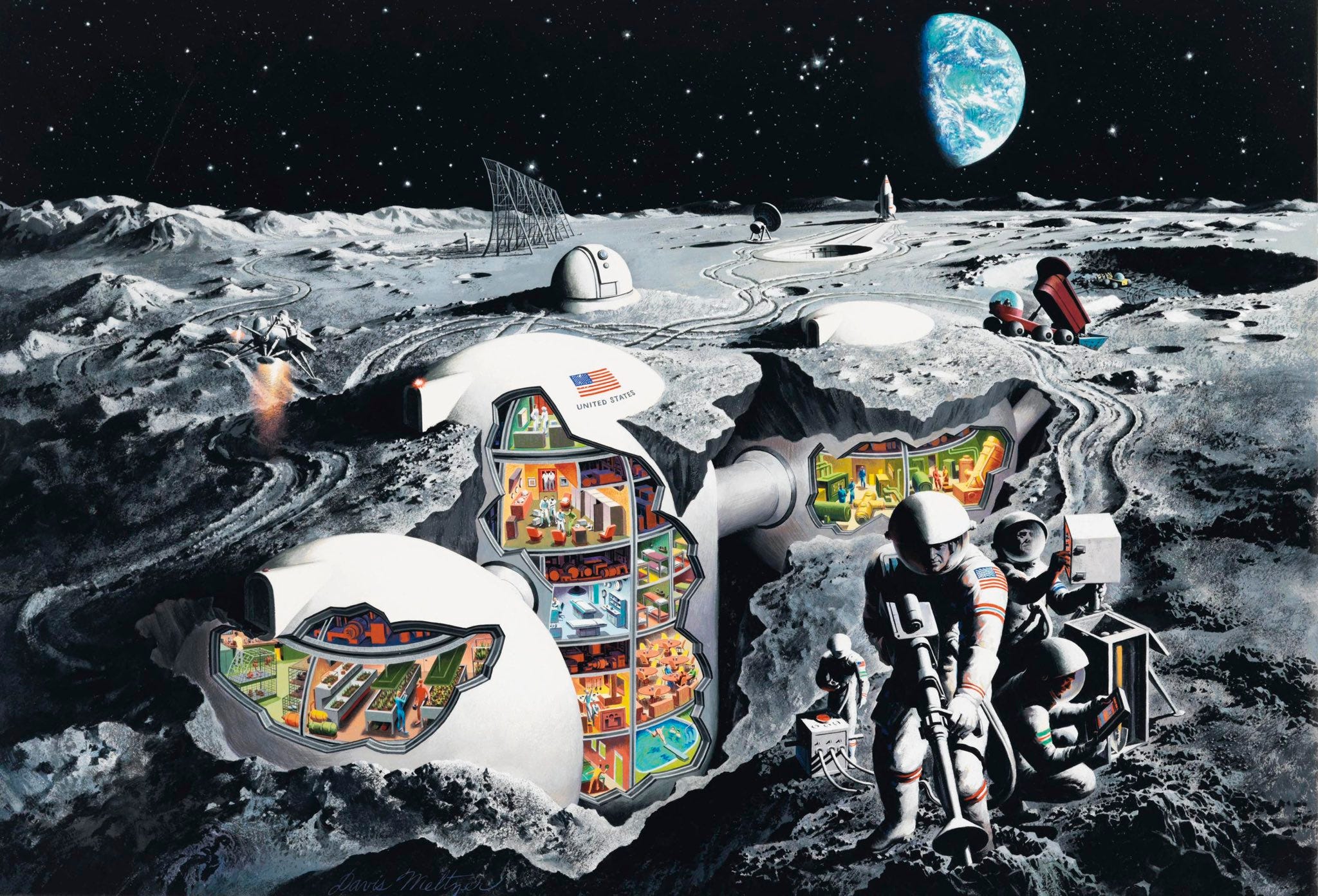
SpaceX Speedrun to Kardashev Type II Civilization. At this rate I almost have to start another newsletter just chronicling what SpaceX is up to.
First off, SpaceX has acquired xAI, which I’m sure most of you know is one of Elon Musk’s other companies. So while it’s technically an acquisition, practically it’s more like a merger. According to the announcement—and it’s absolutely true—this will form “one of the most ambitious, vertically integrated innovation engines on (and off) Earth.” The wording used in the announcement is incredible, and points to an unrivaled technological ambition, saying that “This marks not just the next chapter, but the next book in SpaceX and xAI’s mission: scaling to make a sentient sun to understand the Universe and extend the light of consciousness to the stars!”
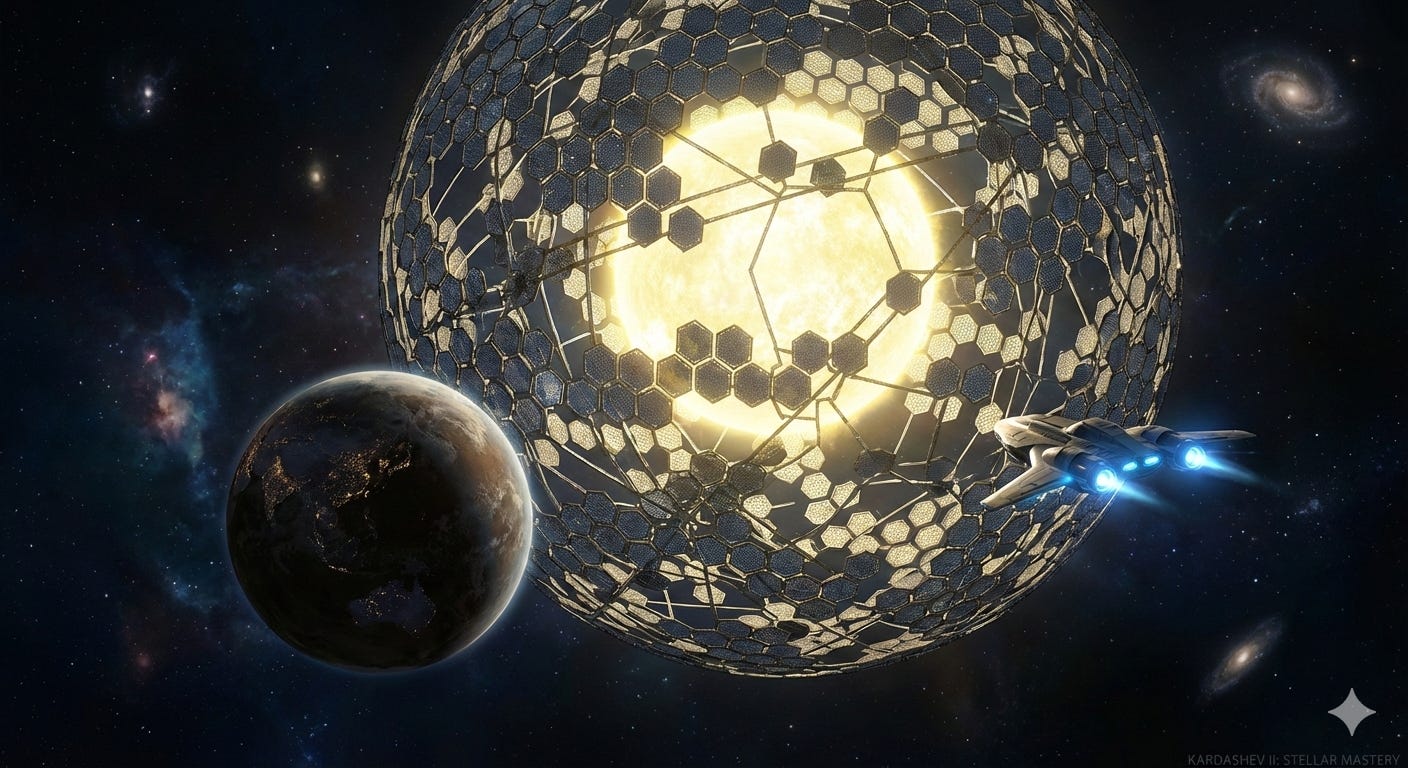
Just in case anyone was wondering, by a “sentient sun,” Elon means a Dyson swarm. In the news release it also lays out a plan for hugely scaling orbital datacenters, taking advantage of the near constant solar power, plenty of room, and no NIMBY neighbors.
The goal is to launch “a million tons per year of satellites generating 100 kW of compute power per ton would add 100 gigawatts of AI compute capacity annually, with no ongoing operational or maintenance needs. Ultimately, there is a path to launching 1 TW/year from Earth.” Elon goes on to say he estimates that “within 2 to 3 years, the lowest cost way to generate AI compute will be in space. This cost-efficiency alone will enable innovative companies to forge ahead in training their AI models and processing data at unprecedented speeds and scales, accelerating breakthroughs in our understanding of physics and invention of technologies to benefit humanity.” Talking about data centers in space is relatively new, nobody took it seriously before last year, then all of a sudden everyone did. Many others say 10 years before it becomes lower cost than terrestrial builds, which roughly matches “Elon time” of ~3x more than he thinks it will take. However, as opposition to data centers here on Earth—at least in Western countries—is already heating up, he may be closer to the mark on timing than most people realize.
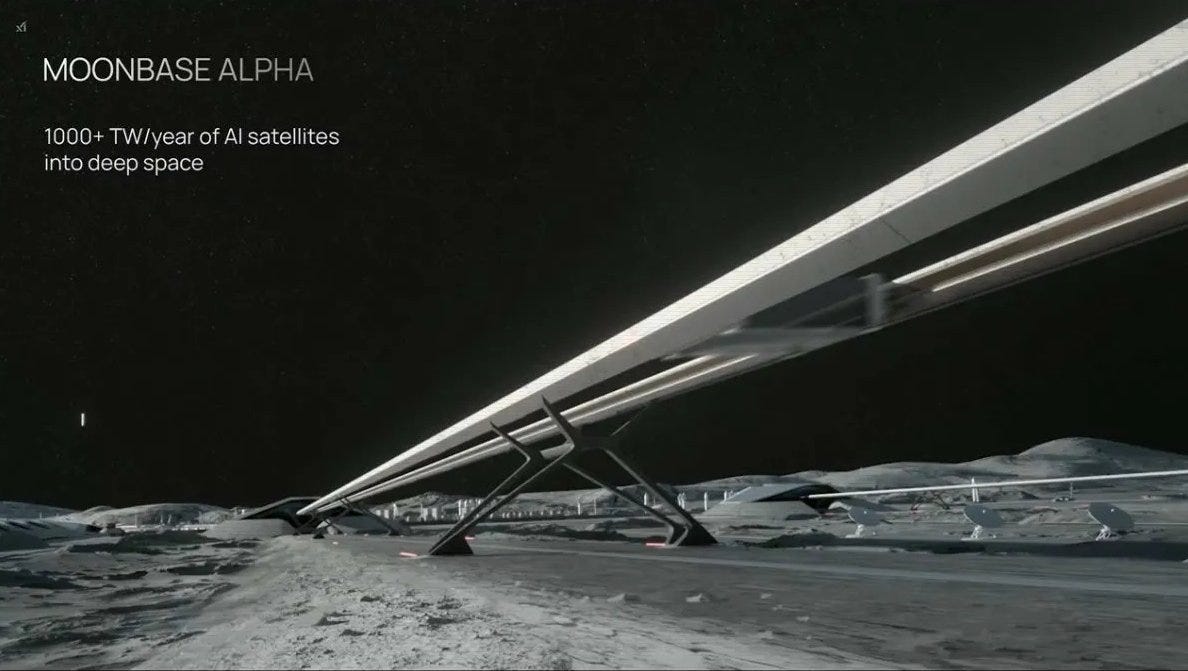
Ultimately the company wants to go evern bigger:
Factories on the Moon can take advantage of lunar resources to manufacture satellites and deploy them further into space. By using an electromagnetic mass driver and lunar manufacturing, it is possible to put 500 to 1000 TW/year of AI satellites into deep space, meaningfully ascend the Kardashev scale and harness a non-trivial percentage of the Sun’s power.
The capabilities we unlock by making space-based data centers a reality will fund and enable self-growing bases on the Moon, an entire civilization on Mars and ultimately expansion to the Universe.
SpaceX has already taken the first step, filing a request with the FCC to “launch and operate a constellation of 1 million sattelites with unprecedented computing capacity.” Satellites will operate in a series of shells ranging between 500km and 2,000 km above the Earth’s surface, and rely on “high-bandwidth optical links [lasers] for communication.” This is probably the first time the words “Kardashev II-level civilization” were ever used in in FCC filing. There’s some excellent writeups on how this will all work here, for anyone interested.
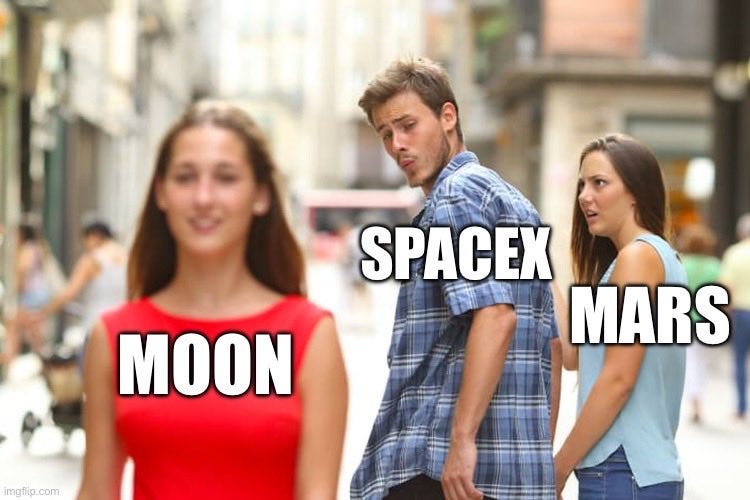
A few days after this was all announced, Elon Musk dropped another even bigger bombshell:
For those unaware, SpaceX has already shifted focus to building a self-growing city on the Moon, as we can potentially achieve that in less than 10 years, whereas Mars would take 20+ years. The mission of SpaceX remains the same: extend consciousness and life as we know it to the stars. It is only possible to travel to Mars when the planets align every 26 months (six month trip time), whereas we can launch to the Moon every 10 days (2 day trip time). This means we can iterate much faster to complete a Moon city than a Mars city. That said, SpaceX will also strive to build a Mars city and begin doing so in about 5 to 7 years, but the overriding priority is securing the future of civilization and the Moon is faster.
My first reaction was that I don’t know if I like this pivot (also “who are you and what have you done with Elon Musk??!?”). Not because the Moon is unimportant, but because we cannot build a self-sustaining (or self-growing) second branch of human civilization there. I think we’ll have a problem with the gravity on the Moon. There’s scanty experimental evidence, but it seems like the Moon’s gravity isn’t enough for healthy human development, while the gravity of Mars probably is. Also, Mars has the full set of minerals required for civilization. The Moon doesn’t. Last but not least, water is relatively scarce on the Moon (enough for running cities, but not so much for making rocket fuel), but abundant on Mars.
The irony is thick because only 13 months earlier, Elon said that “we’re going straight to Mars. The Moon is a distraction.” I’m coming around to the idea of starting on the Moon first, but the one point I think he’s wrong on is the gravity. You cannot have a civilization without children, and it’s probably not healthy for children to be born and raised under Lunar gravity. That alone puts a serious impediment on the idea that the Moon will be “self-growing” in any meaningful sense. Whereas Mars probably can be. Robert Zubrin—founder of the Mars Society and longtime advocate for Mars settlement—was not thrilled with the news. Maybe Elon needs to read Zubrin’s book The Case for Mars again.
Plus I believe we need Mars to truly become a spacefaring, interplanetary civilization. As Arthur C. Clarke said in one of his books, the Moon will always be a suburb of Earth. And sooner rather than later, we need to move on out past the suburbs. Though it’ll be quite something to start seeing the lights of human bases and other works spread across the nearside surface at night. Someone should probably give a heads up to the few uncontacted tribes still around—might freak them out a bit.
So what changed? I think the biggest thing was the need for building datacenters in space in order to win the AI race. To truly scale that up, it’s easier to mine and launch material from the Moon than it is from Earth where politics and protests interfere. Everyone has wondered for years what it is that will finally kickstart the space economy. Tourism? Asteroid mining? Manufacturing of specialized materials in orbit? All of that will happen, but it seems like the answer is AI, and the materials and energy needed to create and power it.
Now, as Elon stated this is not an abandonment of Mars. At most it pushes the first manned landings back by a couple of cycles (though maybe only to 2031). In the meantime, there will be “a massive ramp up of Starship cadence for the Moon and cislunar development. This will mean when Mars windows come around there will be ample, cheap launch capability available for the mission. Lunar mass drivers and data centres are going to be what provide early demand for Starship and prime the pump for large scale Mars settlement.” So though it may delay the start of Mars colonization by a few years, it will hopefully speed things up once they do start.
Did I mention that SpaceX is going to have an IPO this year? Got to pay to jumpstart all of this somehow. The rumor is they’ll raise 10s of billions at a $1.5 trillion valuation. What about everyone else? Funnily enough, Blue Origin also announced a new megaconstellation proposal called TeraWave: “a satellite communications network designed to deliver symmetrical data speeds up to 6 Tbps anywhere on Earth.” It will consist of 5,408 satellites, and I suspect it could be part of a plan to also do datacenters in space. China certainly isn’t sitting on their hands either, as I mentioned last time they are planning a network of 200,000 satellites. At the time (a month ago) I thought that was huge, but looks like it’s barely even table stakes now.
Let me end this rather long writeup with some personal thoughts. If Elon and SpaceX can pull all this off, it’ll feel like we skipped a century in terms of the “tech tree” timeline. We’ll get Bases or even cities on the Moon (complete with mass drivers!), cities and a whole second branch of civilization on Mars, and artificial superintelligence—let’s hope it’s friendly. If SpaceX succeeds at what it is attempting, it will lay the foundations for humanity to build an interstellar civilization starting perhaps in the early 22nd century. My children might see the beginnings of it. They’ll certainly have the opportunity to travel to the Moon and maybe Mars. My grandchildren might choose to board a colony ship and set off for a new home on a world warmed by the light of a different sun. For me, I hope I’ll get a chance to go to the Moon one day, I think that would be an incredible experience.
A Blue and Living Mars. NASA just published findings that should make everyone who’s been waiting for news of Martian life sit up and pay attention. Curiosity rover detected decane, undecane, and dodecane—the largest organic compounds ever found on Mars—in ancient mudstone from Gale Crater. Researchers “rewound the clock” 80 million years to estimate how much organic material existed before cosmic radiation destroyed it. The answer: far more than known non-biological processes could produce. Meteorite delivery, atmospheric production of organic haze, and even hydrothermal processes can’t fully explain the abundance. Researchers say that “as the non-biological sources they considered could not fully explain the abundance of organic compounds, it is therefore reasonable to hypothesize that living things could have formed them.” The researchers are careful to note this isn’t proof, but it’s the strongest biosignature signal found on Mars yet.

Meanwhile, University of Bern researchers discovered river deltas in Valles Marineris—the Solar System’s largest canyon—that mark where rivers once emptied into a vast ocean covering half of Mars about 3 billion years ago. Using high resolution images from ExoMars Trace Gas Orbiter, Mars Express, and Mars Reconnaissance Orbiter, the team identified three fan shaped sediment deposits, matching the geometry of Earth’s river deltas perfectly. The structures that were able identified in the images clearly appear to be at the mouth of a river as it empties into an ocean. That ocean was at least as large as Earth’s Arctic Ocean, and since Mars is roughly half Earth’s width, it covered an enormous fraction of the planet’s northern hemisphere. Similar delta deposits have been found elsewhere on Mars, all lining up along the same elevation band stretching hundreds of kilometers—essentially tracing an ancient Martian shoreline.
My personal opinion is that given Mars’ warm, wet past, it’s inevitable that microbial life once thrived there. We know it existed on Earth at that time, and given the crosstalk of physical material (rocks) thrown up by impacts, microbes from Earth and Mars would have made it from one planet to the other.
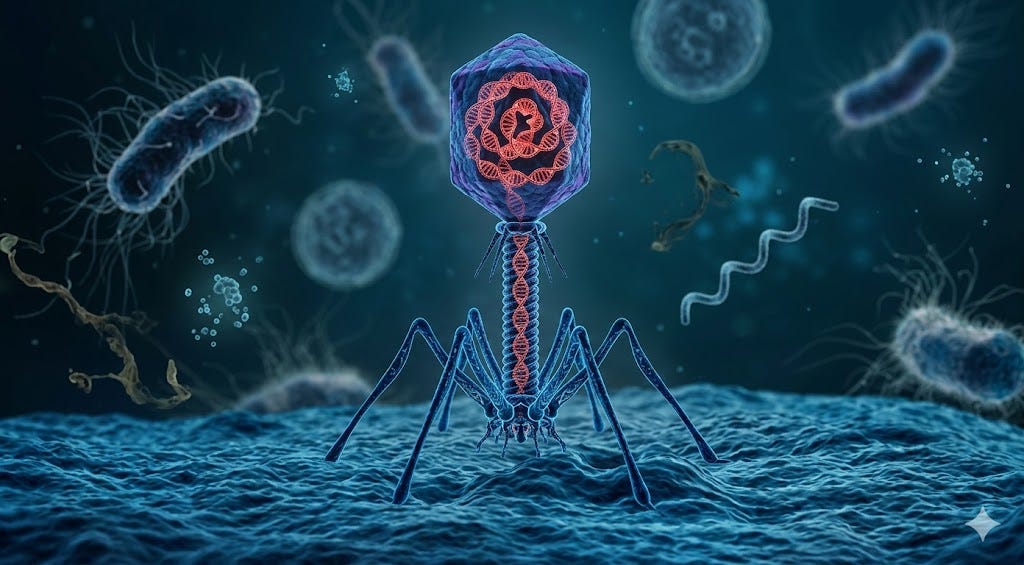
Scientists Build Designer Viruses From Scratch to Fight Antibiotic Resistant Superbugs. Antibiotic resistance kills over 1.2 million people annually—more than HIV and malaria combined—and bacteria are evolving faster than pharmaceutical companies can develop new drugs. Now, scientists at New England Biolabs and Yale University have achieved a breakthrough that could fundamentally change the fight: they’ve figured out how to design and build bacteria killing viruses called bacteriophages completely from scratch. Using NEB’s Golden Gate Assembly platform, researchers constructed a complete bacteriophage targeting Pseudomonas aeruginosa—a notorious superbug causing dangerous infections in cystic fibrosis patients and hospitals—from 28 synthetic DNA fragments. They programmed it with new capabilities by swapping tail fiber genes to change which bacterial strains the phage could infect and adding fluorescent markers that made infections visible in real time. “Researchers spent entire careers developing processes to engineer specific model bacteriophages,” explains co-first author Andy Sikkema. “This synthetic method offers technological leaps in simplicity, safety and speed.”
Traditional phage engineering required maintaining physical virus samples, using dangerous host bacteria, and painstakingly introducing genetic changes one at a time inside living cells—a process taking months or years. The new method assembles entire phage genomes outside any cell using short synthetic DNA segments ordered from commercial suppliers, and incorporating all planned modifications during construction. Once assembled, the genome gets introduced into a safe laboratory strain where it is assembled into an active bacteriophage ready to hunt the target bacteria. Collaborators have already expanded the platform beyond P. aeruginosa: with University of Pittsburgh researchers having built Mycobacterium phages targeting the tuberculosis family, while Cornell created engineered T7 phages that detect E. coli in drinking water within hours rather than days.
The speed matters enormously for clinical applications. With synthetic assembly, researchers design changes on a computer, order DNA fragments, assemble them in a test tube, and have functional engineered phages within weeks—fast enough to create custom therapies targeting specific bacterial strains infecting individual patients. We’re watching synthetic biology mature from proof of concept into tools addressing real medical crises. Antibiotic resistance was supposed to be unsolvable—bacteria adapt, we run out of drugs, infections become untreatable. But viruses have been in a biological arms race alongside bacteria for billions of years, giving us the perfect tool to target them. And now we can reprogram them faster than bacteria can develop resistance. The century old idea of using phages as medicine is finally getting the biotechnology it deserves.
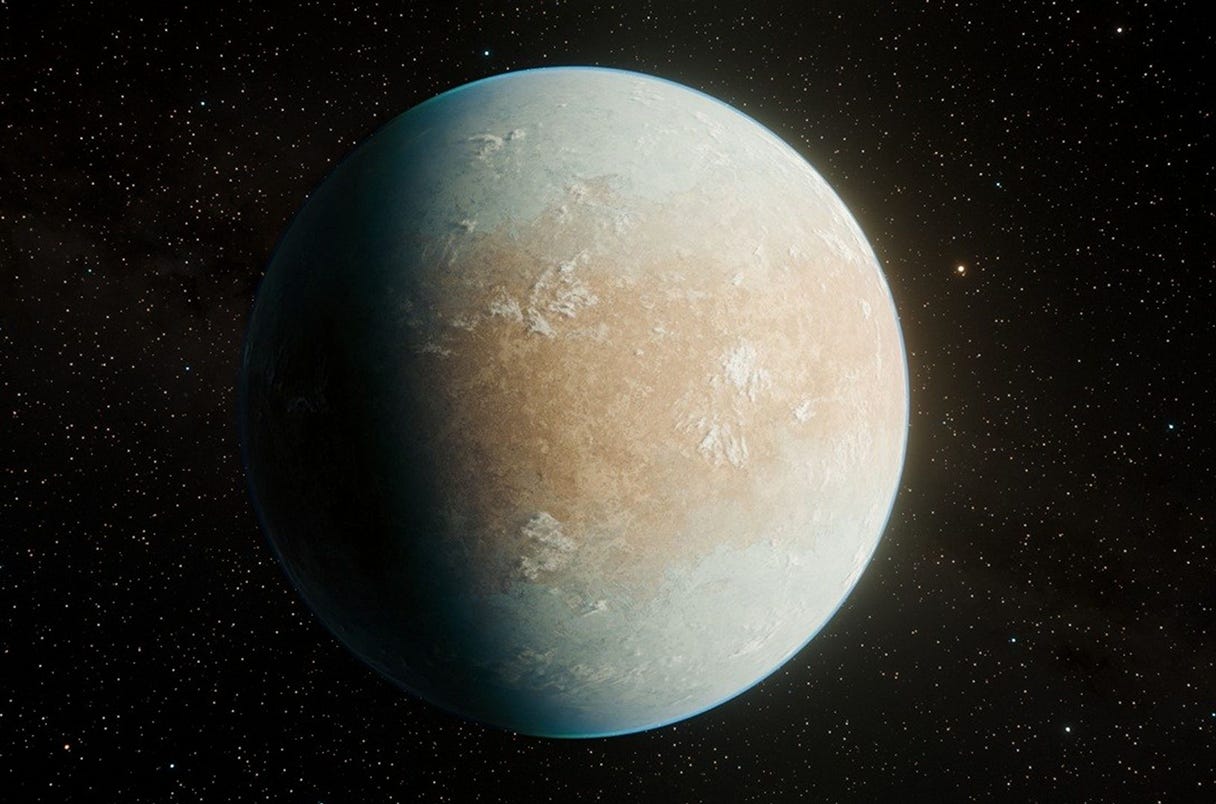
Exoplanet News. Astronomers have discovered an ice cold “Earth” candidate, HD 137010 b, that orbits its star every 355 days. The planet is rocky and only 6% larger than ours (error range of +.06 to -.05), but is right on the outer edge of the habitable zone of its system. The reason for this is its parent star is a K-dwarf, bright but 1000°C (1832°F) cooler than the Sun, meaning that even though it orbits at almost the same distance as Earth does from the Sun, it gets far less incoming energy than we do. This translates to a surface temperature of -68°C (-90°F), which is pretty similar to Mars in our Solar System. However, it could be much warmer if it had a thicker atmosphere with higher levels of CO2 than we do. Because only a single transit was observed, the discovering team “calculated about a 40% chance that it orbits its star more closely, firmly within the habitable zone.” Either way, the next generation of telescopes should take a very close look at this planet. It’s only 146 light years away—far, but not so far as to prevent us one day sending a ship there, or even going ourselves.
A thought relevant to this: while G-type stars like our Sun are probably the best places to search for life and habitable worlds, I think the next best candidates are probably these larger K-type, as well as smaller F-type stars, which are respectively one size smaller and one larger than G-type stars.
In other exoplanet news, Super-Earths may shield atmospheres and life with magnetic fields from churning magma. For years, astronomers worried that super-Earths, rocky planets 2 to 10 times Earth’s mass and one of the most common type of exoplanet discovered, couldn’t support life because their massive gravity would crush their iron cores into solid lumps incapable of generating protective magnetic fields. Without magnetic shields, stellar winds would strip away atmospheres and along with cosmic radiation would sterilize surfaces, making even planets in otherwise perfect habitable zones uninhabitable. University of Rochester researchers may have solved this problem with a brilliant insight: these planets don’t need traditional core dynamos because they generate even stronger magnetic fields from an unexpected source—deep oceans of molten rock between their cores and mantles called basal magma oceans (BMOs). Using powerful lasers to squeeze rock samples to pressures up to 1,400 gigapascals (14 million times Earth’s atmospheric pressure), the team discovered that under such crushing conditions, electrons in the magma roam free and the rock becomes electrically conductive like metal. The findings show that on super-Earths between 3 and 6 Earth masses, churning BMOs can sustain magnetic dynamos typically ten times stronger than Earth’s core driven field, lasting billions of years as the planet’s sheer mass keeps these magma layers liquid and convecting.
Brain-Computer Interfaces: From Sci-Fi to Your Neurons. The brain-computer interface space keeps getting more interesting. OpenAI recently led a $252 million seed round for Merge Labs—co-founded by Sam Altman himself—at an $850 million valuation. Merge is betting on non-invasive, high bandwidth BCIs that use ultrasound and molecular interfaces rather than drilling into your skull, aiming to bridge biological and artificial intelligence without the surgery. Meanwhile, across the pond researchers in Italy and Switzerland demonstrated that simple EEG headsets can decode movement intent from paralyzed patient’s brains and relay those signals to spinal cord stimulators—potentially reconnecting brain and limb without invasive electrodes. The approach pushes EEG technology to its limits (deep brain signals are harder to detect through the skull), but machine learning algorithms are making it work.
Neuralink isn’t sitting still either. Musk announced Blindsight will attempt its first human implant this year, targeting people who’ve lost both eyes or were born blind. Initial vision will be “low-resolution, like Atari graphics,” but the FDA granted breakthrough device designation and monkey trials have been running successfully for three years. The ambition doesn’t stop at restoring normal sight—Musk has previously mentioned future upgrades for infrared, ultraviolet, and even radar wavelengths, essentially giving people Geordi La Forge superpowers (Star Trek).


Researchers from a company called Subsense may try to one-up everyone by their concept of ‘Neural Dust,’ which is “A distributed network of tiny, wirelessly powered sensors scattered throughout the brain, offering the potential for high-fidelity neural recording without the need for fixed implants. Inserted in the brain via inhaling through the nasal passage - yes, by snorting them.” The jokes about ‘snorting compute’ pretty much write themselves.

Black Holes Take the Spotlight: From Baby Monsters to Failed Supernovas. The James Webb Space Telescope’s mysterious “little red dots“ finally have an explanation: they’re young supermassive black holes 100 times less massive than previously thought, enshrouded in dense cocoons of ionized gas that they consume to grow larger. Just 100,000 to 10 million solar masses rather than the billions expected. An additional interesting possibility is that the “little red dots” black holes are direct collapse black holes, forming directly from clouds of cold gas rather than from the collapsing cores of massive dying stars. It would neatly explain how they can be so comparatively large so early in the universe.
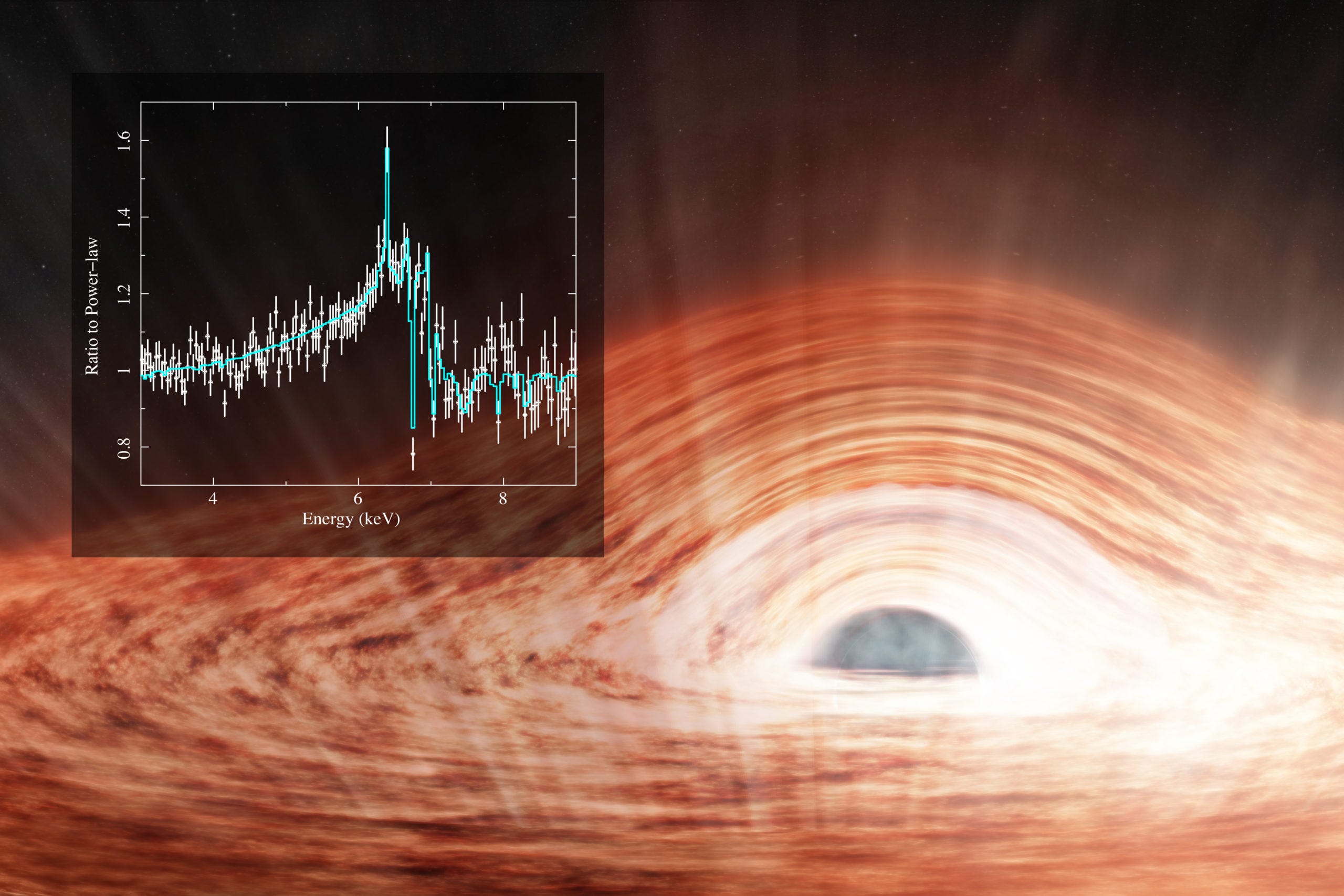
Japan’s XRISM satellite captured spacetime distortion near a black hole’s event horizon in unprecedented detail, while astronomers watched a “reborn” black hole erupt across 1 million light-years of space like a cosmic volcano, with layered jets inside older exhausted lobes revealing repeated eruptive episodes. There’s rather dramatic ongoing activity from a black hole nicknamed “Jetty McJetface“—it’s been burping out an increasingly powerful radio jet for four years straight, now 50 times brighter than when first detected in 2019 and potentially peaking around 2027.
Perhaps most remarkably, astronomers caught a massive star in Andromeda simply disappearing without exploding—the clearest observational record ever of a failed supernova where a star’s core collapses directly into a black hole. What likely happened is that the collapse leading to a supernova began, where normally “a flood of neutrinos released during this collapse generates a powerful shock wave that tears the star apart in a supernova. But if that shock wave is too weak to eject the surrounding material, much of the star can fall back inward.” The star in question brightened in infrared for three years before fading to one ten-thousandth its original brightness. Convection in the star’s remaining outer layers prevented material from falling directly in—instead it orbits the newborn black hole like water circling a drain, slowly spiraling inward over decades while dust formed from cooling material creates the faint infrared glow still visible today. The event sat unnoticed in public archival data for over five years, suggesting these quiet collapses “may be happening out there and easily going unnoticed.” With two such events now documented—this along with the earlier star NGC 6946-BH1—what once seemed like oddball cases appears to be a pathway to black hole formation, one that bypasses the explosive fanfare we always assumed was mandatory.
The Cancer Treatment Revolution Continues. The FDA just fast tracked KB707, the first ever inhalable gene therapy for lung cancer—patients breathe in a modified herpes virus carrying immune boosting genes that reprogram tumor environments without the systemic toxicity of traditional immunotherapy. Early trials show tumors shrinking in 3 of 11 patients with advanced cancer who’d exhausted every other option, with another 5 seeing their disease stop progressing entirely. Houston Methodist researchers developed an mRNA therapy that protects skin from radiation burns by instructing cells to produce telomerase, reducing DNA damage in up to 95% of cancer patients who suffer radiation-induced skin injury—potentially allowing uninterrupted treatment for the first time. I wonder if this approach could also have anti aging applications? Moderna and Merck’s personalized mRNA cancer vaccine just hit five year data showing a sustained 49% reduction in melanoma recurrence or death when combined with a drug called Keytruda, sequencing each patient’s tumor to create custom vaccines targeting up to 34 unique mutations in just six weeks from biopsy to injection.
Researchers elsewhere are deploying “zombie cancer cells“—cancer cells that have been irradiated into senescence but remain metabolically active—to train patient’s immune systems to recognize and destroy tumors in the first human trials. A triple-drug combo stopped pancreatic cancer cold in mice. Human trials soon I hope? Scientists discovered a nanomaterial that kills cancer cells on contact. Improved CAR-T therapies are showing better persistence and reduced toxicity. A bacterial toxin selectively stops colon cancer growth without touching healthy tissue. And here’s the weirdest bit of news yet: cancer patients rarely develop Alzheimer’s, and Alzheimer’s patients rarely get cancer. This suggests that the diseases activate opposing biological pathways that might unlock new therapeutic targets for both conditions.
Anti-Aging Acceleration. The age reversal toolkit just got a new blueprint. Researchers identified four transcription factors—E2F3, EZH2, STAT3, and ZFX—that can shift both mouse liver cells and human fibroblasts back toward a younger state by systematically toggling gene expression on and off from a shortlist of 200 candidates. Life Biosciences received FDA clearance to begin the first human trials of cellular rejuvenation therapy, using a modified virus to deliver three Yamanaka factors (OCT-4, SOX-2, and KLF-4) directly to diseased eyes with glaucoma and NAION (“eye stroke”), aiming to restore methylation patterns and reverse aged cells to a younger state through partial epigenetic reprogramming. Metformin, a common drug given for diabetes and metabolic disorder, turns out to slow down the aging process by approximately 6 years in monkeys.
I’ve mentioned before how the shingles vaccine reduces the chance of Alzheimer’s and dementia in older adults. A new study suggests it also might be slowing your biological age. USC researchers analyzing 3,800 Americans aged 70+ found vaccinated participants showed significantly lower inflammation, slower epigenetic and transcriptomic aging, and better composite biological aging scores, with improvements most pronounced within three years post vaccination but persisting beyond. The vaccine appears to reduce “inflammaging”—chronic low-level inflammation driving heart disease, frailty, and cognitive decline—possibly by preventing viral reactivation. Meanwhile, researchers discovered that exposure to low air pressure environments triggers cellular stress responses that extend lifespan independently of dietary restriction (not so easy to replicate with humans). NAD+ continues dominating the conversation as multiple studies confirm its central role in cellular energy balance and aging, while scientists work to regrow cartilage to stop arthritis and identify a single molecule that explain how reduced brain blood flow triggers dementia.
Biggest takeaways? Talk to your doctor about getting on metformin (at least intermittently, or at a lower dose), and get that shingles vaccine if you’re getting older.
Space
AI has planned and executed a drive on another world for the first time. “The team for the six-wheeled scientist used a vision-capable AI to create a safe route over the Red Planet’s surface without the input of human route planners.” NASA Administrator Jared Issacman noted that “as missions operate farther from Earth, autonomy will become critical for maintaining efficiency and reliability.” This advance means the rover can now map terrain and navigate around hazards in real time, eliminating the need for constant pauses for commands from mission control back on Earth. Writing this, I pondered a bit whether it should be in next week’s AI Frontier newsletter; but there’s increasingly going to be AI in everything, so I think it’s fine to have some in my main newsletter too. (Jared Issacman) (NASA Mars) (Anthropic)
A research team from Jilin University in China has confirmed the discovery of naturally occurring single-walled carbon nanotubes in lunar soil samples returned by China’s Chang’e-6 mission. Until now, these nanostructures were believed to be impossible to form outside highly controlled environments. [Sidebar: “It was known that multi-layered carbon nanotubes occur naturally on Earth within coal, ice, and fire ash, formed by rapid cooling. But their simpler yet more delicate single-walled counterparts were long thought to be impossible to form without human intervention.”] However, analysis of the far-side lunar regolith reveals that nature has been running its own “nanofactory” for eons, using a violent recipe of micrometeorite impacts, ancient volcanic heat, and solar wind irradiation to catalyze carbon into these nanotubes. This trove of ready made nanotubes that could one day be harvested to build everything from high capacity batteries to lunar habitats in situ. (Interesting Engineering)
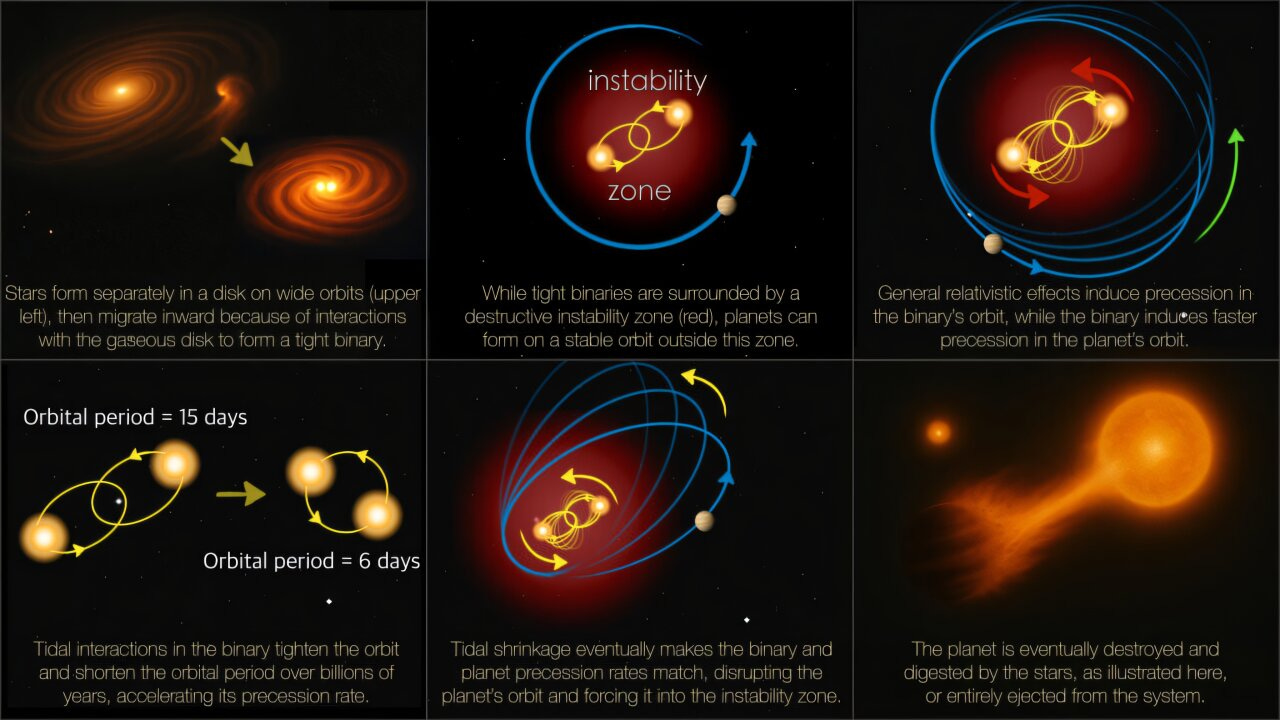
In a discovery that Star Wars fans might appreciate, astronomers have confirmed that “Tatooine-like” circumbinary planets—worlds orbiting two stars—are significantly rarer than those in single star systems. By analyzing data from the TESS space telescope, researchers found that while close binary star systems are common, the chaotic gravitational environment between two tightly orbiting suns makes it incredibly difficult for planets to form and maintain stable orbits. Most candidate worlds are either flung into deep space or crushed by tidal forces. It’s worth mentioning that this “doesn’t mean that [close] binary stars don’t have planets…But the only ones that survive this process are too far from the stars for us to detect with transit techniques used by Kepler and TESS.” For everyone worrying about whether this applies to Alpha Centauri, fear not, those two stars are far enough apart that each could have stably orbiting planets around it, so this study does not apply. It does seem though that the perfect double sunset may be a rare sight in any galaxy, far far away or otherwise. (Phys.org)
For long as we’ve watched solar flares, the spark setting them off has remained a mystery—until now. Thanks to the ESA’s Solar Orbiter, we finally know what causes these explosive outbursts: magnetic avalanches. By imaging the Sun’s atmosphere every two seconds, the spacecraft captured a tug of war where small, individual magnetic field lines snap and reconnect. Much like a single falling pebble triggering a rock slide, these microscopic breaks create a cascading chain reaction. This “avalanche” of magnetic energy rapidly multiplies, eventually hitting a breaking point that flings solar particles into deep space at close to the speed of light. (European Space Agency) (SciNews)
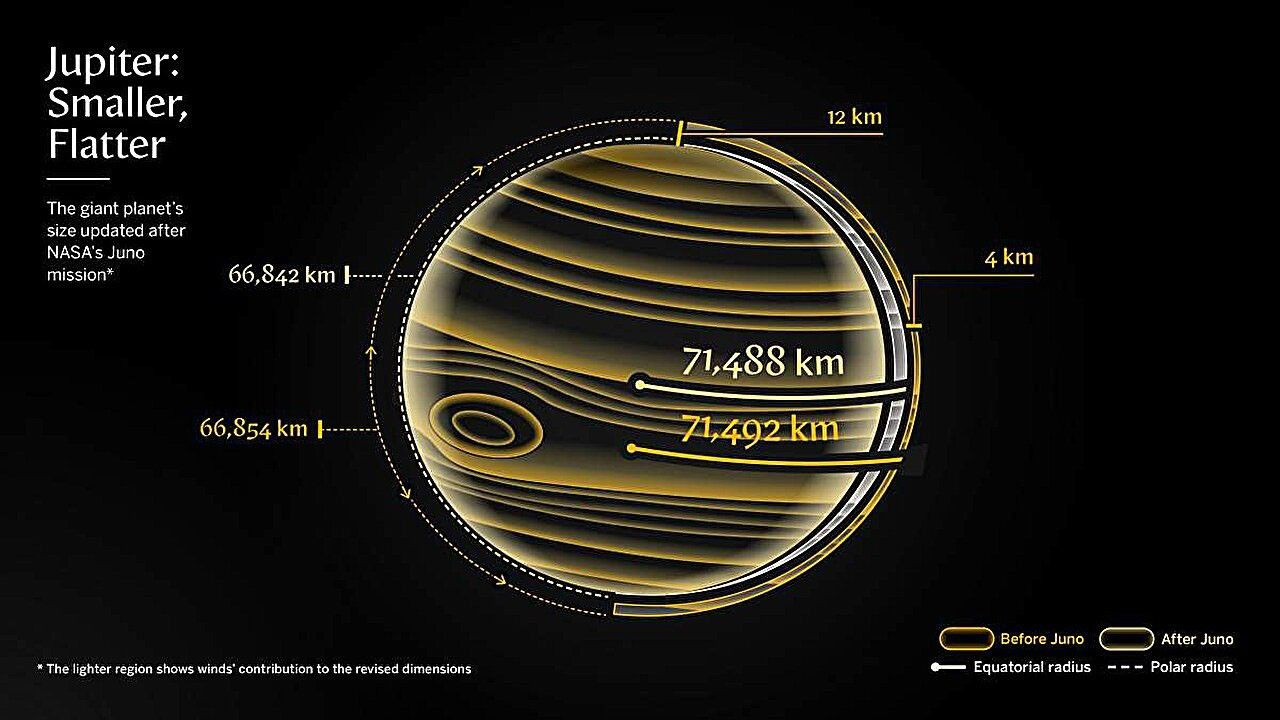
Some interesting new discoveries from inside our Solar System. Turns out, Jupiter is a little smaller and flatter than we thought. Looking at data from NASA’s Juno mission has shown that the gas giant is “about 5 miles (8 kilometers) narrower at the equator and 15 miles (24 kilometers) flatter at the poles.” Using modern processing of archived radar data from NASA’s old Magellan Venus orbiter, researchers have uncovered the first direct evidence of a huge, intact lava tube at the base of Nyx Mons—a large shield volcano—on Venus. Not somewhere humans could set up (the surface of Venus is hot enough to melt lead), but extremely interesting that these lave tubes have no been confirmed on every terrestrial planet in our Solar System except Mercury. Shows you there’s still a lot we have to learn close (relatively speaking) to home. (NASA Marshall) (Nature)
China just pulled of “a successful in-flight abort test of the Mengzhou crew spacecraft and a reentry, powered descent and splashdown of a first stage CZ-10A [rocket].” While it was just a low altitude demonstration flight, it’s a big step on the way to manned lunar landing missions. I’ve said that a) I think China will land one or more orbital rockets this year, and b) it won’t take them a decade to catch up to where SpaceX is now. This does nothing to change my opinion. China isn’t slowing down. (Andrew Jones) (China Science)


SpaceX—and to a lesser extent Blue Origin, Rocket Lab, and China—tend to dominate the rocket company updates in my newsletters. But don’t forget that there are other players in the U.S. that are working hard to take a piece of the burgeoning launch market. Stoke Space just announced “an extension of our Series D financing round to $860M, adding $350M to the initial $510M raised in October 2025. This brings our total funds raised to $1.34B.” That’s some serious dough, which the company plans to use in developing their “fully and rapidly reusable medium-lift launch vehicles.” (Stoke Space)
NordSpace is working to help Canada ascend into the medium-lift launch market through a R&D collaboration with Germany’s Fraunhofer ILT and SWMS, backed by the National Research Council of Canada. This partnership centers on a breakthrough in “multi-material additive manufacturing”—essentially a high speed, AI-optimized 3D-printing process that can deposit multiple metals simultaneously to build massive rocket engines. By leveraging these partnerships, NordSpace is moving beyond light-lift rockets to develop the Titan vehicle, a medium-lift rocket of hauling over 5,000 kg (11,000 lbs) to orbit by the early 2030s. It’s important to note though that the company has not launched anything yet, and I don’t know any of their rockets will be reusable—if not, they’ll be uncompetitive without government support. (NordSpace)
Here’s a project for everyone: The University of Florida College of Business has launched the Space Ideation Challenge and has cash prizes “for brilliant ideas that Advance American Leadership in Space via innovative policies.” To win, you need to come up with an innovative idea, and put together a 3-5 page white paper on it, with a focus on “A market-shaping policy initiative that addresses a clear, high-impact space goal.” Papers are due by June 30th, so you’ve got lots of time still. (ucfspacebiz) (Greg Autry)
Engineering, Machines, & Physics

University of Vienna physicists have created the largest quantum superposition ever—clusters of roughly 7,000 sodium atoms that exist in two locations 133 nanometers apart simultaneously, far exceeding the particle’s 8-nanometer width. The team sent these metallic nanoparticles (more massive than most proteins at 170,000 atomic mass units) through laser beam gratings where they behaved like waves rather than particles, producing interference patterns that prove quantum mechanics still applies at this unprecedented scale. “Intuitively, one would expect such a large lump of metal to behave like a classical particle. The fact that it still interferes shows that quantum mechanics is valid even on this scale.” The breakthrough renews one of physics’ biggest questions—where does quantum weirdness end and classical reality begin? Someone should definitely try this with a virus. (Science Magazine)
Scientists have demonstrated a new way to “squeeze” light so it can probe matter at the atomic scale with far greater sensitivity than conventional light based imaging allows. The problem with light microscopy is that you can’t see or image anything smaller than the wavelength of light you’re using. This new method changes that, allowing imaging at scales “nearly 100,000 times smaller than what conventional light-based microscopes can resolve…In simple terms, the researchers found a way to use light to probe matter at nearly the scale of single atoms, something that has been previously considered impossible.” They achieved this by placing a sharp bit of metal closer than the width of an atom to the surface of the material they wanted to test, causing electrons to tunnel across the gap (a quantum effect). “The laser’s electric field shakes these electrons back and forth between the tip and the sample. Like tiny charges moving in an antenna, their motion produces a weak electromagnetic signal.” There’s a law of nature in the way you say? There’s a way around it, say I. (Interesting Engineering)
China is pushing maglev technology up a notch, testing a superconducting system that accelerates to roughly 700 km/h (435 mph) in just seconds on a short experimental track — all without wheels ever touching a track. Using powerful electromagnetic propulsion and precision guidance, the vehicle eliminates friction and demonstrates huge acceleration (far more than human passengers could take) and braking control. While still an early stage prototype, the performance suggests a future where ground transport rivals aircraft speeds — or even supports new aerospace launch concepts. (Interesting Engineering)
American scientists are building the world’s first experimental graviton detector — an effort to capture the quantum particle of gravity long thought forever beyond reach. Gravitions are the hypothetical carriers of gravity that would help unify Einstein’s general relativity with quantum mechanics, but until recently were widely believed to be undetectable in practice. The new approach uses a superfluid helium resonator cooled very close to absolute zero, where a passing gravitational wave could deposit a single graviton’s worth of energy that’s then measured with ultra-sensitive lasers. Backed by a Keck Foundation grant, this project turns what was once theoretical impossibility into a concrete lab program that could open a wholly new window on reality. (Steven’s Institute of Technology via Sabine Hossenfelder)
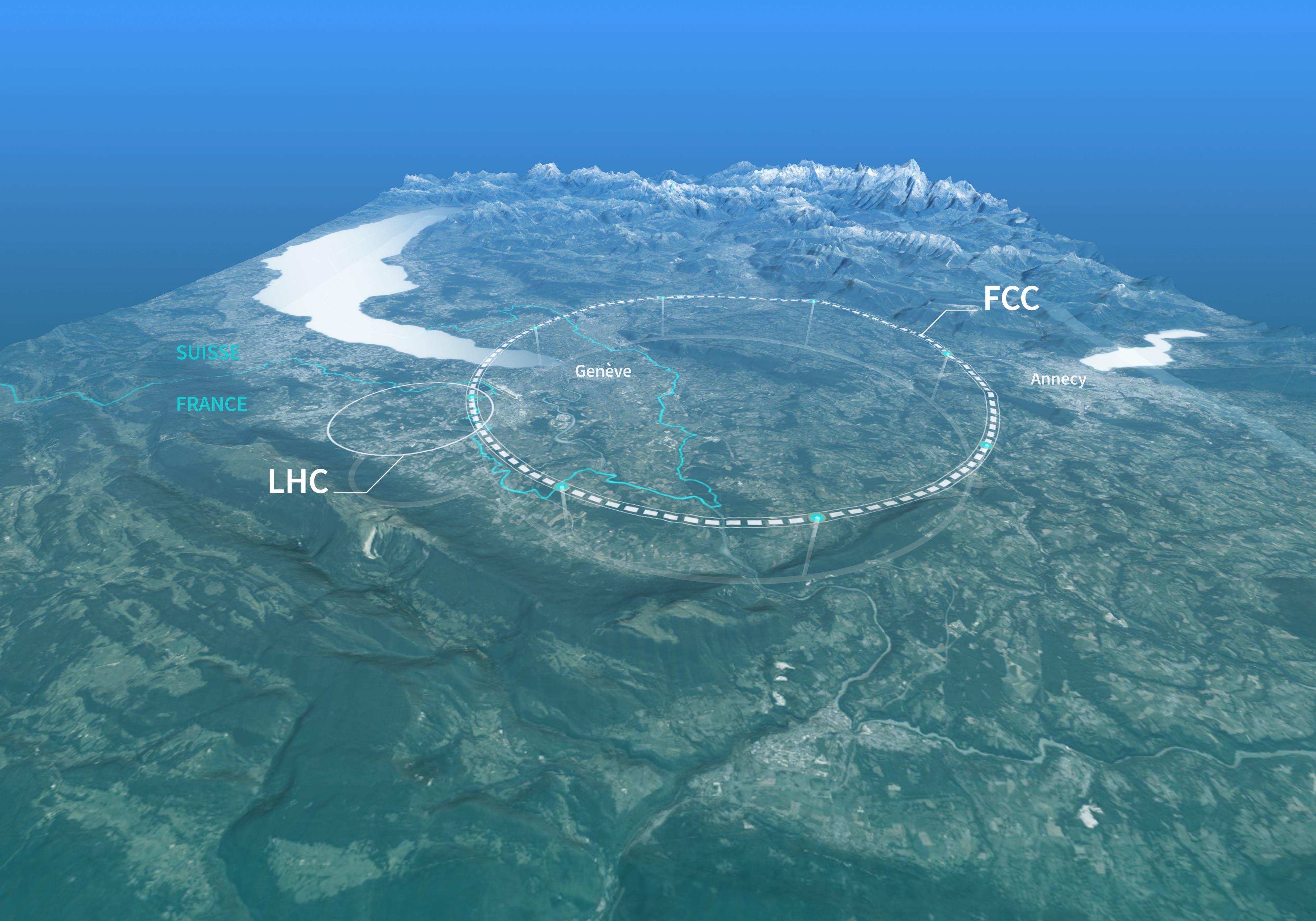
CERN has just secured a $1 billion funding injection to move forward on the development of the Future Circular Collider (FCC), a 56.3 mile (90.7 km) subterranean ring that will dwarf the current Large Hadron Collider, which has a comparatively small 16.8 mile (27 km) radius. This next generation “discovery machine” is engineered to smash particles at new energies of 85 TeV, allowing us hunt for entirely new particles. The plan is to start construction in the early 2030s, with operations starting in the late 2040s. I know, government timeline. But, c’est la vie. (Interesting Engineering) (CERN)
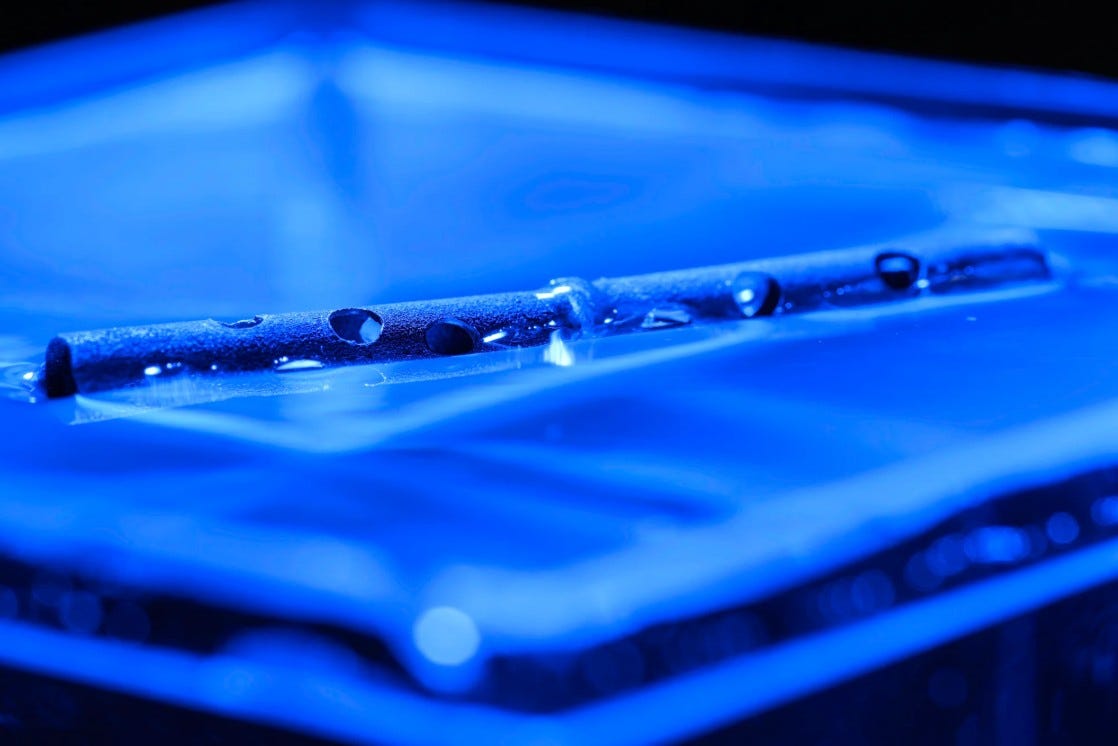
What if your ship could be full of holes and still float? It may happen, now that scientists have discovered a class of light, corrosion resistant, superhydrophobic metal alloys shaped into tubes that stay buoyant and extremely durable in seawater. It works by a similar principle to what diving bell spiders do, using hairs covering their bodies to:
Trap air bubbles against their skin. The metal tubes “mimic those fine hairs, trapping their own air bubbles. Normally water would spread along the inside walls and push the air out. But when it hits the superhydrophobic texture, it bounces away. Surface tension—the same property that causes water to bead on a waxed car hood—prevents the water from entering the tube. As a result, the air stays inside, and the tubes remain buoyant.
These alloys combine exceptional strength, fracture resistance, and oxidation resistance with densities low enough that hollow structures built from them can float, even when poked full of holes — a totally new design space for marine engineering. (Scientific American)
South Australian engineering firm entX is creating a pre-commercial 3D-printed nuclear battery that could run for years without a single charge in environments where the sun doesn’t shine and humans can’t reach. Unlike traditional radioisotope thermoelectric generators that convert heat from decaying plutonium into electricity, this battery uses betavoltaics: beta particles from radioactive decay knock electrons out of semiconductor materials, generating electricity directly like a solar panel powered by nuclear radiation instead of photons. The team stacks nanoscale layers of metals and semiconductors using additive manufacturing combined with precision thin-film deposition, creating “energy sandwiches” with power densities previously out of reach, while 3D-printing custom radiation shields for safe deployment in satellites, submersibles, and defense systems. The $1.8 million project aims to deliver a high-power demonstrator within 14 months for space, defense, and remote applications where maintenance free power is a strategic advantage. (Interesting Engineering)
Tesla just started up a lithium refinery, “the first in North America to convert raw spodumene ore directly into battery-grade lithium hydroxide, skipping the intermediate steps the rest of the industry relies on.” [Sidebar: spodumene is a hard rock source of lithium containing 1-2% lithium oxide. It’s normally concentrated to 5-7% lithium oxide before being subjected to a multi-step process involving roasting, acid baking, leaching, and various purification processes]. I don’t know how Tesla managed to pull this off, but it looks like another example of Elon Musk’s companies basically doing engineering magic. This single refinery “can supply lithium for over 500,000 EVs per year and directly challenges China’s ~60% grip on global lithium refining.” (@XFreeze) (Tesla)
Medicine & Biotech

Researchers have built the world’s first magnetically controlled antibody — a drug you can switch on and off in specific locations inside the body using relatively weak magnetic fields. Rather than flooding the whole system, the therapy could be activated only where needed, potentially enabling safer cancer treatments, organ transplants without systemic immunosuppression, and other drugs that would otherwise be too toxic. The magnetic fields involved are modest (stronger than a fridge magnet but far weaker than MRI), don’t heat tissue, and allow continuous, reversible control — offering a compelling alternative to approaches like focused ultrasound. (Richard Fuisz)
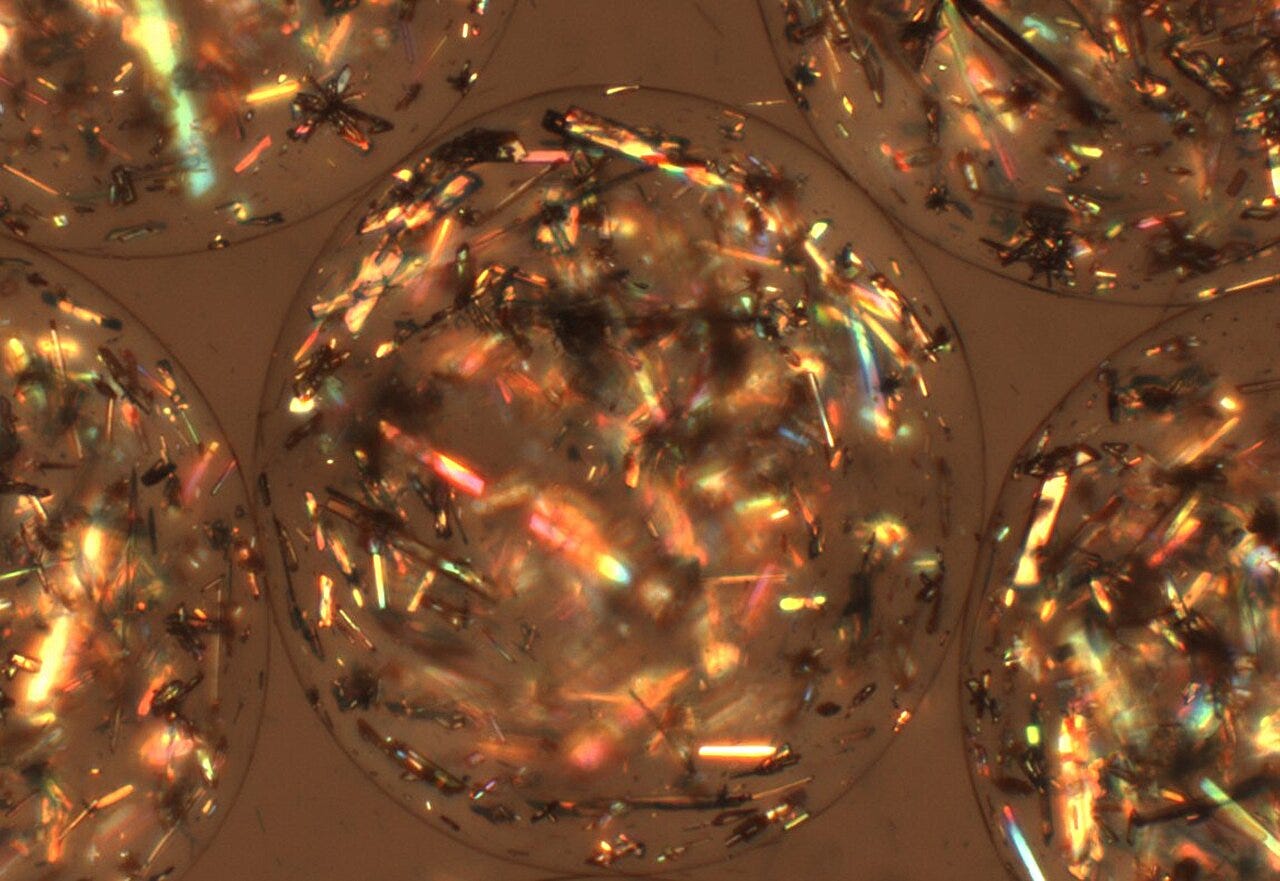
Living implant could end daily insulin injections for diabetes patients. A multi-institution collaboration has developed a cell based implant that functions as an autonomous artificial pancreas—continuously sensing blood glucose, producing insulin, and releasing exactly the amount needed without external devices or patient intervention. The breakthrough uses a “crystalline shield” technology with engineered therapeutic crystals that protect insulin producing islet cells from immune attack while allowing glucose and insulin to pass freely, with the slowly dissolving crystals releasing medicine that prevents macrophages from sealing off the implant with scar tissue. In diabetic mice, the implant maintained effective blood glucose regulation for one full year, while non-human primate studies confirmed protected cells remained alive and functional over extended periods. The platform could extend beyond diabetes to hemophilia, enzyme deficiencies, and other chronic conditions requiring continuous biological therapeutics—shifting from repeated drug administration to living, self-regulating therapies operating seamlessly inside the body. (Medical Xpress)
Scientists have developed a spray on powder that stops life threatening bleeding instantly by rapidly forming a tough, flexible seal over wounds — a major advance over traditional bandages that struggle with extreme arterial or surgical bleeding. The dry powder activates on contact with blood to create a biocompatible patch that sticks even under pressure, resists washing away, and supports the body’s own clotting. In animal tests it stopped bleeding in seconds and held up under real world conditions, showing real promise for trauma care, battlefield medicine, and emergency response. If translated to humans, this kind of spray on wound seal could dramatically reduce deaths from hemorrhage and speed lifesaving care. (SciTechDaily)
Isomorphic Labs has announced a research collaboration with Johnson & Johnson to harness AI-driven discovery for new medicines, combining J&J’s clinical expertise with Isomorphic’s advanced generative models and biological simulation tools. The partnership will focus on accelerating target identification, molecule design, and early stage drug validation — areas where AI can compress years of research into months by predicting biology more accurately than traditional methods. By marrying cutting edge computation with deep pharmaceutical experience, the effort aims to bring novel therapies to patients faster and with fewer failures in the lab. I know this could also fit in my AI Frontier newsletter, but as AI is getting into everything now, it’ll show up in the main newsletter sometimes too. (Isomorphic Labs)
Scientists may have finally explained why statins cause muscle pain — the most common reason people stop taking these widely prescribed cholesterol lowering drugs. New work shows statins can bind to a muscle protein called the ryanodine receptor and trigger tiny calcium leaks inside muscle cells, which can weaken fibers or activate breakdown pathways and lead to aches and weakness that some patients experience. This structural insight suggests paths toward redesigning statins that still lower LDL cholesterol but avoid this unintended interaction, or using compounds that block the calcium leak itself to protect muscles. (Science Daily)
Researchers have found that human heart tissue has a real capacity to regenerate after a heart attack, overturning the long held belief that adult human hearts are essentially incapable of meaningful self-repair. The new study shows that, following injury, certain cardiac muscle cells divide, producing new heart tissue rather than scar tissue. This regenerative response is stronger than expected and lays out molecular pathways the heart already uses — giving scientists concrete targets to enhance this process with drugs or biologics. If therapies can amplify this innate repair mechanism, it could shift heart attack treatment from limiting damage to restoring healthy heart function. (Science Alert)
Scientists have engineered an off the shelf cartilage implant that guides the body to regrow bone by mimicking the natural developmental process where cartilage templates are gradually replaced by bone. In animal tests, these bioengineered scaffolds recruited host cells and vasculature, directing them to remodel the cartilage into healthy, load bearing bone without inflammation or rejection. Unlike current bone grafts that require harvesting a patient’s own tissue or rely on synthetic fillers, this approach uses a biological template that orchestrates repair from within. If translated to humans, it could transform orthopedics — accelerating healing for fractures, defects, and disease with a ready made material that essentially teaches the body to heal itself. (SciTechDaily)
Agriculture
Working with farmers in Senegal, Arizona State University researchers discovered that simply enriching soil with nitrogen fertilizer makes crops unappetizing to locusts while doubling harvest yields. The breakthrough works because locusts fuel their long distance swarming on carbohydrate heavy plants grown in nutrient poor soil. But nitrogen enriched soil produces protein rich plants with fewer carbs that locusts mostly avoided. Treated millet plots showed fewer locusts, less crop damage, and doubled yields compared to untreated plots, with no evidence that higher protein attracted other pests. This discovery offers a usable alternative for poor countries to expensive pesticide spraying to deal with locust swarms that can destroy crops across entire regions. (SciTechDaily)
China has transformed a swath of barren Gobi Desert into a dense Duzhong forest producing military grade natural rubber. China is actually the world’s largest rubber consumer, and imports over 85% of its 7 million annual tons of usage, so this is a pretty big vulnerability they’re trying to plug. The Duzhong tree (Eucommia ulmoides), whose bark has been used in traditional medicine for centuries, is the world’s second largest natural rubber source, and adding just 3-5% Duzhong rubber to tire compounds dramatically improves durability for high performance military tires. What began as a risky 2016 experiment on 14 hectares (34.6 acres) has expanded to 300,000 hectares (741,300 acres) nationwide, with plans to reach 3.3 million hectares (8.2 million acres) by 2030. (Interesting Engineering)
Weird & Wonderful

This is just too funny not to share. A company called Superheat has a water heater that mines Bitcoin while heating water, potentially generating $1,000 annually in BTC to offset 80% of energy costs. I think that’s absolutely brilliant. (Superheat) (Interesting Engineering)

Here’s another funny one. Weight loss drugs like Ozempic could save U.S. airlines up to $580 million in fuel costs this year, “as passengers shed pounds and make planes lighter.” (LA Times)


Looks like private non-profits are doing a way better job than governments again, with a company called Ocean Cleanup estimating that they intercepted between 2-5% of global plastic pollution en route to the ocean. Founder Boyal Slat thinks they should be able to double that number in 2026. Ocean Cleanup says they “aim to put ourselves out of business…To achieve this goal, we employ a dual strategy: intercepting in rivers to tackle the sources of ocean plastic pollution, and cleaning up what has already accumulated in the ocean and will not go away by itself.” Good on them. (Boyan Slat) (Ocean Cleanup)
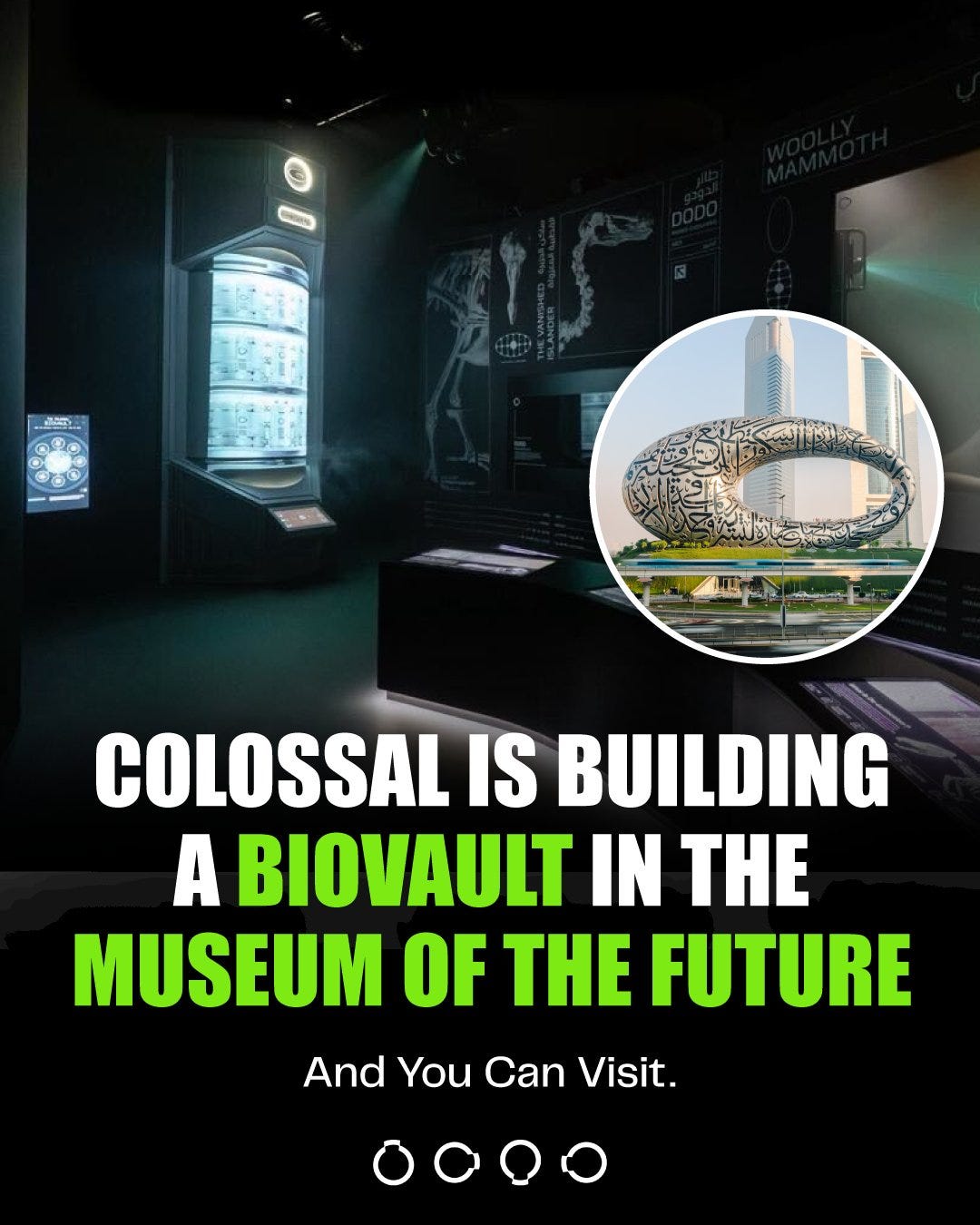
Now this looks like it’s going to be epic. Colossal Biosciences—the company that’s going to make it so that my kids grow up in a world with woolly mammoths—is building a biovault at the Museum of the Future in the United Arab Emirates (UAE). This Colossal BioVault is intended to be a modern Noah’s Ark, using cryogenic technology, robotics, and AI to store millions of biological samples from over 10,000 species, starting with the 100 most endangered animals. The idea is to create a genetic insurance policy against extinction, though I could see something growing out of this technology being used on interstellar craft aiming to colonize and terraform new worlds around other suns. (Colossal Biosciences) (Rob Keyes)

Korean scientists have successfully recreated ancient sea silk—a legendary golden fiber once reserved for Roman emperors and popes—by processing byssus threads from Atrina pectinata, a clam commonly farmed for food in Korean coastal waters [Sidebar: byssus threads are strong, hair-like protein fibers produced by bivalve mollusks to anchor themselves to rocks, docks, and other surfaces in turbulent, high energy marine environments]. The researchers discovered that sea silk’s permanent golden shine doesn’t come from dyes but from structural coloration—spherical protein structures called photonin that form layered arrangements reflecting light like soap bubbles or butterfly wings, explaining why the color resists fading for centuries. Traditional sea silk came from Pinna nobilis, a large Mediterranean clam now pushed toward extinction by pollution and banned from harvest by the EU, but the Korean pen shell’s byssus threads closely match the original’s physical and chemical properties. The breakthrough transforms pen shell byssus, previously discarded as marine waste, into a valuable sustainable textile whose color emerges naturally from protein alignment rather than external pigments or metals. Business idea anyone? (Science Daily)
Here’s an interesting piece of tech history for you. In 1963, the US military launched 480 million copper needles into orbit to try and create an artificial ionosphere. At the height of the Cold War, the US military worried that Soviets might cut undersea cables, leaving only the unpredictable natural ionosphere for overseas communications—so MIT’s Lincoln Laboratory launched Project West Ford to create a backup system by launching the tiny copper needles (0.7 inches long, thinner than a human hair) into space around Earth. After a failed 1961 attempt where needles clumped together, a May 1963 launch successfully dispersed the needles and radio transmissions bounced off the artificial ring between California and Massachusetts, though transmission rates dropped from 20 kilobits per second to just 100 bits per second within four months as the needles continued dispersing. British and Soviet astronomers protested furiously—a newspaper ran the headline “U.S.A. Dirties Space”—and the International Academy of Astronautics now regards it as the worst deliberate release of space debris. The technology was ultimately shelved as communications satellites emerged, but clumps of needles from the failed 1961 launch and larger fragments from 1963 still orbit Earth today as space junk. (IFL Science)
Photos & Videos

This is actually from the U.S. Department of Labor, and is drumming up interest for apprenticeship programs. But man, what a cool image. (U.S. Department of Labor)
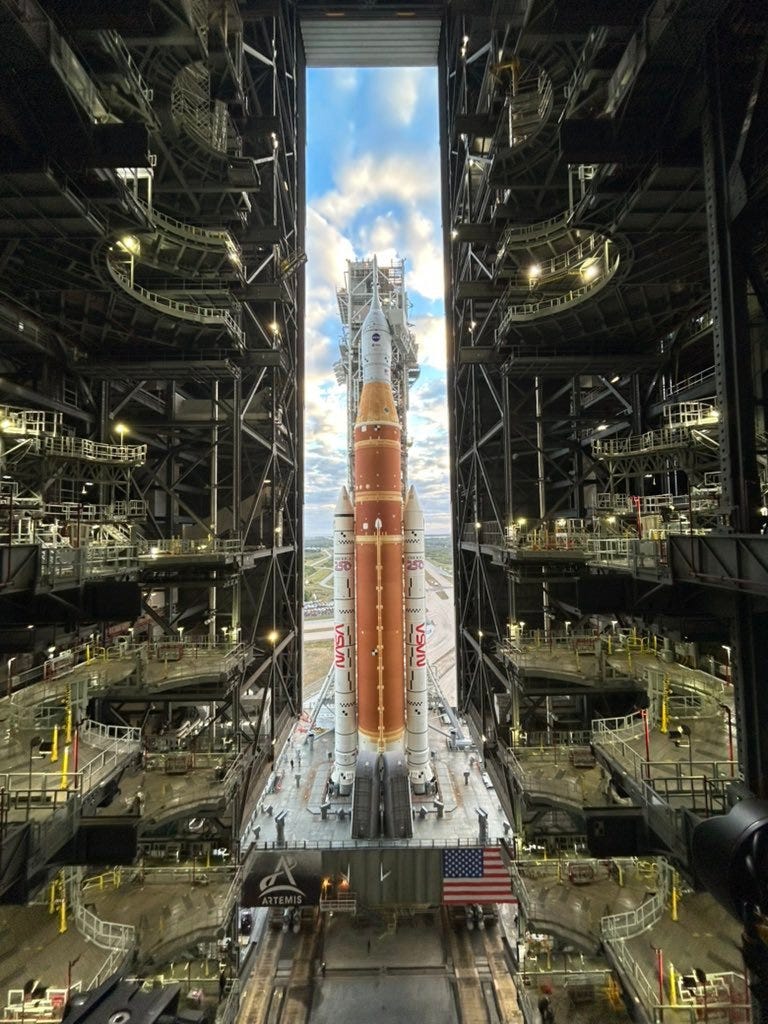
Speaking of cool rocket photos, here’s the rocket that will launch Artemis II around the Moon rolling out. As you may have heard, there’s been some unfortunate delays, and the launch date has been pushed back repeatedly from early February to sometime in April. I hope. (NASA, via Yatharth)
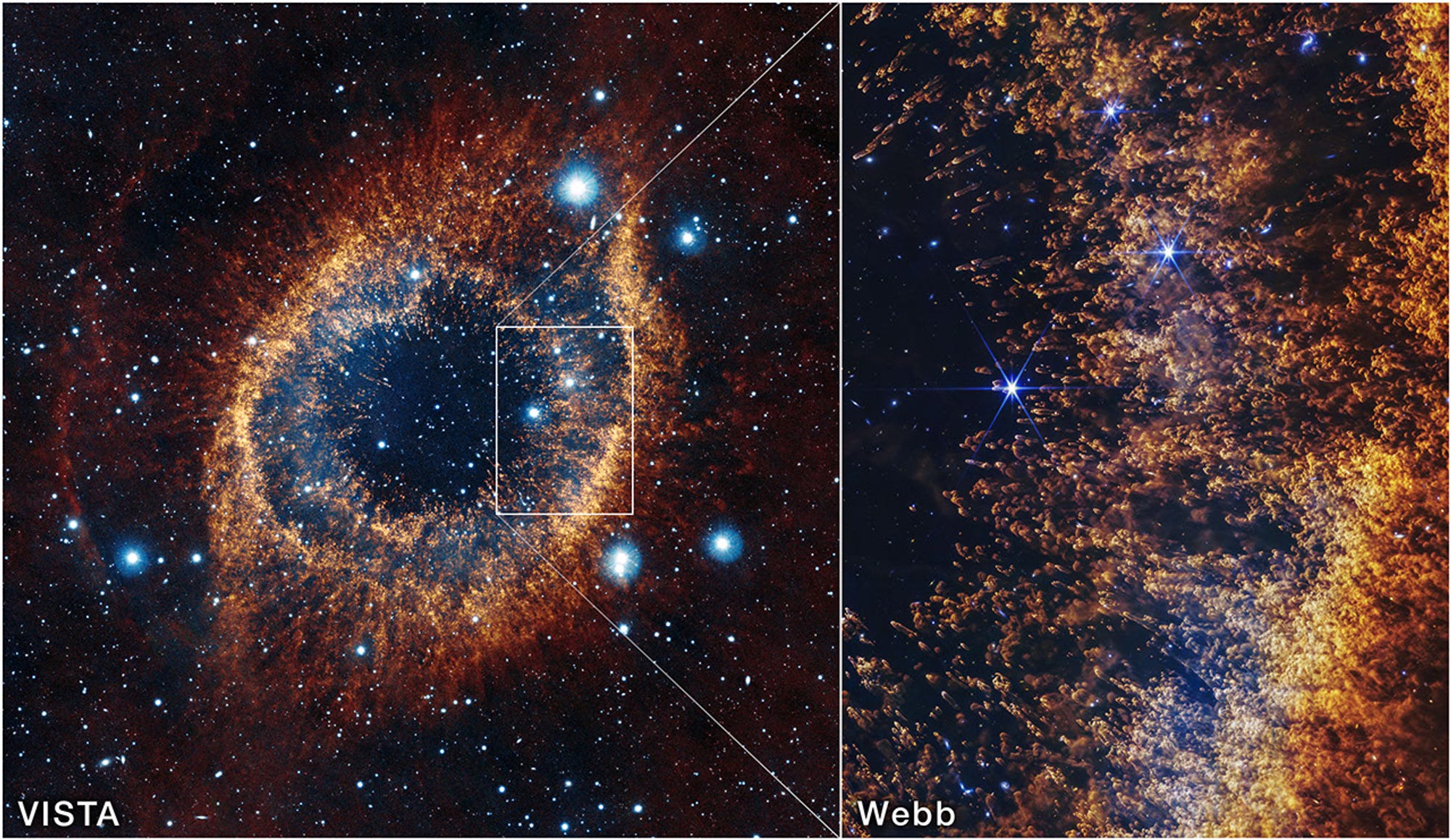
This closeup of the Helix Nebula by NASA’s James Webb Space Telescope is just stunning. “Pillars that look like comets with extended tails trace the circumference of the inner region of an expanding shell of gas. Here, blistering winds of fast-moving hot gas from the dying star are crashing into slower moving colder shells of dust and gas that were shed earlier in its life, sculpting the nebula’s remarkable structure.” (NASA)

This is a small galaxy called MoM-z14, and it’s the new record holder for the farthest (and therefore oldest) galaxy we’ve ever seen. That little yellow smudge is light coming from stars that were shining just 280 million years after the Big Bang. That, ladies and gentlemen, is what we call deep time. (NASA Webb Telescope)
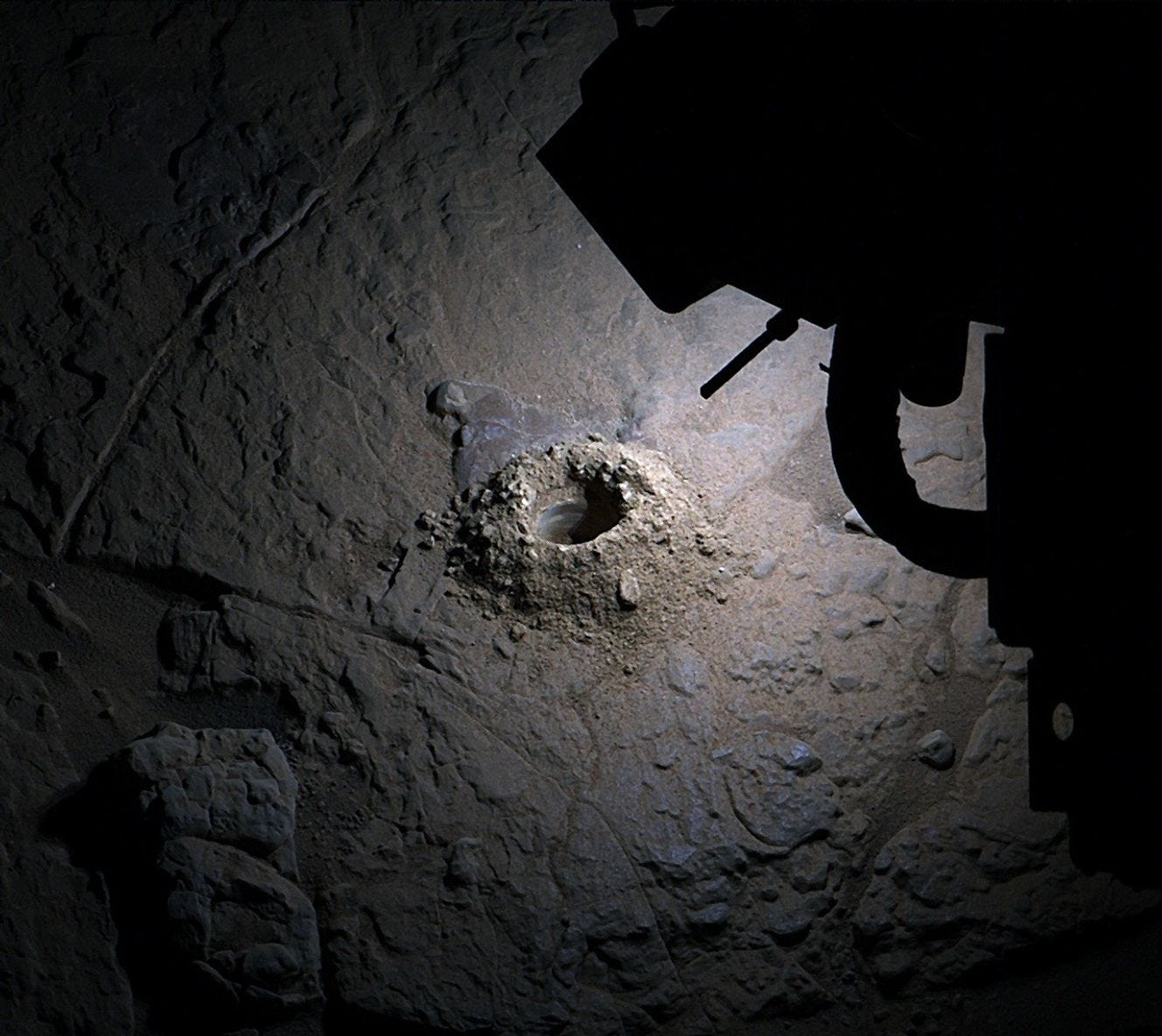
Curiosity doing a little nighttime drilling and sample collecting. (NASA)
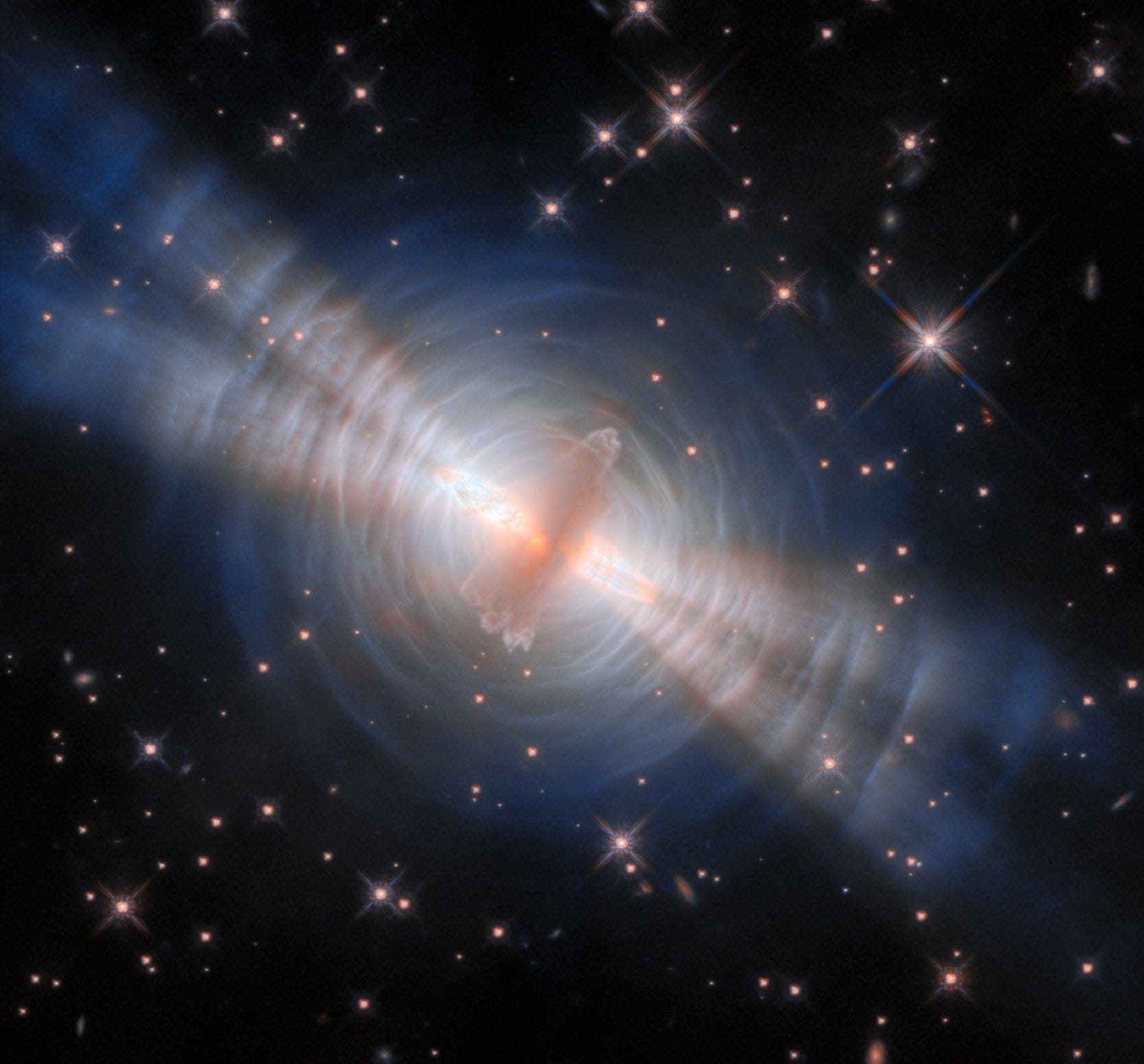
With all that the JWST has shown us, it sometimes overshadows other telescopes. But Hubble will not be second place with this incredible image of the Egg Nebula, which is a pre-planetary nebula about 1,000 light years away. Sidebar: “A pre-planetary nebula is a precursor stage of a planetary nebula, which is a structure of gas and dust formed from the ejected layers of a dying, Sun-like star. The term is a misnomer, as planetary nebulae are not related to planets.” (Hubble)
Recommendations & Reviews
This is the Isla Project. It’s a neat channel on YouTube I came across, that imagines an entire alien ecosystem in detail. There’s several videos so far, but this was one of the most interesting in my opinion.
That’s all for now. The Frontiers—AI, Robotics, and Nuclear—will be out over the next few weeks, and Techno-Optimist #37 hopefully around the end of March.
Thank you all for reading—and until next time, keep your eyes on the horizon.
-Owen
I wrote a short SF story to contain my ideas for a Mars orbit O'Neill cylinder. The main differences were that because there is less sunlight, the colony uses larger, curved mirrors to collect more light, and the resulting focusing effect means that the windows can actually be smaller, and the land area larger. They were to be used for agriculture to support a Mars colony, and contain a gas processing plant to remove excess oxygen for the colony to use, and periodically ramscoop CO2 from the atmosphere for the plants with a shuttle.
Bacteriophages are awesome. I actually used to work at a startup in this space called Locus Biosciences. They are a fantastic company and don't get nearly enough good press!