


Welcome everyone to the thirty-seventh (point 2) edition of Techno-Optimist, where I’m going to cover all the cool space stories I didn’t have room for last time.
Next Saturday I’ll get to all the other long form news items, and believe me there are some pretty incredible ones, so do check your inbox for that one.
Without further ado, let’s dive in.
“Engineering is a much easier problem to solve than bureaucracy.”
– Paraphrased from various sources
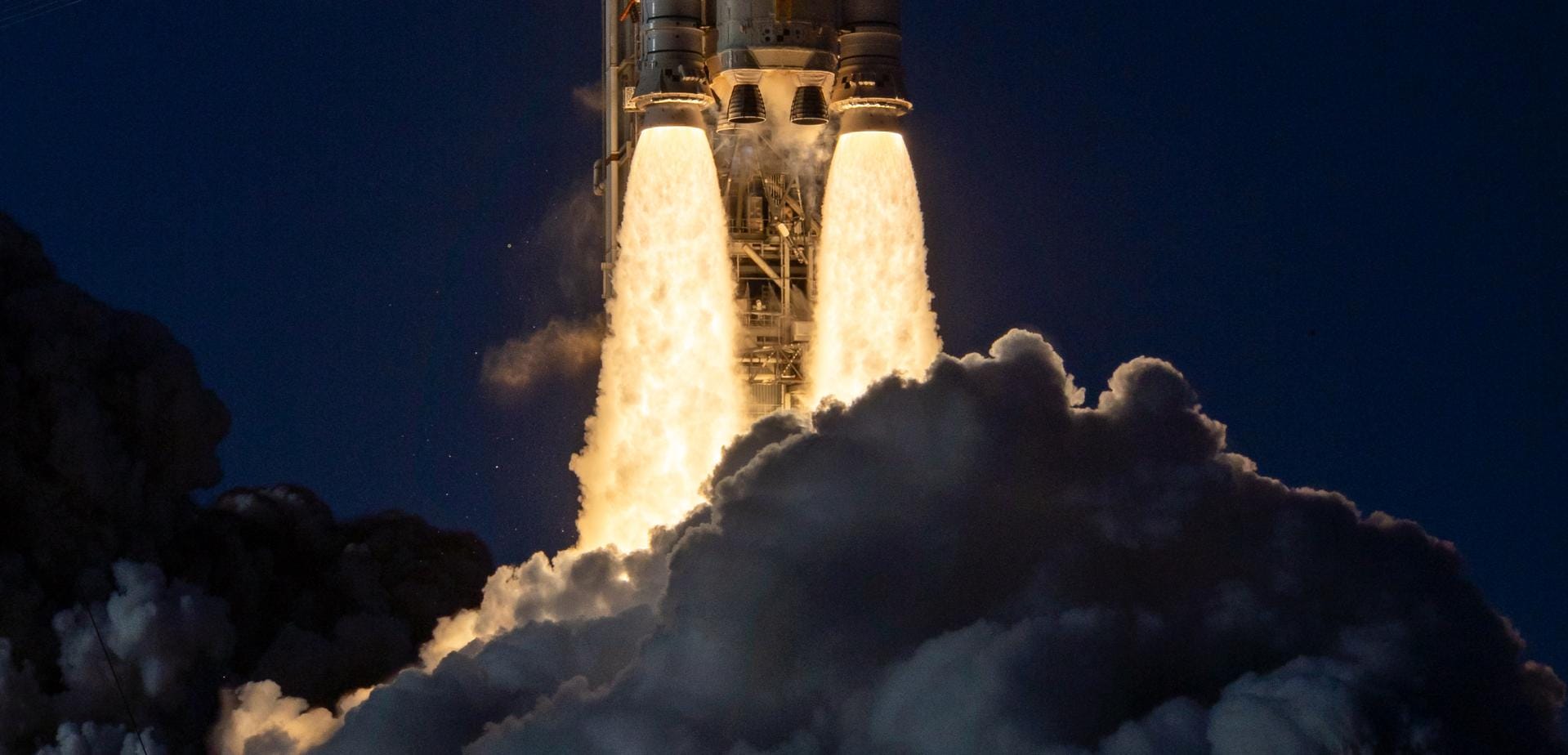
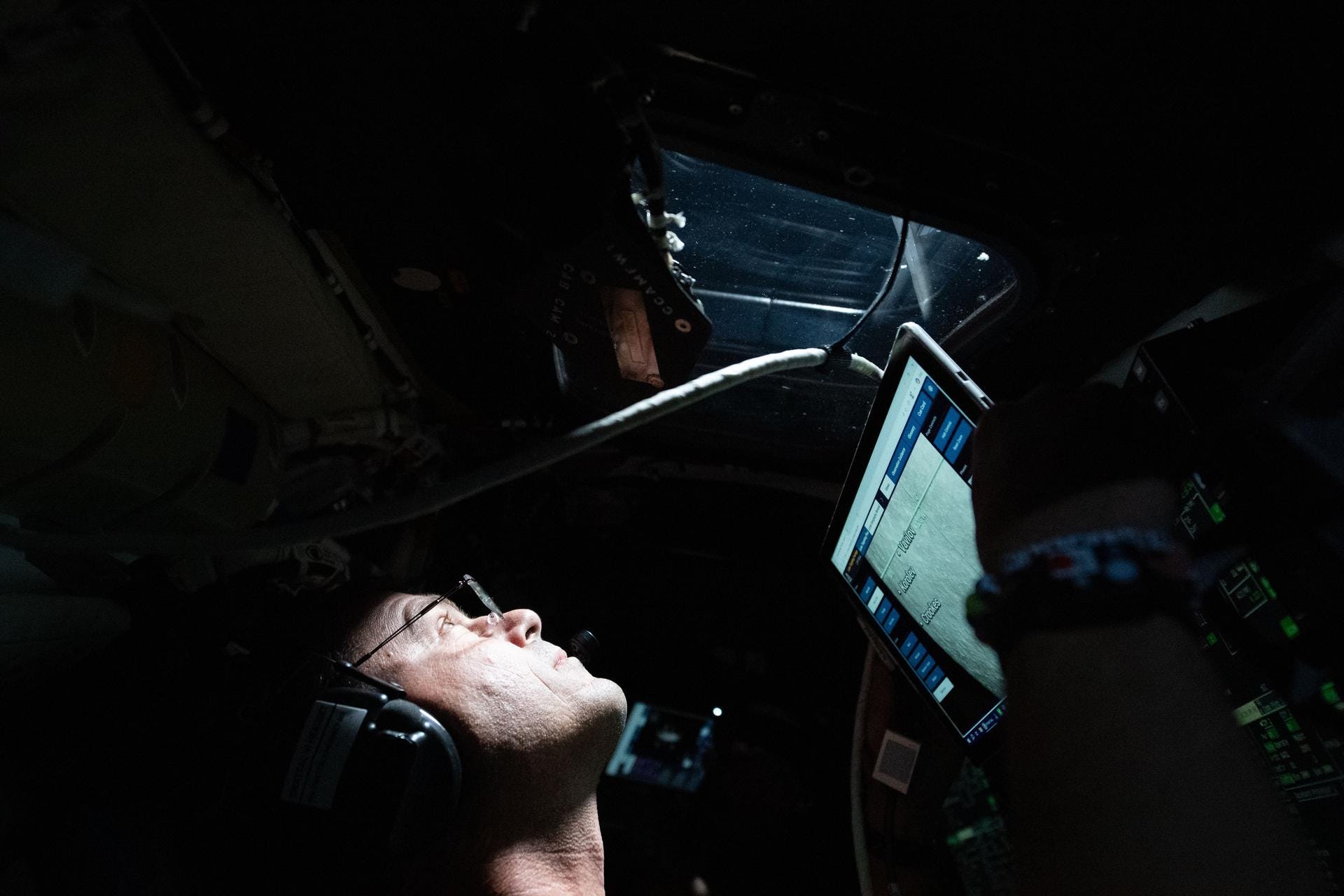
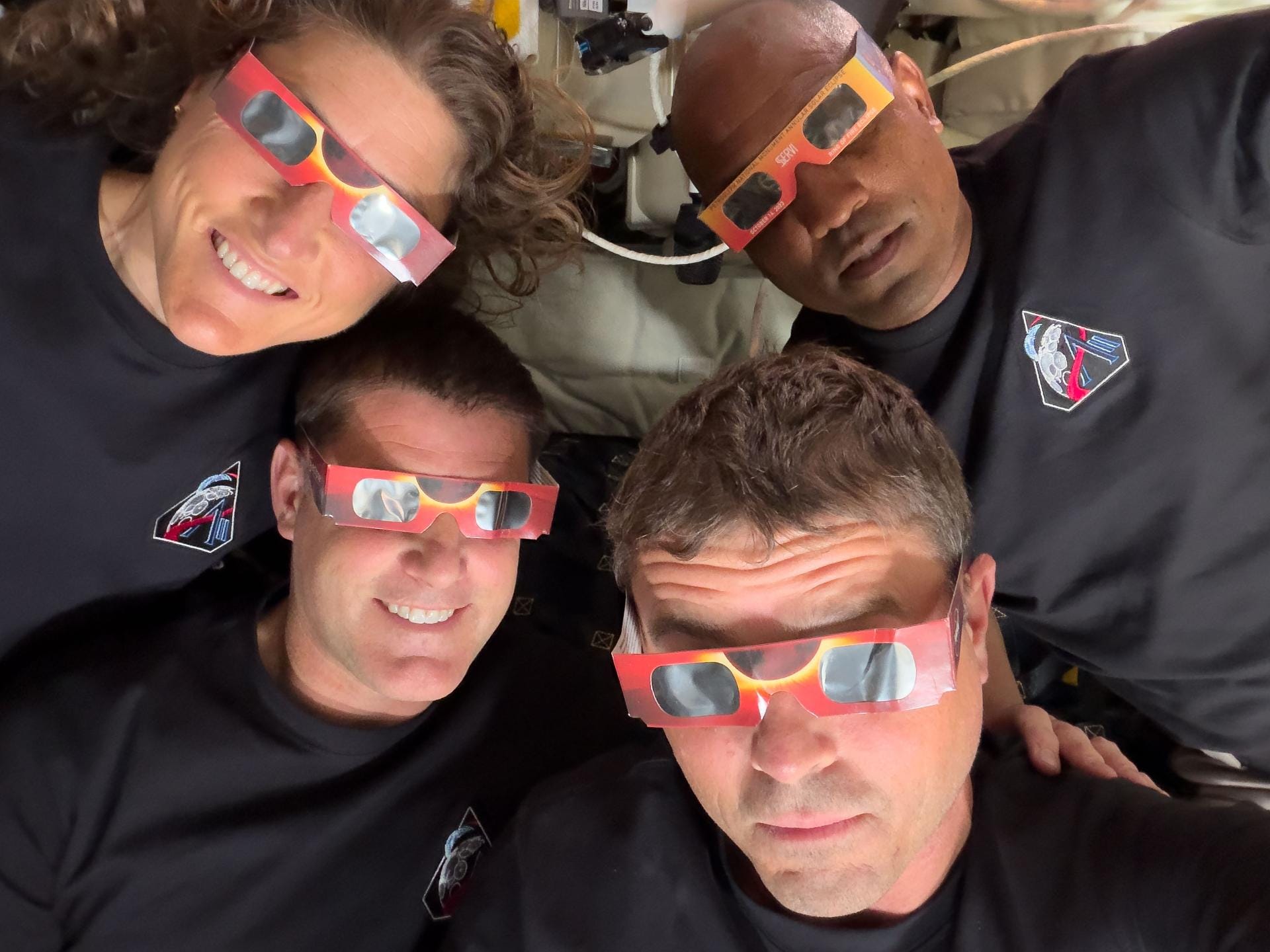
Artemis II. Well, we’ve been back to the Moon. NASA’s Artemis II mission launched on April 1 and returned safely on April 10, carrying Reid Wiseman, Victor Glover, Christina Koch, and Canada’s Jeremy Hansen around our nearest celestial neighbour. It was the first time humans had travelled to the Moon in more than half a century. That is a slightly ridiculous sentence to be writing in 2026, given that we first managed it in 1968, but here we are. Four people have now made the journey aboard a new spacecraft, and the next generation of lunar exploration has a manned flight behind it.
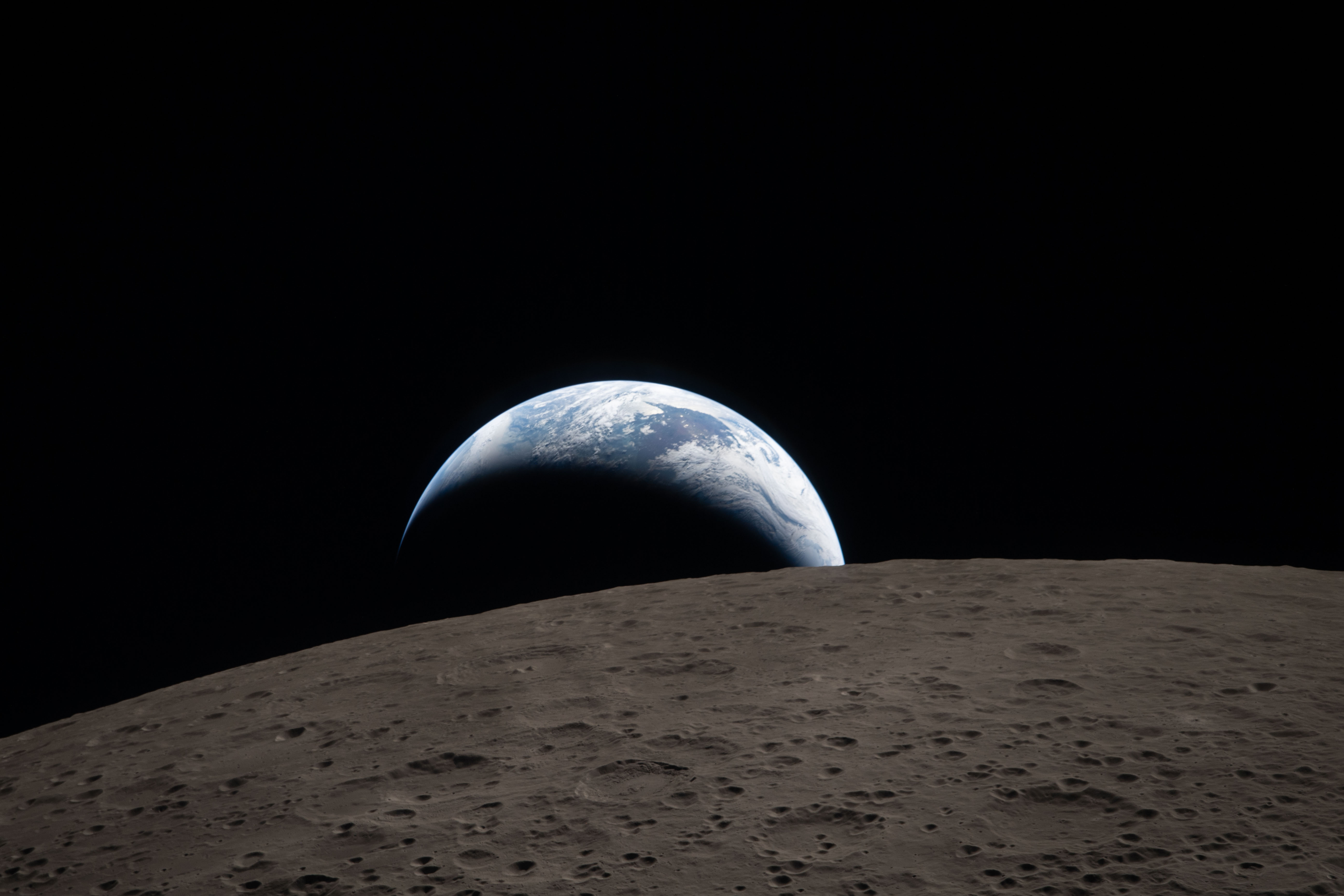
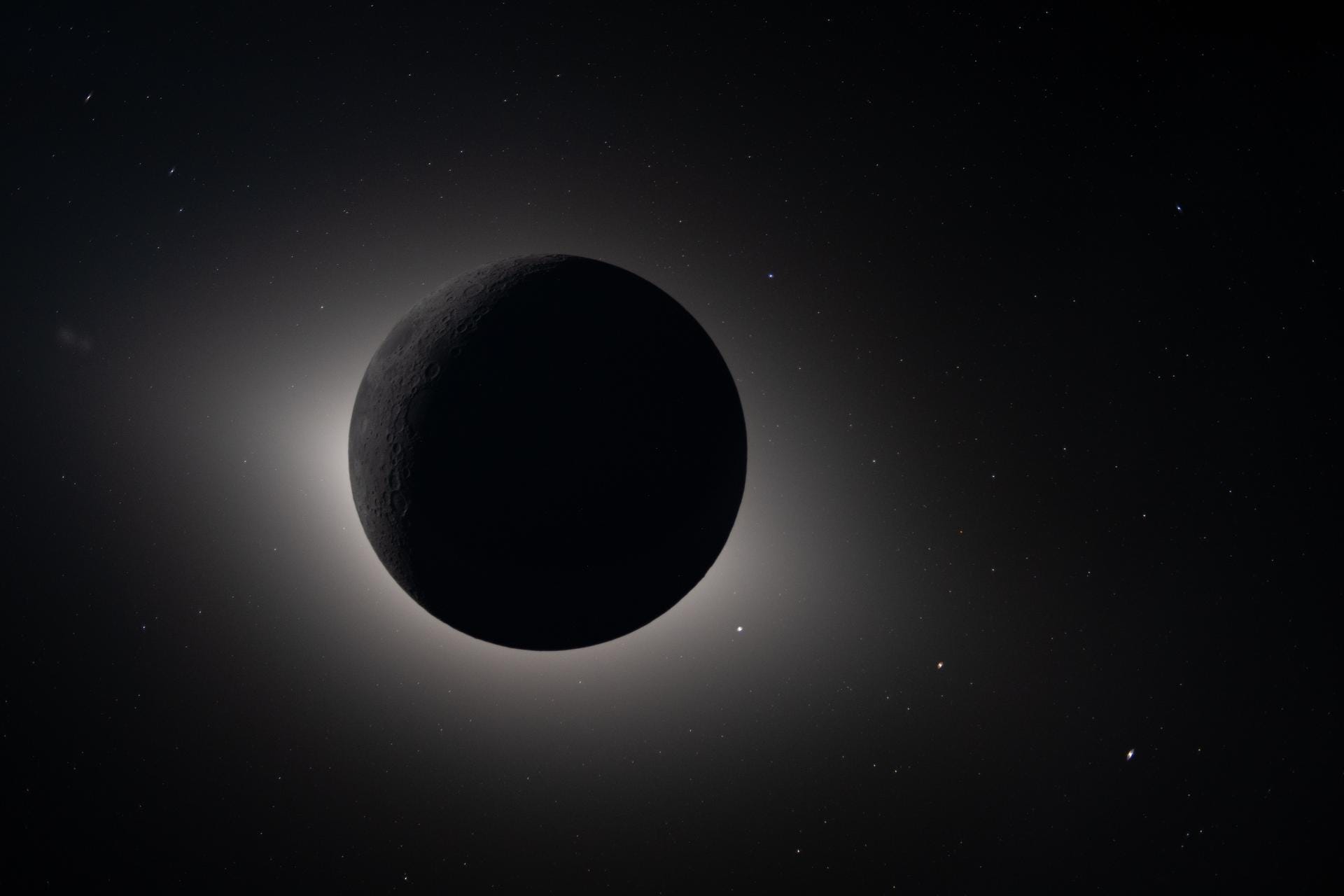
The photos from the flyby are just spectacular. Seriously, go through that gallery. There’s Earth slipping behind the lunar horizon, the Sun disappearing behind the Moon, and great stretches of cratered terrain with sunlight picking out features along the boundary between day and night. The little crescent of Earth hanging above all that grey rock is especially striking. We’ve seen versions of these views from Apollo, of course, and robotic spacecraft have been photographing the Moon for decades, but there’s something about knowing people are looking out the window and seeing it for themselves. Off in that bright blue and white crescent is everyone else. All our cities, forests, oceans, arguments, and worries, shrunk to a beautiful vision hanging on nothing.
This was a flyby, so there were no new footprints on the surface. But sending a crew around the Moon and bringing them home is a necessary step towards making those next footprints, and it gives the programme something much more useful than another proposed mission. The spacecraft has carried people into deep space. The crew has lived and worked aboard it. The journey has happened. I’d like a future in which a flight to the Moon is considered commonplace, and this is part of getting there.
What I’m most interested in now is whether we can keep going. Apollo showed that we could reach the Moon; the decades afterwards showed that reaching it once doesn’t ensure we’ll keep visiting. I hope this time the photos become the beginning of a much larger collection: people prospecting, building, doing science, vising and perhaps even living there [Sidebar: due to the low lunar gravity, it’s probably not healthy to raise a family there. Better go to Mars for that]. One day there may even be lights from lunar settlements to look for through a telescope.
Have a look at the launch and some of the views from the journey.
Artemis II launch coverage, replay.
Liftoff and launch photographs.
Photographs from the lunar flyby.
Highlights from each day of the flight.
The crew’s return to Earth, full NASA broadcast.
Splashdown and recovery photographs.
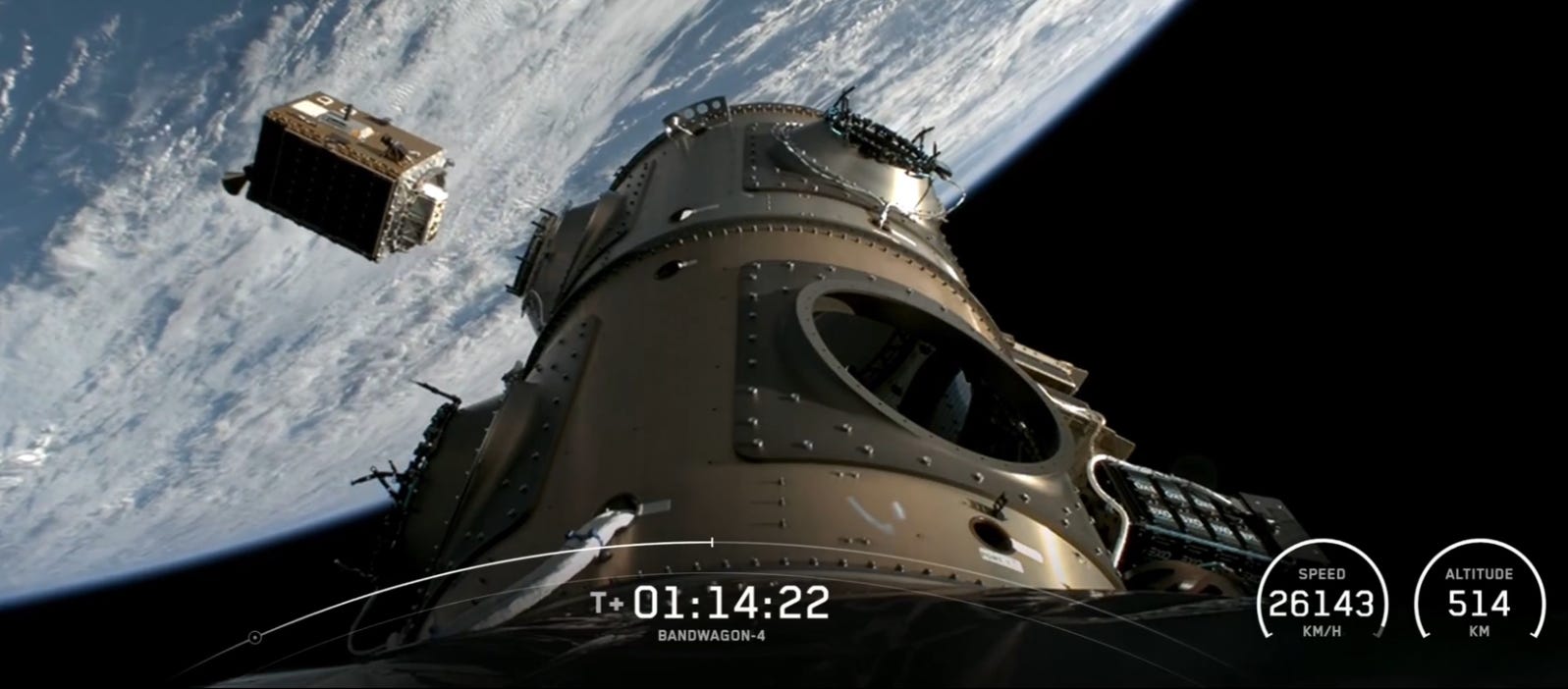
Space based compute. The idea of putting data centres in orbit is gathering a rather impressive collection of companies, money, and actual hardware. I covered the larger vision in the last newsletter, including SpaceX’s plans and the possibility of eventually building a vast amount of computing infrastructure around the Sun. Since then, several of the intermediate steps have become clearer. We now have companies working on the chips, the spacecraft, the rockets, and the factories needed to produce them, with very different approaches to how the pieces should fit together. It’s still early, but there’s quite a bit more to this than a rendering of a server rack floating in orbit above Earth.
NVIDIA has announced its Space-1 Vera Rubin Module, bringing its next generation of AI hardware into the orbital computing effort. The company says the Rubin GPU can provide up to 25 times the AI computing performance of an H100 for space-based inference (running an already trained model). That is NVIDIA’s comparison for that particular use, rather than a blanket promise that every calculation becomes 25 times faster. Space-1 was announced for future availability, while other NVIDIA platforms are already available for spacecraft and ground operations. Its partners include Starcloud, Axiom Space, Kepler Communications, Planet, Sophia Space, and the company then known as Aetherflux. Processing observations aboard a satellite could let it recognise an event and send down the result, instead of transmitting all the raw data for someone on Earth to sort through later.
Starcloud has already taken an encouraging first step. Its Starcloud-1 satellite launched with an H100 in November 2025, and the company subsequently demonstrated running and training language models in space, including a small model using Andrej Karpathy’s nanoGPT. There’s a very large difference between doing that and running an enormous training cluster in orbit, and the engineering lessons from the smaller machine can inform the larger ones. We’re past the point of asking whether a modern AI chip can run up there. Now comes the business of making the whole system bigger, longer lived, and economically worthwhile.
Aetherflux, meanwhile, has become Cowboy Space, raising $275 million in a funding round led by Index Ventures. Founder Baiju Bhatt, who also co-founded Robinhood, is taking an interesting approach: the company wants to design its own rocket and orbital data centre together, with the upper stage becoming a one-megawatt computing platform once it reaches orbit. Ordinarily the rocket delivers the payload and has largely finished its job. Here, part of the rocket becomes the facility. If that works, it could save mass and hardware that would otherwise be duplicated, though developing a launch vehicle is quite an additional item to put on a startup’s to-do list. Cowboy also plans to use NVIDIA’s Space-1 modules. Evidently “we’re building a data centre” now requires a follow-up question about which planet it will be near.
The attraction is fairly straightforward. In a suitable orbit, solar panels can collect sunlight almost continuously, without clouds or an atmosphere getting in the way. That could reduce the need for storage and avoid the wait for a large new connection to a terrestrial electricity grid. Starcloud’s white paper makes the case for combining that power supply with radiative cooling and falling launch costs. There are substantial engineering questions, though. A vacuum doesn’t carry heat away as moving air does, so all the heat produced by the computers still has to reach radiators and be emitted into space. Those radiators, along with the solar arrays, communications equipment, and protection for the electronics, have to be built and launched. My expectation is that orbital computing will first make sense for particular jobs and designs, then expand as the costs come down. The from energy from the Sun is a nice bonus.

Which brings us to Terafab. The Tesla and SpaceX effort aims to bring logic chips, memory, and advanced packaging under one roof, with chips intended for both terrestrial machines and orbital computing. The headline ambition is manufacturing output equivalent to a terawatt of new computing power each year. That refers to the electrical power the resulting hardware would use, rather than a terawatt of electricity being generated by the factory. It’s an extraordinary target.
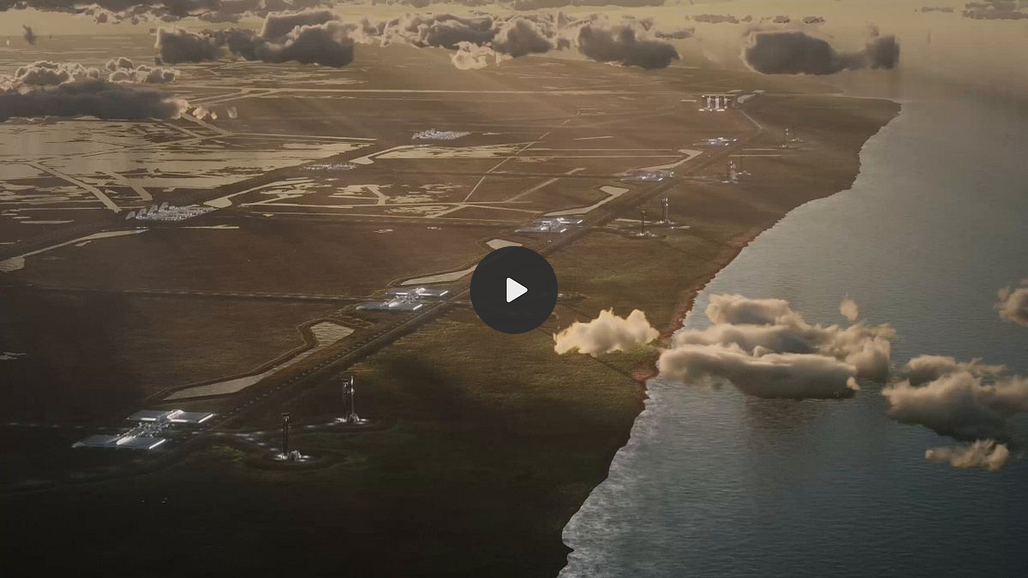
The proposed Starbase Louisiana gives some idea of the infrastructure SpaceX thinks it will need. Announced in August, the planned $100 billion development in Vermilion Parish would eventually include five launch complexes with two pads each, along with propellant production, power generation, vehicle processing, and housing. Construction is expected to begin in 2027, with the first launch targeted for 2029. Those are planned dates and spending, but it looks like some preliminary work has already begun. A spaceport capable of supporting thousands of launches a year starts to look like the kind of place that science fiction has spent decades promising us.
SpaceX has also given its proposed orbital computing constellation a name: Starmind. The ambition remains as large as the name suggests, with plans for a million satellites (for now). That remains a proposed scale for the system. Starlink, Starship, Starfall, Starmind…at this rate the company is going to need to come up with a new prefix, but I do love it.
There is also considerably more money available to attempt all this following SpaceX’s June stock-market debut. Its initial $75 billion offering was the largest IPO in history. That gives the company an enormous pool of capital, though the projects it has announced are correspondingly enormous, and money alone doesn’t solve semiconductor manufacturing or rocket reuse. What interests me here is the possibility of a business on this scale paying for transport and manufacturing capabilities that can then support much wider activity in space, including Mars! Communications helped create the market for the launch fleets we have now. Computing, and communications via Starlink, could help pay for the next expansion.
And alongside all this work on getting things into orbit, SpaceX is developing another way to bring them home. Its Starfall demonstration launched in June, testing a capsule intended to support commercial research and the return of cargo from space. An orbital factory needs a way to deliver its products to customers, so return vehicles are part of making space manufacturing into a business. Computing can send its product home by radio or laser; a newly manufactured material needs somewhat more substantial packaging. I’m glad to see work proceeding on both.
Further down the road, Terafab’s vision includes lunar mass drivers: electrically powered systems that would accelerate material off the Moon. There’s no atmosphere to push through, and much less gravity to overcome than on Earth, making the Moon an appealing place to consider this sort of machinery. Of course, first you need something there worth launching, which means mining, processing, manufacturing, and a substantial power supply. I find that possibility especially interesting because it would give lunar industry customers beyond the Moon itself. If we eventually make much of our large space infrastructure from material that is already off Earth, we can expand without hauling every last kilogram out of Earth’s gravity. We’re a ways from that still, but it’s a good direction to be working in. I would be very happy to see the demand for more computing help pay for our first substantial foothold further out in the Solar System too. Mars is still out there, calling.
Moon base. NASA is now giving that foothold a more concrete shape with its Moon Base program, announced in March. The aim is to build up operations near the lunar south pole through a succession of robotic and crewed missions, with each adding something useful for the next. There will have to be power, communications, transport, landing sites, places to live, and ways of keeping all of it working in an exceptionally unforgiving environment. I’m glad to see so much attention going towards those things. The equipment that keeps a base running is what lets the scientists spend their time doing science, and eventually lets other people go there to do things we haven’t thought of yet.
The planned sequence begins with scouting and technology demonstrations through 2029, followed by early infrastructure between 2029 and 2032, and a permanent outpost taking shape from 2032 onwards. These are programme goals, of course, with a great deal of hardware still to be tested. As part of the change, NASA is pausing Gateway in its current form and shifting the emphasis towards surface operations. The revised Artemis sequence has a systems test in Earth orbit planned for Artemis III in 2027, ahead of the Artemis IV lunar landing. A landing remains a major undertaking, but NASA is also laying out what should accumulate around it, so that each expedition doesn’t have to start from scratch.
There are already contracts for the first lunar vehicles. Astrolab and Lunar Outpost are developing rovers, with Blue Origin selected to deliver them. The vehicles are intended to support astronaut transport as well as operations without a crew aboard, so they can keep working between human visits. NASA has also outlined early missions using Blue Origin’s Blue Moon Mark 1 lander, Astrobotic’s Griffin, and Intuitive Machines’ Nova-C. Their jobs include testing landing technologies, surface mobility, and scientific instruments. It’s encouraging to see several companies contributing different parts of the effort. A lunar base will need a supply chain, and preferably one with more than a single vehicle available whenever something needs delivering.
One particularly interesting mission is MoonFall, which would send four propulsive drones to scout potential landing areas in 2028. Firefly’s Elytra spacecraft will take them to the Moon, where they will land separately and make short flights across the terrain. These are rocket-powered hoppers, since a helicopter would have very little luck finding air to push against on the Moon. Cameras will map the surface in detail, while other instruments study subsurface water and radiation. A rover is useful, but being able to hop over an obstacle and look into difficult terrain should be useful too. The early stages of building a Moon base may involve quite a bit of watching little robots explore ahead of us, which I think would make excellent viewing.
There’s also the prospect of JAXA’s pressurized rover, allowing astronauts to range much farther while living and working inside a vehicle. A lunar road trip, essentially, though with rather more attention paid to the air supply and the availability of spare parts. As these capabilities arrive, the Moon could become somewhere people work for extended periods, with equipment waiting for them when they get there. I suspect that will change how we think about it. We’re used to looking up at a place where a handful of people once walked. I’d much rather look up at a place where somebody is busy doing something today.
China keeps going. China’s space program has had a busy stretch as well, with progress on the rockets and infrastructure needed for much more activity off Earth. Its Long March 12B made its first flight on June 1, successfully carrying two satellites for the Qianfan, or Thousand Sails, internet constellation. The resemblance to Falcon 9 is fairly obvious: two stages, nine first-stage engines burning kerosene and liquid oxygen, and a booster designed for reuse. There was no landing attempt on this flight. Getting the payloads to orbit came first, with booster recovery left for later. A familiar-looking rocket still has to work, and getting two working satellites there on the first attempt is encouraging.




Then came the recoveries. A Long March 10B returned to a recovery system at sea in July, followed by LandSpace’s Zhuque-3 landing on land in August. The latter was only Zhuque-3’s second flight, following a debut that reached orbit but lost the booster during the landing attempt. This time the upper stage delivered its satellite and the first stage came down on its landing legs. Recovering a booster is an important milestone on the way to reusing it economically; the next questions are how much work it needs, how soon it can fly again, and how often the whole operation can repeat. China now has more opportunities to answer those questions with hardware that has actually returned from an orbital launch.
There’s interesting work on keeping spacecraft useful once they’re up there, too. The Hukeda-2 satellite has carried out an in-orbit refuelling technology test, using a flexible robotic arm designed to align with a fuel connection. It remains unclear whether it connected to a separate satellite, so for now this is a demonstration of the equipment. The possibility is appealing. A satellite can have perfectly serviceable instruments and electronics while running short of the propellant it needs to maintain or change its orbit. Being able to replenish it could extend its working life, and would also be useful for the larger spacecraft we’ll need as activity expands beyond Earth orbit.
Meanwhile, the people aboard Tiangong have been doing a little gardening. The Shenzhou XXI crew have grown tomatoes in an aeroponic system, using a fine mist to supply water and specially designed LED lighting. The equipment arrived aboard Tianzhou-9 in July 2025, and the little crop is helping researchers work out how to grow plants efficiently in microgravity. Wheat, carrots, and medicinal plants are among the proposed next steps. There’s a practical reason for all this, since growing food will become increasingly useful as people spend longer away from Earth. But I also rather like the astronauts’ descriptions of stopping to enjoy the greenery and the smell of the tomatoes. Even a small garden can make a very artificial place feel a little more like home.
And there’s BBQ in orbit. A specially designed hot-air oven has allowed the crews to enjoy freshly cooked food aboard the station, including chicken wings and steak. A little luxury, several hundred kilometres above the nearest restaurant. I’m quite pleased to see attention going towards this sort of thing. If we want people to spend years living and working away from Earth, it seems sensible to make the experience more pleasant wherever we can. There will be plenty of difficult work to do, but dinner ought to be something to look forward to.
The ISS has its own history of growing food, and astronauts even baked cookies there in 2019. Its everyday food supply still depends heavily on prepackaged meals, though, and I’d like to see those experiments lead to more improvements in ordinary life aboard the station and its successors. China is pushing ahead with its tomatoes and orbital BBQ, trying things that make life up there more comfortable as well as advancing the science. We should be doing more of the same. Give the crews better kitchens and more room to grow things. Keep adding capabilities. We’ve had people living continuously in orbit for a quarter of a century now, and their homes ought to get better as we learn. If China’s crews can look forward to freshly cooked chicken wings, I’d like ours to have something equally appealing on the menu.
There are also plans to visit some much smaller worlds. Tsinghua University’s student-led START mission would study Apophis during its close encounter with Earth in 2029. The proposed spacecraft weighs just 20 kilograms and is being prepared for a launch in early 2028, ahead of the asteroid’s visit the following year. Its cameras would photograph the surface during the encounter. I rather like the idea of university students helping build a spacecraft to meet an asteroid. That’s quite a project to put on your CV, and a good way to produce engineers who already have experience doing something ambitious. More of this, please.
China is also planning an asteroid-deflection test, using an impactor to strike a small asteroid while a companion spacecraft observes the result. The current proposal targets 2016 WP8, roughly 30 metres across, with a launch around late 2027 and an impact in 2029. Those are still planned dates for a mission under study. This would build on the kind of planetary-defence capability NASA demonstrated with DART in 2022, giving us another test of how a spacecraft can change an asteroid’s course. I’d very much like several countries to get good at this. Learning to prevent an impact seems an excellent use of space technology, and the entire planet gets to benefit from whoever succeeds.
On the Moon, China has announced the integration of its robotic and human exploration efforts, combining missions, resources, and teams in pursuit of a manned landing by 2030. It’s sensible to build on what the robotic missions have already learned. The same general pattern is appearing on both sides of the Pacific: scout the terrain, develop better transport, work out how to operate for longer, and use each mission to make the next one easier. There will certainly be competition over who gets where first. I hope that competition produces a great deal of useful machinery, and that it is followed by more cooperation once people are working out there. A Solar System with several capable spacefaring societies seems much more promising to me than one where everybody waits for a single programme to do everything.
And a few things to watch, from the rockets to the rather smaller plants aboard the station.
Long March 12B’s first launch, video and photographs.
Zhuque-3’s launch and landing.
Tomatoes growing aboard Tiangong.
Cooking aboard the Chinese space station.
Starship, New Glenn, and Rocket Lab. Starship has flown twice since I last wrote about it, with Flights 12 and 13 taking the new V3 design through its first outings. All these plans need rockets that can fly regularly, and there’s been quite a bit to watch as SpaceX works towards that. Starship’s twelfth flight on May 22 introduced the V3 vehicle and used the second launch pad at Starbase. The ship reached space and carried out payload-deployment tests, while the booster’s return did not go to plan. The new vehicle got through several of its tests, and the booster failure gave the engineers more work to do.
Then came Flight 13 on July 24. This time the ship deployed 20 working Starlink V3 satellites, which communicated with the existing constellation during their brief time in space. This was still a suborbital test, so the satellites were intended to reenter after deployment. Several carried cameras to look back at Starship, giving the engineers a view of the heat shield and the rest of us some rather wonderful footage. The ship also relit a Raptor engine in space and came down softly in the Indian Ocean. Super Heavy had another difficult landing burn and hit the Gulf harder than intended, so there is still work to do on the booster. But the ship itself survived splashdown and remained floating, which gave SpaceX an unexpected opportunity.


After a lengthy recovery effort, the company towed the ship to Christmas Island and loaded it aboard a transport vessel in August. The photographs are quite something: engineers sitting on a spacecraft floating beside a tropical island, examining a heat shield that has just been to space and back. They collected samples and inspected the vehicle before it was loaded for the journey home to Texas. Having the actual hardware to study should be enormously useful. Telemetry and video can tell you a great deal, but being able to look closely at the tiles, attachments, and structure adds another way of finding out what worked and what needs improving. It also makes for a rather memorable day at the office.
The thing I’m watching for is the point where these vehicles can complete the journey, come back, and do it again with relatively little fuss. The goal is to make this as “boring” as airplanes. Starship has to become that sort of machine for the grander plans to make sense.
Have a look at both flights. First, Flight 12, with the full coverage and a few of the interesting bits separately.
Full coverage of Starship’s twelfth flight test.
Flight 12: views from Starship in space.
Flight 12: deploying the test payloads.
Flight 12: the banking manoeuvre on the way down.
Flight 12 launch and flight photographs.
And Flight 13, including those views from a Starlink satellite and the ship’s eventual recovery.
Full coverage of Starship’s thirteenth flight test.
Flight 13: Starship seen from a Starlink satellite.
Flight 13: ocean landing, including the view from the ship.
Flight 13 launch and splashdown photographs.
Recovering Starship from the Indian Ocean, photographs.

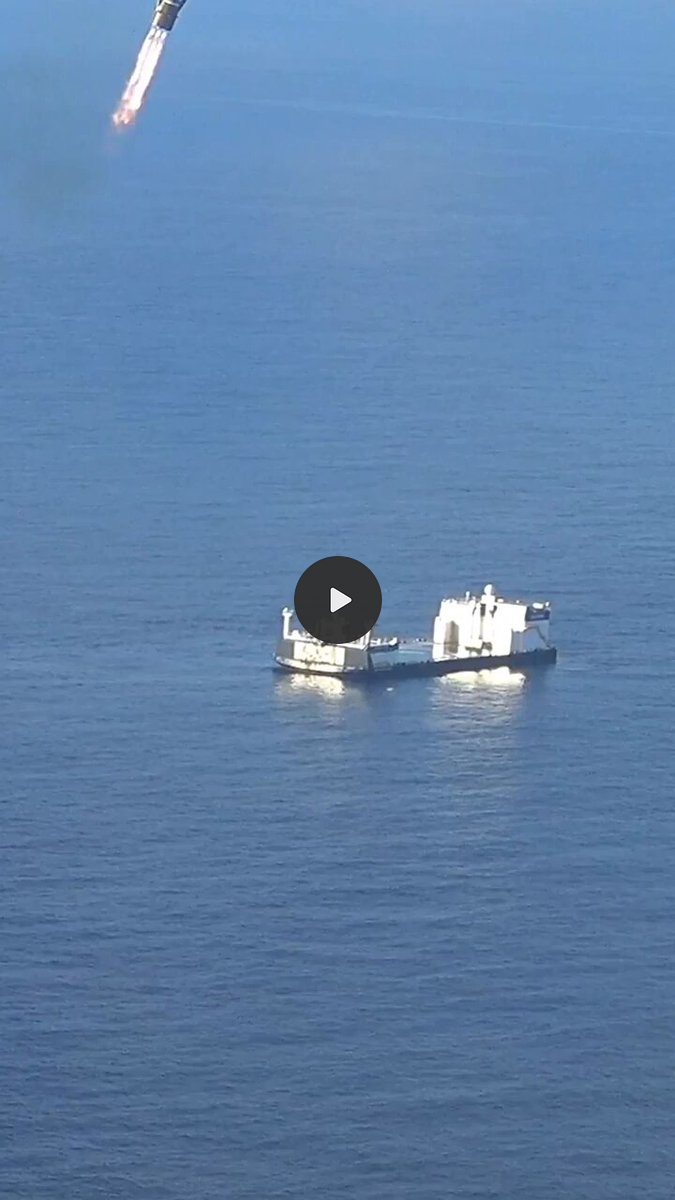
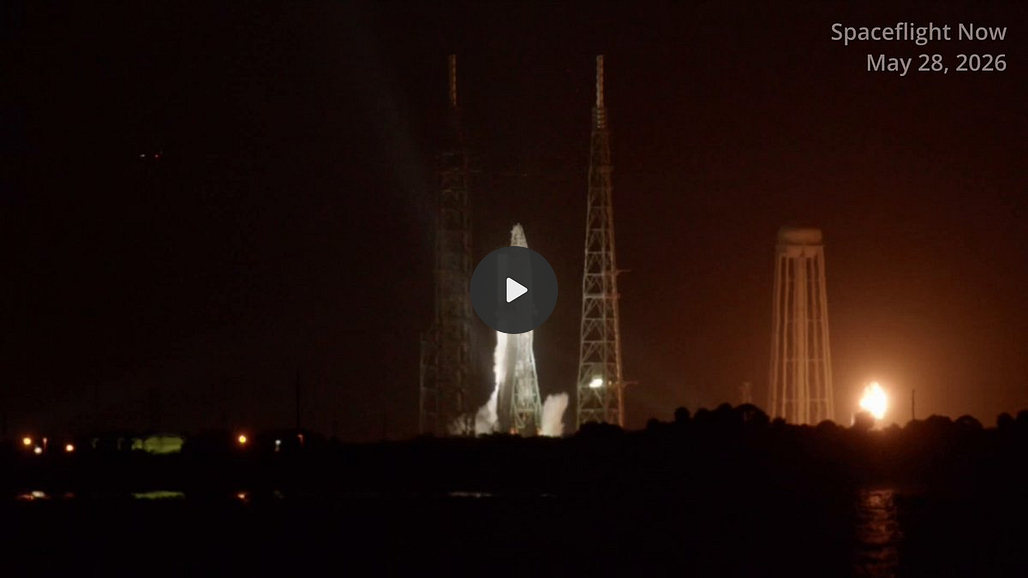
New Glenn had a significant milestone of its own in April: Blue Origin flew a previously recovered booster again, and brought it back once more. Extremely impressive. Unfortunately, in May a hotfire test caused major damage at Launch Complex 36. Blue Origin has been repairing the pad while continuing vehicle production, and its August update traced the hotfire failure to a main oxygen valve on one of the BE-4 engines, with modifications being prepared. The company is aiming to return to flight before the end of the year. Take a look at the video below, that is one big explosion.

That has been a difficult sequence for Blue Origin, but I still very much want New Glenn to succeed. More than one company needs to be able to launch large payloads, recover the expensive parts of the rocket, and keep doing so. The companies planning lunar equipment, satellites, space stations, and orbital computing facilities will all benefit from having more capable transport available. There is plenty of room for several successful launch providers.
Here’s the New Glenn flight, and the footage of the later test explosion.
Full coverage of New Glenn’s third flight.
Launch photographs and the returning booster.
The New Glenn hotfire-test explosion.
At the smaller end of the rocket business, Rocket Lab’s VICTUS HAZE mission demonstrated a different kind of progress. Its Electron rocket launched from New Zealand just 16 hours and 42 minutes after receiving the order to proceed. Rocket Lab also built the spacecraft and handled its operations, with the satellite completing commissioning in under 38 hours. This was a military demonstration of being able to respond quickly, but the underlying capability is interesting more broadly. A satellite launch is usually something we watch being scheduled well in advance. Having a prepared system that can go from an instruction to a working spacecraft in orbit on this sort of timescale could become useful for many other purposes. Rocket Lab just keeps moving ahead. In a world without SpaceX, I suspect quite a few of its achievements would be getting the biggest headlines in the space business. Building the spacecraft, launching it on less than a day’s notice, and getting it working in orbit deserves a good deal of attention, even when somebody else is flying a much larger rocket. We’re fortunate to have both.
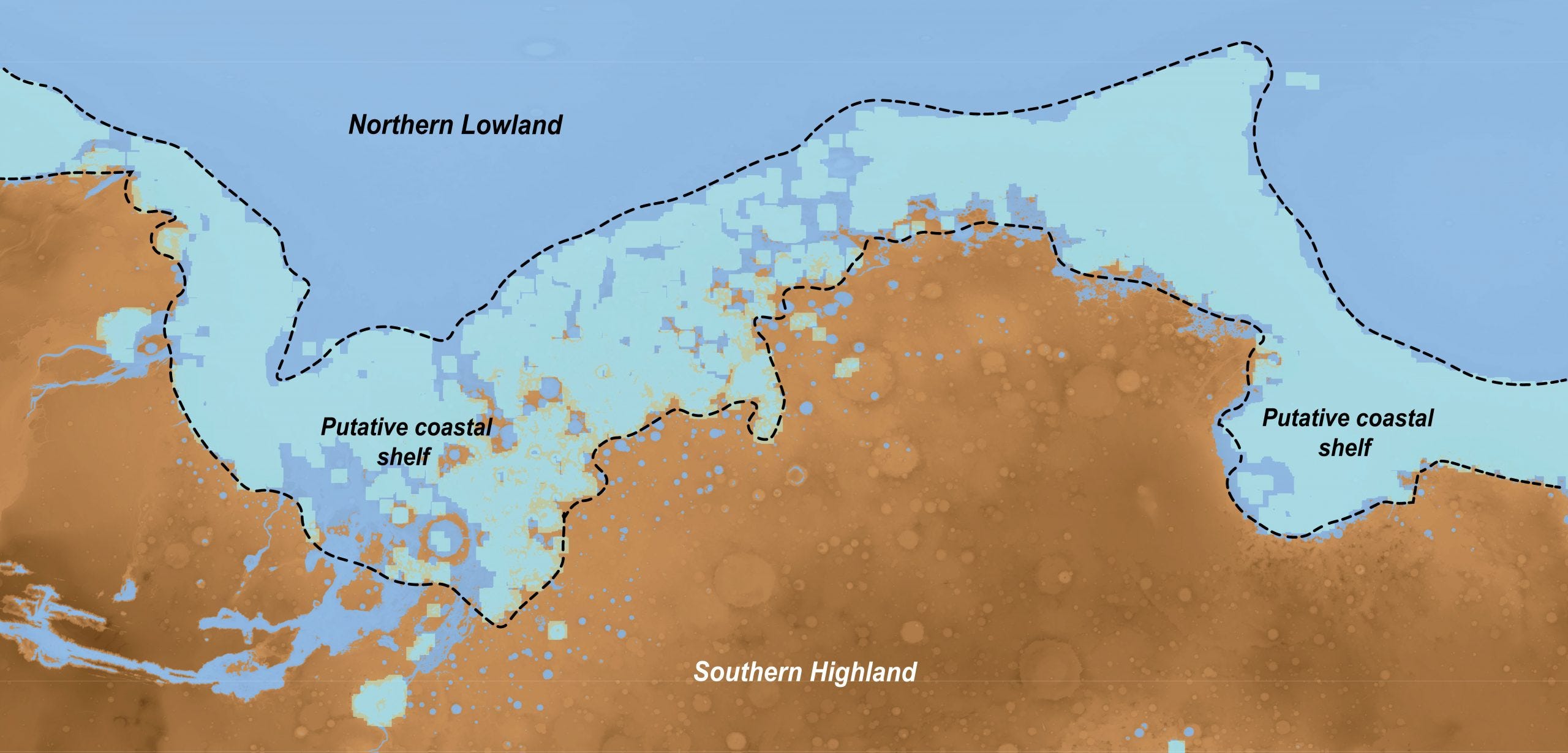
Mars, past and future. There’s more evidence that ancient Mars had an ocean, and this time it comes from a feature that would be quite familiar to a geologist here on Earth. Researchers at the University of Texas at Austin and Caltech have identified a broad, shelf-like region around the northern lowlands, which they interpret as the remnant of a coastal shelf. Proposed Martian shorelines have been difficult to agree on, partly because their elevations vary and billions of years of change can erase or distort them. The researchers instead looked at what would remain recognisable if Earth’s oceans disappeared, then searched for comparable large-scale topography on Mars. Their results support an ocean covering roughly a third of the planet, with a shoreline that may have persisted for millions of years. It’s strong evidence for that interpretation, though further work will be needed to establish exactly how and when the landscape formed.
The timescale is especially interesting. A brief flood can carve an impressive feature, but a long lived ocean gives water, rock, and chemistry much more time to interact. It also gives any life that might have existed more opportunity to spread and leave traces behind. As I wrote in #19, my own suspicion is that we will eventually find evidence of past life on Mars, and possibly microbes still living underground. That remains a personal expectation, rather than something this study establishes. An ancient ocean would give us more places to look and more reasons to look carefully. I would particularly like to know what is preserved in its sediments. There could be an enormous amount of Martian history sitting there, waiting for somebody to read it.
NASA also has a rather interesting way of sending the next generation of explorers. Its Space Reactor-1 Freedom mission is intended to demonstrate nuclear electric propulsion on a journey to Mars before the end of 2028, then deploy the Skyfall helicopter payload. Nuclear electric propulsion uses a reactor to generate electricity for electric thrusters, providing efficient propulsion over long periods. This would be a demonstration of a capability that could become useful for much larger missions, including journeys farther from the Sun. And more helicopters on Mars would be excellent. Being able to fly over terrain rather than negotiate every obstacle on wheels gives us another way to explore a much larger area.
There’s a proposed human journey as well. SpaceX has announced plans for a private Mars flyby with Chun Wang, who previously flew on the Fram2 mission over Earth’s poles. There is no announced departure date, and Starship has more work to do before it can carry people on an interplanetary voyage. Even a flyby would require the crew to spend a long time away from Earth, with life support and other systems working throughout the trip. It’s a substantial undertaking before we even get to the question of landing. But I like seeing people make plans to go. Every future expedition will need somebody willing to begin turning a dream into an actual mission.
That’s it for now, but stay tuned because there’s more coming next Saturday.
Thank you all for reading—and until next time, keep your eyes on the horizon.
-Owen