

Techno-Optimist #33
New Glenn sticks the landing, expansion of the universe may be slowing, autonomous fighter jets take to the skies, genome sequencing in just hours, building a massive statue...and a whole lot more.


Welcome to the thirty-third edition of Techno-Optimist, your go-to destination for all the latest updates and commentary on space, science, technology, medicine, and much more.
Given that I’ve published this today instead of yesterday, I think my plan to always publish Saturday should be taken as aspirational. It’s always the goal, but life sometimes has other plans. To make it up to you though, I’m going to send you two special mini-newsletters this week. The first on Tuesday will details some anti-aging progress being made. The second will have some interesting paleontological discoveries. I’ll send it out Wednesday afternoon, right in time for Thanksgiving. How are dinosaurs related to Thanksgiving you might ask? Well, I’m sure some of them probably tasted like chicken, which isn’t quite the same as turkey, but close enough.
As promised, here’s a poll on my changes to the newsletter where I’ve broken out a few key long item topics into their own smaller newsletters. Happy to discuss in the comments too.
Alright, we’ve got a lot to cover, so let’s dive in.
“Progress, as we have seen, necessarily entails some level of risk in the short term to reduce overall risk in the long term.” —J.K. Lundblad


New Glenn 2nd launch. After years of painfully slow progress, Blue Origin is finally hitting the gas! Feast your eyes on the beautiful images of their second New Glenn launch. The huge rocket really is impressive, not Starship size, but an absolute monster compared to anything other than that and NASA’s SLS rocket.
The mission was a smashing success, deploying NASA’s twin ESCAPADE spacecraft—built by Rocket Lab— toward Mars and landing its massive reusable first stage booster on the ocean platform Jacklyn. The 17-story booster, powered by seven BE-4 engines, stuck the landing, and was then floated back to port. This successful reusable landing puts Blue Origin in rarified company alongside SpaceX, dramatically reducing launch costs and positioning New Glenn to compete for NASA’s lunar missions and commercial satellite deployments.
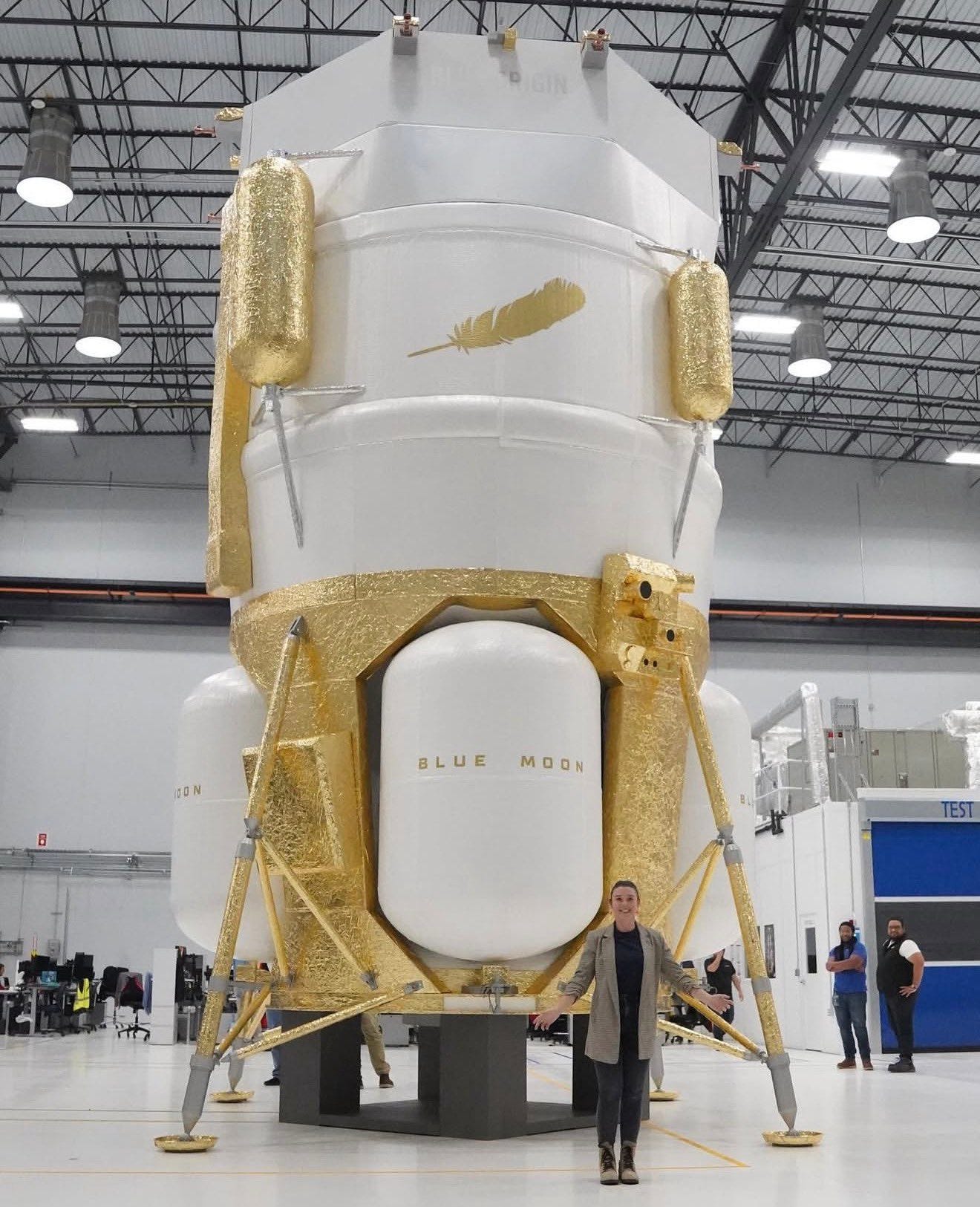
Blue Origin isn’t slowing down either, aiming for more than a dozen New Glenn flights in 2026. The next mission will actually be headed to the Moon, with the company planning to send its “Blue Moon Mark 1 lunar lander, a vehicle that is taller than the Apollo Lunar Module that carried humans to the Moon five decades ago.”
NASA’s ESCAPADE mission that launched aboard New Glenn will study how solar wind strips away Mars atmosphere, helping explain how the red planet transformed from a much wetter world into todays frozen desert.
Watch the entire mission here
Never Tell Me The Odds booster sitting on landing platform vessel Jacklyn
Booster sitting on landing platform vessel – humans for scale


SpaceX Moon plans. SpaceX has released renders on the lunar lander version of Starship that will take astronauts down to the Moon, and I must say they’re all pretty spectacular. This may be the fist spaceship in history that actually needs guardrails!
In terms of timeline updates for lunar missions, “SpaceX is reportedly internally targeting June 2027 for a Starship uncrewed Moon landing and September 2028 for a crewed Moon landing. These dates will only hold if SpaceX meets the June 2026 target for an in-space propellant transfer test between two Starships in orbit.”
Elsewhere, the company is picking up the pace even more, with a record two separate launches taking place in less than an hour from Florida on November 14th. That, ladies and gentlemen, is the sort of launce cadence we need if we want to become a spacefaring, multiplanetary civilization.
Quantum advantage. Google’s Willow quantum chip has achieved the first ever verifiable quantum advantage—a quantum calculation that outperforms classical supercomputers with repeatable, confirmable results. The Quantum Echoes algorithm, published in Nature, runs 13,000 times faster on Willow than on Frontier, one of the world’s fastest supercomputers. The algorithm sends a controlled signal into the quantum system, perturbs one qubit, then reverses the signal to capture an amplified “echo” through constructive interference.
Just a couple days later, IBM announced a successful run of its quantum error correction algorithm on readily available AMD chips—a breakthrough that could dramatically reduce the cost of building practical quantum computers. Qubits are notoriously error prone, and managing these errors has been a major bottleneck in quantum computing development. IBM’s algorithm runs 10 times faster than necessary for effective error correction and works on affordable, commercially available hardware rather than requiring expensive custom built components, putting the company a year ahead of schedule on its roadmap to build their Starling quantum computer by 2029.
A company called Quantinuum just launches a quantum computer they dubbed Helios, which they say is the world’s most accurate commercial quantum computer, featuring 98 fully connected qubits with single qubit gate fidelity of 99.9975% and two qubit gate fidelity of 99.921%. The system integrates NVIDIA GPUs directly into its control engine for real time quantum error correction—improving logical fidelity by more than 3%. In benchmark tests using Random Circuit Sampling, Helios completed calculations that would require more power than the Sun produces for a classical computer to replicate.
[Sidebar: Qubit gate fidelity measures how accurately a quantum computer can perform operations without making mistakes.
Single qubit gate fidelity is how well the computer can manipulate one qubit at a time—like flipping a switch or adjusting a dial. Helios’s 99.9975% means it only messes up about 2-3 times out of every 10,000 operations.
Two qubit gate fidelity measures accuracy when working with two qubits together—this is where quantum computers create “entanglement” that gives them their special powers. These operations are trickier, so the error rate is slightly higher at 99.921%.
Why does this matter? Quantum calculations involve thousands of operations in sequence, so even tiny errors add up fast. Higher fidelity means the computer can run longer, more complex calculations before errors ruin the results.
Cancer treatment updates.
When it comes to cancer treatments, it seems like we’re seeing breakthrough after breakthrough, which suggesting we’re approaching a tipping point after which we might start to truly beat cancer into submission once and for all.
Northwestern researchers redesigned the chemotherapy drug 5-fluorouracil using spherical nucleic acids, creating nanoparticles that are 20,000 times more effective than the original while producing zero detectable side effects in mice. The redesigned drug enters leukemia cells 12.5 times more efficiently and reduced cancer progression 59x—completely eliminating tumors in animal models. Meanwhile, MIT scientists developed different nanoparticles that deliver the immune stimulating molecule IL-12 directly to ovarian tumors, achieving an 80% cure rate when combined with checkpoint inhibitors. Mice that were cured developed immune memory, clearing cancer cells when researchers reintroduced them months later—essentially vaccinating them against their own cancer.
Texas A&M researchers unlocked the cancer fighting potential of astatine-211, an isotope of the rarest naturally occurring element on Earth. It emits focused alpha particles that destroy cancer cells while sparing healthy tissue. Clinical trials using At-211 are already showing promise against blood cancers and brain tumors. In a completely different approach, researchers discovered that D-cysteine—the “mirror” form of the amino acid cysteine—selectively impairs tumor growth by entering cancer cells through transporters absent in healthy cells, then disrupting mitochondrial function. In mice with aggressive breast cancer, tumor growth slowed markedly without major side effects.
Medical University of Vienna researchers have developed LiPyDau, a chemotherapeutic agent that nearly stopped melanoma growth and eliminated aggressive breast cancer tumors with a single dose in mice. The drug uses liposomal nanoparticles to safely deliver a potent drug that irreversibly links DNA strands in cancer cells, causing unrepairable damage. LiPyDau even works against multi-drug resistant tumors and lung cancers that don’t respond to common treatments.
Space
Scientists may finally understand why it “rains” on the Sun. The phenomenon is called coronal rain, where blobs of superheated plasma cool, condense, and fall along magnetic loops. Researchers at the University of Hawaii found that shifting abundances of elements like iron, silicon, and magnesium in the corona play a key role, influencing “radiative energy loss, where spikes in radiation cause the temperature to plummet at the peak of coronal loops compared to elsewhere in the Sun’s aura. This sucks more material up through the loop and triggers a runaway cooling effect, which results in coronal rain.” These insights could also improve our ability to model space weather and understand solar dynamics more deeply. (Science Alert)
New research suggests that the universe’s expansion may be slowing down rather than continuously accelerating, challenging a longstanding idea in our understanding of the universe. The study argues that some key supernova data—once adjusted for the age of their host stars—no longer supports the Standard Model. Instead, the corrected data aligns better with dark energy weakening over time. If confirmed, this could mark a major paradigm shift in cosmology. (Phys.org)

Astronomers have found three Earth sized exoplanets in a binary star system called TOI-2267, located about 190 light years away. Two of the planets orbit one star, while the third orbits its companion—marking the first known system where transiting planets circle both stars. Scientists say this provides a natural laboratory to test theories of how planets form and survive in extreme gravitational environments, as the two stars are only about 8 AU apart—roughly the distance separating the Earth and Saturn. Future observations could help determine more exact masses, densities, and even atmospheres if they have any. Cool aside, these planets would experience double sunsets, like Tatooine from Star Wars. (Space.com) (BBC Sky at Night Magazine)

Astronomers have used ESA’s XMM-Newton observatory together with the LOFAR radio telescope to detect for the first time ever a coronal mass ejection (CME) from a star other than the Sun. The eruption came from a red dwarf about 130 light years away is estimated to have been relatively dense, and traveling at a blistering 2,400 km/s—plenty to strip the atmosphere from any closely orbiting planets. Because red dwarfs are the most stars to host planets in the “habitable” zone, so this raises serious questions about how stable their worlds’ atmospheres really are. The discovery opens a new window into space weather beyond our own solar system and could reshape how we assess exoplanet habitability. (ESA Science)
Chinese astronauts aboard the Tiangong space station just held humanity’s first ever oven baked meal in space. They used an oven delivered by the Shenzhou-21 mission to cook marinated chicken wings and steaks in microgravity. The oven heats up to 190 °C (375 °F) and features a smoke purification system to keep the station safe. The wings reportedly took 28 minutes to roast, with the crew described them as “golden and crispy.” This milestone adds a new dimension to space life—the ability to enjoying real, cooked meals in orbit. “One wing for man, one giant bucket of wings for mankind?” (IFL Science)
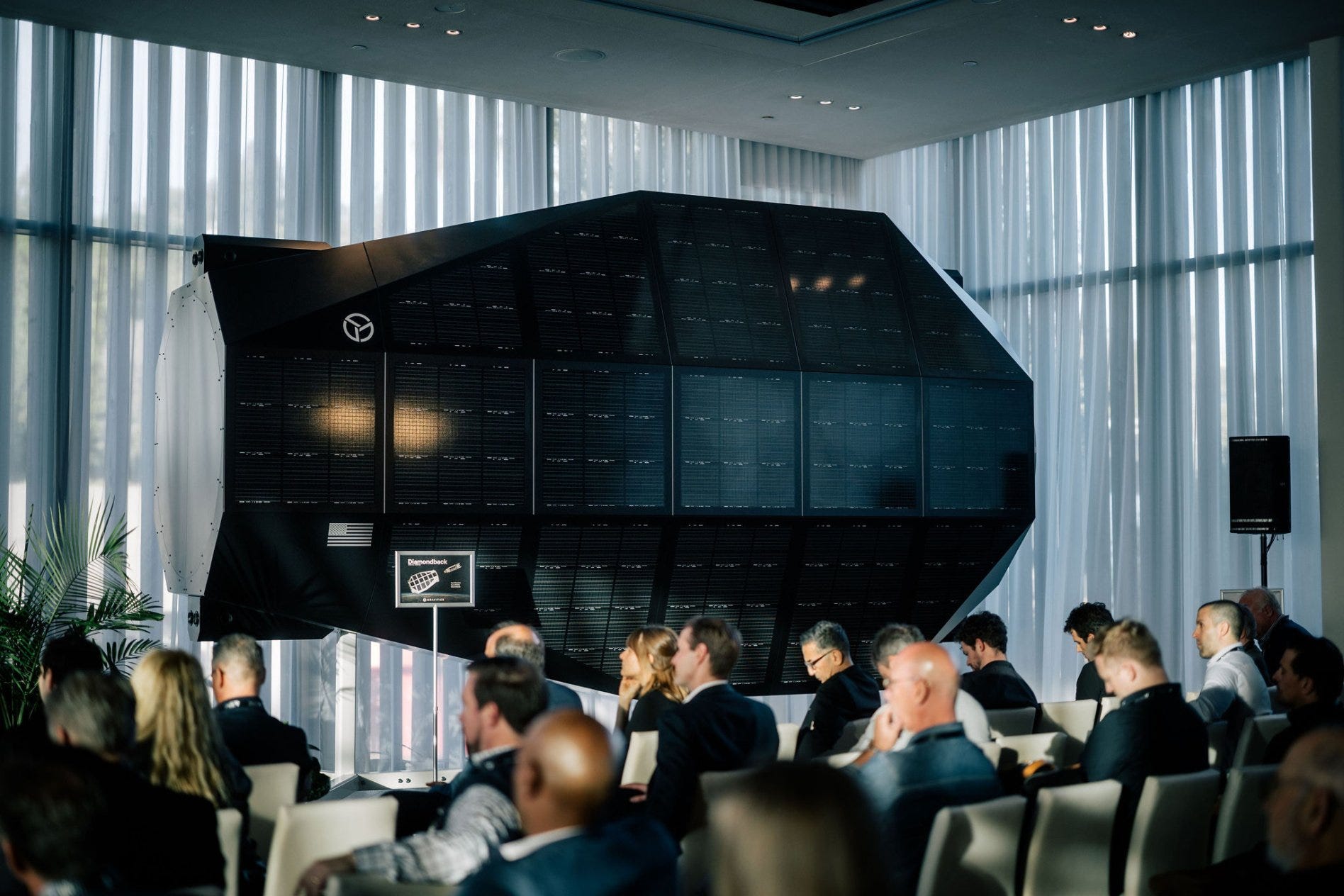
Commercial space company Gravitics has unveiled Diamondback, a compact orbital carrier built to hold and deploy space based missile interceptors in orbit, where they can be ready to respond quickly to any attack. Gravitics had previously won a Space Force contract worth up to $60 million to build and test the system. The idea is to stage assets in space ahead of time instead of launching from Earth. According to Gravitics, Diamondback could be used not just for defense, but also for rapid response civil missions—e.g., holding rescue gear or supplies for astronauts (Gravitics)
Speaking of weapons in space, China has reportedly developed a satellite based weapon capable of delivering 2.6 megawatts of pulsed energy with microsecond synchronization accuracy. This system will power particle beam weapons in space, which could “disable or destroy enemy satellites and missiles through immense kinetic and thermal energy.” For anyone not paying attention, China is not slowing down. (Interesting Engineering)

New research shows that a galaxy’s age strongly influences what kinds of rocky planets it can form. As stars live and die, they release different “metals” (to astronomers, anything heavier than lithium), gradually enriching their galaxy. Early on, massive stars produce elements such as oxygen, silicon, and magnesium, while smaller stars later contribute iron and nickel, among others. These changing chemical abundances affect planetary structure: older planets tend to have thicker mantles and smaller cores, making them less dense than younger ones. That means in the early universe rocky planets may have lacked the iron needed for strong magnetic fields–a key factor for potential habitability. As a galaxy ages, its new planets grow denser and more suited to support life as we know it. (Universe Today)
Engineering, Machines, & Physics
eVTOL (electric vertical take-off and landing, i.e., flying car) company Jetson showcased a pretty amazing race with four of their vehicles last month. In the video, you can see them zipping around giant pylons, as well as executing some formation flying. Are these flying cars or giant drones capable of carrying people? Don’t know, but either way that was pretty cool. (JetsonAero)
American company Shield AI has introduced the X-BAT, “The world’s first AI-piloted VTOL fighter jet. With vertical takeoff and landing, long range, and full autonomy.” The idea is to take “something like an F-35 or a comparable fifth-gen [fighter], puts it in a vertical takeoff and landing package, and then delivers it at a tenth of the cost, life-cycle[-wise] of a fifth-gen. So, breaking the cost curve. It enables us to counter China’s fifth and sixth-gen aircraft with something that comes at a fraction of the price.” Honestly, this thing looks straight out of a sci-fi, looking forward to seeing them fly their first real mission. (Shield AI)

Anduril Industries has also developed an autonomous fighter jet, and this one has actually already taken off. The YFQ-44A took flight for the first time on October 31st. What’s remarkable is that Anduril went from the design on paper to flying in just 556 days, far faster than any program I’ve heard of for new fighter jets. The drone is built to operate alongside manned fighter jets or independently, and Anduril plans to scale production rapidly. For any of us Lord of the Rings fans wondering about the company name, yes, it’s that Anduril. Flame of the West, the sword reforged. (Anduril Industries)
A study suggests that designing a Mach 10 hypersonic jet could be much simpler than previously thought. The researchers demonstrated that turbulence at extreme speeds behaves more like slower airflow than expected, which relaxes some of the traditional design constraints. This insight could make hypersonic passenger or cargo aircraft more practical by reducing the complexity of their engines and structures. If the approach scales, we might get to fly anywhere in the world in an hour or so. (Interesting Engineering)
MIT researchers have turned a simple molecule—radium monofluoride—into a tiny collider, letting electrons briefly plunge into the radium nucleus and bring back information about its internal structure. By measuring tiny shifts in electron energy levels, they showed electrons can directly probe the nucleus, offering a tabletop alternative to massive particle accelerators. The team now aims to cool and align the molecules to push the precision even further. (Science Daily)
Engineers over in the Netherlands have designed a new algorithm that lets multiple autonomous drones work together to lift and precisely move heavy loads suspended on cables. The algorithm adapts in real time to changing payload dynamics and external disturbances, without needing sensors on the load itself. In lab tests with up to four drones, the system achieved significantly higher accelerations and tighter control than current methods. These capabilities could eventually be used in applications like construction, external building maintenance, and search and rescue operations. (Interesting Engineering)
On a related note, DARPA has just announced the “DARPA Lift Challenge,” offering $6.5M in prizes to innovators across America who design drones that can carry payloads 4x their weight.” Registration opens in January, so if you or anyone you know might be interested, check it out. (DARPA)
Engineers at Harvard have developed a metamaterial textile that can change its aerodynamics by forming dimples on its surface—just like a golf ball—as it stretches. When the fabric is pulled, it deforms into controlled indentations, with the dimples changing size and shape in real time. In wind tunnel tests, this adaptive surface cut drag by up to 20% depending on wind speed. The design could revolutionize highspeed sports apparel (e.g., cycling or skiing) and impact aerospace and maritime engineering. Imagine this for the Olympics. (Tech Xplore)
An ultrathin 2D polymer film has been developed that’s almost completely impermeable to nitrogen gas or anything bigger. The material self assembles into a highly ordered structure, forming a barrier at least four orders of magnitude tighter than any existing polymer. Coated onto vehicles, aircraft and ships it could reduce wear and corrosion. It could also be used to extend the shelf life of food or medications. Because it’s lightweight, scalable, and easy to apply, the film could become a practical alternative to graphene, which is similarly impermeable, but notoriously difficult to use. (Interesting Engineering)
Medicine & Biotech
Researchers in the States have broken the Guinness World Record for the fastest human whole-genome sequencing—completing a full genome in under four hours. They used a next generation “sequencing by expansion” (SBX) system paired with a streamlined workflow for both sequencing and analysis. The team demonstrated this speed with samples from newborns in a neonatal intensive care unit, showing that same day genetic diagnoses could soon be realistic for patients. This advance could dramatically improve decision making in medical settings, and start saving lives. (SciTechDaily via Dr Singularity)
Researchers at Osaka Metropolitan University have developed a novel treatment using stem cells derived from body fat to heal spinal fractures mimicking those caused by osteoporosis. Because the stem cells are taken from fat—gathering it is a minimally invasive procedure even in older adults—the method may offer a safe, fairly gentle approach for treating bone degeneration in humans. The results suggest a promising step toward new therapies for spinal fractures and osteoporosis by harnessing the body’s own tissues to regenerate bone. Need human trials on this stat. (Science Daily)
Researchers have created a new microrobot system that can navigate blood vessels, carry a large drug payload, and be tracked deep inside the body using 3D imaging. The tiny robots use magnetic nanoparticles inside a biodegradable shell, letting doctors steer them remotely and trigger drug release with changes in pH or radiofrequency heating. In tests, the robots formed stable swarms, pushed against realistic blood flow conditions, and moved through intricate, brain like vessel networks. It’s an early but promising step toward precision drug delivery in places that are normally very hard to reach. The idea is to use them to kill cancer cells with minimal side effects, ideally replacing traditional chemotherapy treatments. (Dr Singularity)
Researchers have used a tiny wireless retinal implant to restore some central vision in older patients with advanced “dry” age related macular degeneration. The implant sits under the retina and works with smart glasses: a camera on the glasses captures scenes, converts them to infrared light, and sends signals to the chip, which stimulates remaining retinal cells so the brain can “see” again. About 80% of the 38 participants in the trial showed clinically meaningful improvement in their vision a year after implantation. The restored vision is still black and white and low resolution, and users needed months of training—but it’s a major step toward treating a disease once considered permanently blinding. And this is just the beginning, it’ll keep getting better from here. (Smithsonian Magazine)
Stanford Medicine scientists have discovered a clear mechanism linking Epstein–Barr virus (EBV) to the autoimmune disease known as lupus. They found that EBV infects a rare subset of “autoreactive” B cells—the kind that can attack your own tissues—and reprograms them into an inflammatory state. These infected B cells crank out a viral protein called EBNA2, which flips on human genes that trigger immune overreaction. In lupus patients, the proportion of EBV-infected B cells is about 25 times higher than in healthy individuals, suggesting this mechanism could underlie all cases. This work opens paths for treatment and prevention, with an EBV vaccine or therapies that eliminate infected B cells being the logical paths forward. We don’t know yet, but perhaps there’s a link between other specific viruses and autoimmune diseases too. (Stanford Medicine)
Researchers at the University of Nottingham have developed a new bioinspired gel that can actually regrow tooth enamel, something that was long thought impossible. The gel mimics natural enamel building proteins and draws calcium and phosphate from saliva to rebuild a mineral rich, mechanically strong layer on the tooth. It works even where enamel has completely worn away, repairing exposed dentine and reducing sensitivity. Best of all, “the regenerated enamel behaves just like healthy enamel.” Because it’s easy to apply, the gel could soon be a step change for preventing decay and literally restoring teeth. (Science Daily via @kimmonismus)
German scientists have found that the essential amino acid leucine can directly boost cellular energy production by preserving key proteins in the mitochondria that usually get degraded. They showed that leucine reduces the activity of the protein SEL1L, which normally triggers degradation of mitochondrial membrane proteins, thereby enhancing the mitochondria’s efficiency. In short, what you eat matters not just for fuel but for how well your cells power plants actually run—and targeting this pathway might open new treatments for metabolic and energy related disorders. (Science Daily)
Agriculture

Agricultural scientists in Maryland have discovered a tiny genetic switch that when activated early in flower development, causes wheat to grow three ovaries per flower instead of just one. Each ovary has the potential to become a grain, meaning this switch could significantly boost wheat yields without requiring more land. Because wheat is a staple for billions, leveraging this switch could make a huge difference in global food production. Breeders may now be able to use gene editing tools to turn this trait on permanently—offering a path to much higher yield wheat varieties. (SciTechDaily via Dr Singularity)
Researchers have used gene editing to boost the production of α-amylase inhibitor proteins in common crops like corn, peas, and beans—which makes the starch in seeds indigestible to starch eating pests. This could significantly reduce damage from insects like weevils and beetles without adding additional pesticides. By tweaking the plant’s own genes (rather than inserting foreign ones), this approach may also sidestep regulatory hurdles and increase public acceptance, though sticking genes in from another organism is generally just fine too. The next very important step is making sure these modified plants don’t harm non target organisms like helpful insects, livestock, or humans. (Phys.org)
Weird & Wonderful


A foundry in Paris called Atelier Missor says it’s “on its way to building a new Rome,” and they want to build it in America. They plan is to forge a gigantic titanium version of this statue of Atlas—called The Guardian of Liberty—and have it ready to unveil by the 250th anniversary of America’s independence next July. The team at Atelier Missor says that the statue here is just a miniscule scale model, and that the real one will be “the tallest statue in the West.” I say bring it on! We need more builders to think on scales like this, and colossal statues to remind us all of what humans can accomplish. Will they do it in less than a year? I don’t know, but as Napoleon said, “Impossible is not French!” (Atelier Missor 1) (Atelier Missor 2)

Turns out extinction rates aren’t nearly as bad as the media often portrays. University of Arizona researchers have discovered that extinction rates for plants, arthropods, and land vertebrates peaked about 100 years ago and have declined since then, disproving claims of an accelerating mass extinction. 912 species that went extinct over the past 500 years were analyzed, and the results found that most historical extinctions were caused by invasive species on isolated islands like Hawaii, while today’s main threat is habitat destruction on continents. The researchers discovered that “past extinctions are weak and unreliable predictors of the current risk that any given group of animals or plants is facing.” Declining extinction rates partly reflect conservation efforts actually working—investing money in species protection produces real results, and partly in growing global wealth—rich countries are able to care more about preserving their environment. (Phys.org)

An Australian startup called Snowtunnel has created massive rotating barrels—12.5 meters (41 feet) in diameter and 16 meters (52.5 feet) long—that let skiers and snowboarders carve endless fresh snow without leaving the city. The cylinders spin like hamster wheels, with riders using their edges to maneuver side to side inside the tunnel. Each barrel features 3-4 inches of freshly groomed real snow and uses a proprietary surface treatment to keep the snow from falling as the tunnel rotates. The rotation speed adjusts from below walking pace for beginners up to 50 km/h (31 mph) for experienced riders. The first Snowtunnel Park opens in 2027 in Australia and will require far less land and upfront costs than traditional indoor ski slopes like China’s mammoth Shenzhen facility, which covers 11 soccer fields. (New Atlas)
Photos & Videos

This is next level amazing. The first photograph of its kind taken by Andrew McCarthy of a friend transiting the Sun while skydiving. You can see a short video of it here as well. The piece is titled The Fall of Icarus. Absolutely breathtaking. (Andrew McCarthy)
Amazing footage from inside the eye of Hurricane Melissa, shot by a guy whose handle is the apt ‘Tropical Cowboy of Danger.’ (Tropical Cowboy of Danger)

I had no idea this was a thing. The United States Mint has been releasing a few coins every year since 2018 to honor “American innovation and significant innovation and pioneering efforts of individuals or groups by issuing $1 coins with designs emblematic of innovation in each of the 50 states, the District of Columbia, and the five U.S. territories.” Here’s the four planned for 2026. Seriously great idea. (United States Mint)

Utility doesn’t always have to be ugly. Check out this giant deer whose antlers are holding up some power lines in Austria. We should be taking one of Europe’s few modern good ideas and running with it. (New Atlas)
Remora are fish that use special plates on their heads like a giant sucker to attach themselves to whales, sharks, turtles, and occasionally even boats and human divers. They’re helpful, cleaning off parasites and dead skin from their hosts. This video of some remora going for a ride on a Humpback whale is pretty cool, definitely not a calm trip! (Phys.org)
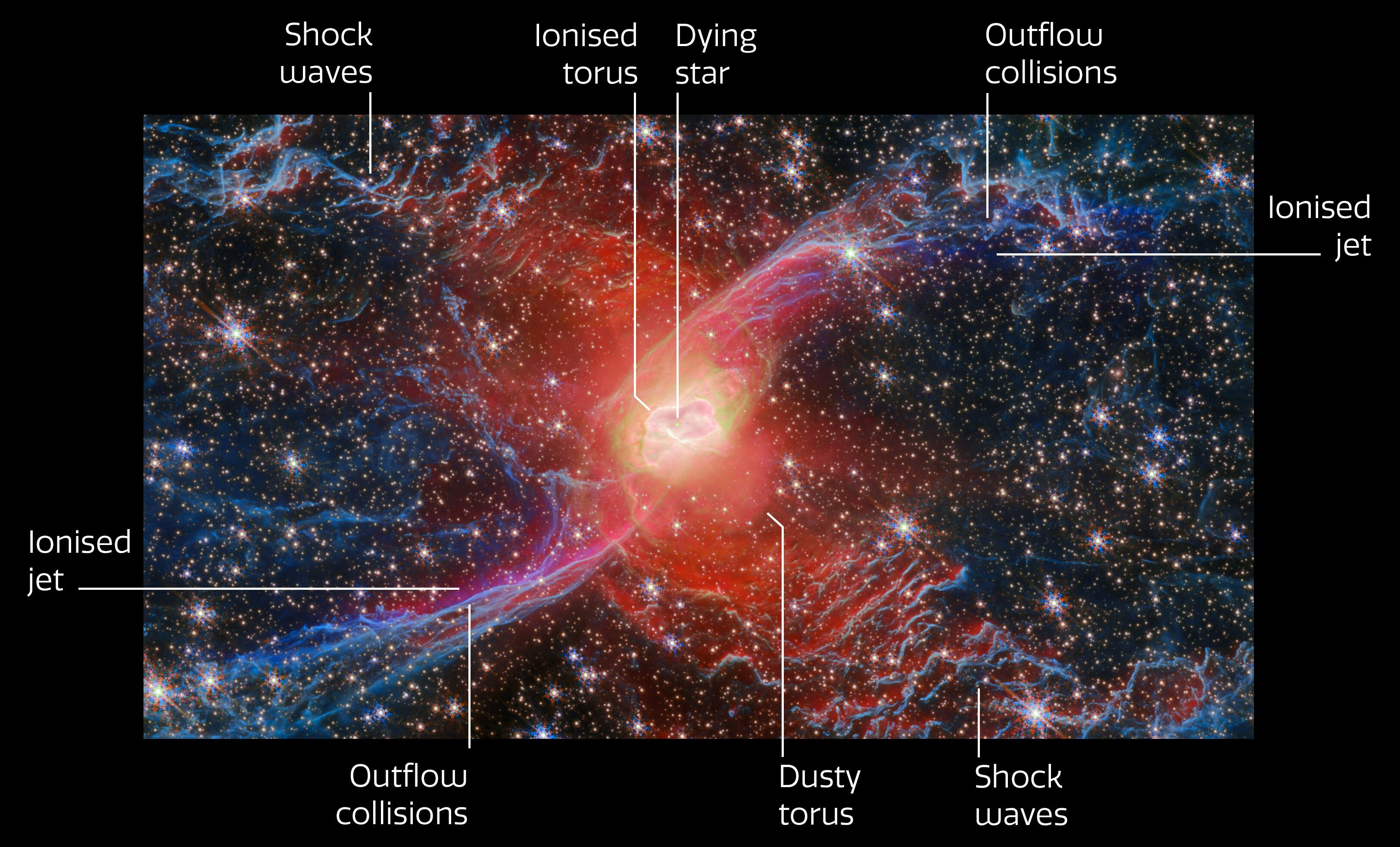
NASA’s JWST has taken a closer look at the Red Spider Nebula, showing its “legs” extend much farther than previously thought, about 3 light years. (ESA Webb Telescope)
Are rockets that aren’t reusable outdated and going the way of the dinosaurs? Absolutely, yes. But this is still a pretty remarkable view of ULA’s recent launch of their Atlas V rocket. (ULA)
Recommendations & Reviews
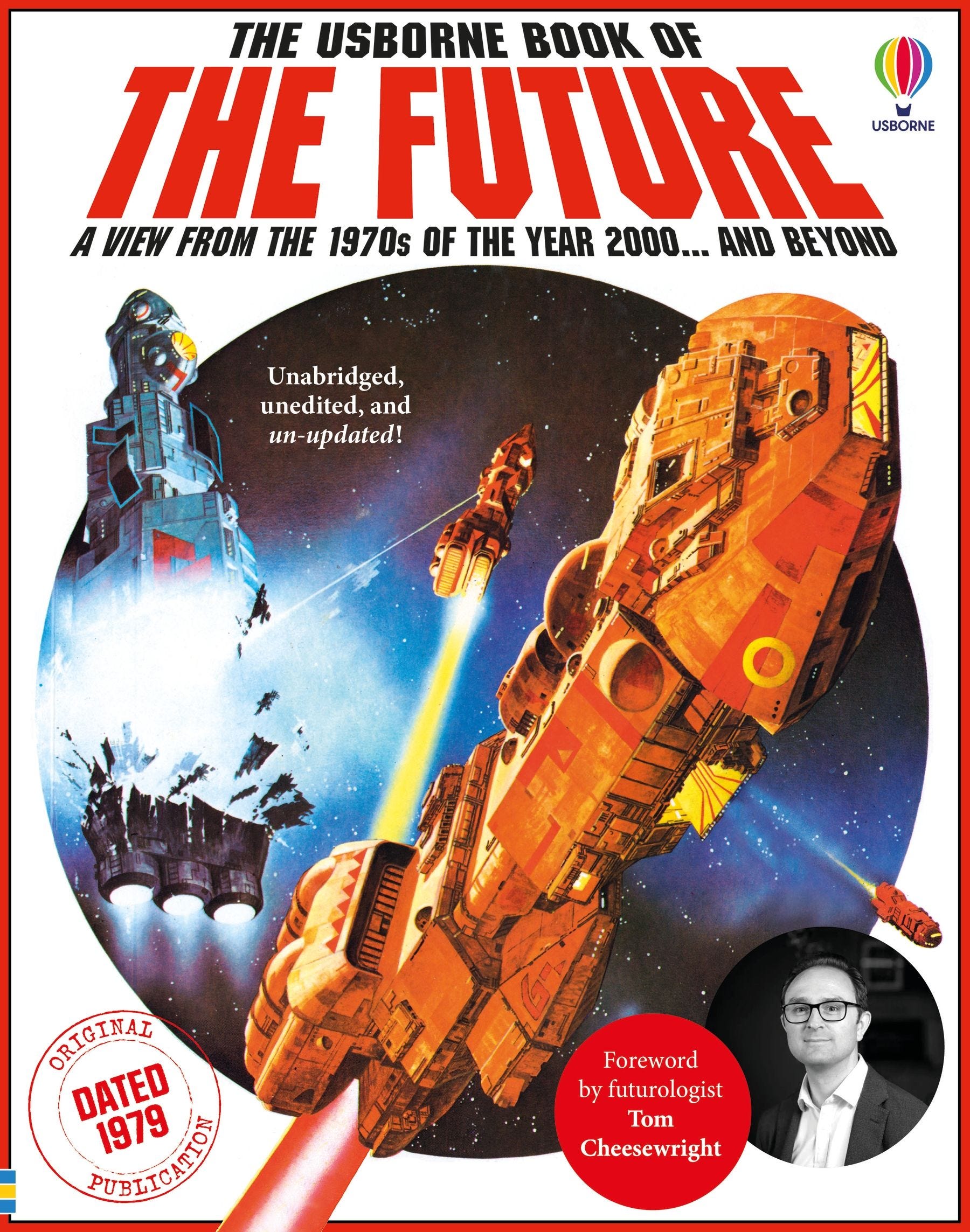
“First published in 1979, the Usborne Book of the Future is a fondly-remembered book from a time when people dreamed of the future as a place filled with wonder and amazing new technology. After more than 40 years of science fiction focussing on dystopias and doom, it’s time to remind readers young and old that, in fact, the Future is STILL a place that holds hope and excitement.”
I got this book for my kids, but honestly it’s been a great read for me as well, so I’m giving it a strong recommendation to all of you. This edition is a re-issue that’s faithfully reproduced all the original text and artwork, so don’t worry about it being “updated” to reflect modern sensibilities. Going through it, I was struck by how many of the ideas discussed then are still being looked into now, which makes me think that most of the good ideas really have been floating around for a while, just waiting for someone to bring them into existence.
One thing that disappoints me wasn’t the book, but how our progress into space, and to a more technological future generally—such was envisioned in this book—got derailed. The reasons are numerous I’m sure, but I don’t think it had to be this way. As incredible as our modern world can be, I think we’ve gone on a half century detour from which we’re only now starting to return. So enjoy this book if you get a chance, and let it inspire both you and your kids to the brighter future we can build if we set our minds, hands, and hearts to it. (Usborne)
That’s all for now. Techno-Optimist will be back in your inboxes on December 20th (or possibly the 21st if it’s late). I’m going to continue breaking out special shorter newsletters for AI, Robots, and Nuclear Energy (in that order) over the next three Saturdays, hope you enjoy.
Thank you all for reading — and until next time, keep your eyes on the horizon.
-Owen
Couldn't agree more. The quote on short-term risk for long-term gain is so spot on, especially with launches like New Glenn. It really makes me wonder, what if mastering space travel unlocks entirely new frameworks for sustainable living or even new energy paradigms? So much to look foward to!