

Techno-Optimist #35
Polls and predictions for 2026, four epic privately funded telescopes, a new food pyramid, a hotel on the Moon, solid state batteries, gene therapy for kids shows great results...and a whole lot more


Welcome to the thirty-fifth edition of Techno-Optimist, your destination for all the latest updates and commentary on space, science, technology, medicine, and much more.
As this is the first edition of Techno-Optimist in 2026, I’ve decided to it might be fun to have some polls for everyone to make their predictions for the year. There’s a lot of them, so I’ve put them right at the end. We’ll revisit them in the first newsletter of 2027 and see how we all did. Please do jump into the comments as well with your predictions if I don’t cover them in the polls.

“When you want to build a ship, do not begin by gathering wood, cutting boards, and distributing work, but rather awaken within men the desire for the vast and endless sea.”
—Antoine de Saint-Exupéry
Privately Funded Four Telescope Observatory System. Former Google CEO Eric Schmidt and his wife Wendy have announced one of the largest private astronomy investments in history—the Eric and Wendy Schmidt Observatory System—comprising four next-generation telescopes that will all be operational by 2029. Together, these facilities represent a fundamental shift in how cutting edge astronomy gets funded and built, with Schmidt promising capabilities rivaling NASA flagship missions at a fraction of the cost and timeline.
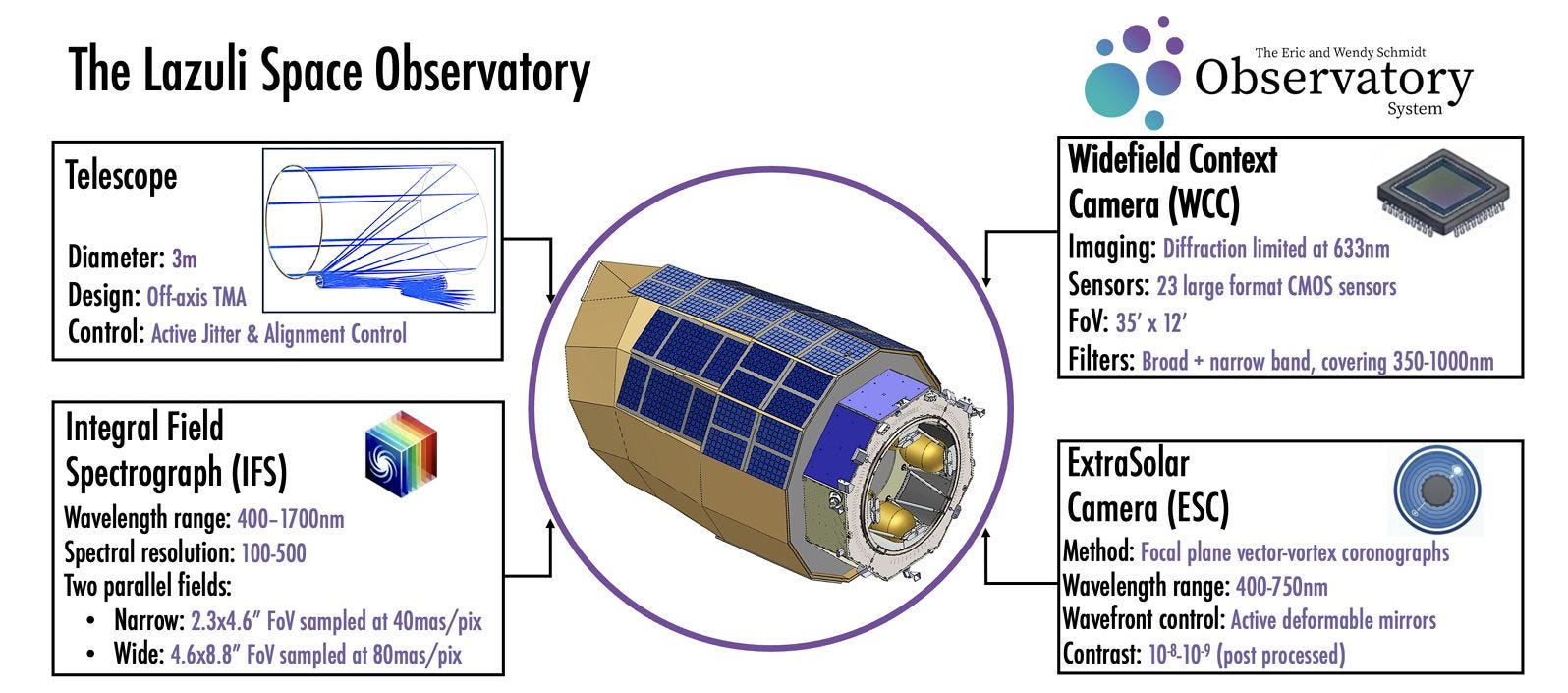
Lazuli Space Observatory is the crown jewel, a 3.1 meter (10.2 ft) space telescope with 70% more light collecting area than Hubble’s 2.4 meter (7.9 ft) mirror, making it the largest privately funded space observatory ever built. The telescope features three advanced instruments: a wide field optical imager for surveying large swaths of sky, an integral field spectrograph for detailed chemical analysis, and a high contrast coronagraph optimized for directly imaging exoplanets around Sun-like stars. Lazuli will launch into a highly elliptical lunar resonant orbit reaching 275,000 kilometers at apogee—far beyond the crowded low Earth orbit where communications satellites reside—and use an innovative off-axis three mirror design that eliminates the light blockage and diffraction caused by traditional telescope configurations. The mission will study everything from exoplanet atmospheres and supernovae to the Hubble Tension (the mystery of why different measurement methods yield different values for the universe’s expansion rate), with Pete Klupar, executive director of the Lazuli project, declaring “we’re going to do it in three years, and we’re going to do it for a ridiculously low price”—estimated at hundreds of millions rather than the $10+ billion NASA flagship missions cost. The telescope will likely launch on Relativity Space’s Terran R rocket from Cape Canaveral, with Schmidt having recently become CEO of Relativity Space after investing in the company.

Argus Array takes a radically different approach to ground-based astronomy by deploying 1,200 small 11-inch (28-centimeter) telescopes packed inside a bowl shaped structure on a Texas mountaintop, working together to create the equivalent light gathering power of a single 8 meter (26.2 ft) telescope. Named after the hundred-eyed giant Argus Panoptes from Greek mythology—and hopefully also as a nod to the Argus Array subspace telescope from Star Trek—the array will continuously photograph the entire visible Northern sky; covering 8,000 square degrees, roughly the field of view of the human eye, and imaging some regions every single second to generate a staggering 7.8 petabytes of data per night. Unlike traditional telescopes that take deep images of small patches of sky every few days, Argus creates a real-time movie of the cosmos, perfect for catching transient events like supernovae within minutes of their explosion, neutron star collisions, black holes tearing apart stars, and optical counterparts to gravitational wave detections from LIGO. Because it archives the preceding data, astronomers can rewind the cosmic movie to see what happened before an event was detected, essentially creating a time machine for astrophysics. The array should achieve first light in 2027, becoming fully operational by 2028. British billionaire financial trader Alex Gerko is co-financing this project with Schmidt Sciences.
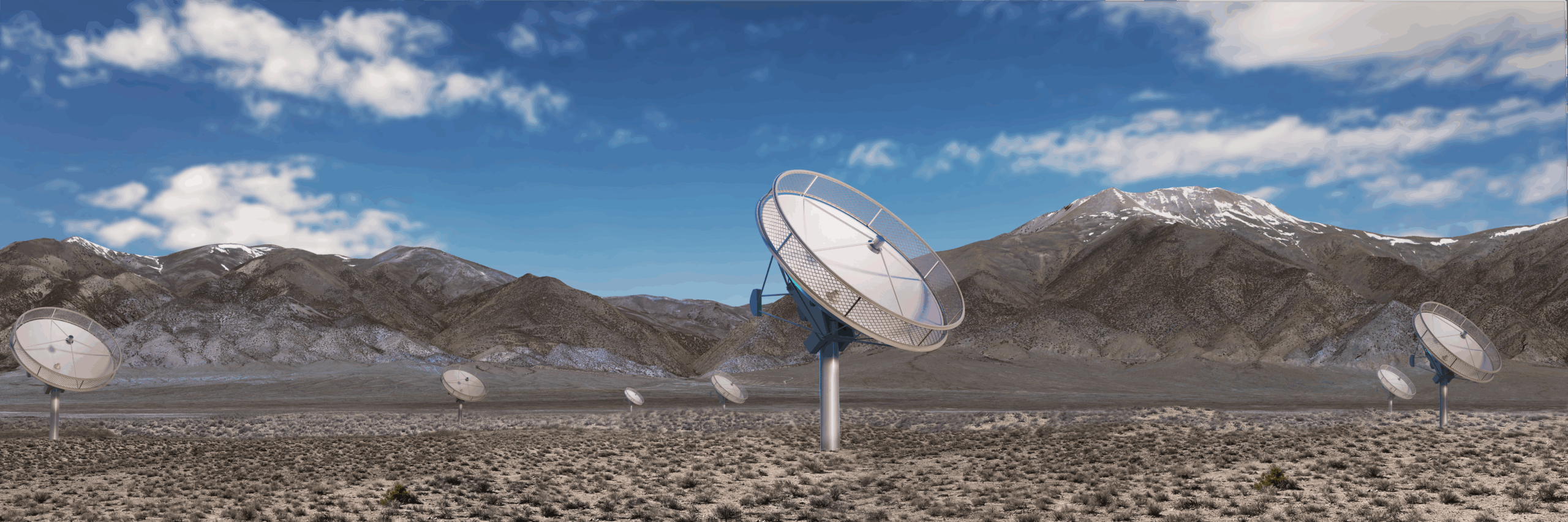
Deep Synoptic Array deploys 1,656 radio dishes, each 1.5 meters (5 feet) across, spread across a massive 20 × 16 kilometer (12.4 x 9.9 mile) site in Spring Valley, Nevada; a radio-quiet valley ideal for detecting faint cosmic signals. The array uses innovative astronomical radio receivers developed at Caltech that eliminate the need for complex cooling systems, dramatically reducing costs. Operating at radio wavelengths invisible to optical telescopes, DSA will take snapshots of the entire radio sky every 15 minutes, making it unmatched at detecting and precisely locating fast radio bursts—mysterious millisecond blasts from across the universe whose origins remain one of astronomy’s biggest puzzles. Project lead Gregg Hallinan of Caltech emphasized the scale: “Every radio telescope ever built has detected about 10 million radio sources. We’ll double that in the first 24 hours.” The array will also discover pulsars (rapidly spinning stellar remnants whose metronomic pulses can detect gravitational waves), probe dark matter, and reveal galaxy centers and black holes obscured by interstellar dust that blocks optical observations. Expected to come online in 2029, DSA represents an order of magnitude improvement in survey speed over any existing or planned radio telescope.
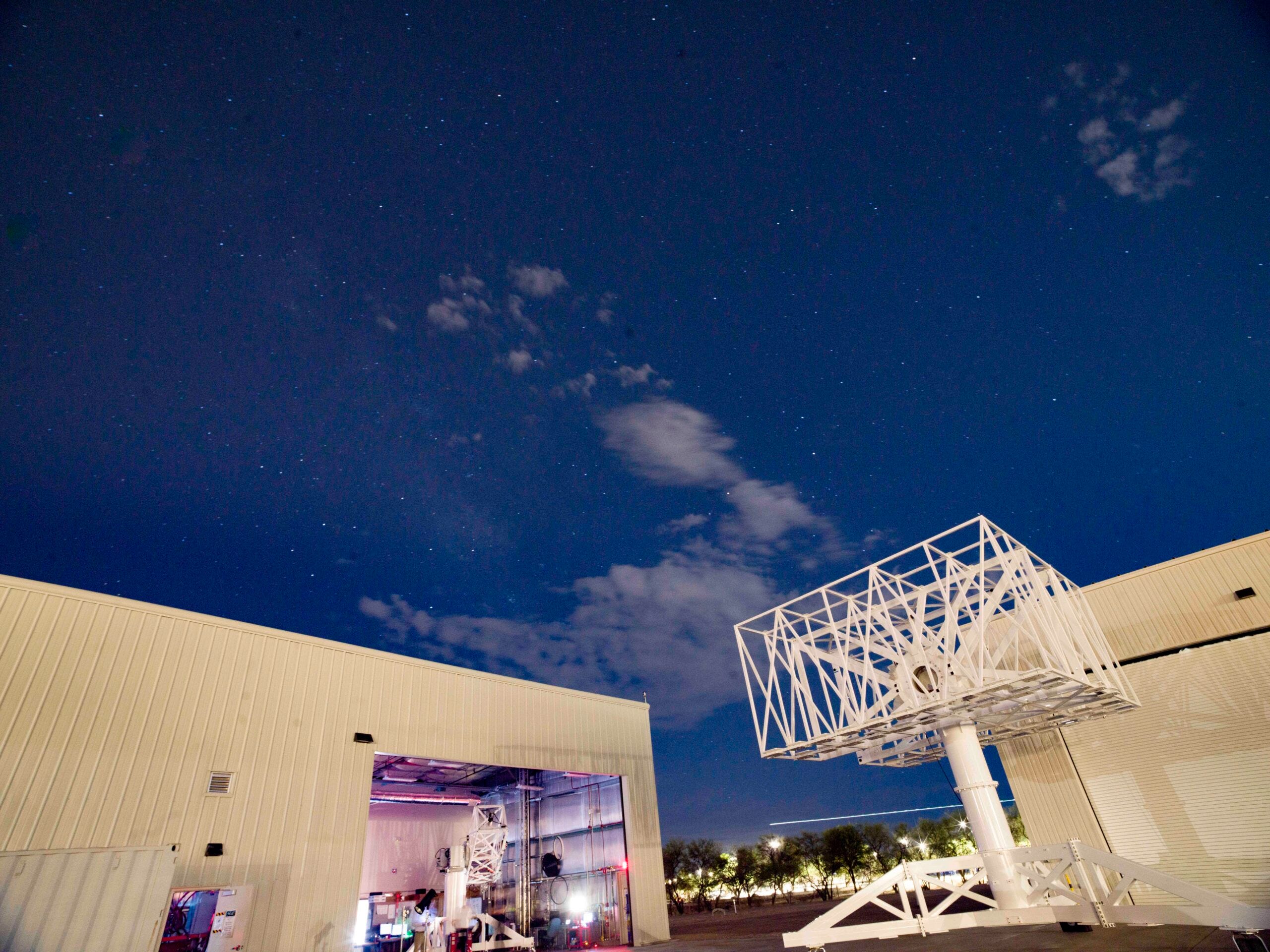
Large Fiber Array Spectroscopic Telescope (LFAST) uses a modular system of 76 centimeter (30 inch) mirrors organized in groups of twenty telescopes mounted on a single structure, with optical fibers feeding light from each mirror to a spectrograph that splits the light into its component wavelengths. The design is infinitely scalable, with one 20-telescope unit equals a 3 meter (9.8 ft) telescope’s collecting area, ten units match the twin 10 meter (32.8 ft) Keck telescopes in Hawaii, and the team aims for enough units to rival the 30 meter (98.4 ft) Extremely Large Telescope under construction in Chile (or even Europe’s 39 meter ELT). By splitting starlight into spectra, LFAST will study the chemical composition of exoplanet atmospheres hunting for biosignatures, identify the nature and elements of distant galaxies, and provide high resolution spectroscopy for astronomy. The preferred site is Kitt Peak in Arizona, with Mount Lemmon and Mount Hopkins as backups. The modular approach housed in compact “mini domes” slashes construction costs while maintaining flexibility—more units can be added as budgets allow and science demands grow.
What makes Schmidt’s approach revolutionary is the coordinated “system” philosophy. All four telescopes will work together through a common online interface with linked databases, allowing seamless follow up observations. Argus might detect a supernova, LFAST could immediately capture its spectrum to determine composition, DSA could search for associated radio emissions, and Lazuli could study the explosion’s optical evolution over weeks—all coordinated in near real time. The observatories embrace open science: Argus and DSA will release data publicly within minutes of collection, while LFAST and Lazuli will accept proposals from scientists worldwide. Schmidt Sciences President Stuart Feldman joked their success metric is “Nobel Prizes per year,” but more seriously emphasized they’re measuring “exciting outcomes that would have been unlikely to have arisen without our resources.”
By taking on projects with calculated risks that government agencies can’t stomach, deploying current technology rather than waiting decades for perfection, and building quickly before technology becomes obsolete, Schmidt is proving private philanthropy can complement NASA’s scientific endeavors. The entire system costs a fraction of what NASA spends on flagship missions like the James Webb, yet promises transformative discoveries about exoplanets, dark energy, gravitational waves, and explosive transient events. Welcome to astronomy’s new era, where one billionaire can build an entire observatory system faster and cheaper than traditional government programs—and make all the data freely available to scientists everywhere.
Anti-aging Roundup. Writing this newsletter has given me a good broad overview of what’s happening in many fields, including anti-aging. So here’s a little summary of the pillars of anti-aging as I see them: epigenetics (being able to “reset” some or all of it). Senescent cells, they increase bad inflammation and cause all sorts of other problems, including promoting cancer. Getting rid of them, or at least reducing them. But some may be useful for certain things, so it may be a matter of getting rid of certain groups of them, or maybe just reducing the numbers below a certain level. NAD+ levels seem improving for both the brain and the body. Mitochondria, their number, and healthy function. I’m sure there’s more, but all of these are definitely part of it.
Here’s a few news items I noticed recently:
Retro Biosciences, the high-profile startup backed by OpenAI’s Sam Altman, has officially moved from the lab to the clinic, dosing its first human participant in a Phase 1 trial for its lead longevity candidate, RTR242. This therapy targets autophagy—the body’s cellular trash disposal system—by restoring the acidity and function of lysosomes. As we age, these cellular cleaners become sluggish, leading to the buildup of toxic protein waste that can trigger neurodegeneration, and other symptoms of aging (yes, we should think of aging as a disease). By rebooting this waste management cycle at its source, Retro aims to not just manage symptoms but to effectively rejuvenate cells to a more youthful state. While the initial trials are focused on Alzheimer’s, the ultimate goal is to add 10 healthy years to the human lifespan.
Researchers at the University of Illinois Chicago have discovered that a decline in the protein platelet factor 4 (PF4) is a primary driver of immune system aging. In youth, PF4 acts as a biological regulator that keeps blood stem cells from dividing too rapidly; as levels drop with age, these stem cells multiply uncontrollably and accumulate mutations linked to cancer, chronic inflammation, and heart disease. By restoring PF4 in older mice and human stem cells, the team successfully turned back the clock, causing “aging blood and immune cells behave strikingly younger again.”
Anti-aging company New Limit has invented their first medicine: it “makes your liver a decade or two younger (best guess today). We’ll spend another couple years optimizing and then launch human clinical studies. In parallel, we are working on anti-aging medicines for the immune and vascular system. In a few years, we will we working on many more tissue types.” Co-founder Blake Byers noted that “This is all happening much faster than we anticipated when we started.”
Progress against Alzheimer’s. Alzheimer’s research is really hitting its stride, and I think we’ll be seeing material progress against it soon. My hope (based on a gut feeling of the rate of progress) is that we see a functional cure for most cases by the mid 2030s. Here’s a few new highlights: A new experimental drug called NU-9 halts the disease in animal models before symptoms appear. Maybe this sort of early intervention—not 100% sure how you’d diagnose it, maybe those at high risk—could prevent or delay disease onset.
I talked here about progress against Alzheimer’s and Dementia.

The most promising breakthrough I highlighted there actually just came out. Researchers have reversed advanced Alzheimer’s disease in mice by restoring the brain’s energy balance through a molecule called NAD+, which naturally declines with age and drops even more severely in Alzheimer’s patients. Mouse models showed complete cognitive recovery even after the disease was already advanced. The treated mice showed normalized blood biomarkers for Alzheimer’s, and complete recovery of all cognitive functions. The key takeaway is a message of hope: the effects of Alzheimer’s disease may not be inevitably permanent. The damaged brain can, under some conditions, repair itself and regain function.
Another very interesting finding came from analyzing data from over 450,000 participants, which discovered that 72-93% of Alzheimer’s cases and approximately 45% of all dementia cases are attributable to just two variants of a single gene. Lead researcher Dylan Williams emphasizes that “if we knew how to reduce the risk that the ε3 and ε4 variants confer to people, we may be able to prevent most disease from occurring.” Clearly this is a job for gene therapies, which once developed could prevent or even cure the majority of all Alzheimer’s cases, as well as almost half of dementia diagnoses.


The New Pyramid. For nearly five decades, Americans followed dietary guidance built on shaky science and industry influence. The 1977 McGovern Committee guidelines—drafted by staffers with no scientific background over many researchers’ objections—launched the low fat era that told us to eat 6-11 servings of bread daily while using fats “sparingly.” The food industry reformulated everything to be low fat, replacing fats mostly with sugar. Americans complied, fat consumption dropped, carb consumption soared, and obesity rates tripled. By the 2010s the scientific consensus that fats were bad had cracked, but institutional inertia kept the broken pyramid in place. Until now.
The federal government just published new Dietary Guidelines at realfood.gov that inverts the old, bad advice. The newly designed new pyramid prioritizes protein, dairy, and healthy fats at the base—recommending 1.2-1.6 grams of protein per kilogram of body weight daily from meat, eggs, seafood, full fat dairy [Sidebar: I came across a recent study linking full fat cheese and cream to a lower risk of dementia], nuts, and avocados. Vegetables and fruits come next (3 and 2 servings daily), with whole grains reduced to 2-4 servings and refined carbohydrates explicitly discouraged. The guidelines explicitly call out “the dangers of highly processed foods” and define real food as “whole, nutrient dense, and naturally occurring,” prepared without added sugars, industrial oils, artificial flavors, or preservatives. Added sugars get eliminated entirely, especially for children.
The website itself signals the shift—it’s a government site that actually looks pretty good and even more surprisingly, it works well (designed by the National Design Studio). The timing matters: 50% of Americans have prediabetes or diabetes, 75% have at least one chronic condition, and vast amounts of healthcare spending goes to treating diet linked chronic disease. What makes this most optimistic isn’t just that we fixed an obviously broken thing almost everyone agreed was broken—it’s proof that institutional sclerosis isn’t permanent. If we can overturn 47 years of entrenched nutritional dogma, backed by bureaucratic momentum, what else can we fix?
Space
GRU Space is aiming to build infrastructure on the Moon. The plan starts with mining lunar regolith to construct a pressurized Moon habitat—initially for tourism—but quickly scaling to full lunar bases with roads, warehouses, and mass drivers, then repeats the model on Mars. The long game is ownership, reinvestment, and large scale resource utilization across Solar System and beyond. Their ambitions aren’t small, with the end goal being Galactic Resource Utilization (hence the name). Very pro human, which is great to see. (GRU Space)
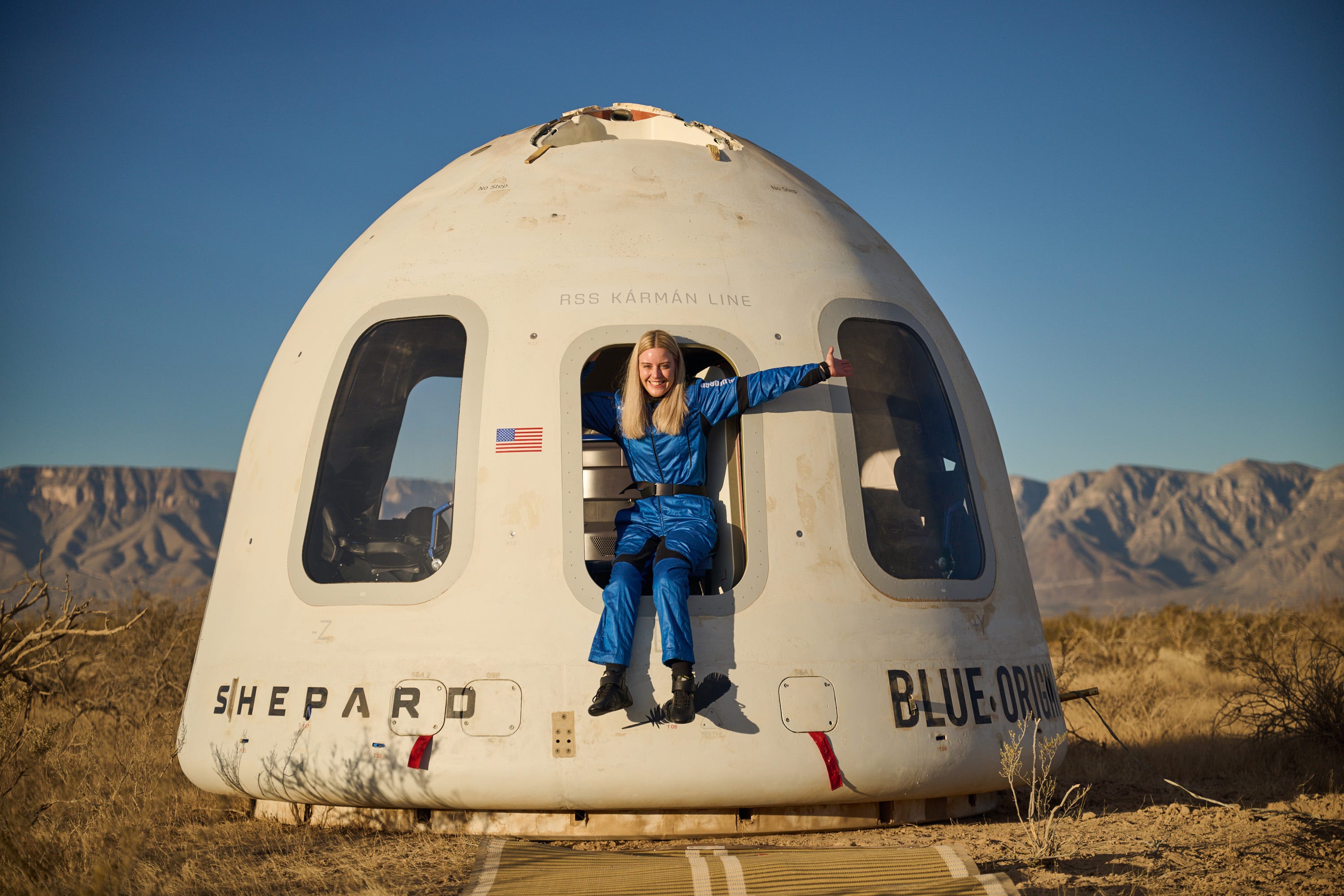
Back on December 18th, New Shepard Flight 37, Michaela (Michi) Benthaus became the first person in a wheelchair to go to space. Just step back and think about that for a minute. When space flights first started, it was (with good reason) only the fittest and most accomplished that could go. But now, as things have grown safer, and we’ve gained more experience, the door is opening up. There’s hope for all of us who want to go to space one day, even those with disabilities or other health problems. Of course, I’m hopeful medical technology will fix most of that this century, but I digress. (Blue Origin 1) (Blue Origin 2)
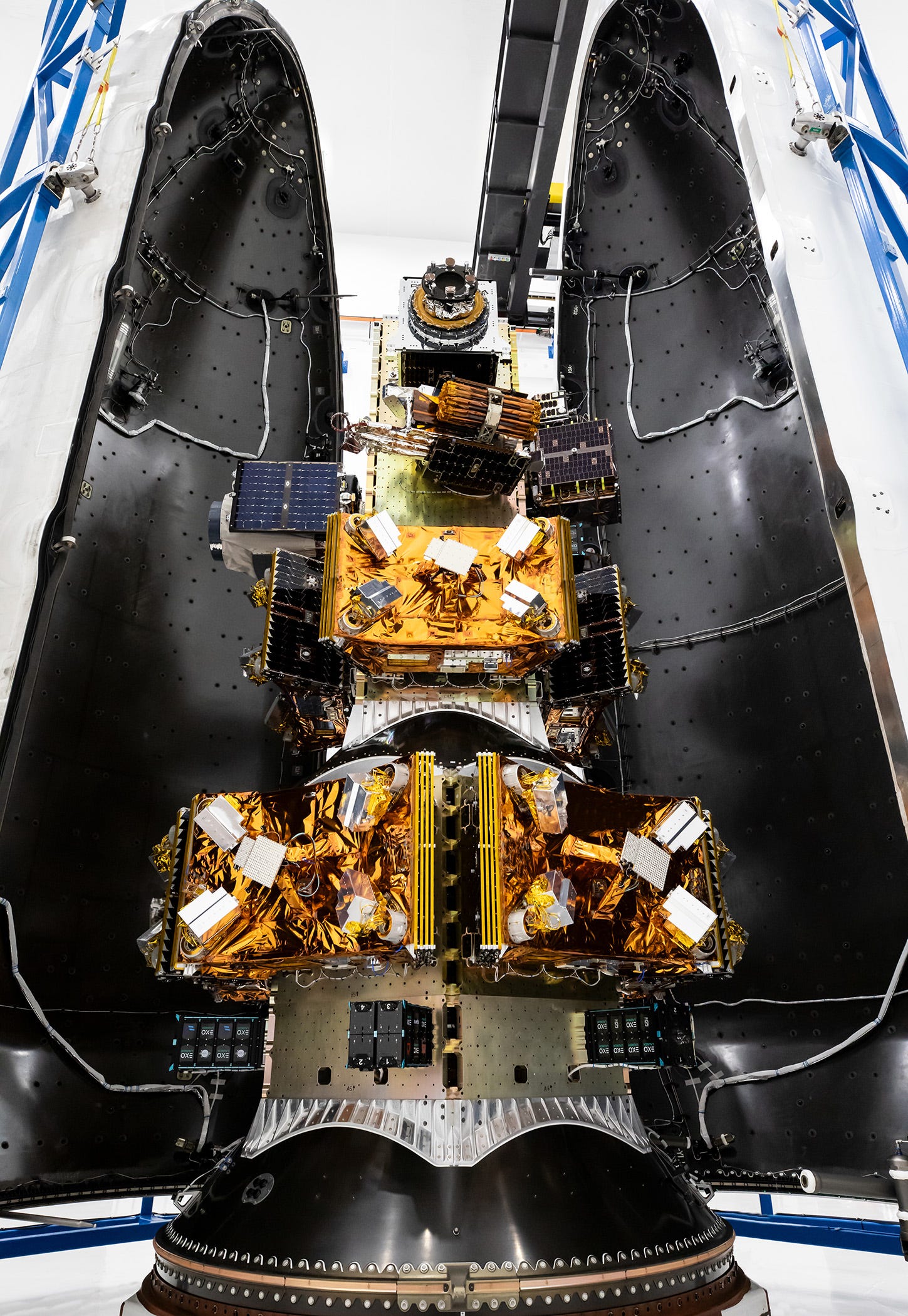
NASA’s newest exoplanet observatory, the Pandora small satellite, has successfully separated from its SpaceX rocket and entered a sun-synchronous orbit to begin science operations. Pandora will spend the next year observing at least 20 known exoplanets— taring at their transits to tease out the signatures of water vapor, clouds, and other atmospheric features while simultaneously monitoring their host stars to separate stellar noise from genuine planetary signals. Because Pandora collects visible and infrared data together over long durations, it will help clean up ambiguities in exoplanet spectra and guide follow up studies with larger telescopes like Webb. (NASA’s Kennedy Space Center)

The gravitational pull of Mars appears to subtly shapes Earth’s long term climate cycles, including the rhythms of ice ages that have come and gone over millions of years. Simulations show that if Mars were absent, two of the major Milankovitch cycles—the ~100,000 year and ~2.3 million year patterns that influence Earth’s orbital shape and axial tilt—disappear. Those orbital and tilt swings change how sunlight is distributed across the globe and are a key driver of ice sheet growth and retreat, so Mars’ tug has directly helped shape the cadence of past ice ages on our planet. BBC Sky at Night Magazine)

NASA’s Hubble Space Telescope has confirmed the first example of a new class of cosmic object: a starless, gas rich, presumably dark matter dominated cloud nicknamed Cloud-9 that sits near the spiral galaxy Messier 94. This type of object is officially called a Reionization-Limited H I Cloud (RELHIC), and was long predicted by cosmological models but never directly seen until now. It appears to be a “failed galaxy” that gathered gas (but not enough) and dark matter, but never ignited stars. Cloud-9 gives astronomers a rare window into how galactic type structures formed in the early universe, but without the interference of starlight. (Hubble)
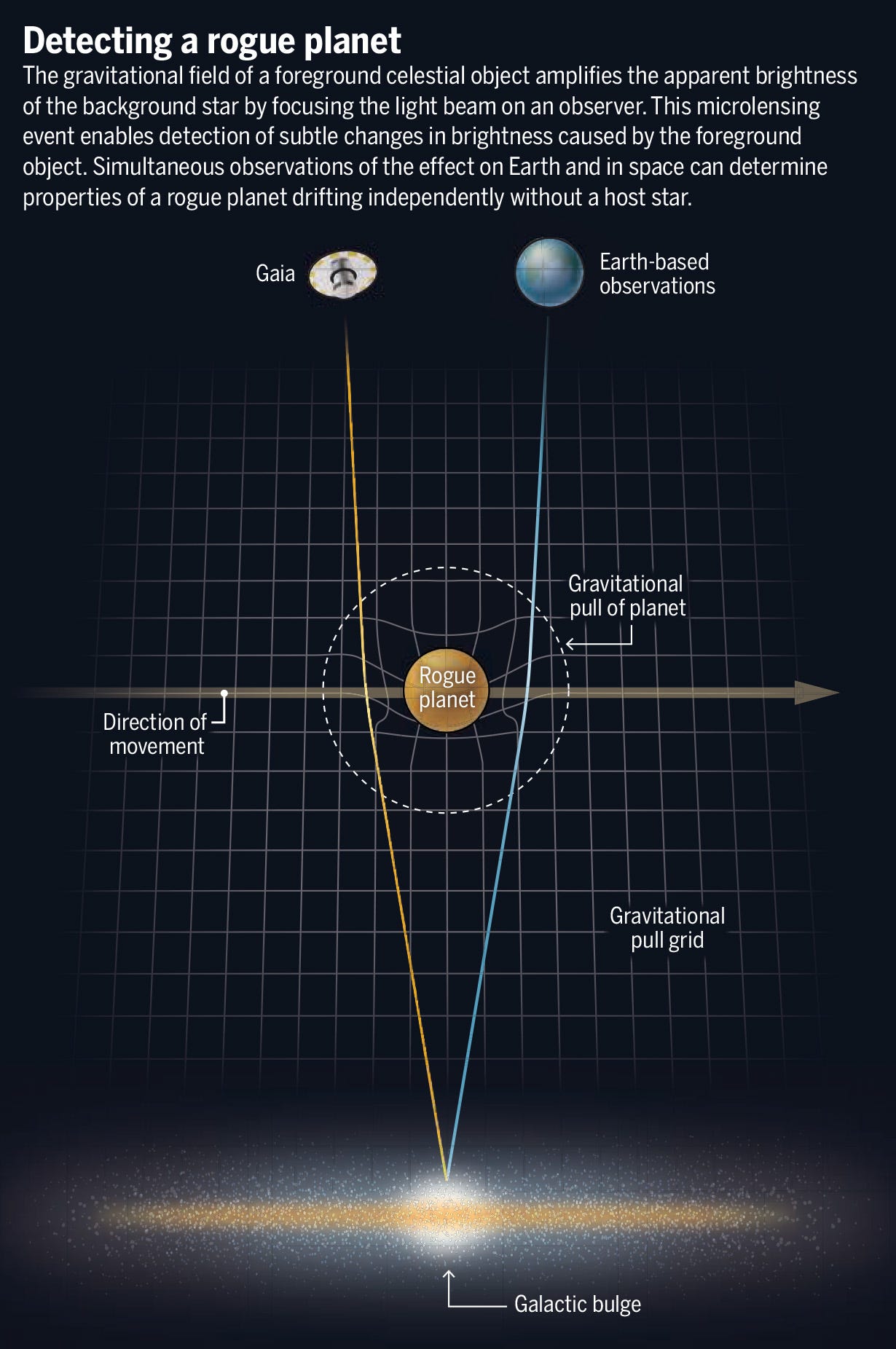
For the first time ever, astronomers have measured the mass of a rogue planet wandering the Milky Way by observing a microlensing event simultaneously from Earth and space, combining ground surveys with data from the Gaia space telescope to nail down both its mass and its location. The object is about 22 % the mass of Jupiter (Saturn-like), and located roughly 3,000 parsecs (~9,785 light years) from the galactic center. It likely formed around a star before being flung into interstellar space by gravitational chaos within its system, instead of forming alone like a brown dwarf, which are considerably larger. This measurement opens a new window on the population of rogue planets, helping scientists understand how planetary systems eject worlds and how common these nomads really are. (Science Magazine) (Science Daily)

The Rubin Observatory has discovered an incredibly fast spinning large asteroid. Astronomers have christened the asteroid 2025 MN45; it’s about 0.4 miles (710 meters) in diameter, and rotates once every 1.88 minutes, making it the fastest spinning rock of its size ever observed and implying it’s far stronger than the typical “rubble pile” asteroids we thought dominated the belt. In the same dataset Rubin found dozens of other super and ultra fast rotators, showing how the observatory is revealing previously unseen asteroid populations in our Solar System. These early results are just a taste of the discoveries Rubin will generate once its full survey kicks into gear. (NSF-DOE Rubin Observatory)
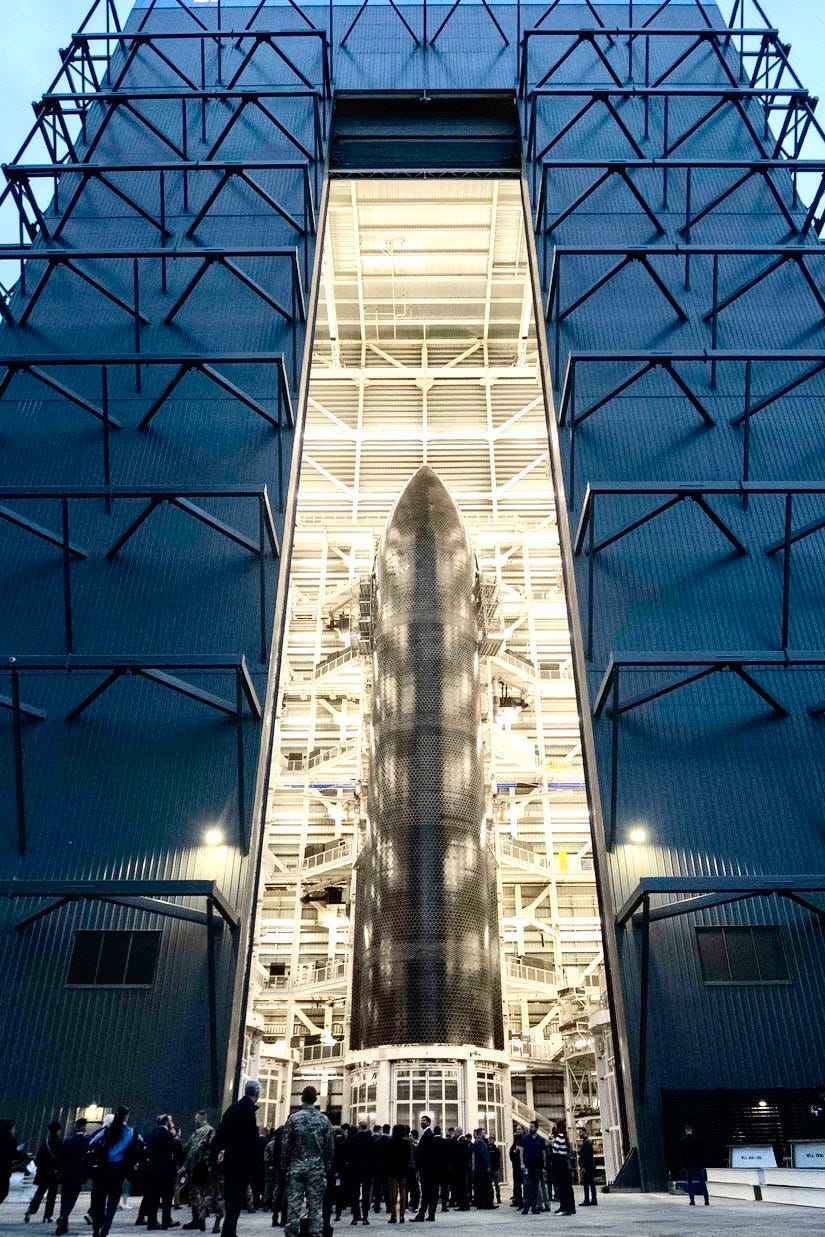
I’ve got more on SpaceX for you. Some of these numbers are just so phenomenal I can’t not talk about it. For 2025, the company lofted 90% of all mass to orbit, or 9x the rest of the world combined—including other American companies. They totaled 170 launches, 165 Falcons, and 5 Starship tests. Their Starlink satellite network doubled their active new customers from 4.6 million to 9.2 million. Speaking of Starlink, the FCC has now authorized SpaceX “to deploy & operate up to 15,000 next-gen satellites — enabling even better, faster, and more advanced Internet services in the country.” Hot on the heels of this, China has announced a plan to put up 200,000 satellites. I don’t normally say this about tech buildouts, but that might actually be too much.
Engineering, Machines, & Physics

China has activated CHIEF1900, the world’s most powerful hypergravity centrifuge capable of generating forces 1,900 times stronger than Earth’s gravity—dethroning its predecessor CHIEF1300 just four months after it broke the previous American record. Located 15 meters underground at Zhejiang University to minimize vibration, the massive machine “compresses space and time” by allowing researchers to simulate decades or centuries of geological processes in hours—a three meter dam model spun at 100g experiences the same stress as a 300 meter (~984 ft) real world dam. Scientists there can now recreate catastrophic events like earthquakes and dam failures in the lab, study how pollutants migrate through soil over millennia, or test how high speed rail tracks resonate with the ground. The $285 million facility represents China’s rapid scaling of experimental capabilities. (Interesting Engineering)
Micron officially broke ground on its $100 billion manufacturing complex in Clay, New York—the largest private investment in New York state history and the biggest semiconductor facility in the United States. The megafab will eventually house up to four 600,000 square foot cleanrooms (2.4 million square feet total), creating 50,000 jobs in New York and supporting 90,000 across the country, with production starting in 2030 and ramping up through the decade. The facility will produce the world’s most advanced memory to meet exploding AI demand, with tech leaders from NVIDIA, Google Cloud, AWS, and AMD emphasizing that high performance memory has become essential infrastructure for AI systems. Micron aims to produce 40% of its DRAM in the United States through this complex and companion fabs in Idaho and Virginia, ending America’s dependence on foreign semiconductor manufacturing. [Sidebar: Dynamic Random Access Memory is the primary, volatile memory in computers, laptops, and phones that provides high-speed, temporary storage for operating systems and active applications.] (Micron) (U.S. Commerce Department)
Samsung has officially started mass production of its solid-state batteries, signaling the end (or at least reduction) of range anxiety for electric vehicles. Their power cells offer a 600 mile (~966 kilometer) range and can recharge in nine minutes, close to the convenience of a traditional gas station stop, but with even better range. By replacing liquid electrolytes with solid components, Samsung creates a battery that is far more energy dense and also significantly safer—they don’t catch on fire—and more durable than current lithium ion technology. (Good News Network)

Norwegian company Flocean is tackling water scarcity by launching the world’s first subsea desalination plant sometime this year. This modular equipment sits 600 meters (~1970 ft) deep to harness the high hydrostatic pressure, slashing energy consumption by 50% compared to traditional coastal desalinization plants. By operating in the deep sea, the system avoids surface pollutants and eliminates the need for chemical pre-treatments, delivering freshwater with less impact. (Interesting Engineering)
China is rewriting the rules of wind energy with the successful maiden flight of the S2000, the world’s first megawatt class airborne wind turbine. Designed for urban environments and resembling a futuristic airship, this 60 meter (197 ft) long floating wind turbine ascended to 2,000 meters (6,560 ft) above Sichuan Province to capture high altitude jet streams that are several times more powerful and consistent than surface breezes. It uses 40% less material than surface wind turbines, and can be deployed to remote or disaster-stricken areas quickly if needed. Has anyone seen Big Hero 6? These are basically a scaled up version of the ones in that movie. (Interesting Engineering) (People


Medicine & Biotech
Medical science just delivered a massive win for children battling spinal muscular atrophy (SMA) with the FDA approval of the gene therapy Itvisma. By injecting a healthy gene directly into the spinal fluid, doctors bypass the weight (and therefore age) based safety limits of previous treatments, making this a “one-and-done” solution for patients over the age of two. Clinical trials show remarkable results, as children who previously struggled to move are now rolling, sitting up, and even climbing stairs. This breakthrough signals a new era where we no longer just manage genetic diseases but actively rewrite genes to create brighter futures for those once deemed untreatable. (Singularity Hub)
Scientists have unlocked a new weapon against traumatic brain injury in the form of a tiny peptide called CAQK that homes in on damaged brain tissue. This compound acts as a biological GPS, traveling through the bloodstream to lock onto injured areas and actively reducing inflammation and cell death. While researchers originally viewed the molecule as a delivery vehicle for other drugs, new trials show it possesses its own powerful healing properties that significantly improve functional recovery. This breakthrough paves the way for simple, non-invasive IV treatments that could stop permanent brain damage in its tracks immediately after an accident. On another note, I’m starting to dig into peptides, it’s a very interesting area for potentially improving both preventative measures and medical treatment. (SciTechDaily)
University of Hong Kong scientists have identified a “mechanical switch” protein in bone cells called Piezo1 that triggers the body to build bone in response to exercise. By activating it with a chemical compound, researchers successfully mimicked the bone strengthening benefits of a workout in mice without them moving a muscle. This breakthrough opens the door to an “exercise-in-a-pill” that could reverse osteoporosis and prevent fractures in bedridden patients or those with limited mobility. We are nearing a future where we can chemically program the body for resilience, ensuring strong bones remain a standard human feature regardless of age or physical ability. (SciTechDaily)
Scientists at the University of Maryland Baltimore County have mapped the precise interaction between viral RNA and the proteins that drive infection, exposing a major vulnerability shared across the enterovirus family (which includes viruses that cause polio, encephalitis, myocarditis, and the common cold). By capturing high resolution images of the structures of this replication machinery, researchers identified a highly conserved binding mechanism used by the viruses. This discovery allows engineers to now design precise drug molecules that break the machinery, offering the prospect of a single, universal antiviral for this virus family. (SciTechDaily)
Researchers have unlocked a way to supercharge cellular energy by boosting mitochondrial health without the need for strict calorie restriction. By identifying a specific genetic pathway, the team successfully tricked cells into entering a high-performance “repair mode” that normally only triggers during fasting. This discovery suggests we can engineer the longevity benefits of a sparse diet into a simple therapeutic intervention, maybe improving physical vitality as we age. (Phys.org via @kimmonismus)
Strides against cancer continue to be made. An important new discovery was that some people have a gene which reduces their risk of leukemia. Elsewhere, scientists have engineered a Trojan Horse nanoparticle that infiltrates aggressive tumors to reprogram their immune suppressing environment into a zone that attacks cancer. By simultaneously delivering a targeted drug and an immune booster, this therapy forces the cancer’s own support cells to turn against the tumor, effectively stripping away its cloaking device and allowing the body’s immune system to destroy it. In South Korea, a team has developed the world’s first AI model that predicts B-cell responses to create “cancer-remembering” personalized vaccines. By using AI to identify neoantigens that trigger both immediate T-cell attacks and long-term B-cell immune memory, this technology aims to not only destroy tumors but also provide lasting protection against recurrence. The team is now preparing for FDA clinical trials in 2027 to turn this approach into a global standard for precision oncology. Speaking of cancer vaccines, apparently in Britain there are “13 clinical trials happening right now (seven of which phase 2, one phase 3) across 11 cancer types — including melanoma, pancreatic and colorectal.”
Researchers at China Pharmaceutical University have discovered that a synergistic pairing of two common drugs—silybin and carvedilol—effectively reverses liver fibrosis, a condition previously thought to be incurable. While silybin protects liver cells from damage and inflammation, it struggles to stop scarring on its own; however, adding the heart medication carvedilol directly deactivates the scar forming cells that drive the disease. This breakthrough outperformed all existing treatments in experimental models, significantly reducing collagen buildup and restoring liver function. (Science Daily)
Peking University scientists have identified a viral trick called “migrions” that turns the body’s own moving cells into high speed delivery vehicles for infection. Instead of traveling as solo particles, the viruses are bundled into large, mobile packages (migrions), and passed directly to new cells by infected ones, allowing the viruses to jump-start replication by delivering a massive viral payload to new cells all at once. This discovery explains why certain infections turn aggressive so quickly, as the collective delivery mechanism completely bypasses traditional receptor limits and speeds up the takeover of healthy tissue. By discovering this route for viral infections to spread, we gain a critical new target for neutralizing it. I wonder if this strategy could be coopted to treat diseases too? I can imagine this being used to ensure more cells get a gene therapy, or delivering drugs to the cells that need them most. (Science Daily)
A team from UNSW Sydney have mastered a gentler form of CRISPR that restores gene activity without making a single cut to our DNA. These epigenetic edits use enzymes to remove the chemical methyl tags that act as molecular brakes, researchers successfully reactivated the fetal globin gene, providing a good treatment for Sickle Cell disease. This epigenetic breakthrough settles a decades long debate by proving these markers actively silence our genetic code rather than just marking inactive territory. Being able to precisely tune our biology to reverse inherited disorders with zero risk of cancers or other errors associated with traditional gene editing is a big step forward. (Science Daily)
Agriculture
Chinese researchers at the Shapotou Desert Experimental Research Station have engineered a “living skin” made of drought resilient blue-green algae to reclaim 6,667 hectares of the Ningxia desert. This breakthrough involves casting specialized cyanobacteria into “seeds” that lie dormant until the first drop of rain, at which point they rapidly bloom to glue shifting sands into a stable biological crust. Within a single year, this microbial vanguard creates a foundation for soil that can withstand 22 mph winds and paves the way for natural plant succession. (Interesting Engineering)
Weird & Wonderful
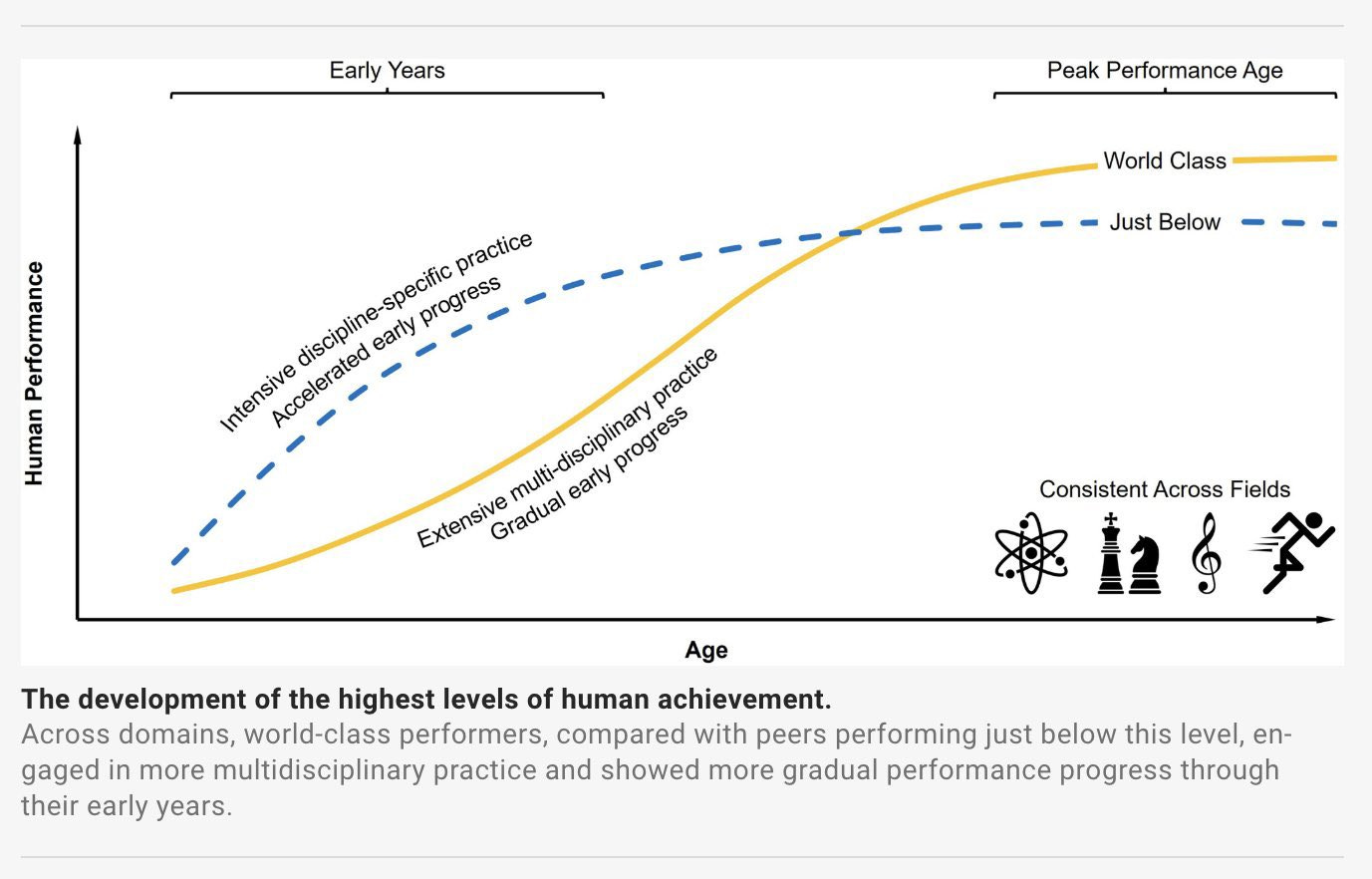
A new study in Science is changing the idea that hyper-specialization is the only path to the top, showing that early multidisciplinary exposure is the true engine of elite performance. While child prodigies in single disciplines often grab an early lead, this new analysis of Nobel laureates and Olympic medalists reveals that those who explore multiple fields early on eventually overtake and outperform narrow specialists. These “late bloomers” leverage their broad foundations to bypass the plateaus that trap early specialists, reaching a level of world class excellence that generally remains out of reach for those more narrowly trained. So parents, let your kids pursue all sorts of interests, don’t feel like they have to pick one thing and do nothing else. (Valerio Capraro, Science)

French foundry Atelier Missor doesn’t just want to build giant statues in America, but on the Moon too! “Building a statue on the Moon would show the world that the West is not merely utilitarian, but striving for something else. Something higher. Low gravity, no wind, no oxidation… it seems like the perfect place for a gigantic titanium statue!” It’s a bit aspirational at this point, but I’m rooting for them. (Atelier Missor)
Scientists at the University of Florida have confirmed that the central premise of Jurassic Park is surprisingly accurate: mosquitoes are DNA archiving machines. By analyzing the blood meals of over 50,000 mosquitoes, researchers identified the genetic signatures of 86 different animal species—representing 80% of the local vertebrate biodiversity—ranging from tiny frogs to big deer. This breakthrough turns the world’s most hated insect into a powerful, non-invasive conservation tool that can map entire ecosystems more efficiently than human teams or camera traps. (Science Alert)
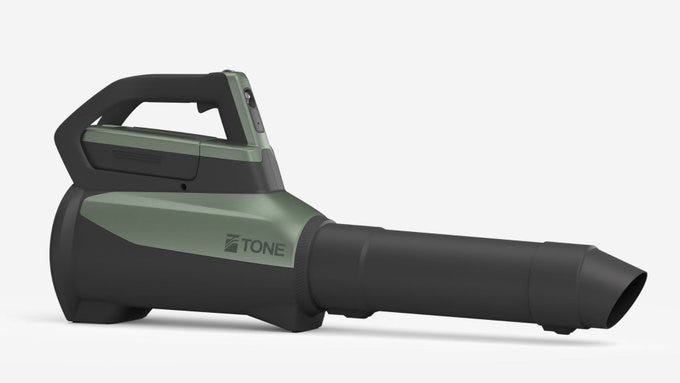
Sometimes it’s the little things that make a big difference. Whisper Aero, founded by former NASA electric aircraft pioneer Mark Moore, unveiled its Tone T1 at CES 2026—the world’s first quiet leaf blower using proprietary aerospace propulsion technology. The handheld blower operates at just 52 decibels (70% quieter than gas powered models), runs up to 50 minutes, and even includes an LED for nighttime cleanup. The company developed the technology while engineering quieter electric airplane engines and realized it had applications beyond aviation. (Owen Gregorian)
Photos & Videos
This is incredible. It’s a 25 year video showing the expansion of Kepler’s Supernova Remnant, named after the famous German astronomer, and first spotted in 1604. (NASA)

We live in a stunningly beautiful universe. This piece of photographic art taken by the Hubble Space Telescope is of “the star-forming complex N159, which is found in the Large Magellanic Cloud, approximately 160,000 light-years away.” (Hubble)
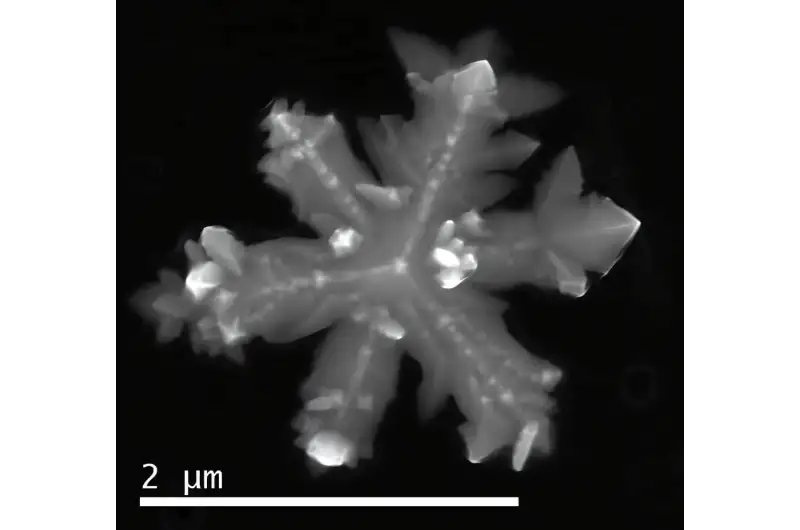
Metal “snowflakes”! “The authors argue that both their metal crystals and snowflakes are governed by the same emergence dynamics. Nanoparticles cluster together, or aggregate, to form larger superstructures. As a result, each of these metallic marvels is entirely distinct.” (Phys.org)
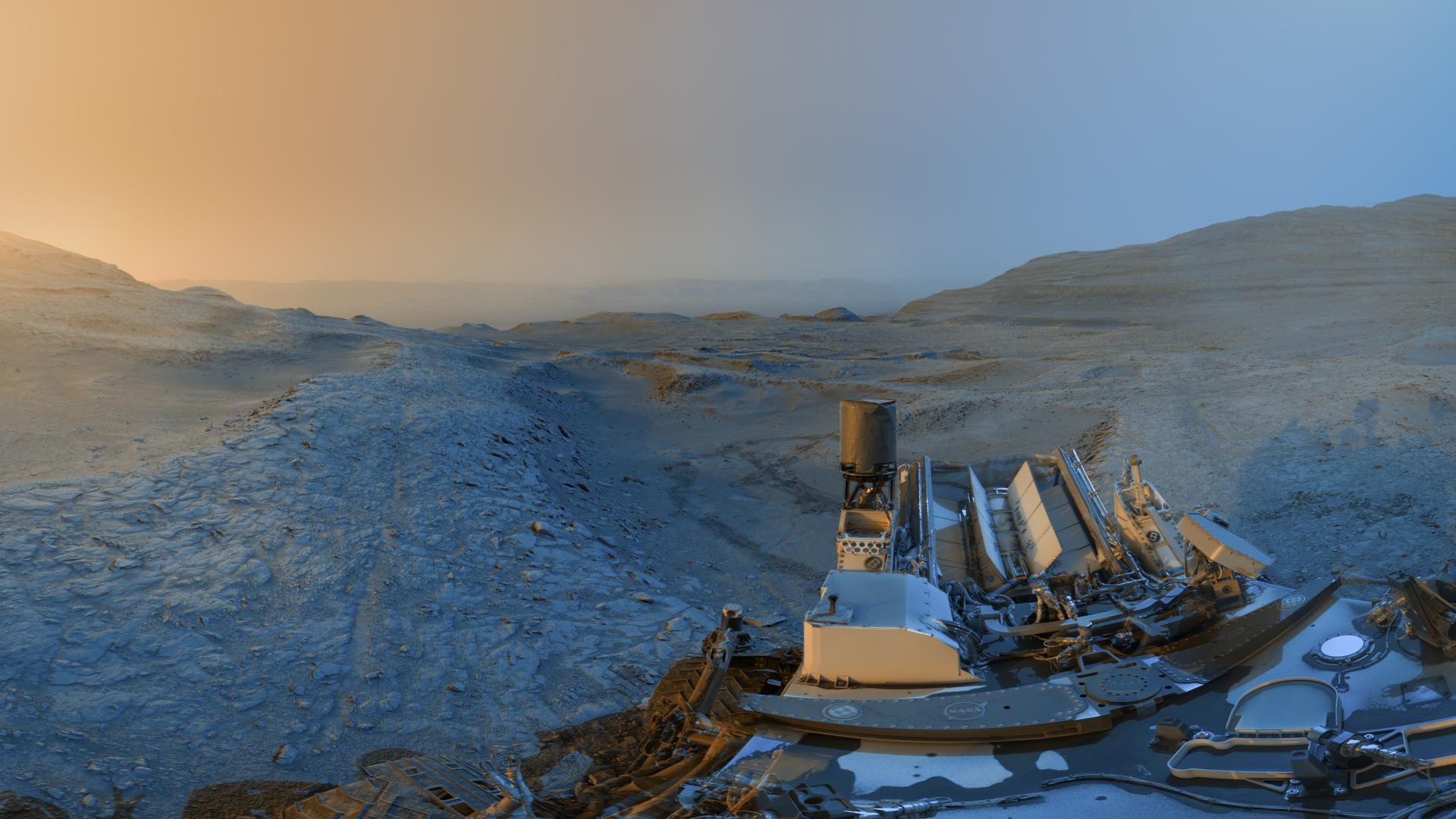
A panorama of a day on Mars, with the yellower light on the left being the sunset, and the bluish light on the right being the sunrise. (NASA Mars)
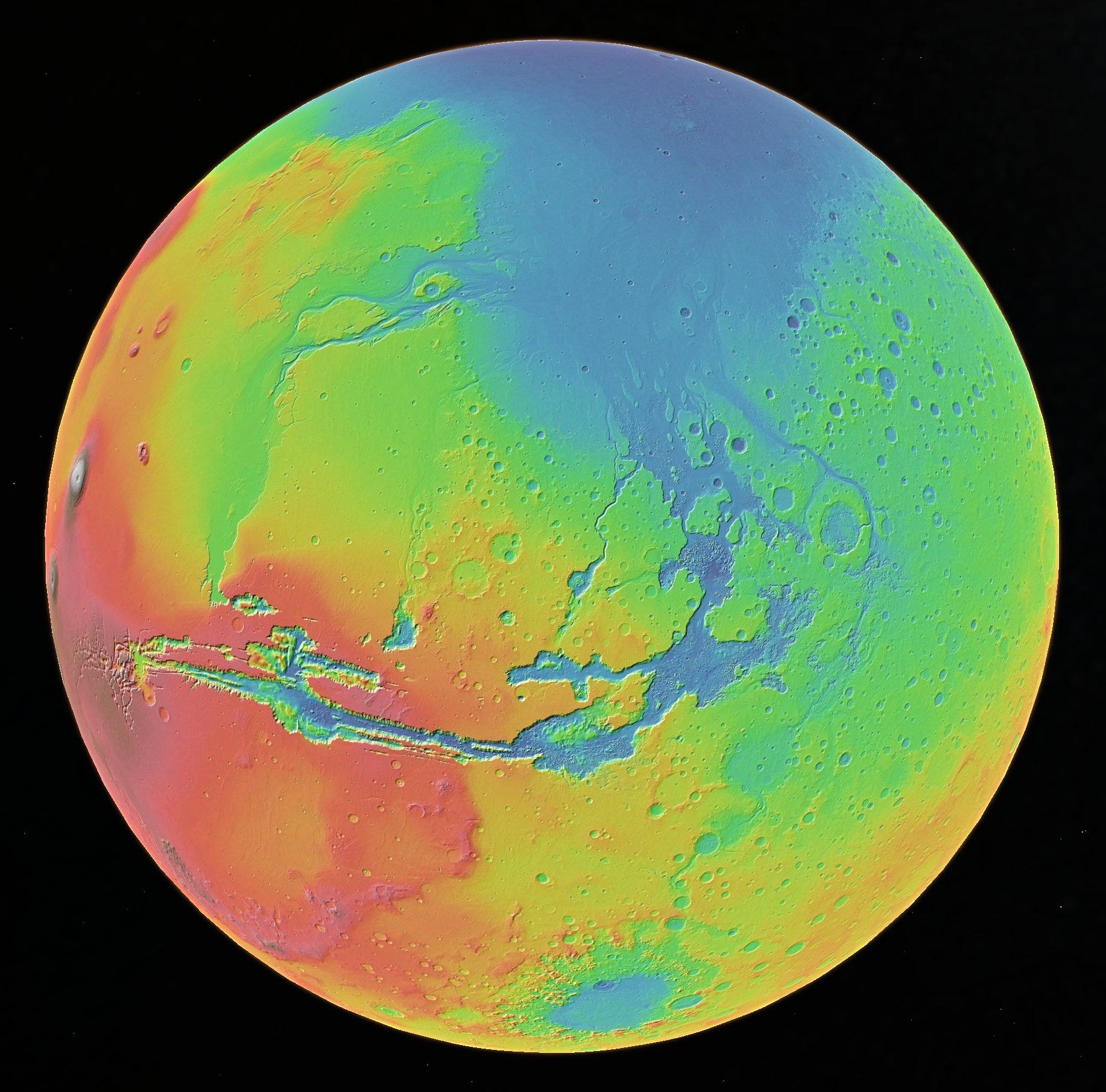
Casey Handmer just posted a 28m resolution global map of Mars, which can be uploaded to and viewed on Google Earth. Casey says that it’s “one of the most beautiful things I have ever made.” I agree! (Casey Handmer)

You know, the UAE sure knows how to celebrate the New Year in true techno-optimist fashion! (Hassan Sajwani)
Recommendations & Reviews
I’ve actually got a few things for you today. Couldn’t narrow it down, so you get three. First off, I should have mentioned this last time, but check out my latest work for Pirate Wires:

Elon Musk and Peter Diamandis recently had a long chat. These sorts of conversations are always interesting as you get an idea of where Elon wants to take things in the future. And where Elon wants to go, we’ll probably all be going, so listen in and see what the future might look like. You can tune in here on X if you want.
Here’s a little writeup for you all on peptides. I’m starting to dig into this a bit, so expect some more discussion as I learn more. Unlike broad spectrum drugs, these amino acid chains are being used (or designed in some cases) to repair specific cellular damage, boost metabolic efficiency, and even modulate the immune system with high accuracy. Something I didn’t realize is that Ozempic (a GLP-1 agonist) is actually a synthetic analog of a naturally produced peptide. So peptides really are on the map and big business. The “problem” is that companies can’t patent naturally occurring ones, so it’s harder for them to make a business case. Hence the grey market that currently exists for people doing self-treatment (or self-experimentation, which has a long scientific tradition). (Max Marchione)
Polls and Predictions for 2026
I think AGI won’t be a hard line where it didn’t exist before but does after. Much like the Turing Test that nobody even noticed was getting aced by multiple models, we’ll all just sort of agree one day that AI is good enough and general enough to call it AGI.
When will it happen though? Almost impossible to say, but I think the key will be how good these self-improving AIs are that are currently being worked on behind the scenes (if you don’t believe me, OpenAI is now looking to hire someone for managing exactly that). My personal bet is that there’s a low probability of a full AGI this year, with a moderate probability of a weak AGI. Almost certainly we see claims that this or that model is an AGI (because there’s already been such a claim from Japan). By 2027? Moderate probability of seeing one or more good AGIs being released publicly. Virtual certainty we see weak ones. How about 2028? High probability of seeing at least one good AGI in public. 2029-2030? Virtually certain one or more AGIs exist. After that, who knows. Singularity soon? When do we see ASI? Maybe that will end up being a bit more gradual (like 2035) too.
Here’s a few more launch predictions for the year: Falcon: 185 Flights. New Glenn: 6 flights. Starship: 12 flights (11 of which actually reach orbit, Flight 7 is not intended to). Rocket Lab manages 2 flights of their Neutron rocket. China successfully lands at least one, and probably several, orbital boosters. Putting themselves a decade behind SpaceX, but ahead of everyone else except Blue Origin. I don’t think it will take China a decade to catch up to where SpaceX is today however.
That’s it for this edition. Techno-Optimist #36 will hit on or around February 14th (Valentine’s Day!). The plan is to have the usual shorter focused newsletters for AI, Robotics, and Nuclear Energy out on each of the next three Saturdays or Sundays.
Thank you all for reading—and until next time, keep your eyes on the horizon.
-Owen